The U.S. State Department has ordered diplomatic posts worldwide to review aid programs for compliance with an expanded Mexico City Policy that now bars funding for abortion-related work, diversity and DEI initiatives, and gender-identity programming. The expansion affects roughly $30 billion in foreign assistance and extends restrictions to some U.S.-based organizations. New provisions will be added to new grants and to existing projects when new funding is awarded; they take effect Feb. 26. The cable said limited waivers will be issued to avoid disruptions to critical lifesaving programs.
U.S. Missions Ordered to Audit Aid Programs After Mexico City Policy Expansion — About $30B Affected

People participate in the 2025 NYC Pride March in Manhattan, New York City, U.S., June 29, 2025. REUTERS/Angelina Katsanis
WASHINGTON, Jan 29 (Reuters) — The U.S. State Department has instructed American diplomatic posts worldwide to review all aid programs to ensure compliance with an expanded Mexico City Policy that bars funding for groups involved in family planning, abortion-related work, diversity initiatives, and what the administration calls "gender ideology," according to a department cable reviewed by Reuters.
The policy expansion, announced last week, broadens the scope of the Mexico City Policy — criticized by opponents as the "global gag rule" — beyond abortion-related activities to include diversity, equity and inclusion (DEI) programs as well as gender identity and transgender rights work. The change raises the total amount of foreign assistance affected to roughly $30 billion and extends restrictions to additional organizations, including some U.S.-based groups.
The cable, dated Wednesday, directs department bureaus and overseas posts to begin assessing the aid projects they manage and to consider designating a focal point or convening a "tiger team" to handle implementation. It also said the new provisions will be incorporated into any new grants or cooperative agreements and appended to existing projects when new funding is provided. The rules take effect on Feb. 26.
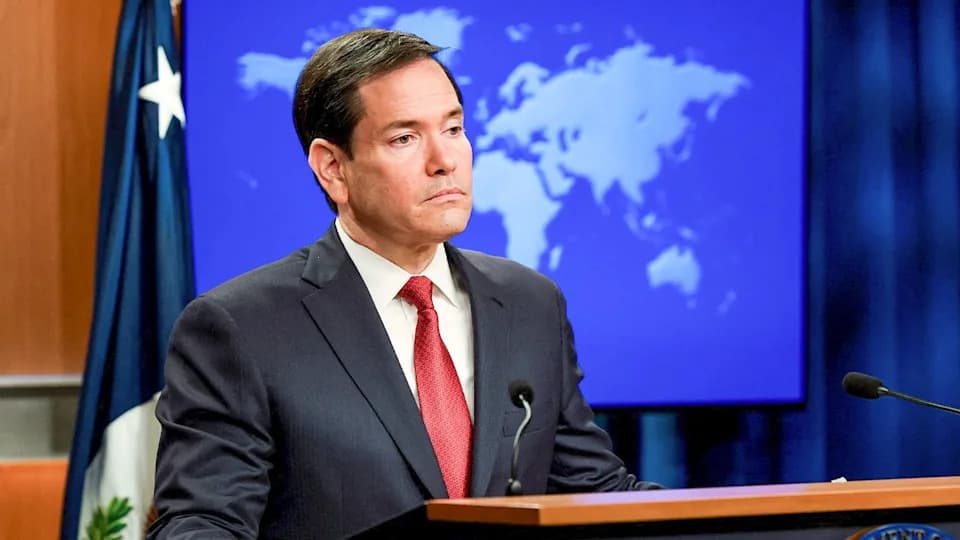
Officials expect that some organizations will decline to comply and therefore opt out of receiving U.S. funding; the cable included an internal email address to report groups that refuse to comply. The cable also said Secretary of State Marco Rubio will issue limited waivers to avoid "unduly disrupting ongoing lifesaving programming, disaster response, and other critical priorities." The State Department did not immediately respond to requests for comment.
What the Rules Prohibit
The cable lists the prohibited activities as: providing or promoting abortion as a method of family planning; promoting "gender ideology"; promoting "discriminatory equity ideology"; or engaging in unlawful DEI-related discrimination. It further restricts foreign NGOs from using funding from non-U.S. donors for the banned activities, a tighter rule than previous iterations that applied only to U.S. funds.
Reaction From Aid Groups
International and domestic aid groups reacted strongly. Cristal Downing, project director for gender and conflict at the International Crisis Group, said the policy imposes heavy administrative burdens and harms civil society work, particularly organizations serving women and survivors of gender-based violence.
"This is an attempt at global social engineering, part of a slash-and-burn strategy targeting gender equality programming," Downing said. "It will affect access to safe spaces for survivors of gender-based violence, efforts to increase women’s representation in peacebuilding, and a host of other critical programs."
Talking points distributed with the cable instruct U.S. diplomats to frame the change as part of an overhaul of foreign assistance aimed at focusing resources on programs that "effectively and efficiently save lives, support allies, and create commercial opportunities that benefit the American economy." The talking points add: "Programs predicated upon advancing divisive social causes, globalism, and other radical ideologies have no place in our new foreign assistance architecture."
(Reporting by Humeyra Pamuk and Simon Lewis; Editing by Cynthia Osterman)
Help us improve.