Iraq's fig orchards in Babylon province are suffering severe yield declines as drought tightens water supplies. Trees that once produced 25–40 crates per season now yield roughly one 15–20 kg crate every two to three days, and the fig season has shortened. Farmers are increasingly using sulfur-rich groundwater, facing more pests and disease, and relying on stronger pesticides; some are abandoning cultivation while others adopt water-saving methods like drip irrigation.
Iraq’s Fig Industry in Peril: Drought Slashes Yields and Forces Farmers to Change Course
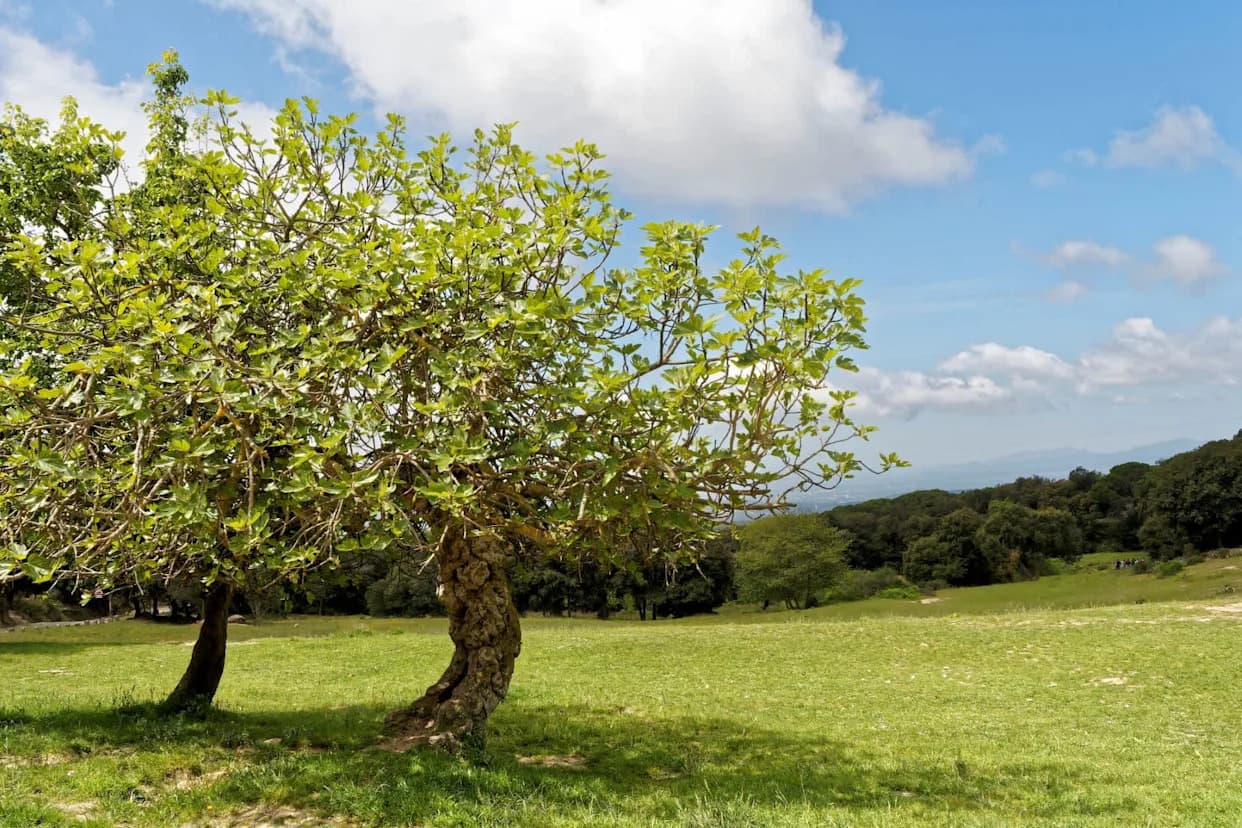
Photo Credit: iStock
Once a dependable source of food and income for communities in Babylon province, Iraq's fig orchards are now collapsing under relentless drought and shrinking water supplies. Farmers say harvests have fallen dramatically, forcing many to choose between costly crop-protection measures and abandoning cultivation altogether.
Collapse In Yields
According to reporting by Jummar, yields that were once robust have plummeted. Two years ago a single fig tree could produce 25–40 crates over a season, with each crate weighing as much as 20 kilograms. Today, farmers report a single tree yields roughly one 15–20 kg crate every two to three days — a steep decline that has severely reduced seasonal output and household income.
“Fig trees are thirsty by nature,” farmer Saadoun Al-Saadouni told Jummar. “They don't just need watering — they need washing too, to remove dust that attracts spider mites.”
Water Substitutes, Pest Pressure And Ecosystem Harm
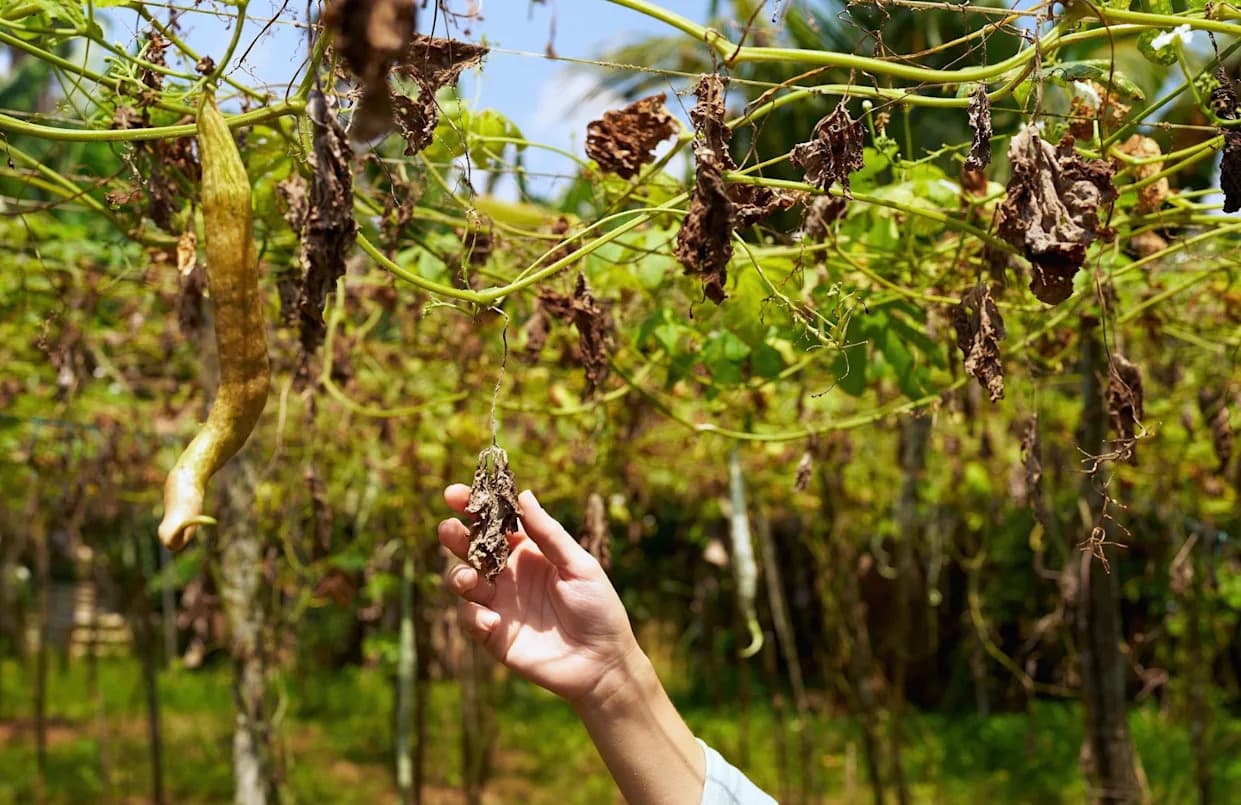
With surface water scarce, many growers have turned to sulfur-rich groundwater. Farmers say this alternative changes the fruit's flavor and has shifted fig skin color from deep black toward red. At the same time, hotter, drier conditions have encouraged disease and spider mite outbreaks, prompting heavier use of strong pesticides.
Those emergency measures can protect short-term yields but carry long-term risks: repeated pesticide use degrades soil health, contaminates water, and harms pollinators and other wildlife that depend on fig trees. Jummar notes that fig trees act as keystone species — providing food and habitat for bees, birds and other animals. For example, local white herons that once followed irrigation to feed on displaced insects now have fewer food opportunities as watering declines.
Livelihoods And Adaptation
As incomes fall and costs for pest control and water rise, some farmers are leaving agriculture for more stable work in construction or poultry farming. “Fig cultivation is now under threat,” farmer Ahmed Abu Shahad told Jummar. Others still invest in figs because of their high market value and the trees' notable resilience.
To cope, many growers are adopting water-conserving practices such as drip irrigation, improved mulching, and targeted pest management to stretch limited supplies and reduce waste. While these measures can help, experts warn that long-term recovery will depend on better water management, investment in sustainable farming practices, and policies that help smallholders adapt to climate stress.
Despite mounting pressures, fig trees are hardy and capable of surviving extended stress — a reason many farmers continue to tend them even as production becomes less reliable.
Help us improve.