China is expanding its footprint in Micronesia through infrastructure investments and political engagement rather than overt military deployments. A Chinese-backed runway in Yap is set for handover on Feb. 9, and the same firm is rebuilding a bridge on Yap’s main island. Analysts warn that these projects, combined with diplomatic and financial influence, could erode U.S. strategic access protected under the Compact of Free Association. Experts urge broader U.S. engagement across the island chains to counter Beijing’s long-term strategy.
China Expands Footprint in Micronesia Through Infrastructure Projects, Raising U.S. Security Concerns
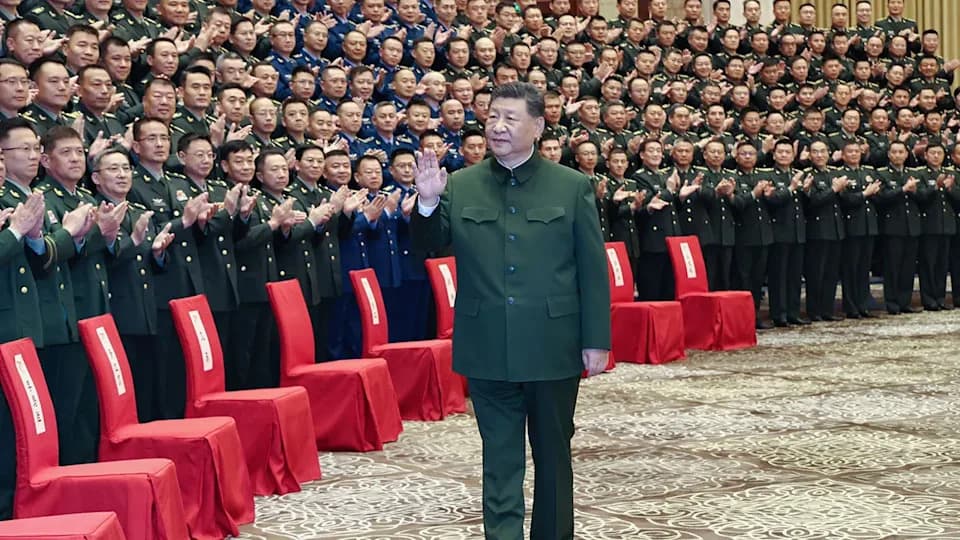
Chinese President Xi Jinping, also general secretary of the Communist Party of China Central Committee and chairman of the Central Military Commission, meets with representatives of military personnel stationed in northwest China's Xinjiang Uygur Autonomous Region, in Urumqi, the regional capital, Sept. 23, 2025.(Getty Images)
China’s growing presence in Micronesia — achieved through infrastructure projects, political engagement and economic ties rather than overt military deployments — is prompting alarm among U.S. security analysts. Observers warn Beijing’s approach is intended to create long-term strategic access to a region long considered vital to American defense.
Chinese-Backed Projects In Yap
Fox News Digital reports that a runway on the island of Yap, built with backing from a Chinese company, is scheduled to be formally handed over during a ceremony on Feb. 9. The president of the Federated States of Micronesia is expected to attend, along with representatives of the Chinese firm involved. The same company is also reported to be working on a major bridge reconstruction on Yap’s main island.
FDD senior fellow Cleo Paskal, who traveled to the Federated States of Micronesia to observe these developments, told Fox News Digital she spent four days aboard a Chinese-donated cargo ship to witness the start of work to rehabilitate a World War II Imperial Japanese runway. "It’s not a huge runway, but what it does is it gets China in the door and on the ground in a very strategic location," she said.
Why Yap Matters
Yap lies along key maritime and air routes linking Hawaii, Guam and East Asia. U.S. military planners have long considered it one of the most strategically important locations in the Pacific. During World War II, Ulithi lagoon in the Yap group served as one of the largest U.S. naval anchorages.
Beijing’s Strategy: Infrastructure Plus Influence
Analysts say China’s playbook in the region combines visible infrastructure work with less visible political and economic influence operations. These include cultivating relationships with national leaders, engaging local officials such as customs and immigration personnel, and securing contracts through regional development banks to place Chinese companies and workers on the ground. According to observers, Chinese firms may accept short-term financial losses to secure long-term strategic positioning.
“So it’s not just a physical kinetic infrastructure operation,” Paskal said. “It’s also a political warfare operation, whereas the U.S. is focusing more just on a very narrow band of the kinetic map.”
U.S. Ties And The Compact Of Free Association
Under the Compact of Free Association (COFA), the United States retains exclusive defense rights across Micronesia, including the ability to deny other powers military access and to establish defense facilities. The agreements also grant Micronesian citizens rights to live and work in the U.S. and to serve in the U.S. military. U.S. officials have announced roughly $2 billion in defense infrastructure investment for Yap — a commitment analysts say is primarily focused on Yap’s main island.
Experts caution that focusing investment only on the main island could leave smaller islands and alternate approaches vulnerable to influence from outside actors.
Political Shifts And Local Dynamics
Political changes within Micronesia have heightened concern. Former FSM President David Panuelo warned in a March 9, 2023 letter about what he described as Chinese political warfare, including alleged bribery and pressure campaigns. Panuelo later lost re-election, and the current national government is widely perceived as more receptive to Beijing than its predecessor.
Responses And Reactions
When asked about activity in Micronesia, a spokesperson for the Chinese Embassy in Washington said they were not aware of specifics and framed China’s work in the Pacific as development partnerships without geopolitical intent. The spokesperson said China “always respects the sovereignty and territorial integrity of PICs” and denies attaching political strings to its aid.
But analysts reject that portrayal, pointing to cases where Beijing has reportedly sought to influence Pacific states’ diplomatic choices, including matters related to Taiwan. For U.S. security experts, the worry is not a single runway or bridge but the cumulative erosion of strategic access in a region that has underpinned American defense posture for more than eight decades.
“We lost so many American lives in World War Two, taking these islands from the Japanese. And now we are letting China dominate them. This is just wrong,” China expert Gordon Chang told Fox News Digital. “We have the power to stop this and we're not doing that. This is now on us—a strategic failure.”
What’s Next
Analysts urge U.S. policymakers to broaden their focus beyond high-profile construction on main islands and to strengthen political, economic and community-level engagement across the full island chains. Without a sustained, multifaceted response, they warn, Beijing’s patient strategy of presence, influence and access could gradually reshape strategic dynamics in the western Pacific.
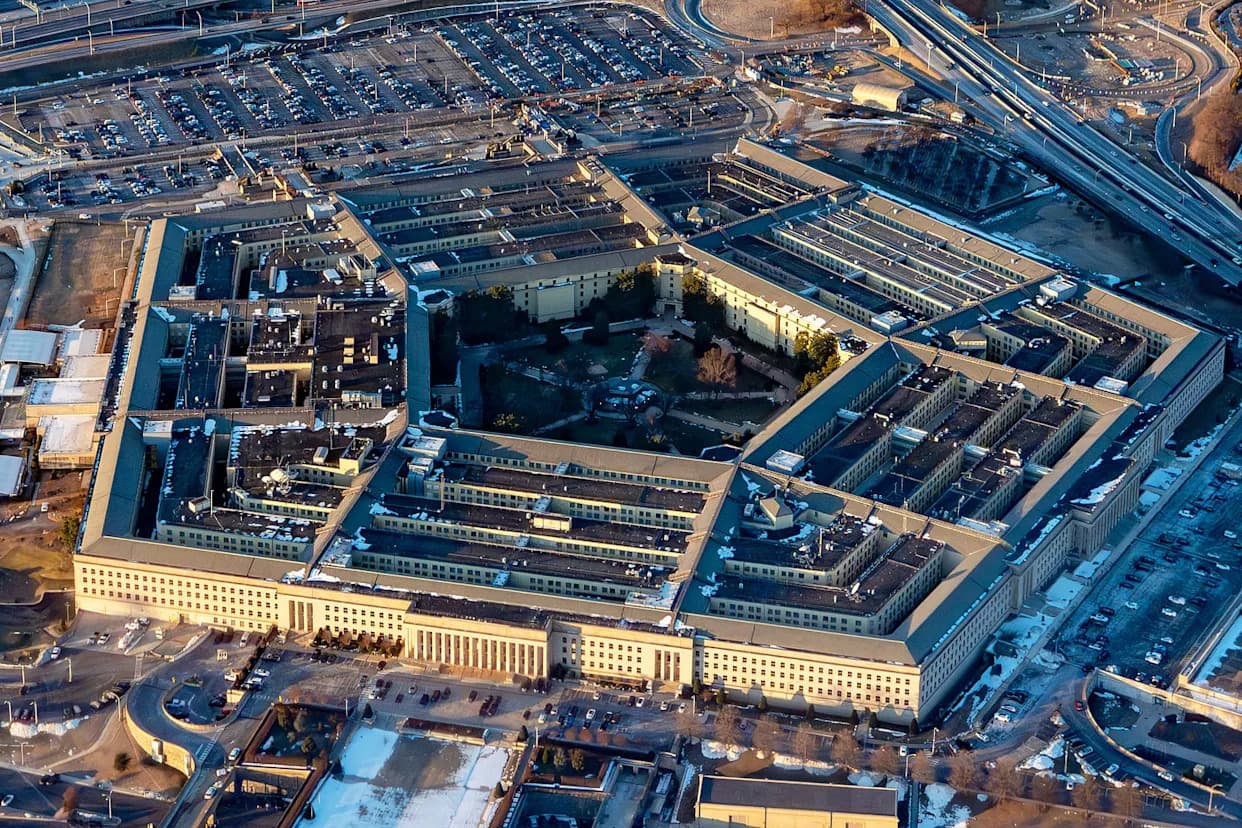
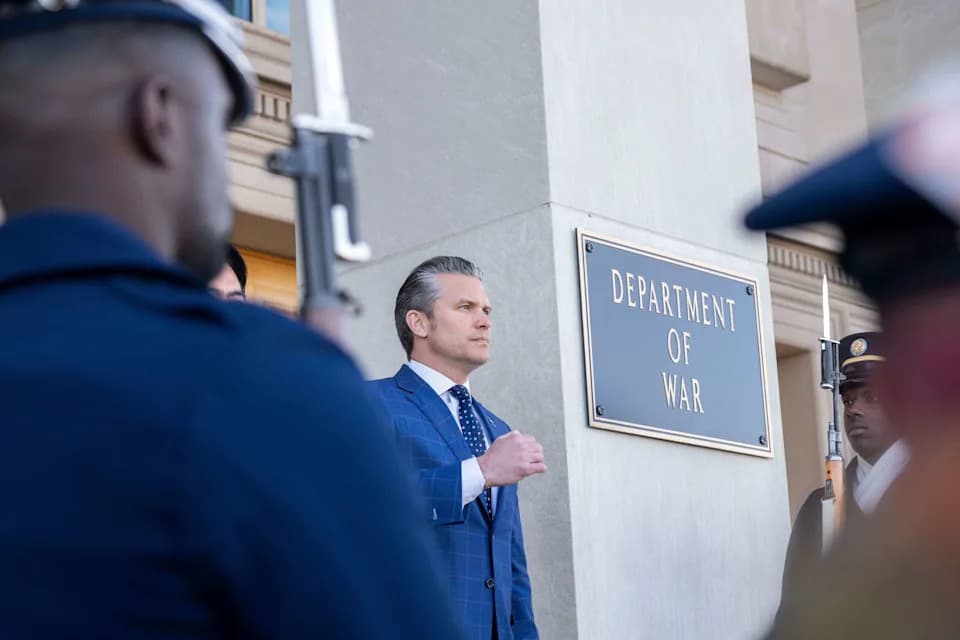
Fox News Digital said neither the White House nor the Department of Defense responded to requests for comment.
Help us improve.