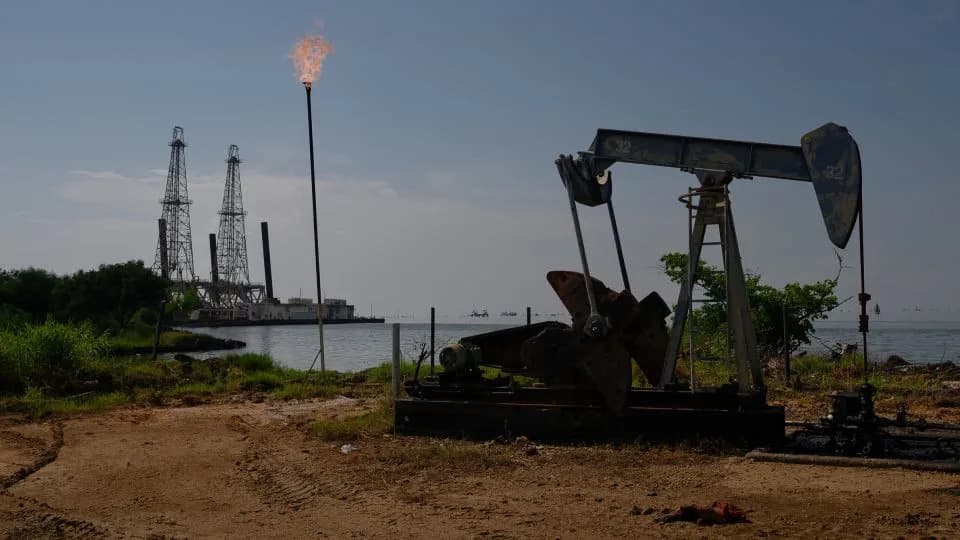
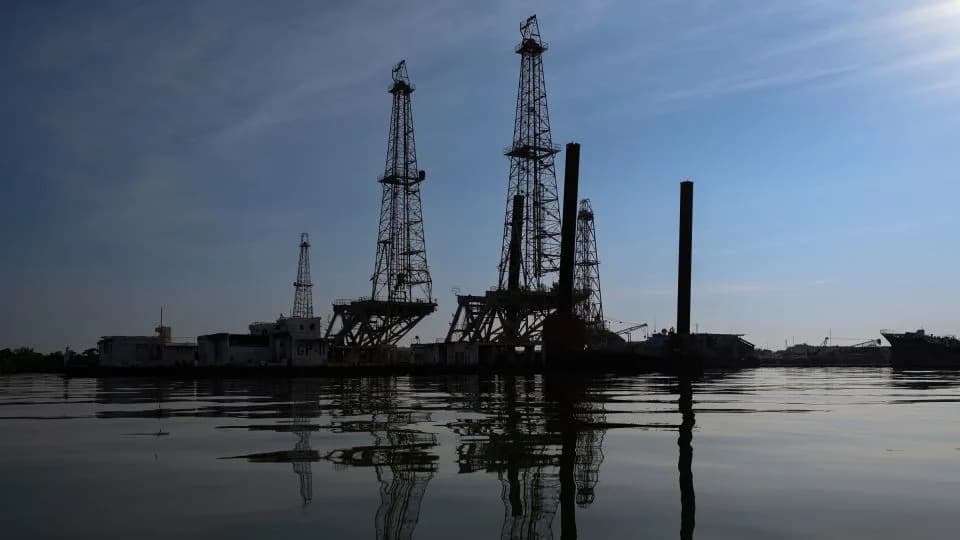
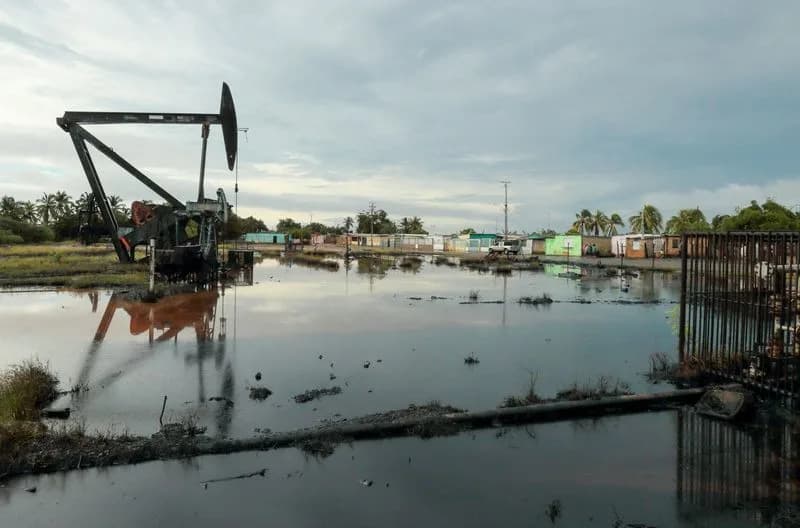
The U.S. relaxed sanctions on Venezuela's oil sector after Caracas approved reforms to attract private and U.S. investment. Within an hour of the vote the Treasury issued a general license allowing trade with PDVSA, including refining activities. The reform alters a 2006 law, reduces taxes and royalties, and aims to spur investment as production recovers to about 1.2 million bpd in 2025. Officials say early oil sales have already yielded funds to support the bolivar.
US Lifts Oil Sanctions After Venezuela Opens Sector to Private Investment
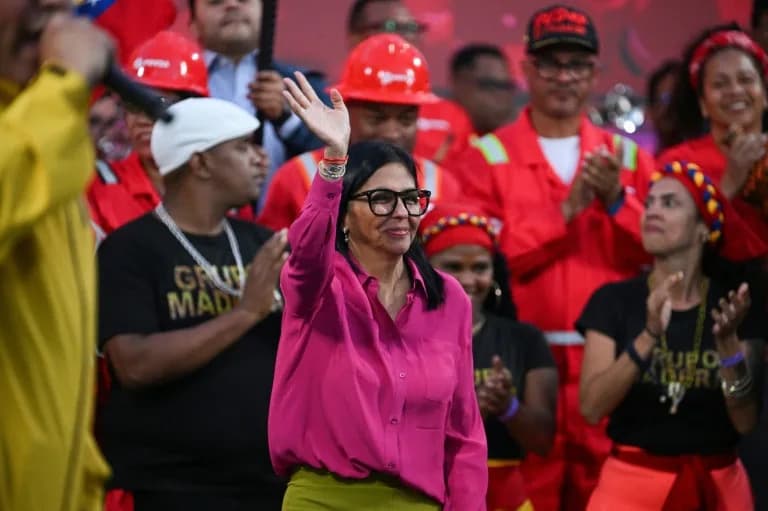
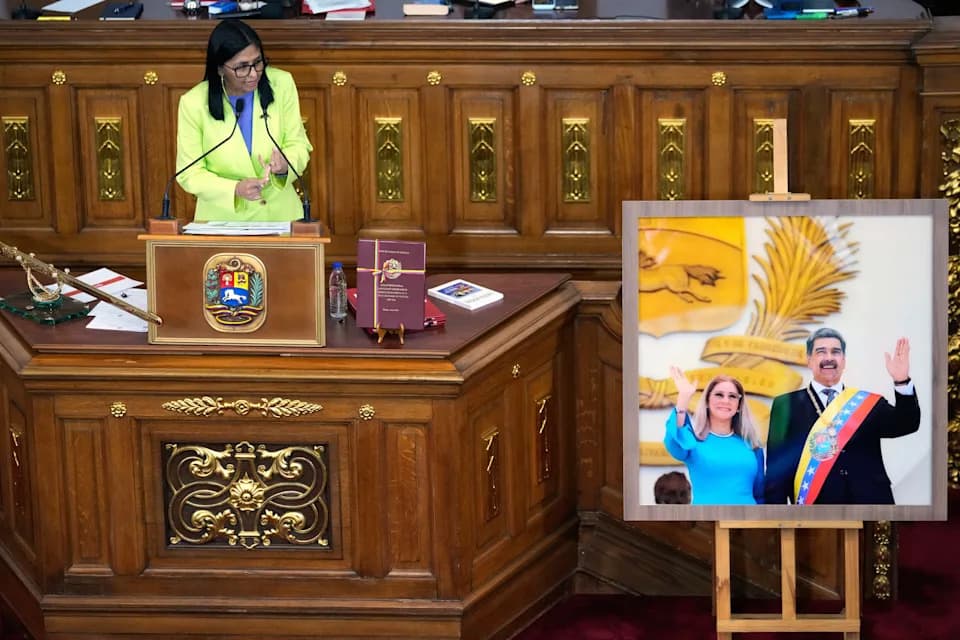
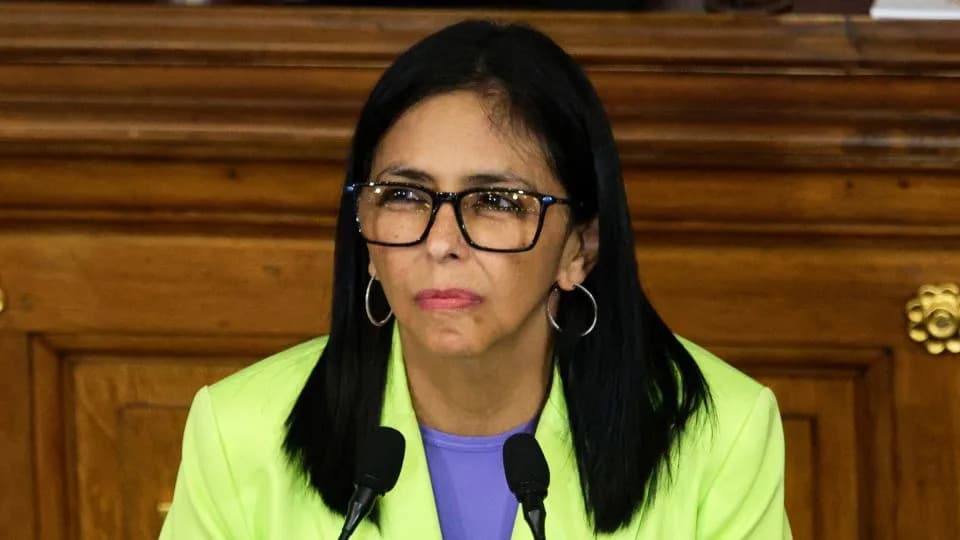
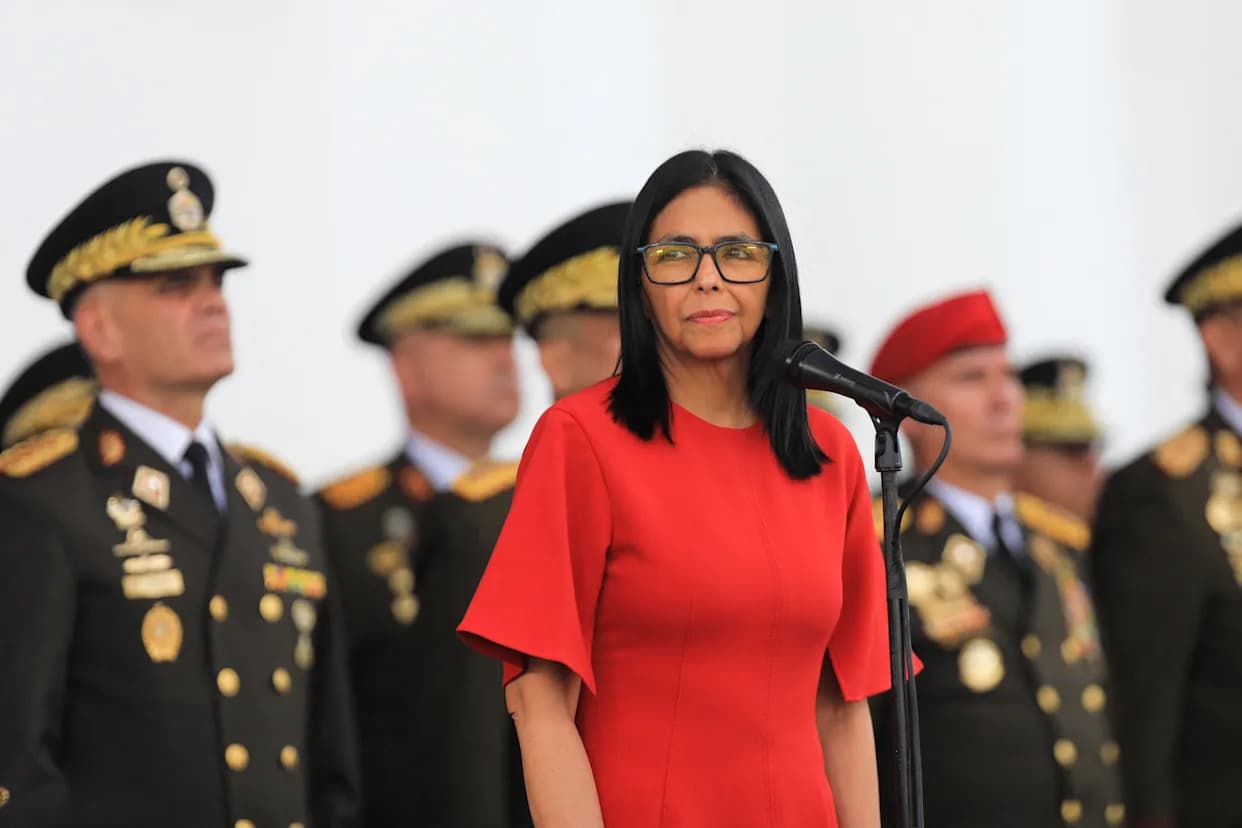
Venezuela's interim President Delcy Rodriguez has pushed through a major reform of her country's hydrocarbon law to allow greater private investment in the oil industry (Federico PARRA)(Federico PARRA/AFP/AFP)
The United States on Thursday eased sanctions targeting Venezuela's oil industry after lawmakers in Caracas approved reforms designed to attract private — including U.S. — investment. Within an hour of the vote, the U.S. Treasury Department issued a general license permitting American companies to trade with state oil firm PDVSA; the license explicitly authorizes activities such as refining.
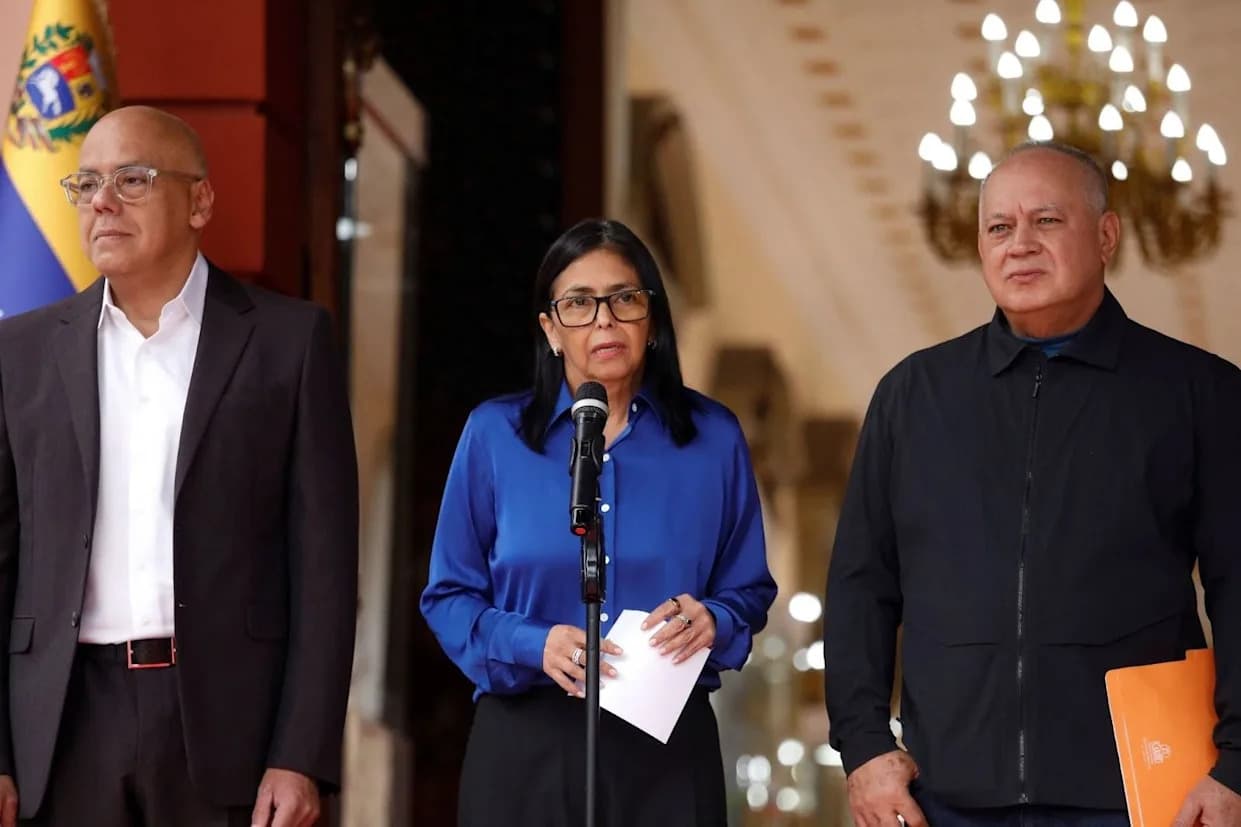
Speaking to oil workers, Venezuela's acting president Delcy Rodriguez described the reforms as a "historical leap" and said they are aimed at reviving the country's battered energy sector. Rodriguez spoke with President Donald Trump, who publicly welcomed the changes and said Washington would begin marketing Venezuelan crude.
What the Reform Changes
The reform amends a 2006 law that required foreign investors to operate under joint ventures in which state oil company PDVSA held a majority stake. The revisions ease those constraints by offering stronger legal guarantees for private companies, reducing certain taxes and royalties, and relinquishing exclusive state control over exploration. Analysts note, however, that the state will retain discretion over the awarding of contracts.
Political Context
The measure follows a period of intense diplomatic pressure and leadership change in Venezuela that brought Delcy Rodriguez to prominence. U.S. officials had demanded access to Venezuela's oil resources as part of broader efforts to influence the country's political and economic transition; Rodriguez and other Venezuelan leaders have framed the reforms as necessary to attract foreign capital and stabilize the economy.
Industry Outlook
Venezuela holds roughly a fifth of the world's known oil reserves. After years of underinvestment, mismanagement and sanctions, production has begun to recover — reaching about 1.2 million barrels per day in 2025 compared with roughly 300,000 bpd in 2020, though still well below the roughly 3 million bpd produced early in the century.
Major U.S. oil firms largely left Venezuela after nationalizations in the 2000s; ExxonMobil and ConocoPhillips exited in 2007 after refusing to accept majority state control. Chevron remains the only major U.S. company operating in Venezuela under a special sanctions exemption. The newly revised law aims to make re-entry more attractive to global energy majors, but practical challenges — including infrastructure deficits and lingering political risk — mean recovery will likely be gradual.
Immediate Effects
Officials say proceeds from initial sales have already been used domestically: Rodriguez reportedly reinvested $300 million from an early U.S. purchase of Venezuelan crude to support the bolivar. The U.S. Department of Energy has outlined plans to help develop Venezuela's oil capacity and has begun marketing Venezuelan grades to commercial buyers.
Analyst View: "The reform substantially alters the Chavez-era oil model by opening the sector to private investment," said analyst Francisco Monaldi, while cautioning that the state will still play a significant regulatory and contracting role.
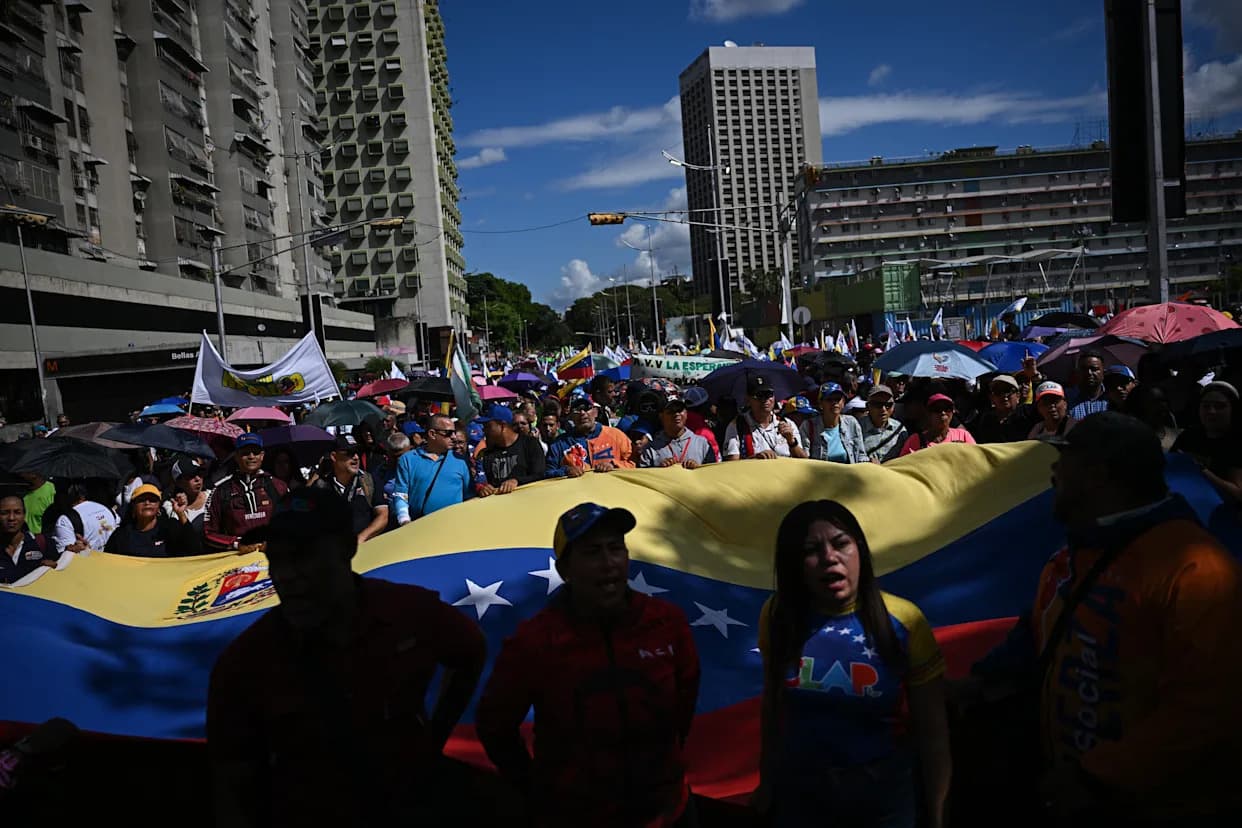
The changes have generated cautious optimism among many Venezuelans facing economic collapse and large-scale emigration. At a recent rally, Karina Rodriguez, a 53-year-old PDVSA employee, said the reforms "help restore our dignity."
Help us improve.