The Philippines, as ASEAN chair, will press for a South China Sea Code of Conduct that explicitly references UNCLOS and is legally binding, Foreign Minister Ma. Theresa Lazaro said. Manila aims to finalise the code this year and will propose steps to accelerate negotiations, including more frequent talks. Tensions persist after a series of maritime confrontations in the Philippine EEZ, and Manila has deepened security ties with the U.S. and other partners who back the 2016 arbitration ruling.
Philippines to Push for UNCLOS-Based South China Sea Code of Conduct, Aiming to Finalize Deal This Year
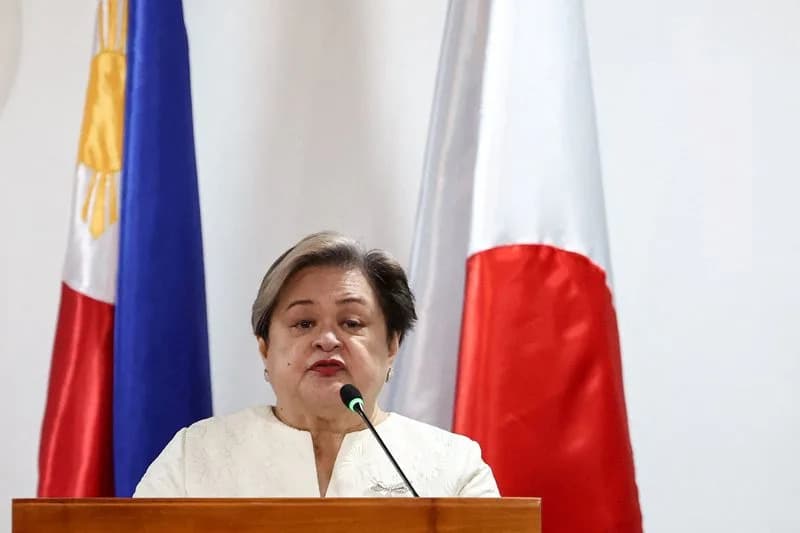
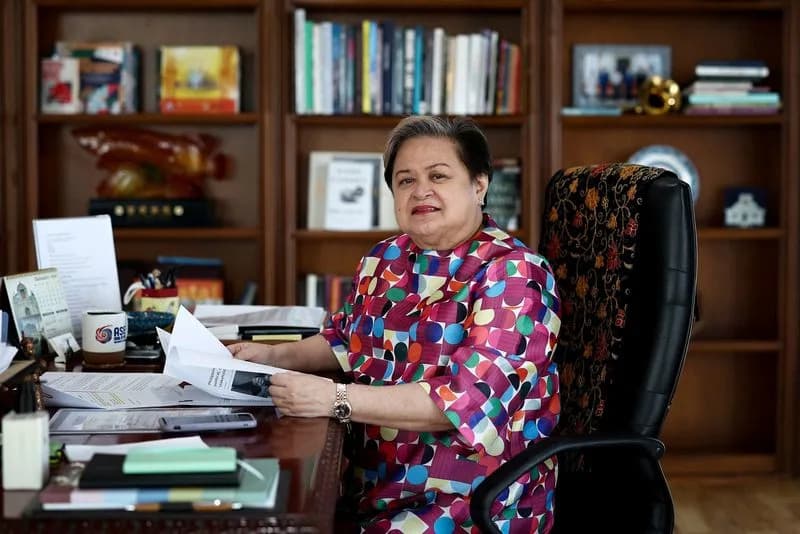
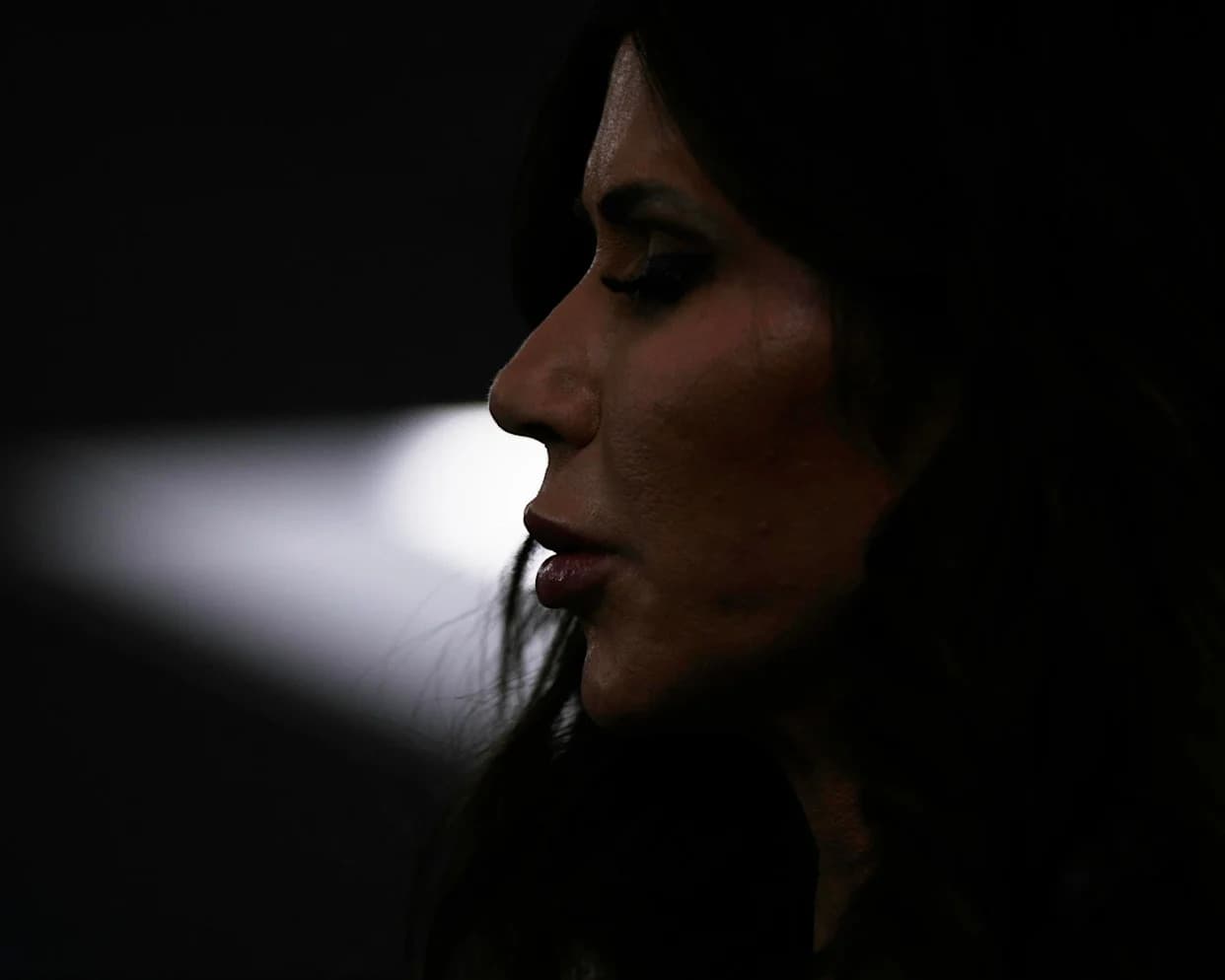
File Photo: Philippine Foreign Minister Ma. Theresa P. Lazaro speaks at a press conference in Pasay City, Metro Manila, Philippines, January 15, 2026. REUTERS/Eloisa Lopez/File Photo
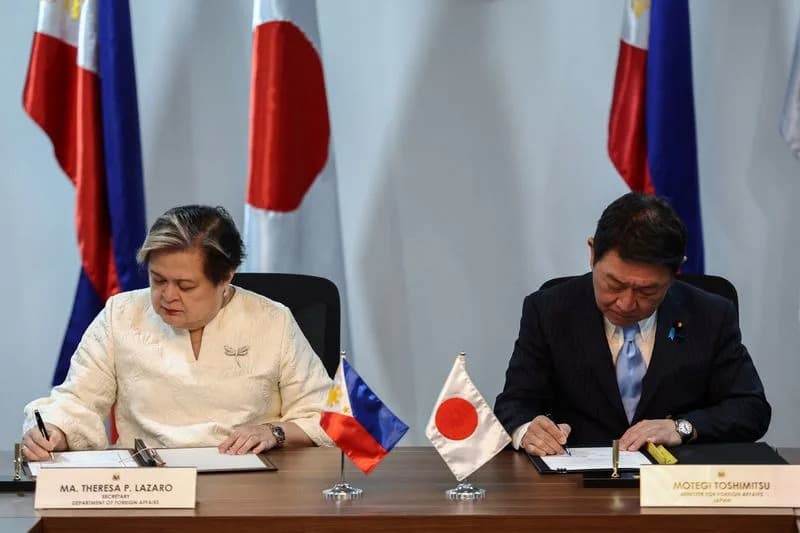
MANILA — As chair of ASEAN, the Philippines will press for a long-delayed Code of Conduct with China on the South China Sea to explicitly cite the U.N. Convention on the Law of the Sea (UNCLOS) and to be legally binding, Foreign Minister Ma. Theresa Lazaro said on Thursday. Manila aims to complete the agreement within the year and plans to present a set of strategies to accelerate negotiations.
Philippine Position
Lazaro reiterated that the Philippines — joined by other ASEAN members — insists the code be grounded in international law. She said the UNCLOS reference is non-negotiable and that Manila will use its ASEAN chairmanship to push for more frequent and substantive talks with China.
'The UNCLOS issue is something that we insist on, not only the Philippines, but other ASEAN member states,' Lazaro told Reuters.
Negotiation Status and Challenges
The idea of a formal code of conduct to calm tensions in the South China Sea was first proposed more than two decades ago; parties only committed to start drafting in 2017, and progress since then has been limited. Reaching agreement is politically sensitive because Beijing claims sovereignty over nearly the entire sea, while several Southeast Asian states say those claims conflict with UNCLOS and their exclusive economic zones (EEZs).
Regional Tensions and International Backing
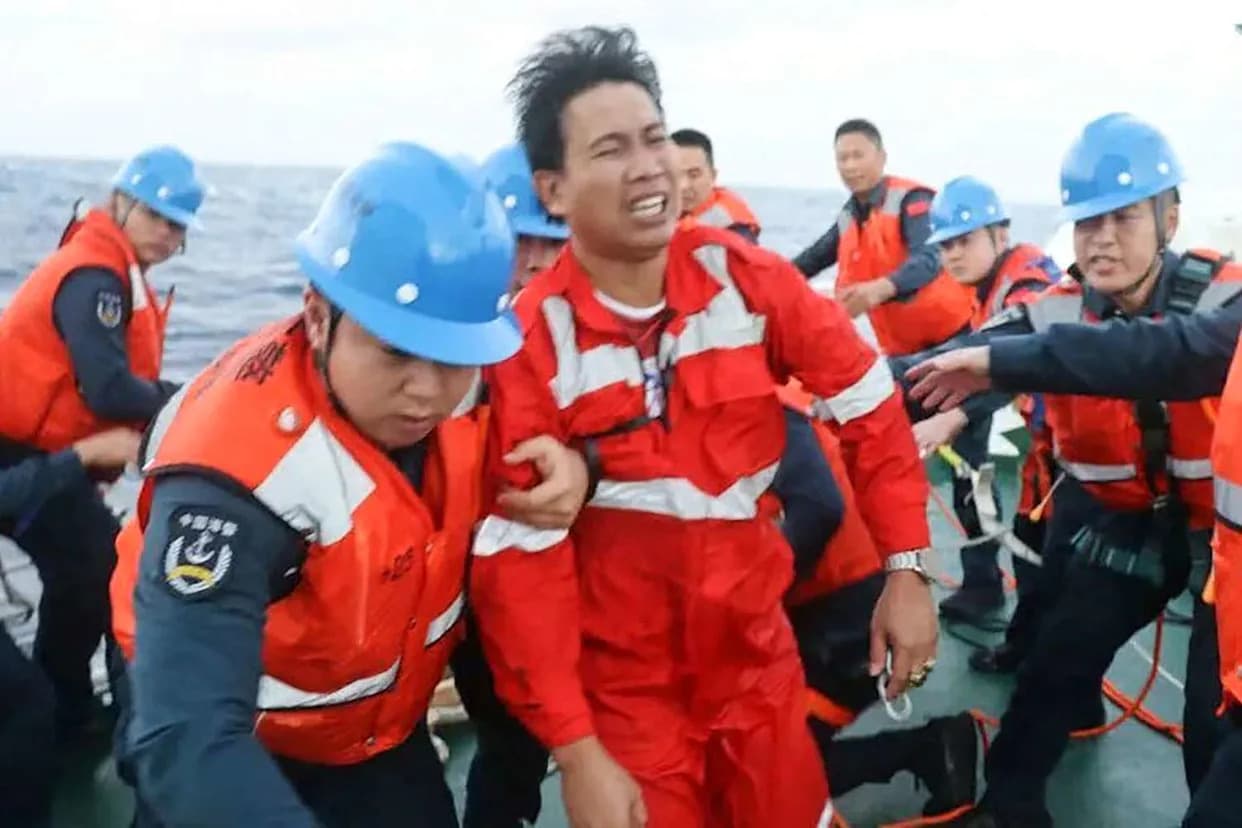
Manila has accused China of aggressive actions inside the Philippine EEZ in recent years, including dangerous manoeuvres, use of water cannon, and interference with resupply missions. China, in turn, accuses the Philippines of intruding into areas it considers its territory. The dispute has coincided with deeper Philippine defence cooperation with the United States and strengthened security ties with partners such as Australia, Japan and Canada — countries that publicly backed the 2016 Permanent Court of Arbitration ruling that rejected Beijing's broad maritime claims.
Lazaro stressed that diplomatic channels remain the preferred way to resolve differences, warning against public back-and-forths between embassies and officials. The Philippines plans to propose measures this year to hasten negotiations, including more regular meetings of negotiators and clearer timelines for completing legally binding text.
Why It Matters
A legally binding, UNCLOS-referenced code of conduct would aim to reduce the risk of maritime incidents, provide clearer rules for resource use and manoeuvres at sea, and strengthen regional stability. However, major political and legal differences between ASEAN members and China make the path to consensus challenging.
Help us improve.