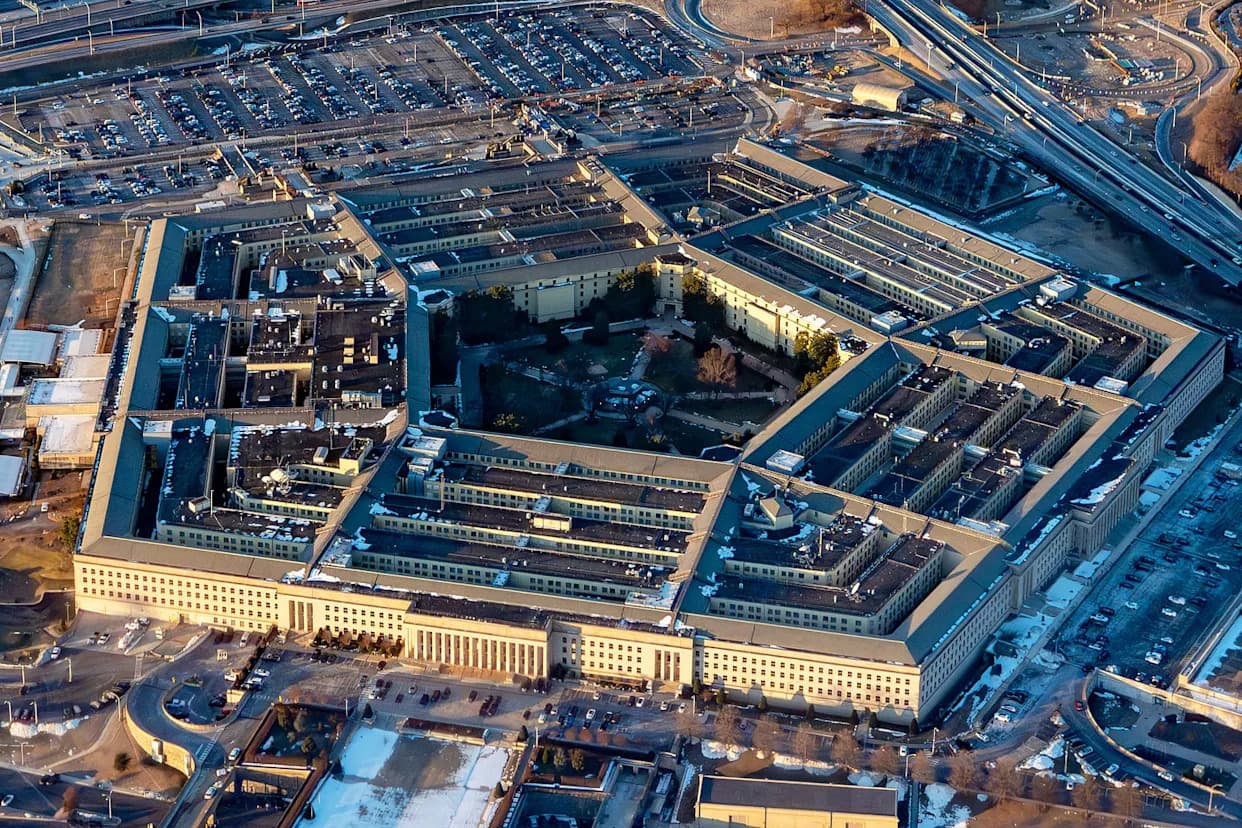
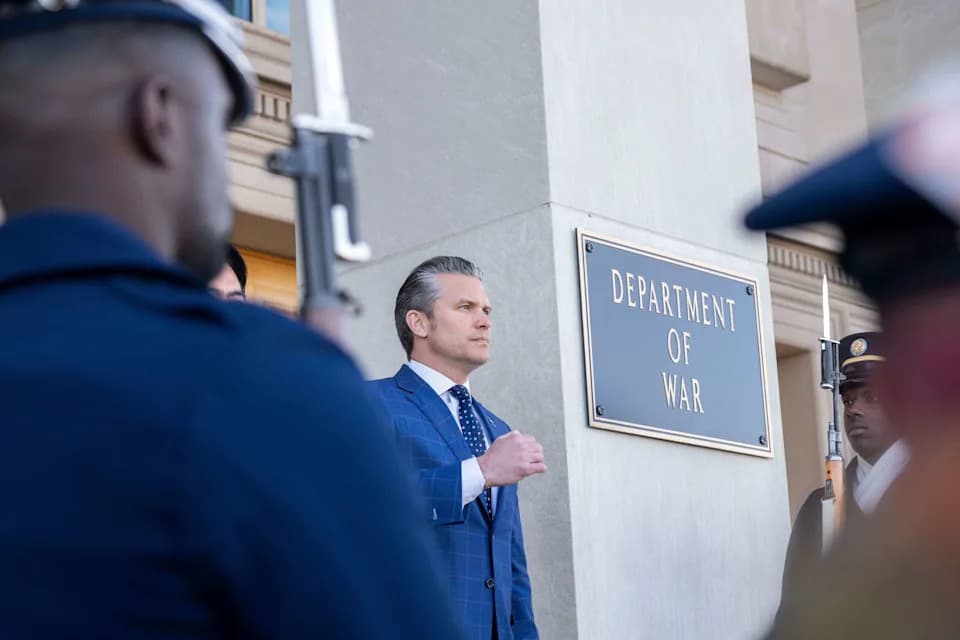
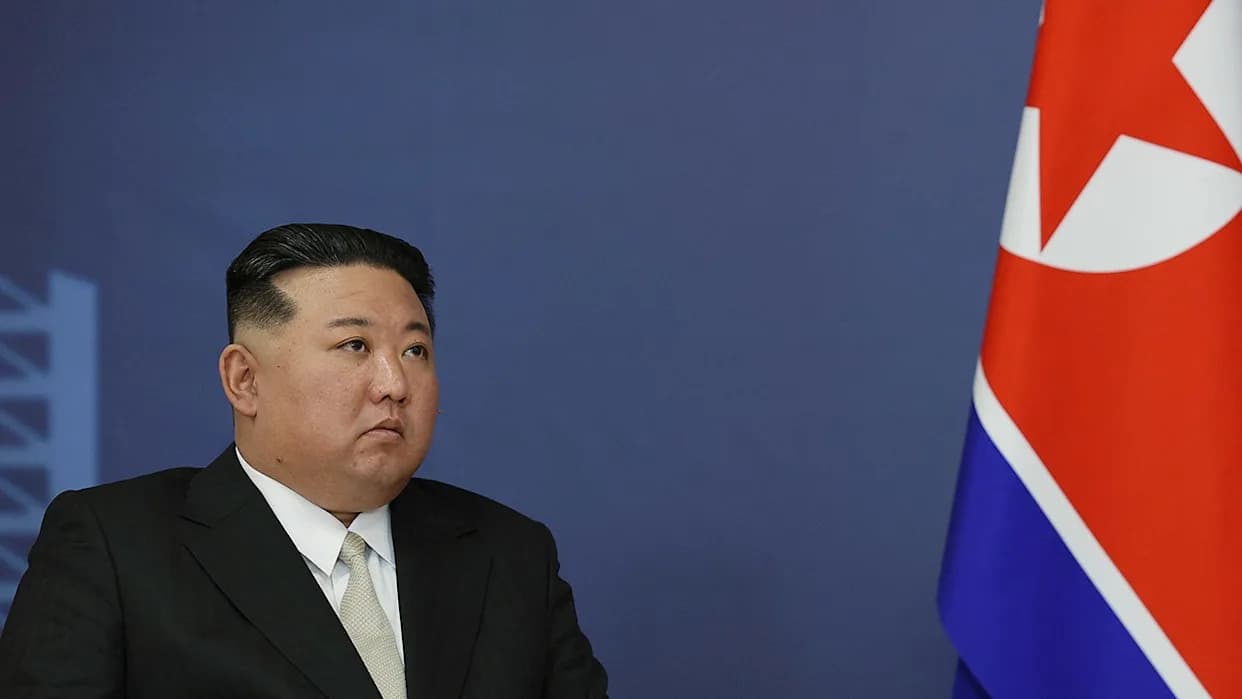
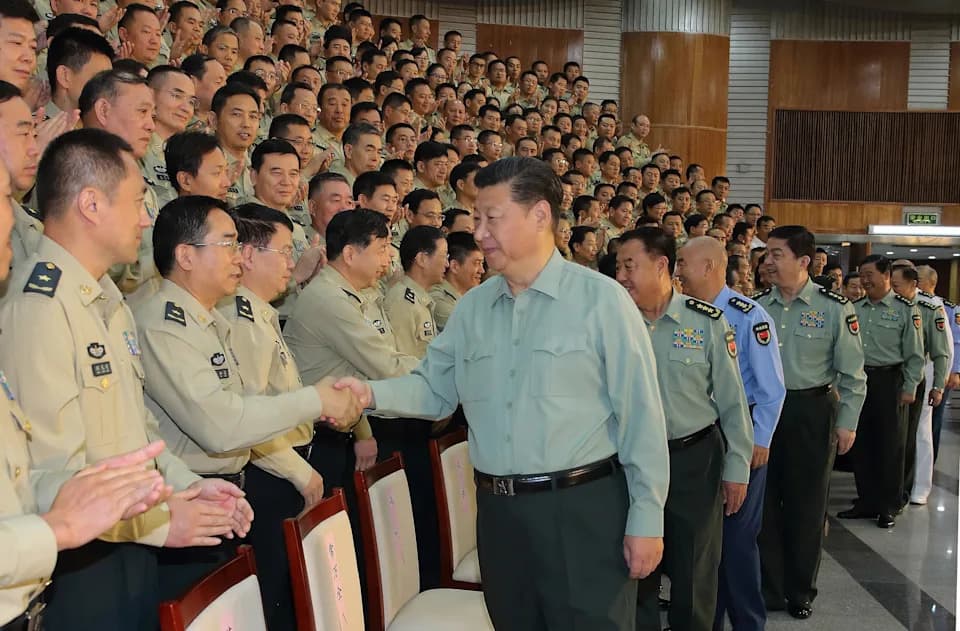
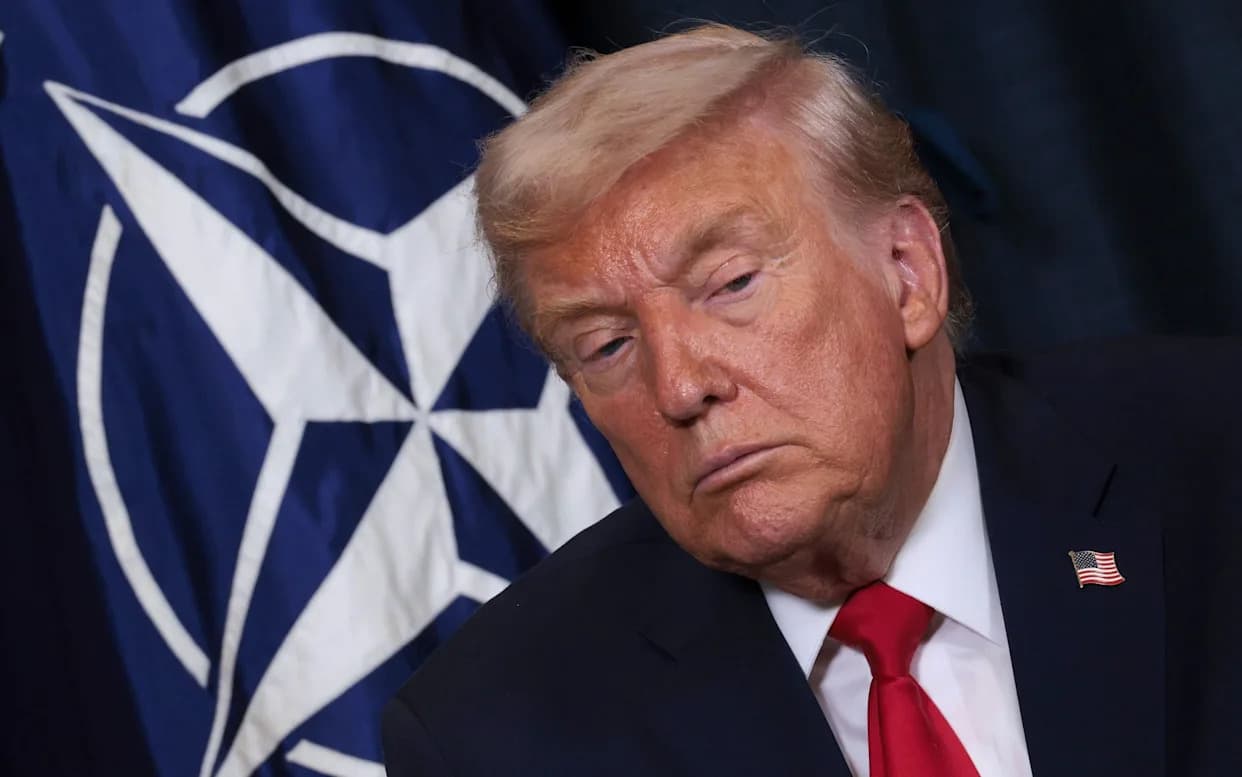
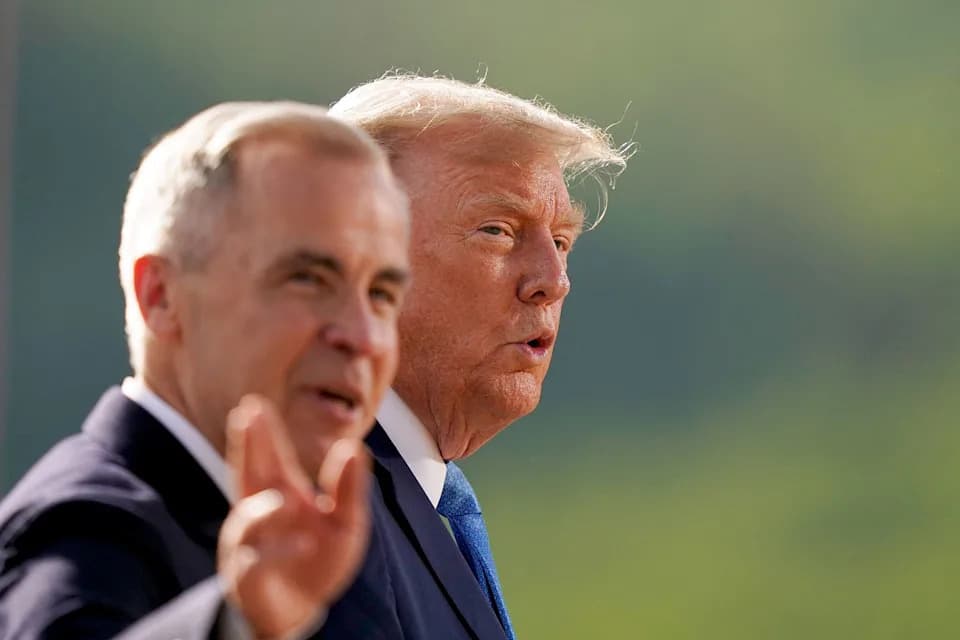
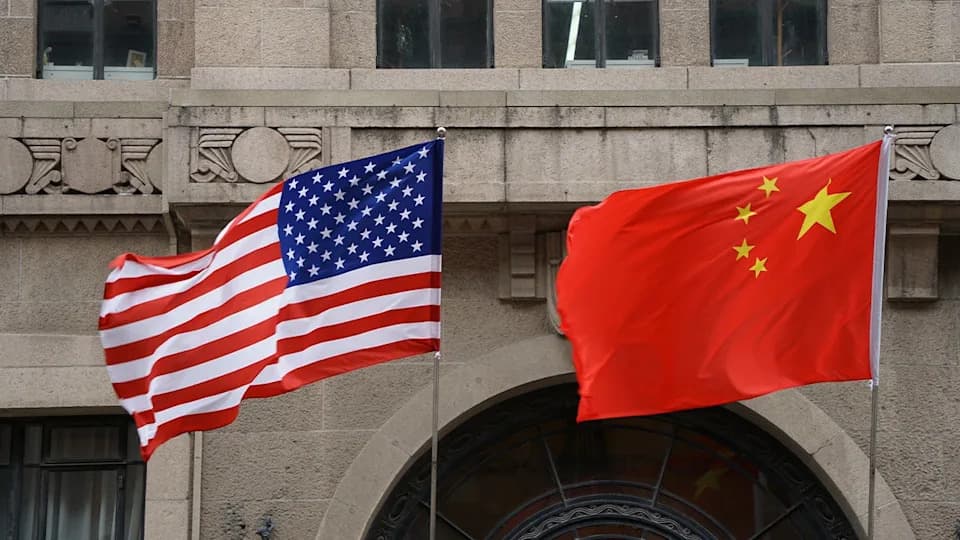
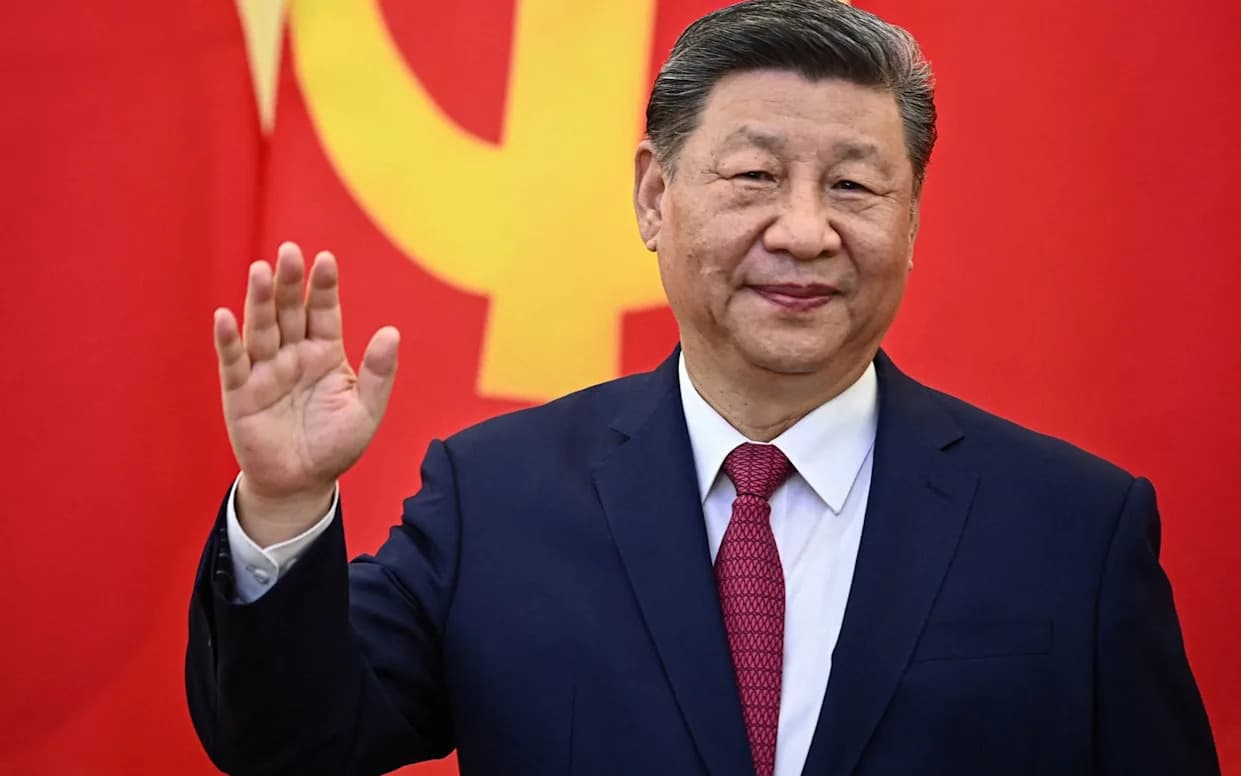
The Pentagon’s updated national security strategy downgrades China as the U.S. military’s primary threat and shifts emphasis to homeland defense and the Western Hemisphere. It calls for setting aside “grandiose strategies” and favoring diplomacy with Beijing to deter by strength rather than confrontation. The plan also signals an intent to reduce the U.S. forward military presence in Europe, East Asia and the Middle East. Some officials have dubbed the shift the informal “Donroe Doctrine,” framing it as an effort to curb China’s regional influence.
Pentagon Reorients Strategy: China Downgraded as Top Military Threat

The Pentagon’s new national security plan marks a notable shift in U.S. defense priorities, downgrading China as the principal military threat and refocusing attention on homeland defense and the Western Hemisphere.
What the Plan Says
The strategy urges abandoning what it calls “grandiose strategies” and places greater emphasis on diplomacy with Beijing. Officials say the aim is to deter China “through strength, not confrontation,” while pursuing lower-risk, politically sustainable approaches to competition.
Strategic Implications
As part of a longer-term reorientation, the plan signals a possible scaling back of forward U.S. military roles in Europe, East Asia, and the Middle East. The document frames these changes as a rebalancing of resources toward defending the homeland and strengthening partnerships across the Western Hemisphere.
Political Reaction
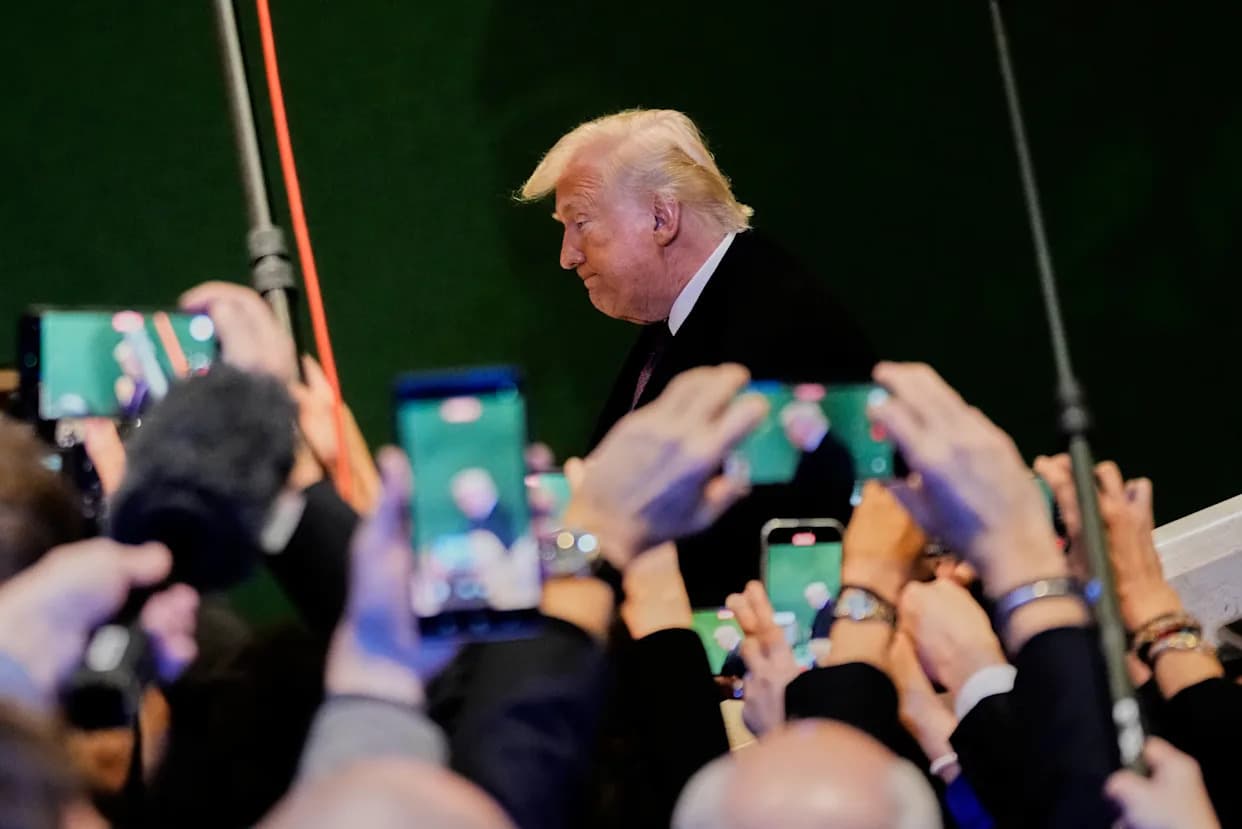
Observers and some administration insiders have given the shift mixed reviews. Supporters argue the new approach reduces overstretch and prioritizes American soil and nearby partners. Others, however, see a geopolitical message: several figures in President Donald Trump’s inner circle have coined the term “Donroe Doctrine” — a play on words referencing a Trump-era focus on the Western Hemisphere — suggesting the move is intended to blunt China’s regional influence, according to Nikkei.
“Deterrence through strength, not confrontation.”
Analysts caution that diplomacy and deterrence will require careful resource planning and sustained diplomatic engagement to ensure that reducing forward deployments does not create security vacuums or embolden rivals.
What Comes Next
Implementation will depend on budget decisions, alliance consultations, and how Beijing responds to increased diplomatic outreach combined with measured military posture adjustments. The coming months will likely reveal how this strategic pivot translates into concrete force posture and partnership changes.
Help us improve.