Southeastern Australia is suffering a historic heat wave that pushed temperatures close to 50°C (122°F), shattering records in Victoria and fueling dangerous bushfires. At least five major blazes prompted evacuations, damaged a water treatment plant and left more than 100,000 homes without power. Scientists say climate change made the event significantly more likely and hotter, while communities rallied to shelter people and wildlife amid widespread destruction.
Australia’s Hottest Towns Near 50°C as Heat Wave, Wildfires and Power Cuts Ravage Victoria
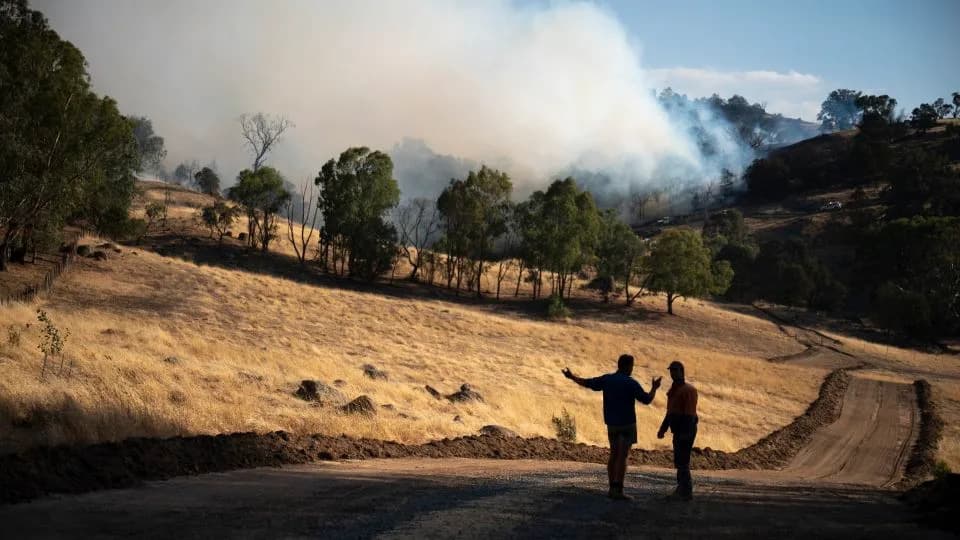
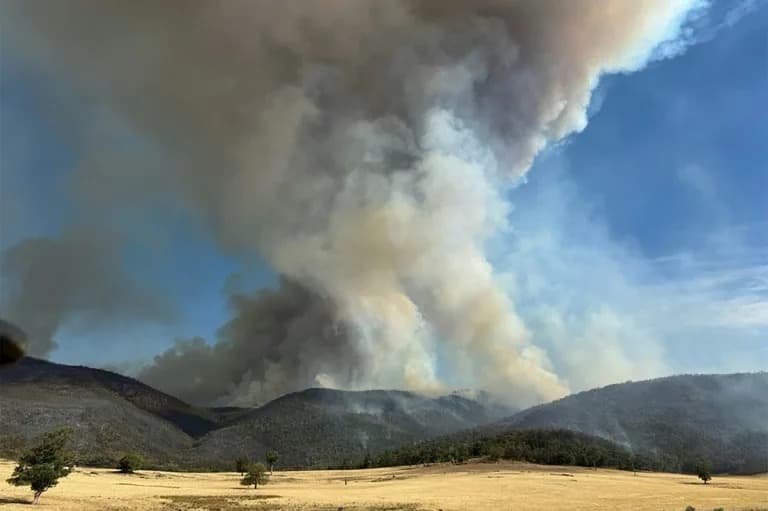
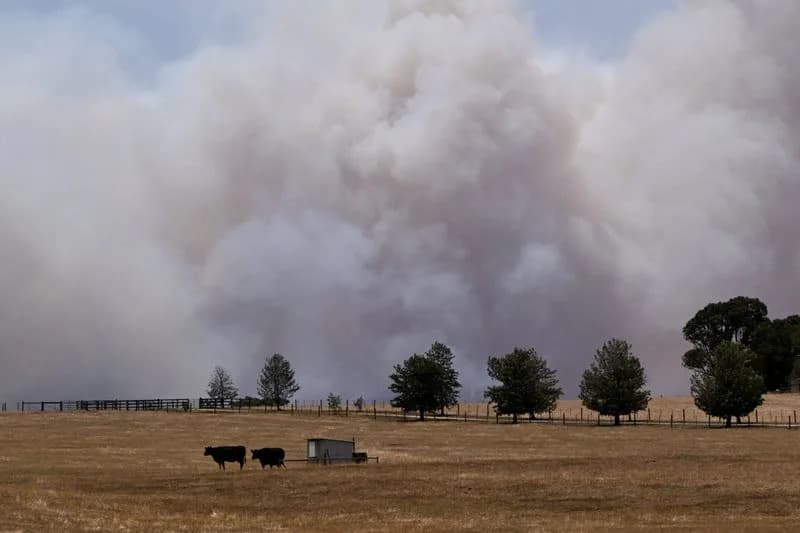
Farmers observe a fire burning close to a property near Euroa, Victoria, Austalia, on January 10, 2026. - Jay Kogler/SOPA Images/LightRocket/Getty Images
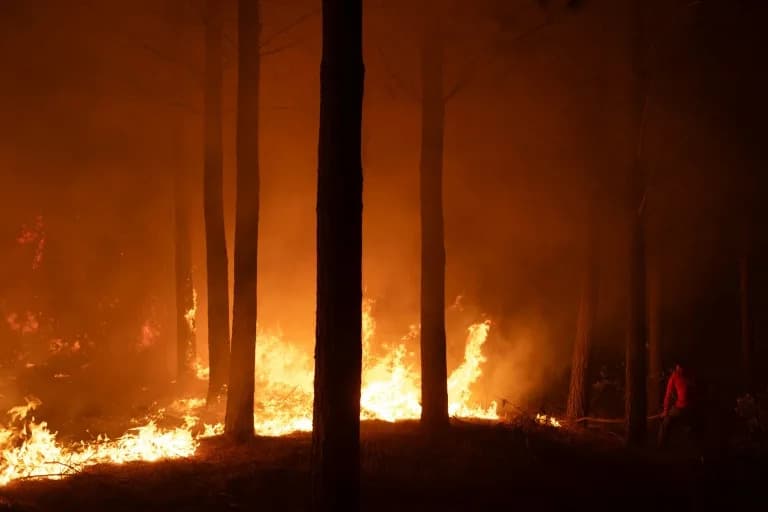
Southeastern Australia is enduring a record-breaking heat wave that pushed temperatures toward 50°C (122°F), fueling widespread bushfires, mass evacuations and major infrastructure damage across Victoria and neighboring states.
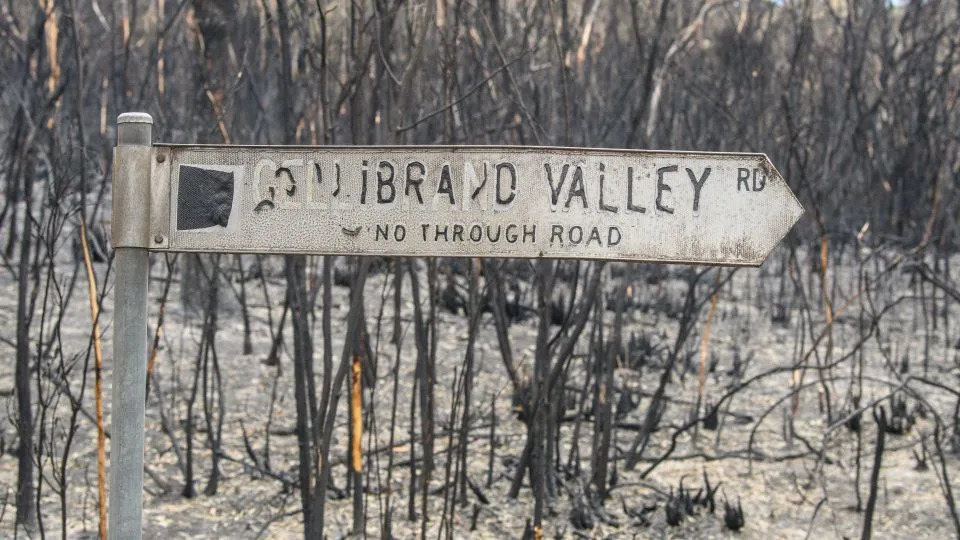
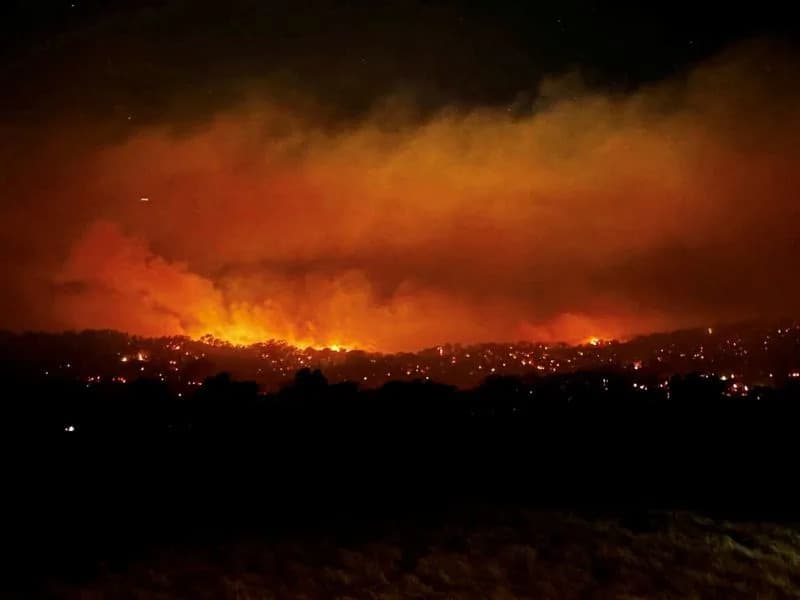
Fire tore through the town of Gellibrand in southern Victoria, January, 2026. - MichaelCurrie/EPA/Shutterstock
Heat, Fire and Community Response
On a farm near the small town of Gellibrand, about 200 kilometres southwest of Melbourne, Karlee Smith climbed onto a quad bike to guide sheep away from rapidly spreading flames. 'We actually had to ride through where the fire was burning,' she said. While her father and brother fought the blaze with a water tanker, they found a male koala collapsed and stunned after emerging from scorched bushland. The animal was fed eucalyptus, checked, and released into unburnt trees.
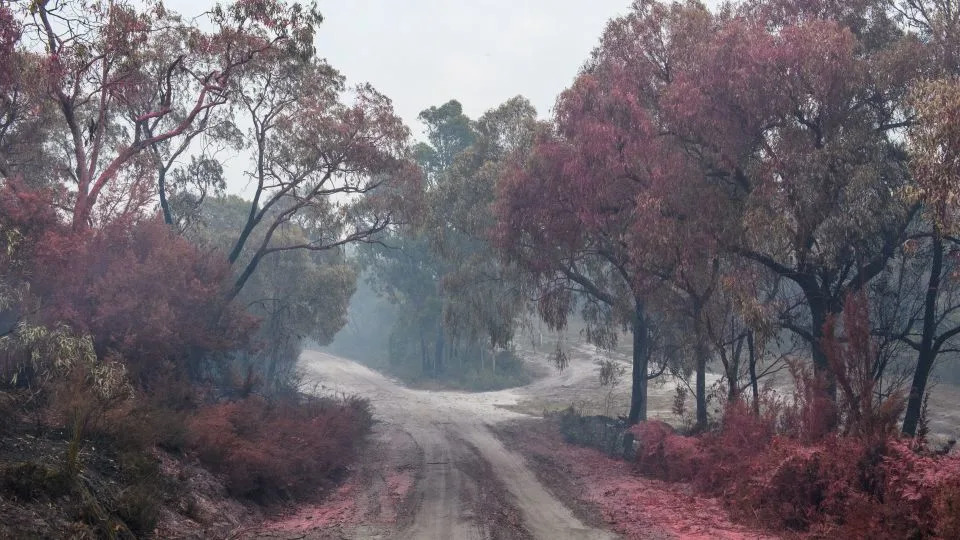
Pink fire retardant coats trees near Gellibrand on 28 January 2026. - Michael Currie/EPA/Shutterstock
Smith estimates about 90% of the farm's 2,000 acres were burned. It remains too dangerous to conduct an accurate livestock count or remove surviving animals while fire warnings are still active.
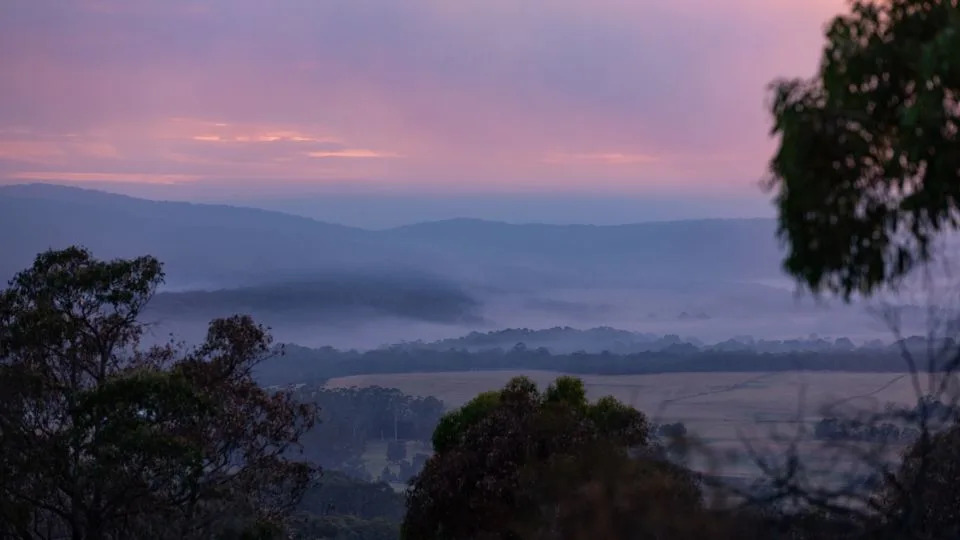
Thick smoke blankets a valley before sunrise near Carlisle River, Otways, Australia, on January 29, 2026. - Jesse Thompson/Getty Images
Records and Regional Impacts
The Australian Bureau of Meteorology described the event as the region's most severe heat wave in 16 years. Victoria recorded its hottest day on Tuesday, with Hopetoun and Walpeup reaching 48.9°C (120°F) and the state capital, Melbourne, passing 45°C (113°F). Several towns in New South Wales and South Australia also neared 50°C this week, approaching the national record of 50.7°C set in 2022.
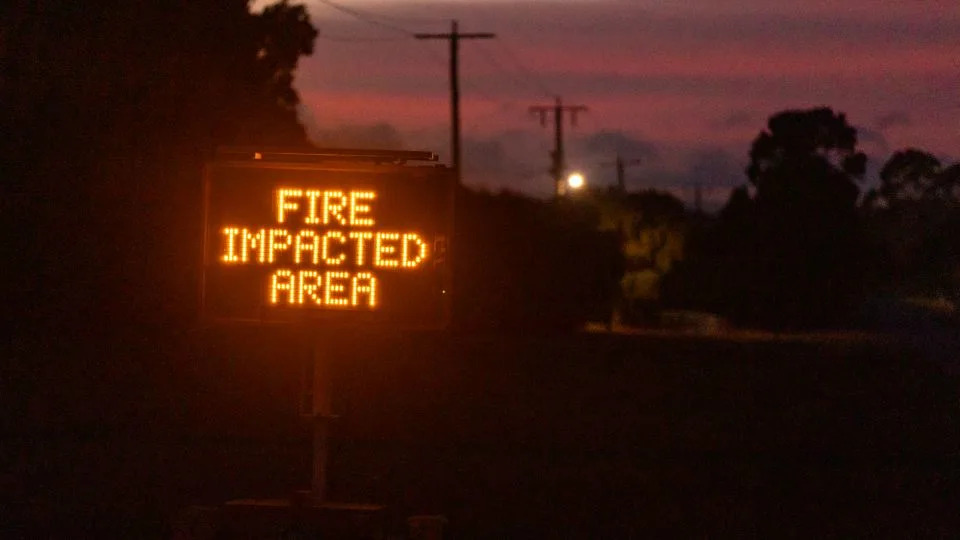
A temporary sign warns passers by of the fire danger, Otways, Australia, on January 29, 2026. - Jesse Thompson/Getty Images
Bushfires sparked and intensified under the extreme heat, prompting evacuations and a declared state of disaster in Victoria. Fire crews were fighting at least five major blazes, and many volunteer firefighters worked to protect homes across rural communities.
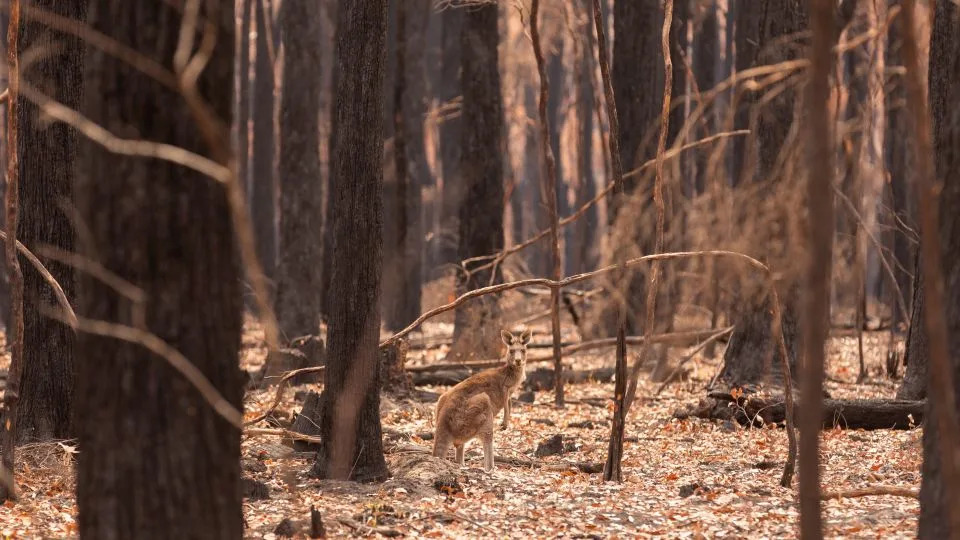
A lone kangaroo rests among charred trees near Carlisle River, Otways, Australia, on January 29, 2026. - Jesse Thompson/Getty Images
Infrastructure Strain and Public Health Risks
More than 100,000 homes lost power earlier in the week because of fire damage and a heat-stressed electricity grid, leaving many residents without air-conditioning during dangerously high temperatures. In Gellibrand, the town's water treatment plant was damaged after fire jumped containment lines, cutting access to safe drinking water.
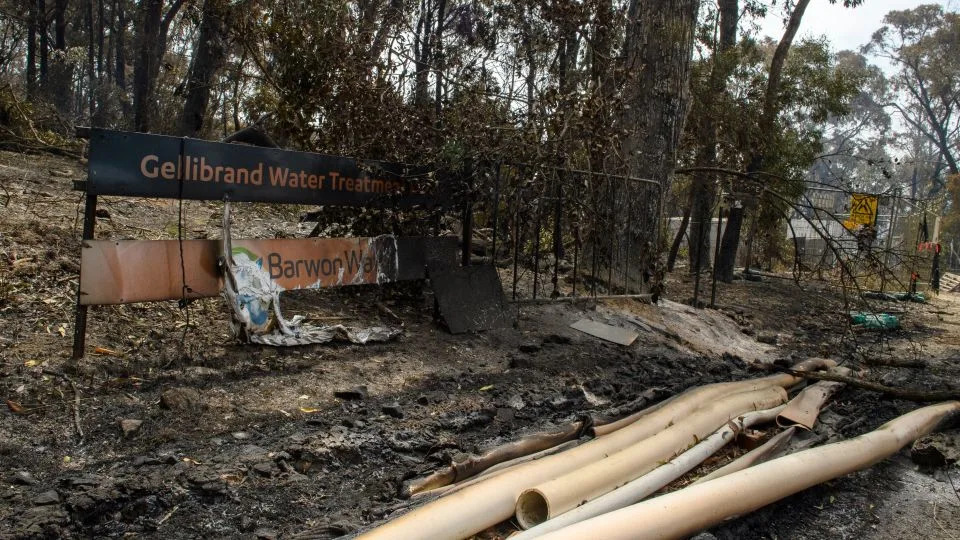
The sign at the fire-damaged Gellibrand water treatment plant in Gellibrand, Australia, on January 28, 2026. - Michael Currie/EPA/Shutterstock
Health officials warned that extreme heat is a leading cause of weather-related deaths. Michael Georgiou, executive director of regional operations at Ambulance Victoria, stressed that heatstroke is a life-threatening emergency, with warning signs including loss of consciousness, confusion and seizures. Authorities urged residents to stay hydrated and to check on elderly neighbors, young children and people with underlying health conditions.
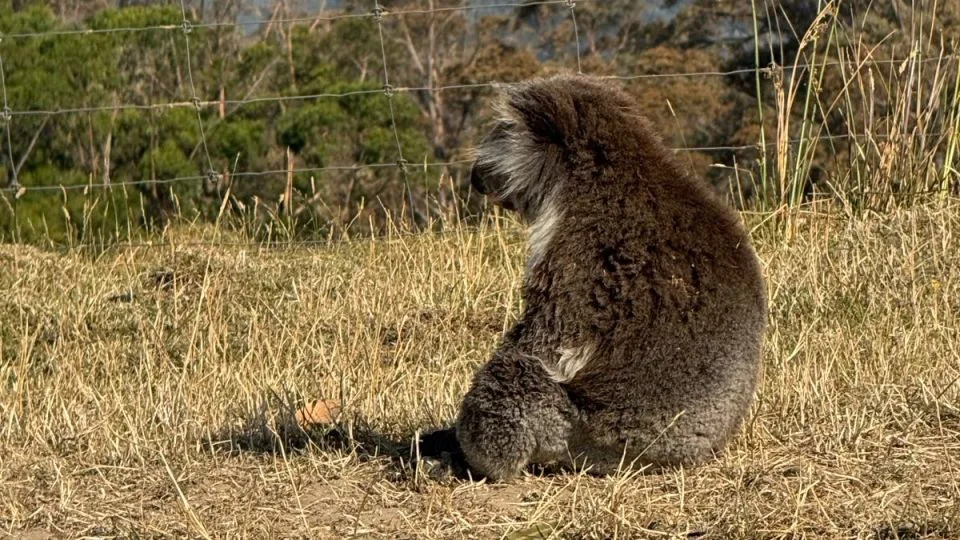
A rescued koala named Kevin in Gellibrand, Victoria. - Karlee Smith
Climate Context
Scientists and public-health experts say human-caused climate change is intensifying and prolonging heat waves. Researchers at World Weather Attribution concluded the intense early-January heat wave was made about five times more likely by human-driven climate change and was roughly 1.6°C hotter because of it. Dr Kate Charlesworth of the Australian Climate Council noted that heat has killed more Australians than all other extreme weather events combined, accounting for more than 1,000 deaths during heat waves from 2016 to 2019.

Workers transported the koala to safety on a quad bike. - Karlee Smith
Local Solidarity
Despite the danger and loss, local communities rallied to support one another. In Hopetoun, publican Steve Mccullough kept his pub open as a free cooling hub for residents worried about power bills, altered the menu to reduce strain on staff and offered shelter to anyone who needed it. 'Once you cross 40°C, it doesn't matter whether it's 42 or 49°C, it's just damn hot,' he said. Many residents described neighbor-to-neighbor check-ins and mutual aid as critical during the crisis.
As firefighters continue to battle blazes and authorities assess damage, emergency warnings remain in place and recovery efforts are only just beginning for many affected communities.
Help us improve.