Summary: The 2026 National Defense Strategy marks a more assertive, homeland‑first shift from the 2022 plan. It guarantees U.S. access to strategic points in the Western Hemisphere, urges NATO and regional partners to assume greater conventional defense responsibilities, and prioritizes maintaining a favorable military balance in the Indo‑Pacific to deter Chinese dominance. Across theaters, the strategy emphasizes more limited but focused U.S. support while pressing allies to increase their defense roles.
How the 2026 U.S. National Defense Strategy Shifts Priorities From 2022

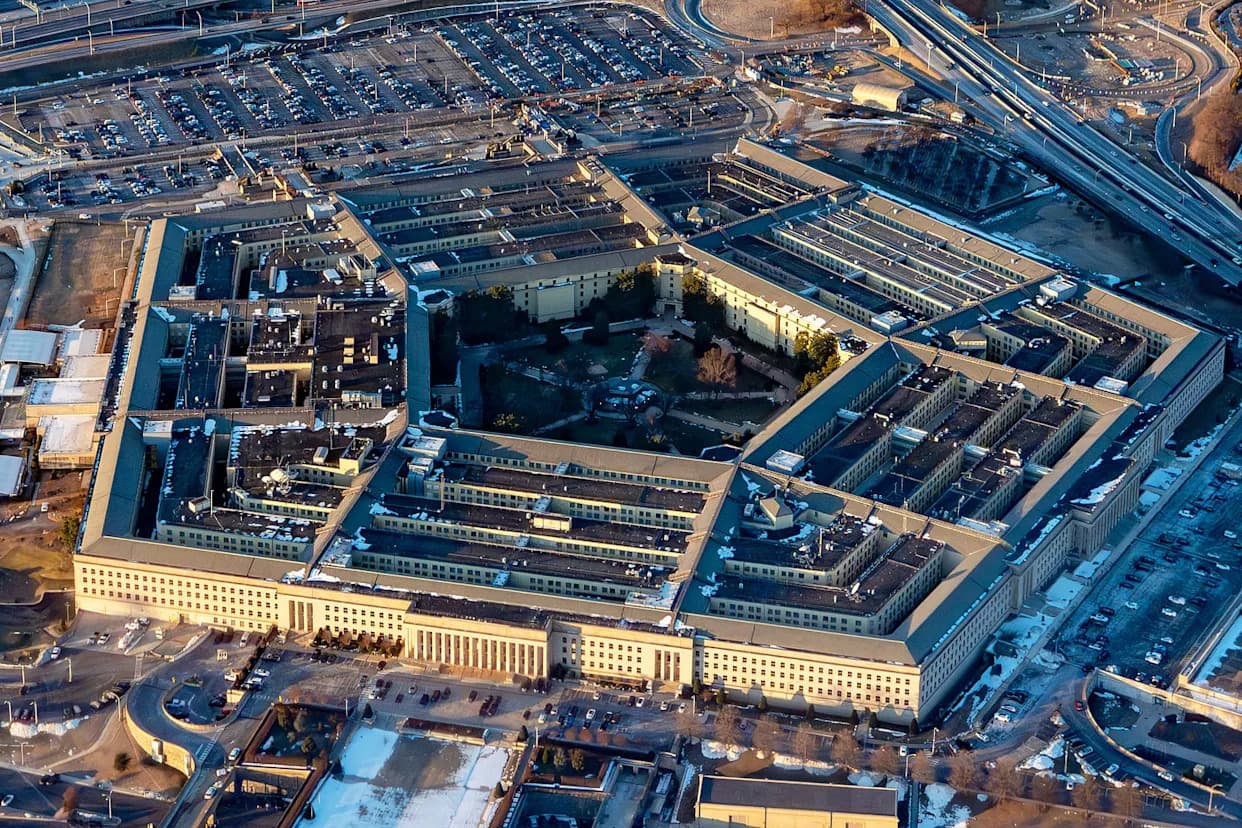
Defense Secretary Pete Hegseth welcomes Japanese Defense Minister Shinjiro Koizumi to the Pentagon, Thursday, Jan. 15, 2026 in Washington. (AP Photo/Kevin Wolf/)(ASSOCIATED PRESS)
The Trump administration released a new U.S. National Defense Strategy in 2026, the first update since 2022. The document departs in tone and emphasis from the prior strategy produced under President Joe Biden, emphasizing a more assertive, homeland‑first posture and greater burden‑sharing with allies and partners. Below is a region‑by‑region comparison of how the two Pentagon strategies address long‑standing U.S. security concerns.
The Western Hemisphere
2022
The 2022 strategy framed the Western Hemisphere as a strategic advantage for the United States, arguing that a stable, peaceful, and democratic neighborhood reduces threats to the homeland. It promised partnership with regional governments to build capacity, promote security and stability, and to work collaboratively to understand partners’ needs and mutual concerns.
2026
The 2026 text adopts a markedly more assertive tone. It pledges to “actively and fearlessly defend America’s interests throughout the Western Hemisphere,” explicitly guaranteeing U.S. military and commercial access to key terrain — naming the Panama Canal, the "Gulf of America" (as the strategy phrases it), and Greenland — and promising credible military options against narco‑terrorists. It also signals tougher expectations of neighbors: the U.S. will engage in good faith but expects partners to "do their part," and says it will be prepared to take focused, decisive action where they do not.
Russia and European Security
2022
The 2022 strategy reaffirmed a bedrock commitment to NATO collective defense. It emphasized deterring and defending against further Russian military aggression and gray‑zone coercion, contributing to NATO capabilities and readiness, adjusting U.S. posture in Europe, and sustaining extended nuclear deterrence while working through NATO structures to modernize allied capabilities to meet the Russian threat.
2026
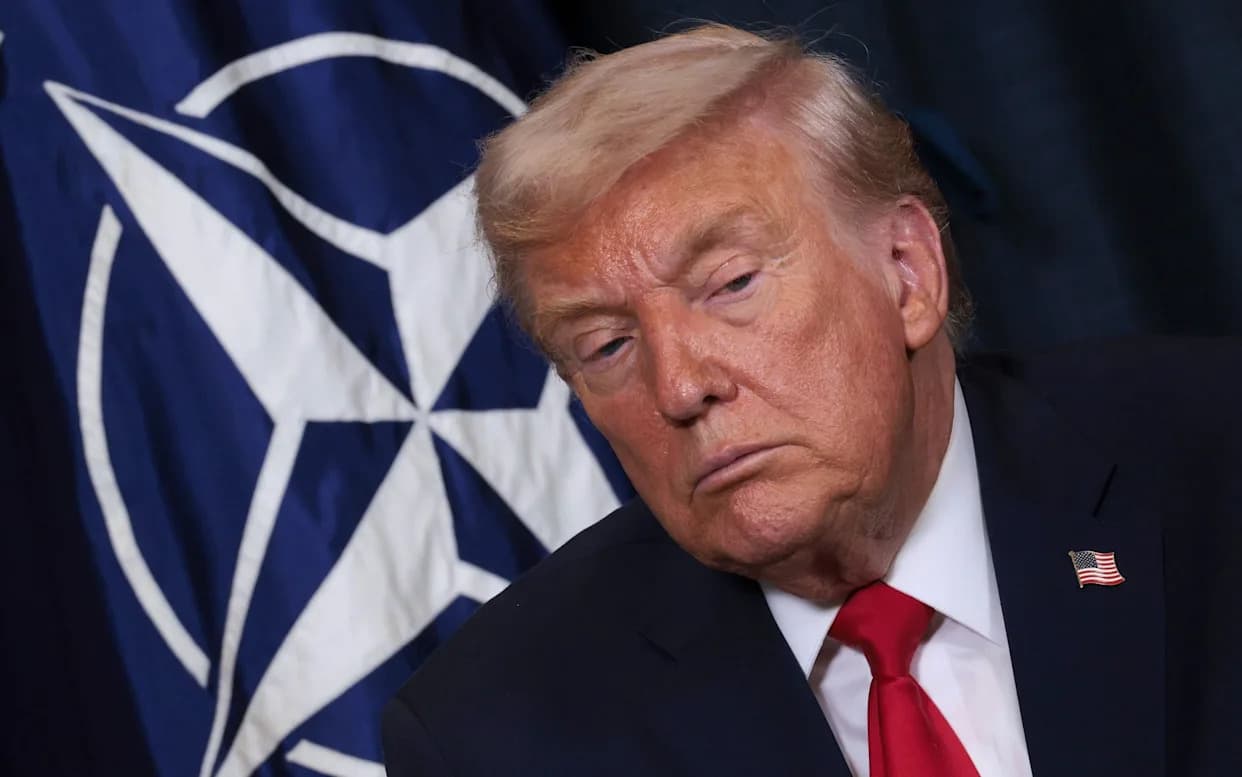
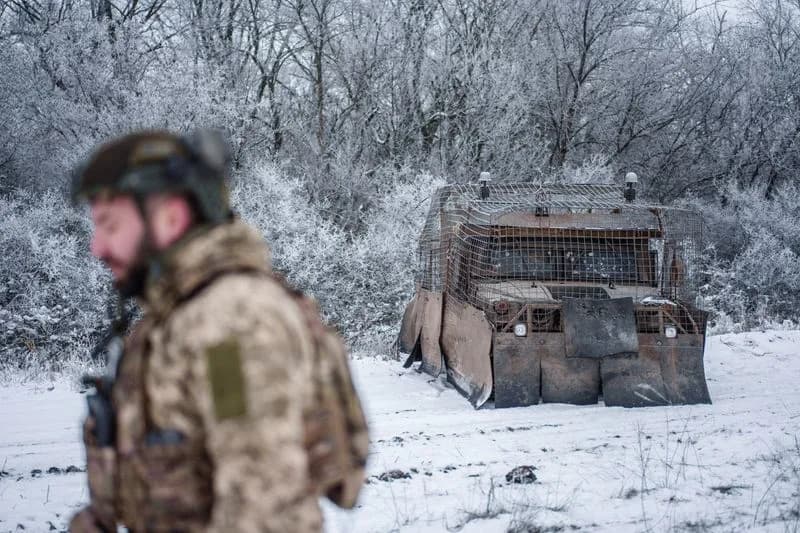
The 2026 strategy downplays Russia as an existential threat to the Alliance relative to other challenges, calling it "a persistent but manageable threat" to NATO’s eastern members. The document stresses that European NATO collectively outmatches Russia in economic and latent military power and highlights Europe’s shrinking share of global economic weight. Under this approach, the U.S. says it will remain engaged in Europe but will shift higher priorities to homeland defense and deterring China. The strategy points to allies’ commitments to substantially raise defense spending to a new global standard — described in the text as 5% of GDP in total, with 3.5% allocated to hard military capabilities — enabling European partners to assume primary responsibility for conventional defense while the U.S. provides critical but more limited support, including in backing Ukraine.
China and the Indo‑Pacific
2022
The 2022 NDS identified the People’s Republic of China (PRC) as the pacing challenge, calling Beijing’s coercive efforts to reshape the Indo‑Pacific and the international order the most comprehensive and serious challenge to U.S. security. It described PRC coercion toward Taiwan and other regional behavior as destabilizing and committed support for Taiwan’s asymmetric self‑defense consistent with U.S. policy.
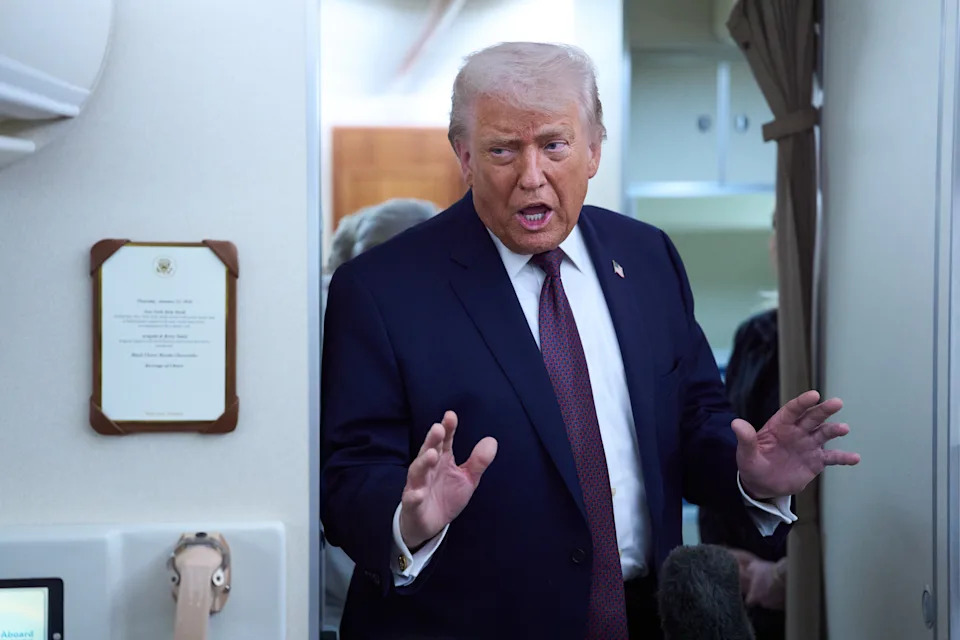
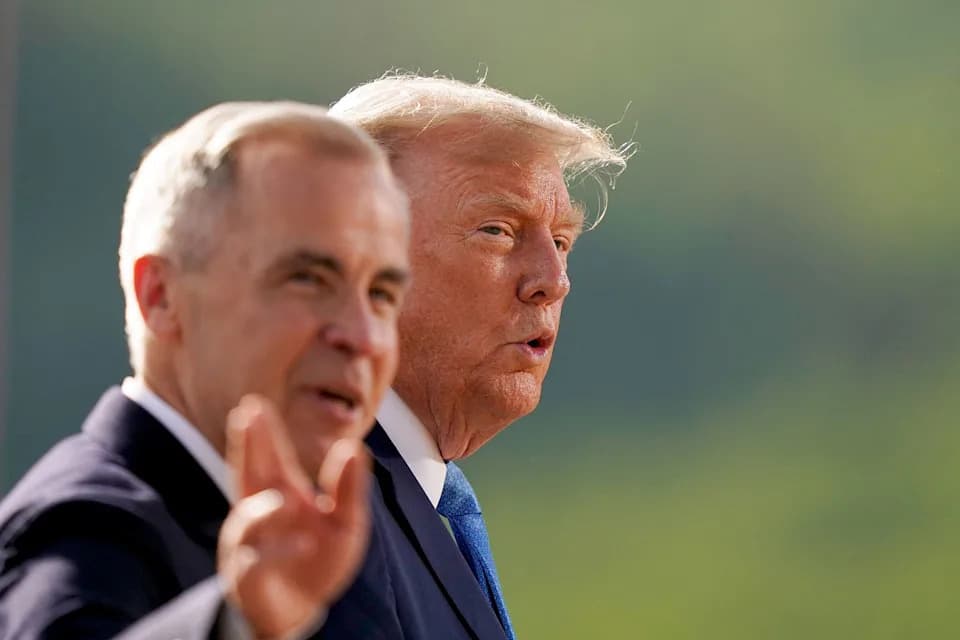
President Donald Trump speaks with reporters aboard Air Force One after leaving the World Economic Forum in Davos for Washington, Thursday, Jan. 22, 2026. (AP Photo/Evan Vucci)(ASSOCIATED PRESS)
2026
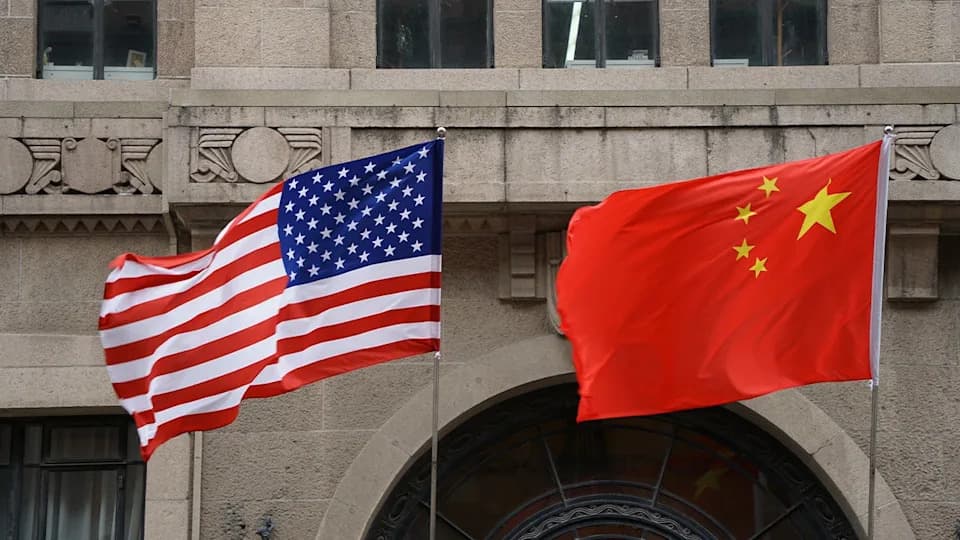
The 2026 strategy frames the Indo‑Pacific in terms of access and economic power: if China (or any state) were to dominate the region, it could effectively veto U.S. access to a critical global economic center of gravity, with long‑term consequences for U.S. economic prospects. The document — which at times refers to the department as the "Department of War (DoW)" — directs maintenance of a favorable balance of military power in the Indo‑Pacific. It emphasizes this goal as limited and defensive in scope: to prevent domination and ensure a stable peace acceptable to both the United States and China, not to pursue regime change.
North Korea
2022
The 2022 strategy described deterrence through forward posture, integrated air and missile defenses, close coordination and interoperability with the Republic of Korea, nuclear deterrence, resilience measures, and the potential for globally deployable joint forces to impose costs.
2026
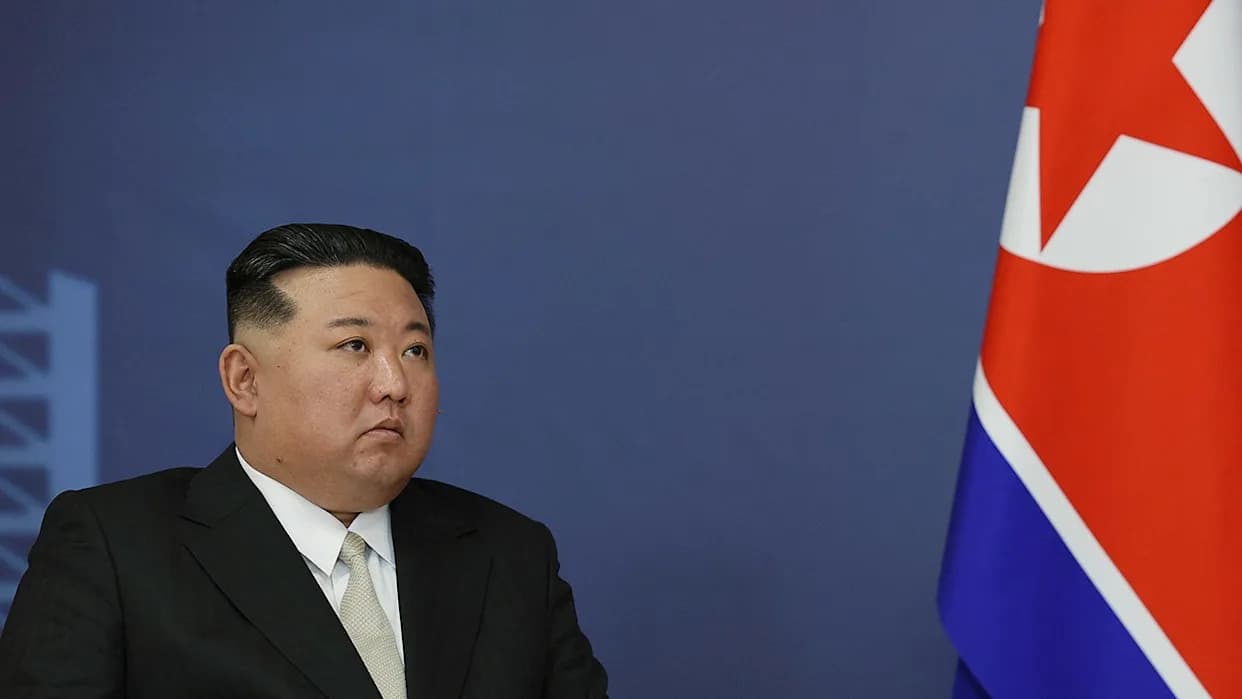
The 2026 text asserts that South Korea — with its robust military, high defense spending, advanced defense industry, and conscription system — can take primary responsibility for deterring North Korea, with the United States providing critical but more limited support. The strategy highlights Seoul’s capability and political will to assume this lead given the direct nature of the threat.
Middle East
2022
The 2022 strategy emphasized "right‑sizing" U.S. forward presence in the Middle East after the Afghanistan transition and continuing a "by, with, and through" approach in Iraq and Syria. It prioritized cooperation to strengthen partners’ abilities to deter and defend against threats from Iran, including integrated air and missile defense, maritime security, irregular warfare capabilities, and regional security coalitions.
2026
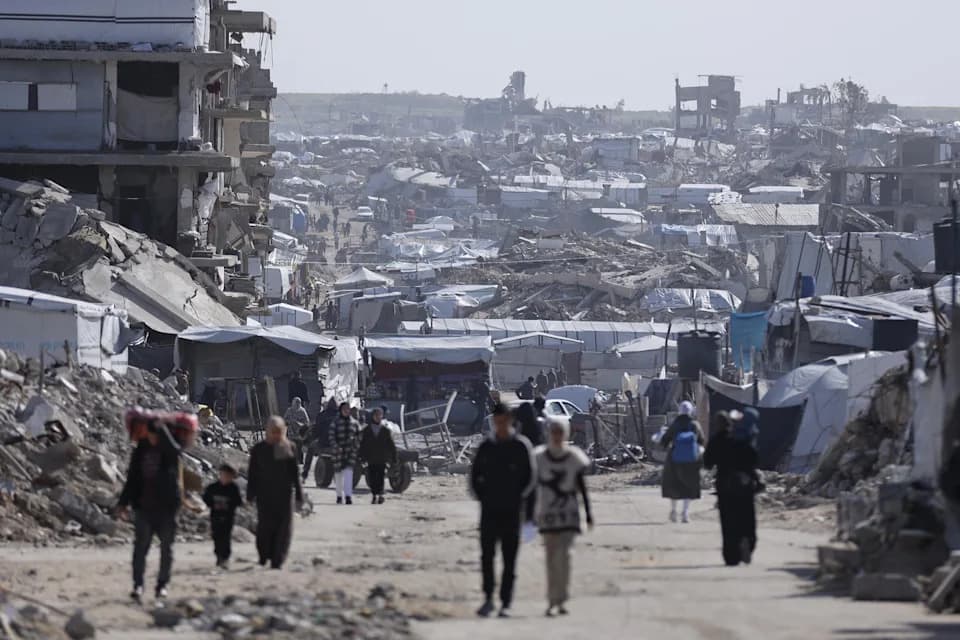
The 2026 document shifts more responsibility to regional allies. It says the U.S. will empower partners to take the lead in deterring Iran and its proxies, strongly back Israel’s self‑defense, deepen cooperation with Arabian Gulf states, and enable greater integration among Israel and Gulf partners — citing the Abraham Accords as a foundation — while retaining the ability to take focused, decisive action to protect U.S. interests.
What This Shift Means
Overall, the 2026 strategy signals a clearer homeland‑first posture, greater emphasis on allied burden‑sharing, and prioritization of the Indo‑Pacific balance of power vis‑à‑vis China. It favors more limited but focused U.S. interventions while calling on partners in Europe, the Middle East, East Asia, and the Western Hemisphere to assume larger security roles. The rhetoric and several specific commitments — such as the cited NATO spending targets and explicit territorial access guarantees in the Western Hemisphere — underscore both a reorientation of U.S. priorities and a test of allied willingness to shoulder more of the conventional defense burden.
Help us improve.