Volunteers in Minneapolis call themselves “commuters” when they follow ICE and Border Patrol vehicles, film encounters and warn neighbors in immigrant neighborhoods. Participants like lawyer Will Stancil patrol daily to document alleged abuses and attract media attention. The work can be routine but sometimes escalates to arrests, pepper‑spray, smashed windows and harassment. Despite the risks, volunteers compare their vigilance to that of first responders and continue to monitor federal activity.
‘Commuters’ Tail ICE Vehicles In Minneapolis, Monitoring Raids And Alerting Neighbors

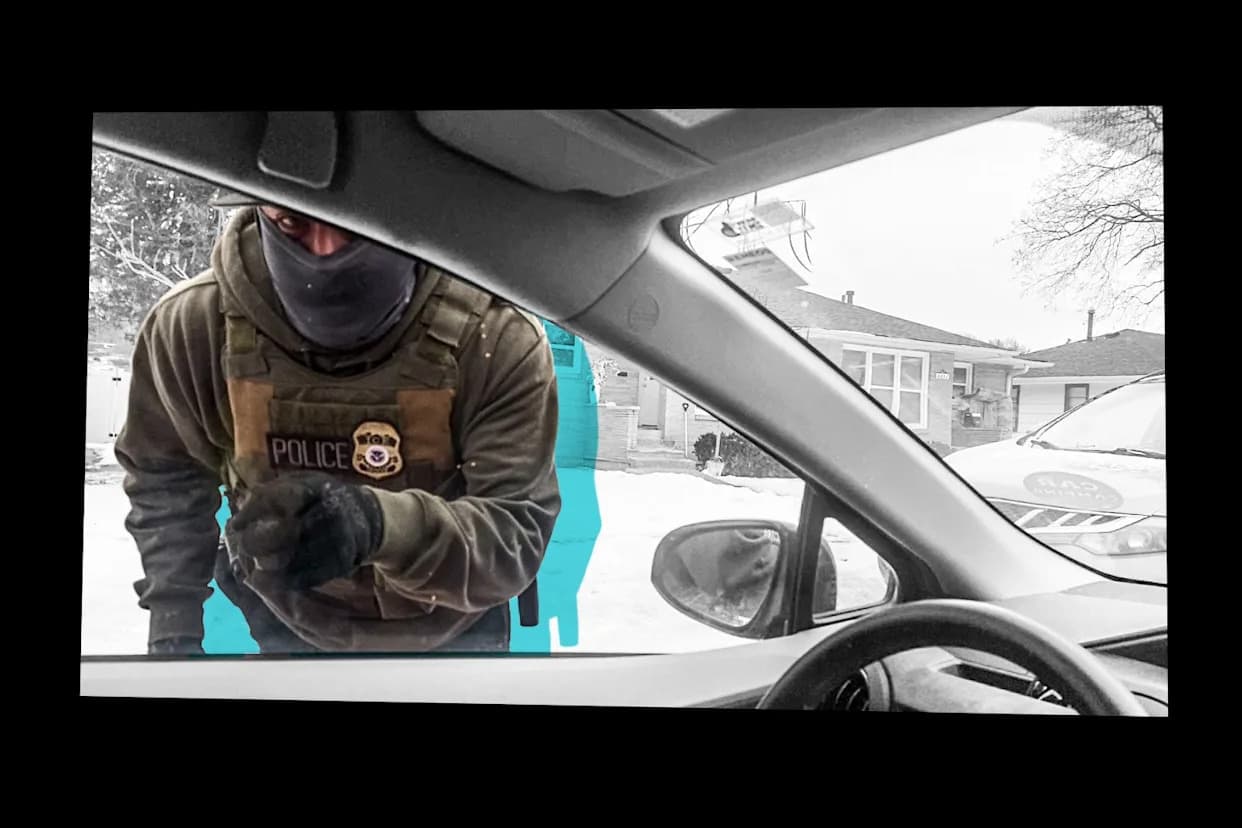
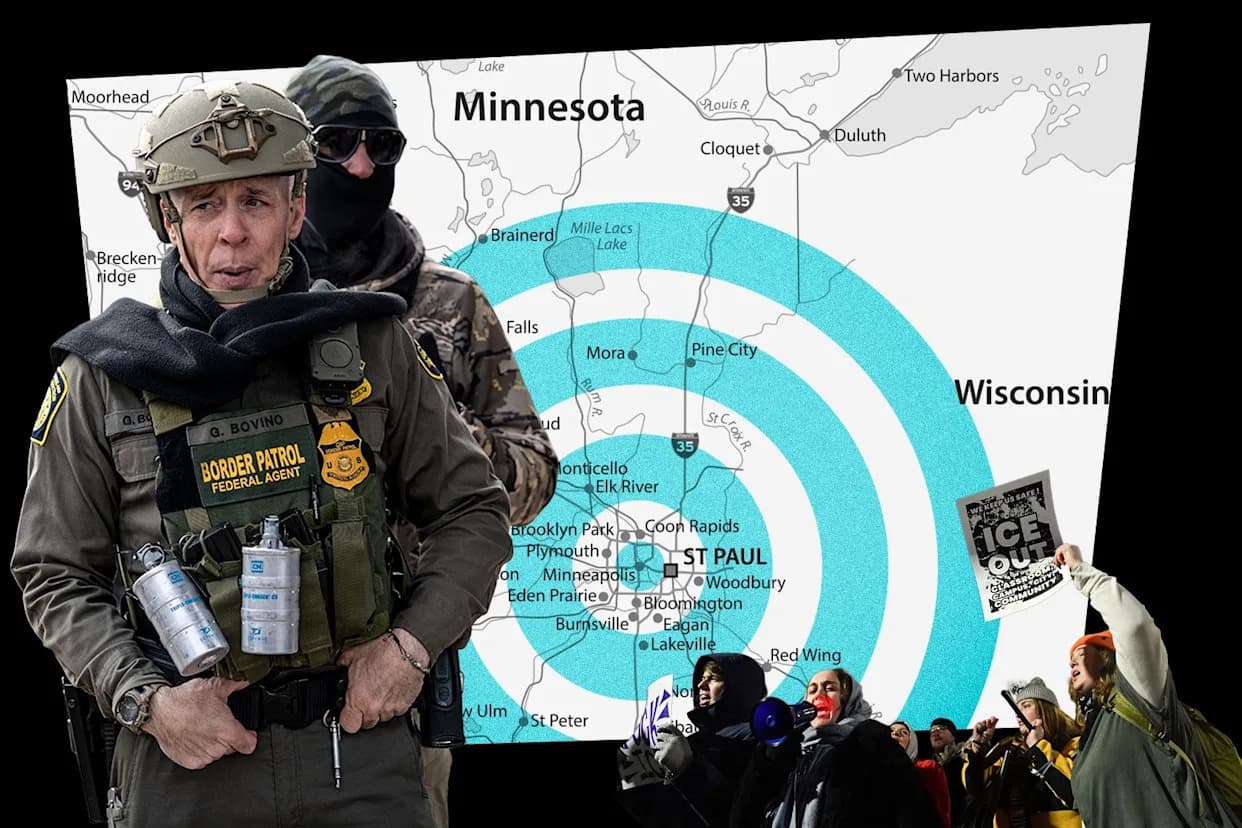
Illustration by Alberto Mier/CNN
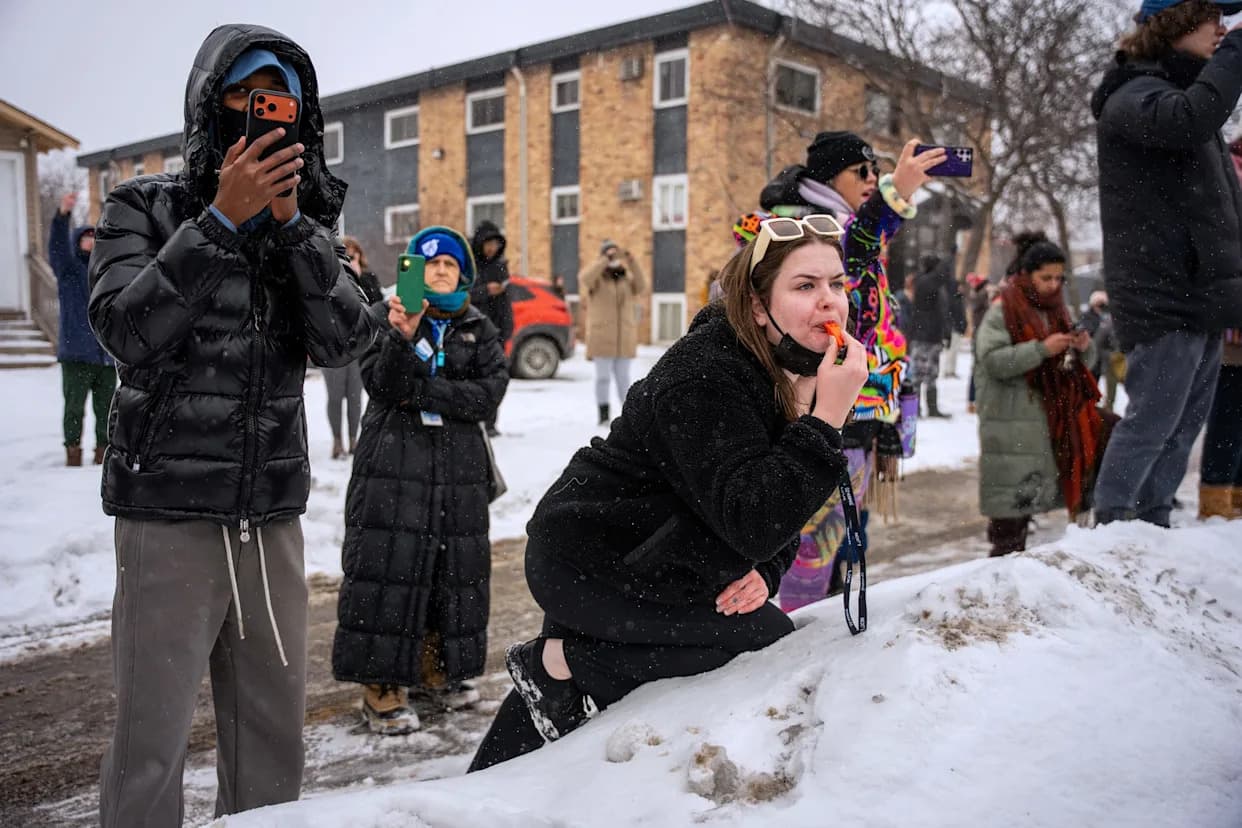
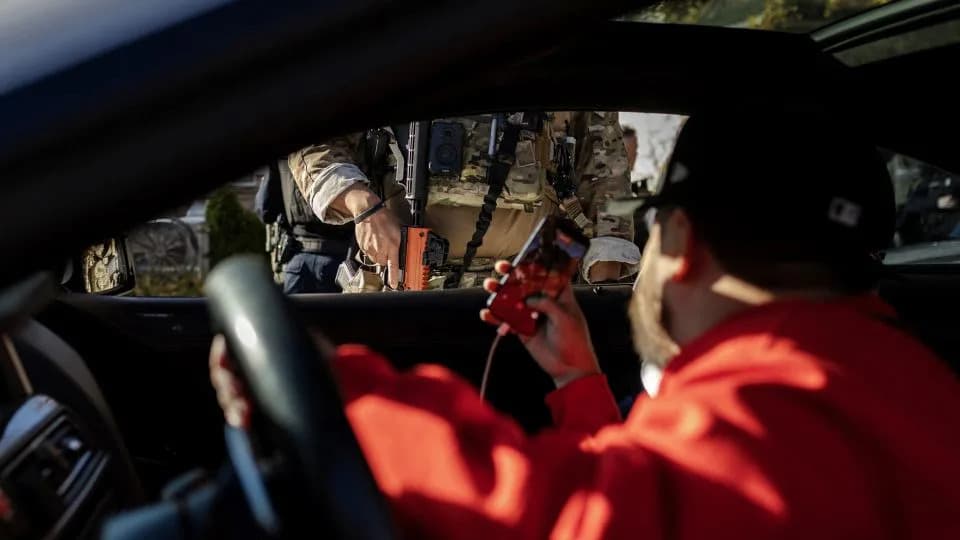
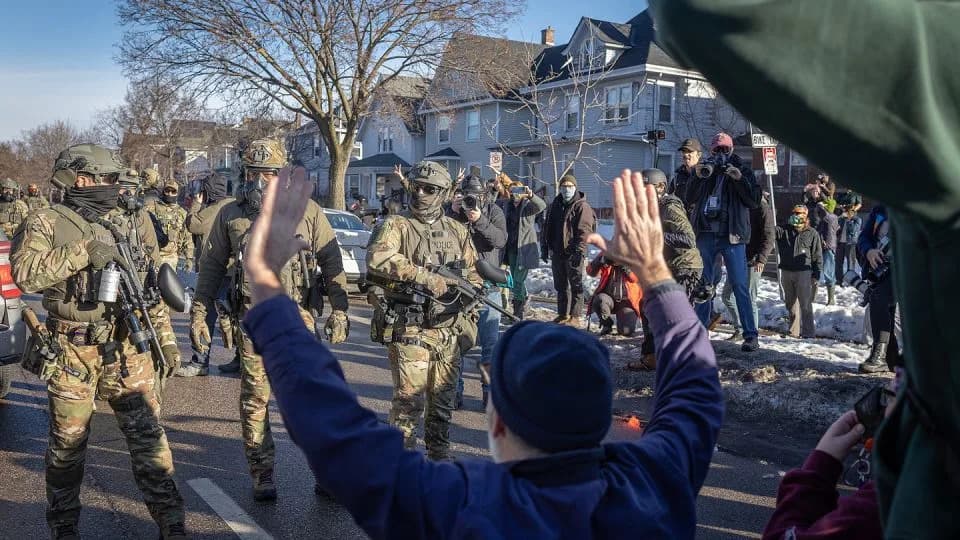
Since the killing of Renee Good by an ICE agent, volunteers in Minneapolis have adopted a new role: they get into their cars, tune into local dispatch channels and drive neighborhood routes looking for federal immigration agents. When they spot out-of-state plates, darkened windows or other signs of ICE or Border Patrol activity, they follow — filming, sounding whistles and warning residents.
Locally these volunteers call themselves “commuters.” The term denotes a distinct kind of observer: people who actively trail federal vehicles, document arrests or confrontations on their phones, record the names of people taken into custody and alert neighbors to potential raids.
How Commuting Works
Some volunteers, like lawyer and activist Will Stancil, have made the practice a daily routine. Stancil says his drives have helped draw international media attention to the frequency of federal operations in the Twin Cities. Patty O’Keefe and others emphasize the mobility implied by “commuter”: they are observing, but they are also moving and covering ground.
It’s unclear who first coined the label. O’Keefe says she first encountered the term in neighborhood group chats; Stancil suspects it may have traveled from Chicago organizing networks. Regardless of its origin, the role has clear, recurring functions: alerting neighbors, documenting agents’ conduct, logging vehicles and detainees, and broadcasting footage that can serve as evidence and raise public awareness.
Risks And Encounters
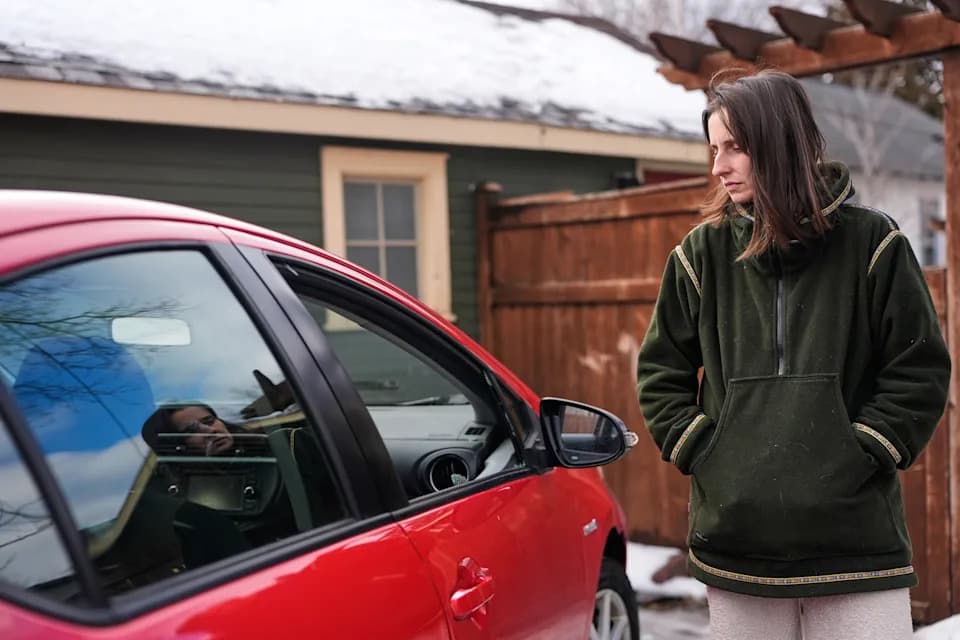
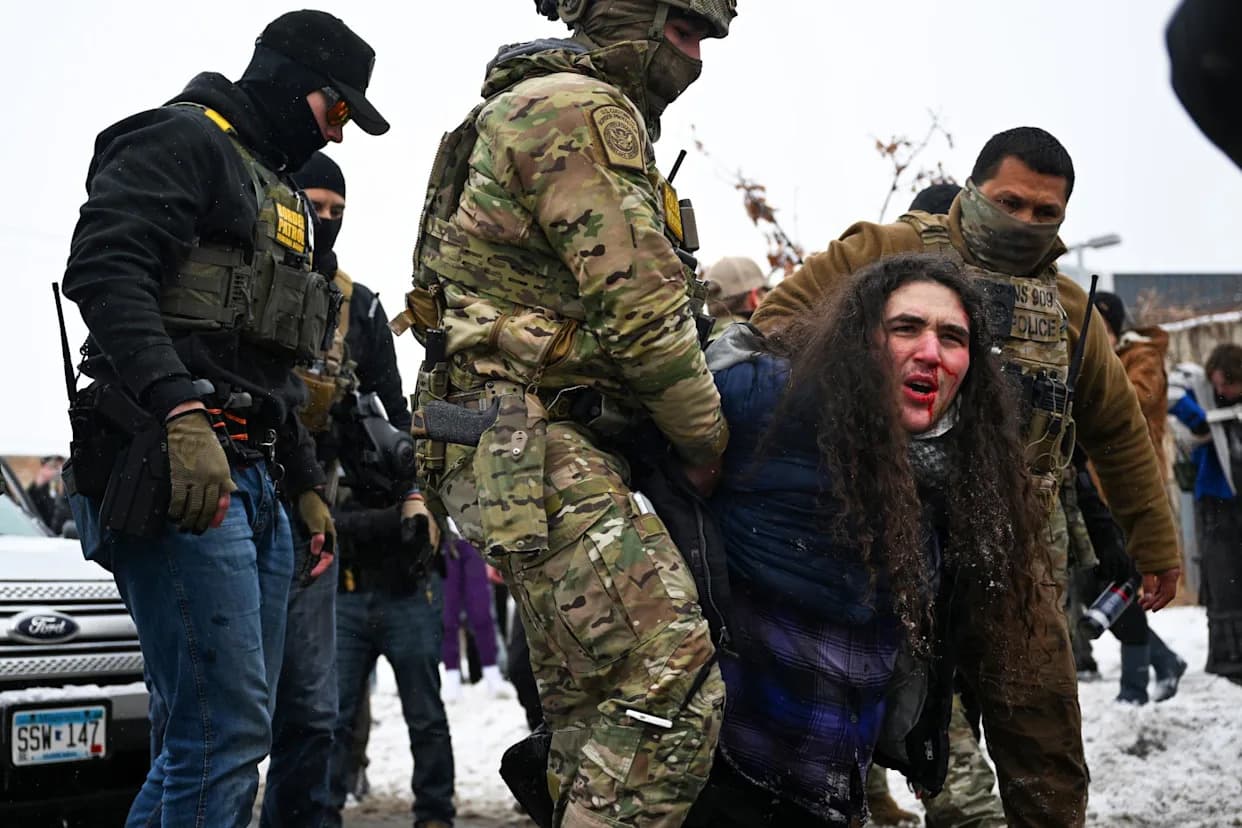
“Commuting” can be routine and uneventful — like a second job — but it can also be tense and dangerous. Stancil says he has witnessed at least four people taken into custody while monitoring, and reports that a convoy of ICE vehicles once followed him back toward his house. On January 11, O’Keefe says she and a friend followed reports of ICE activity near her home; when two agents stopped on a side street, the volunteers say they blew whistles and honked. O’Keefe alleges an agent pepper-sprayed her windshield, smashed her windows and arrested both women; she was detained for eight hours.
“I am more afraid now because of that experience, but I also know that the point of that experience was to intimidate us,” O’Keefe says. “It didn’t stop me.”
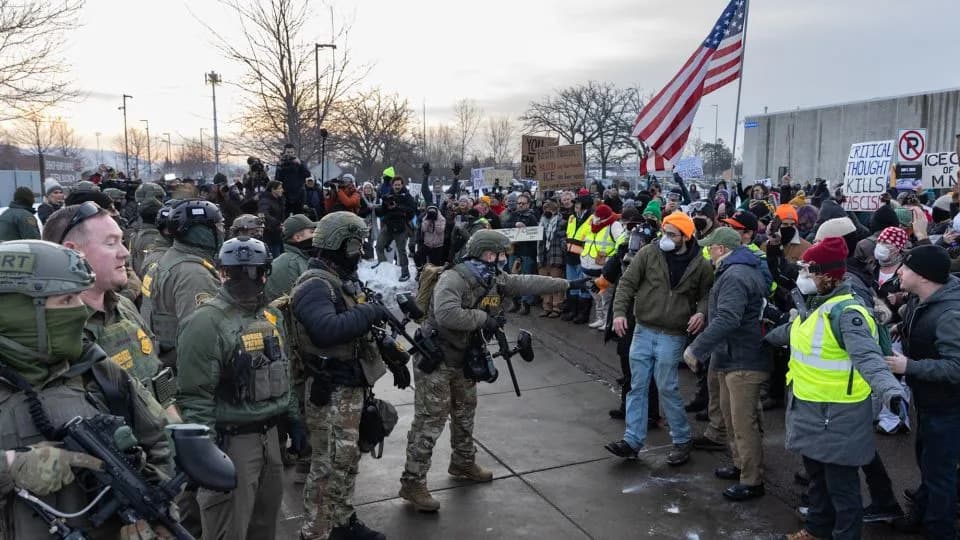
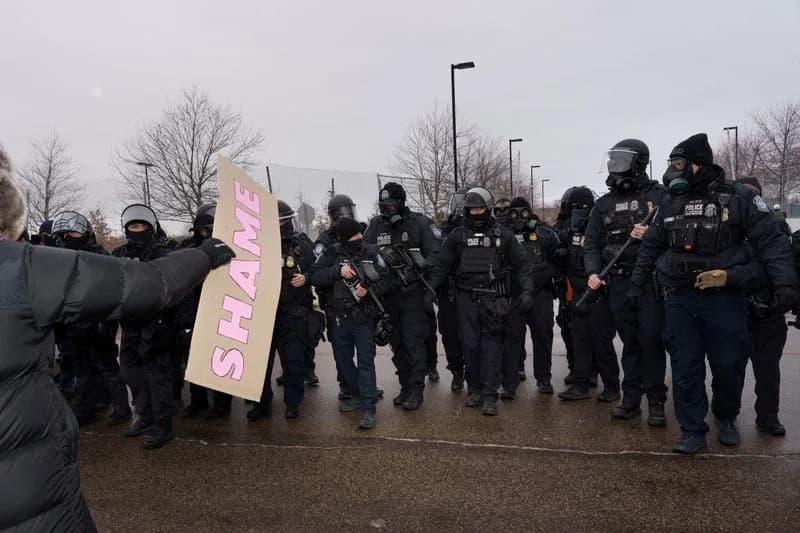
Volunteers describe a determination akin to first responders: many keep watch regardless of the risks, motivated by a sense of duty to protect immigrant neighbors and to document alleged abuses. Stancil notes that footage from observers is often the only way the public learns about repeated incidents of force — from beatings and tear gas to smashed windows.
The Term’s Tone
For some, calling the practice “commuting” offers a small psychological buffer. The mundane word — with echoes of routine work travel — helps volunteers normalize a dangerous activity and share a knowing “wink and nod” with others doing the same.
As local volunteers continue to patrol, their footage and reports remain central to public scrutiny of federal immigration enforcement in Minneapolis.
Help us improve.