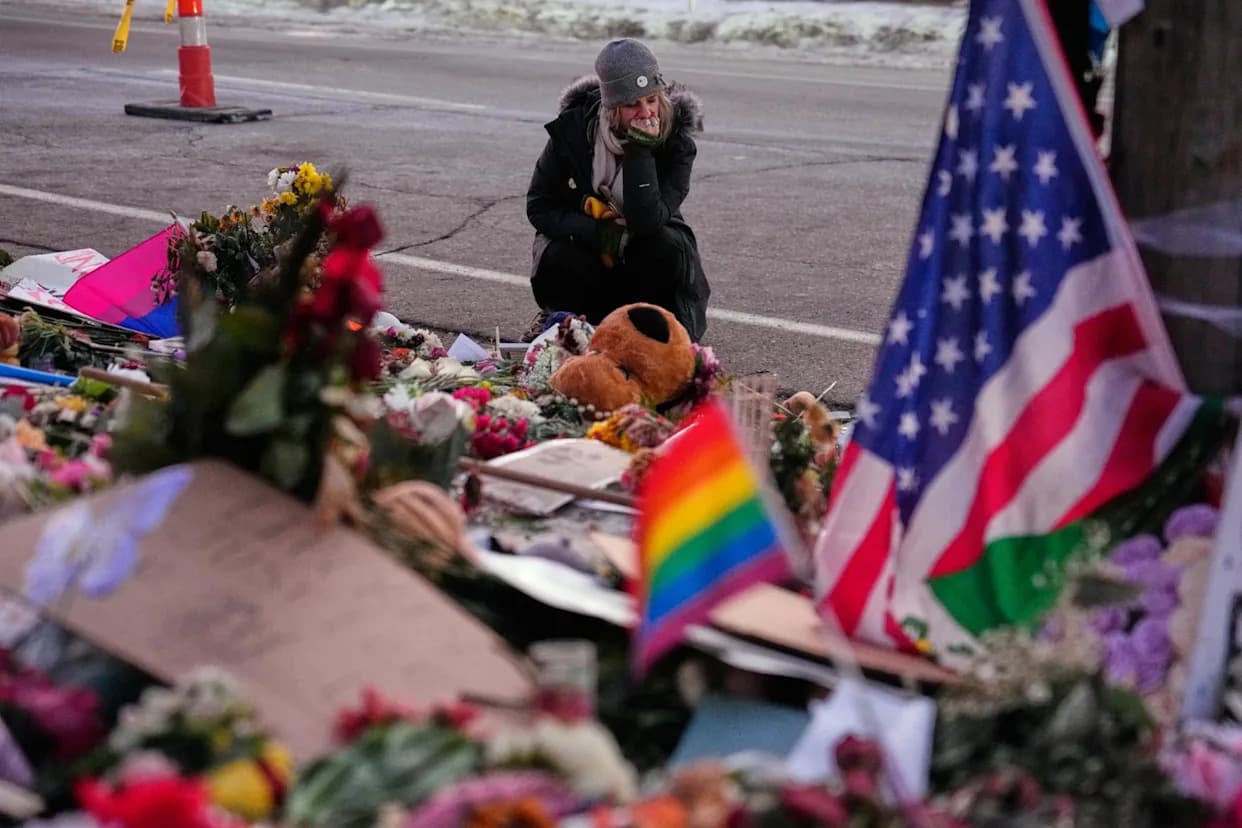
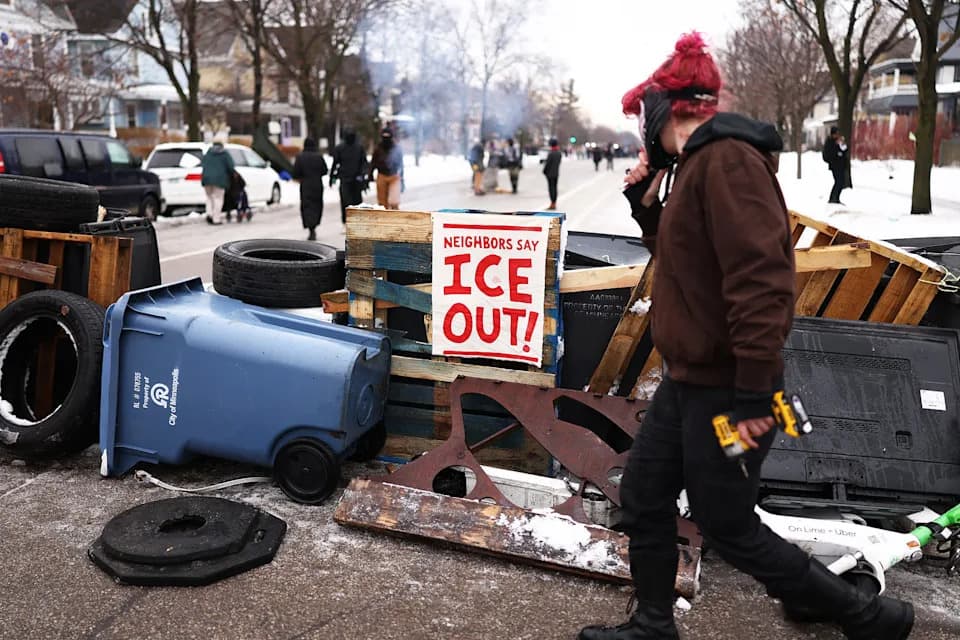
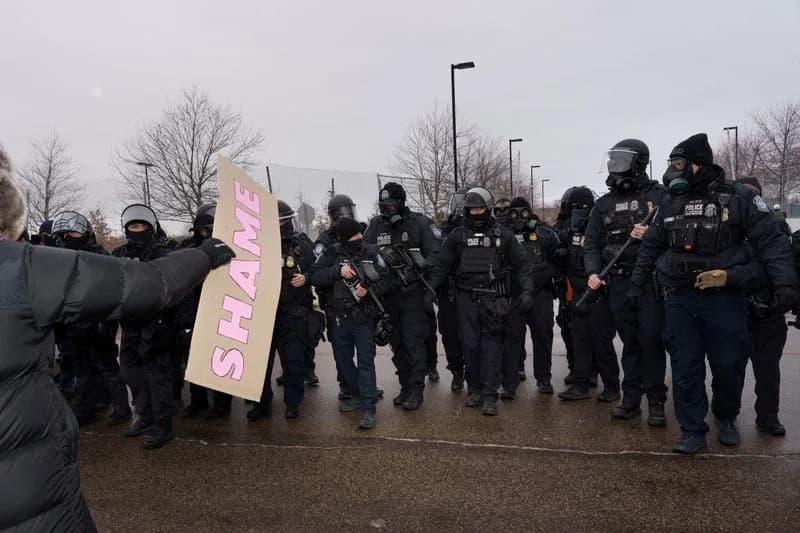
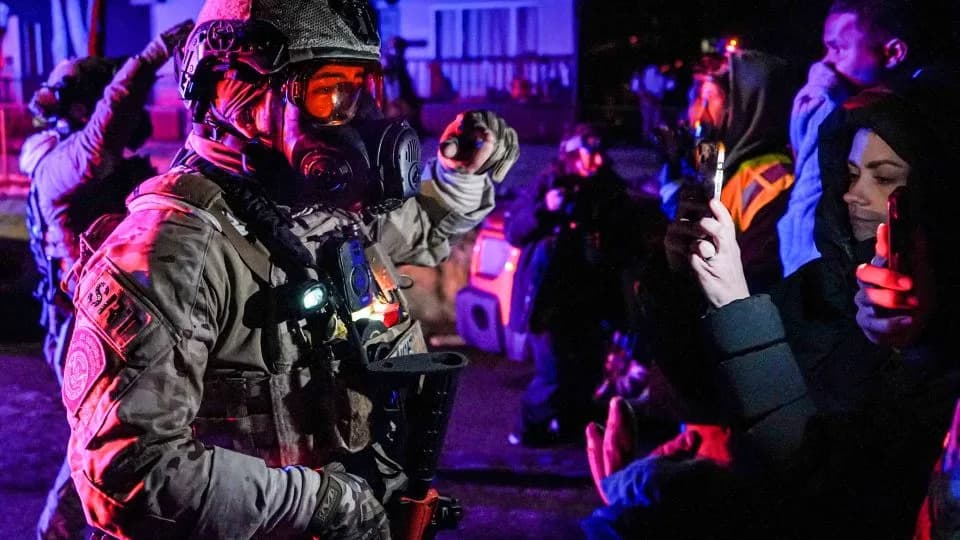
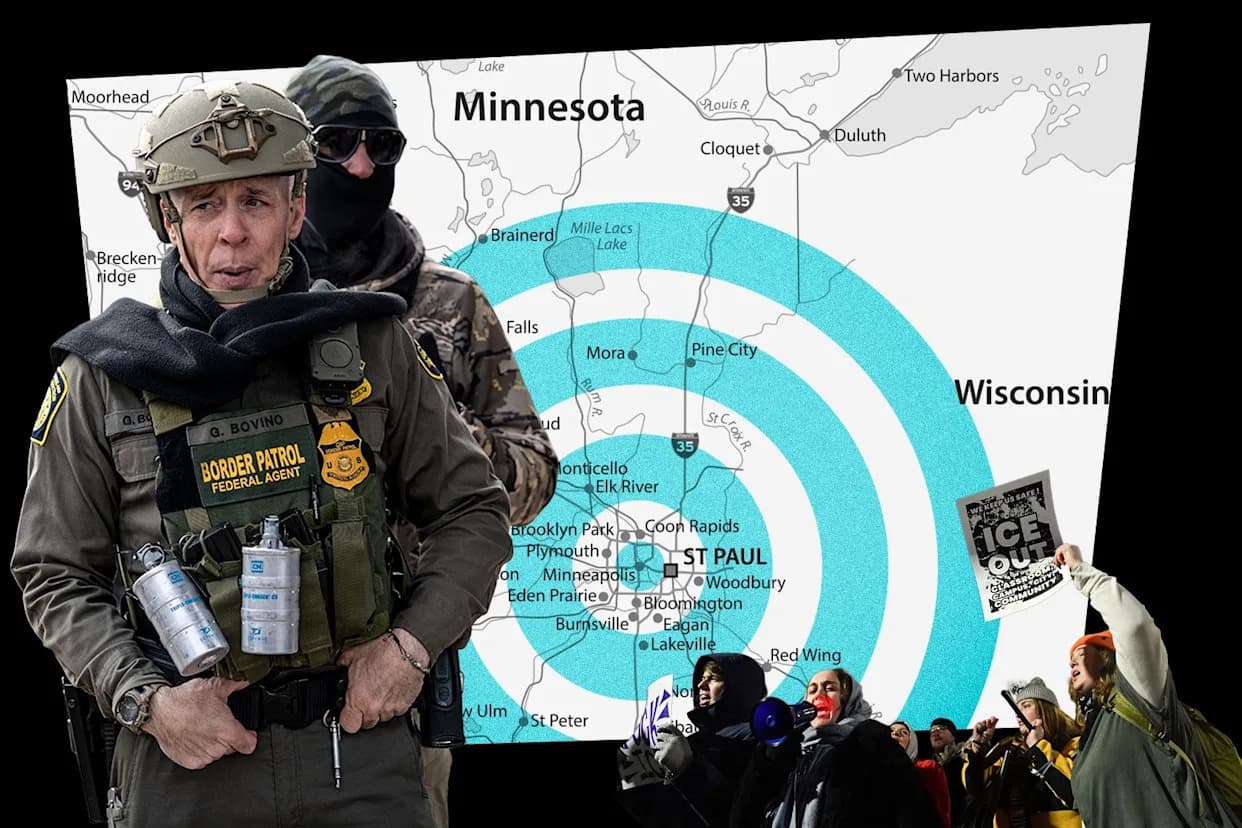
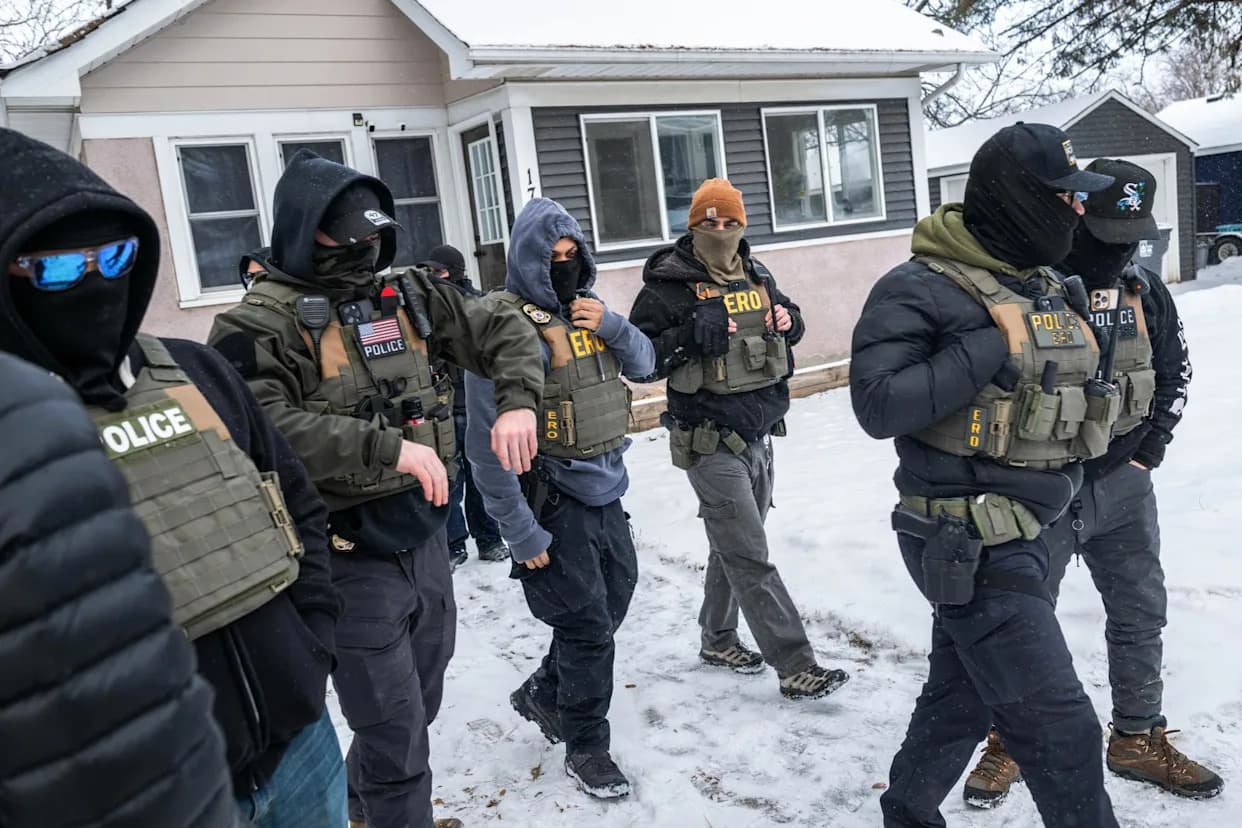
More than 3,000 federal immigration officers have been deployed to Minnesota, concentrating activity in Minneapolis and St Paul and transforming everyday life for many residents. The operation, which began in December and intensified after the fatal shooting of Renee Good in January, has left neighborhoods feeling 'tense' and prompted precautions such as carrying IDs and keeping children home. Schools and hospitals report lower attendance, while community networks formed after George Floyd's killing have reactivated to provide support and organize protection efforts.
Terror, Tension and Unity: Minnesotans React to 3,000+ Federal Immigration Officers
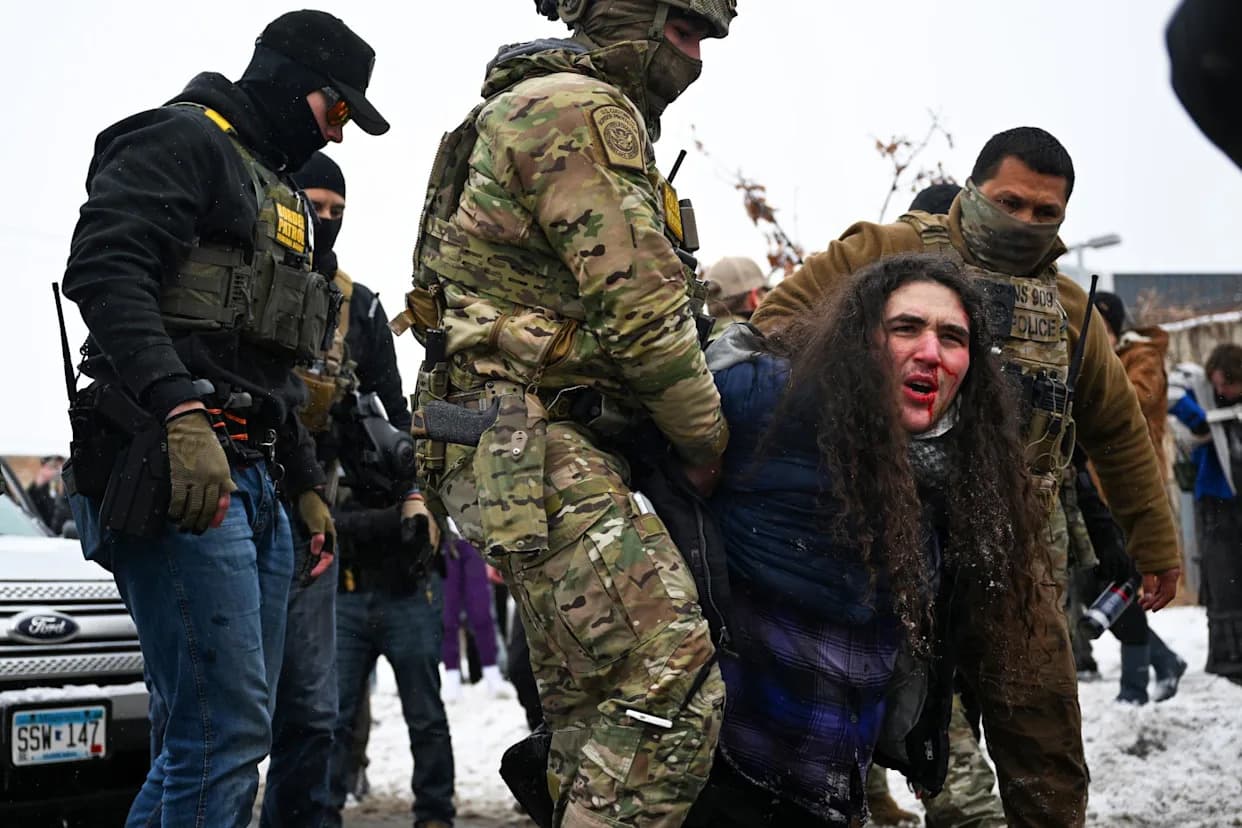
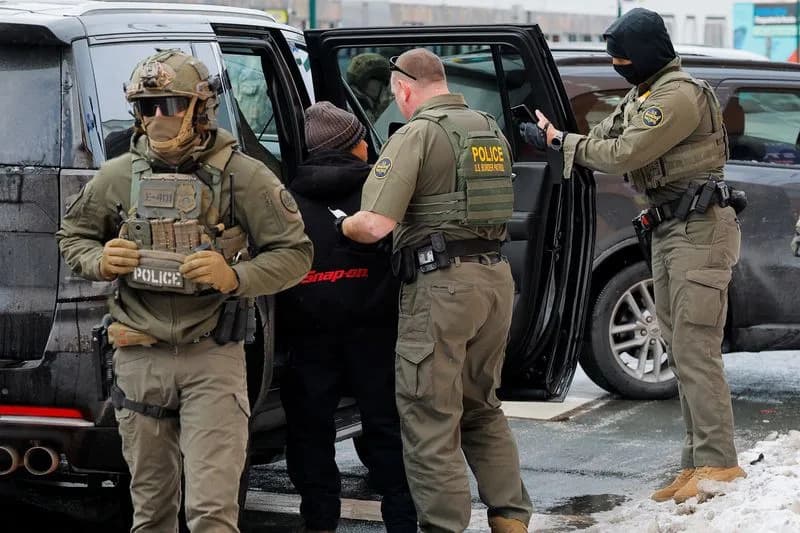
Border patrol agents detain a person in Minneapolis on 21 January 2026.Photograph: Brandon Bell/Getty Images(Photograph: Brandon Bell/Getty Images)
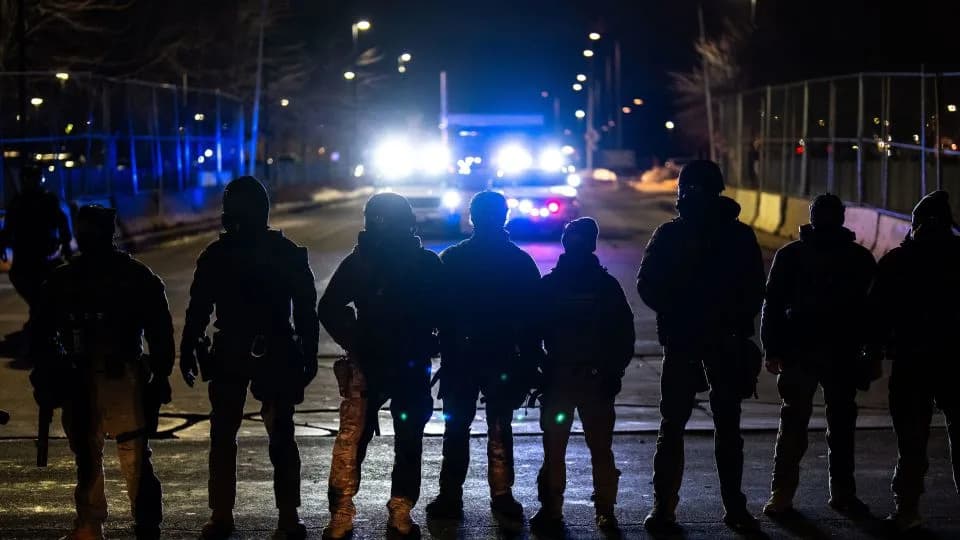
The arrival of more than 3,000 federal immigration officers in Minnesota has dramatically changed daily life across Minneapolis and St Paul, residents say. Many describe frequent confrontations between agents and civilians, widespread fear of being stopped, and new precautions such as carrying IDs constantly or staying home whenever possible.
Background and Timeline
The enforcement operation began in December and grew substantially in January after an ICE officer fatally shot 37-year-old Renee Good in Minneapolis, sparking protests and prompting additional federal deployments. Over 150 Minnesota residents spoke with the Guardian about how the operation has reshaped their neighborhoods, schools and routines.
Daily Life Under Strain
Residents report an atmosphere they describe as 'tense', 'occupied' or 'under siege.' Many asked for anonymity, citing fear of government retribution. Marcus Kessler said his wife now carries her tribal identification everywhere after leaders of the White Earth Ojibwe Nation documented instances of tribal citizens being racially profiled by immigration officers.
'I’ve never witnessed anything like this in the US,' said Dan O'Kane, 69, after seeing officers clash with students and throw a teacher to the ground near Roosevelt High School.
Precautions and Personal Stories
Impact on Schools and Hospitals
Parents are weighing whether to send children to school or daycare, and teachers report declining attendance. 'I haven’t seen some of my students for two weeks,' said a fifth-grade teacher in St Paul. At the same time, one physician reported unusually empty emergency departments and children’s hospitals because families fear bringing in sick children.
Community Response and Mutual Aid
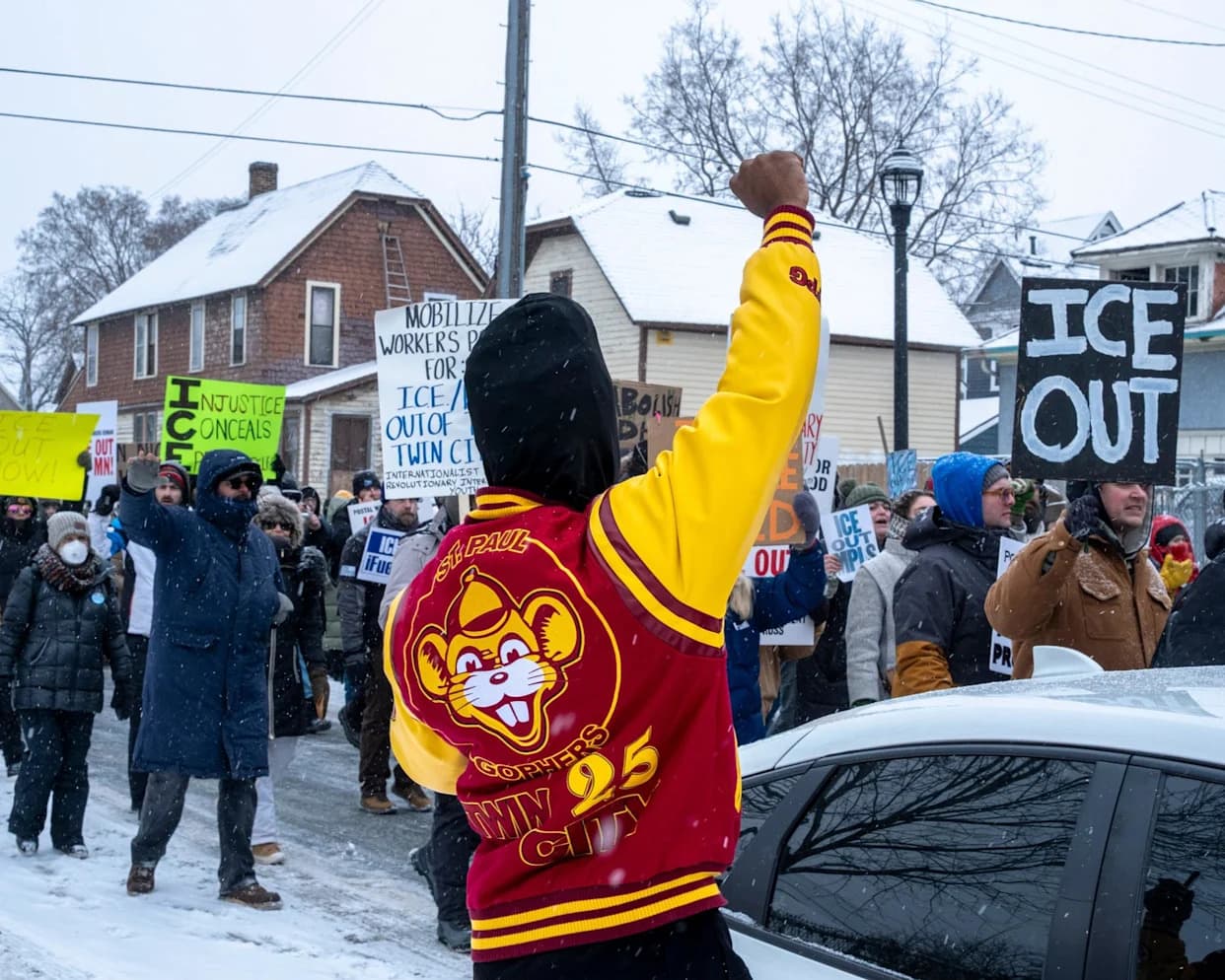
Many residents describe a strong sense of solidarity. Networks formed during the George Floyd protests have been reactivated to support vulnerable neighbors. Volunteers report carrying whistles to warn of approaching agents, supervising school drop-offs, documenting encounters on phones, and supplying personal protective equipment for protests where chemical agents might be used.
'Living in Minneapolis right now feels a lot like it did during the George Floyd uprising,' said Jason C, 50, of south Minneapolis. 'The systems put in place then were immediately brought back online to help marginalized communities.'
Fear, Displacement and Shared Resilience
Some residents are temporarily relocating to protect family members. Others say they are proud of their community's resilience even as they grieve the erosion of normalcy. A number of people expressed alarm that Minnesota may become a 'test bed' for tactics that could be used elsewhere.
'Federal agents are assaulting and kidnapping American citizens and non-citizens in broad daylight, in our neighborhoods. I thought this only happened in Iran or the USSR,' said Mike, from St Paul.
The deployment has left many Minnesotans grappling with trauma and fear, while simultaneously renewing community care networks and mutual-aid responses formed during earlier uprisings.
Help us improve.