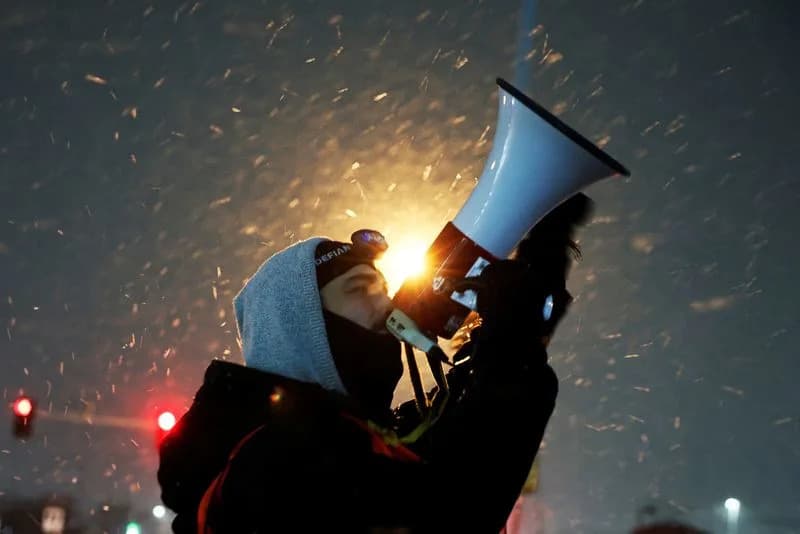
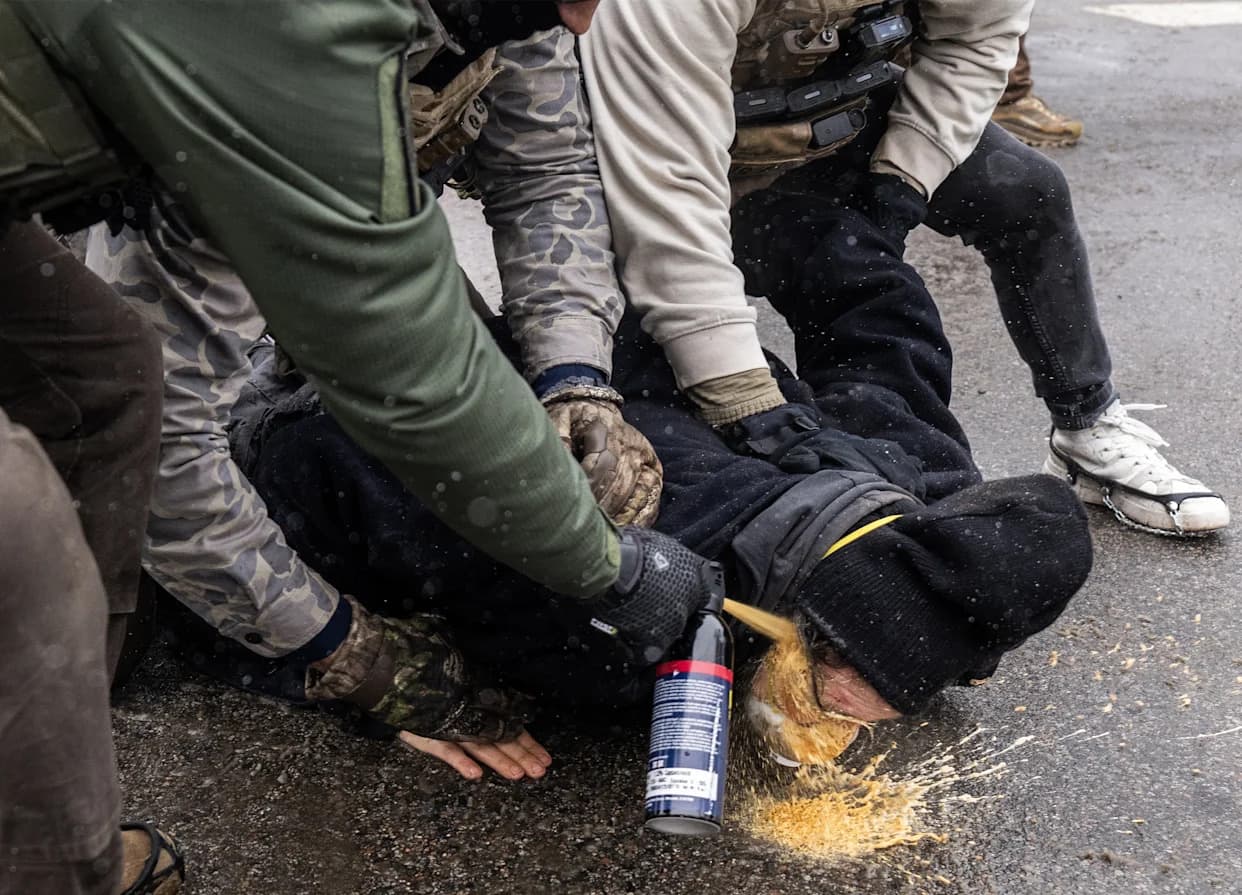
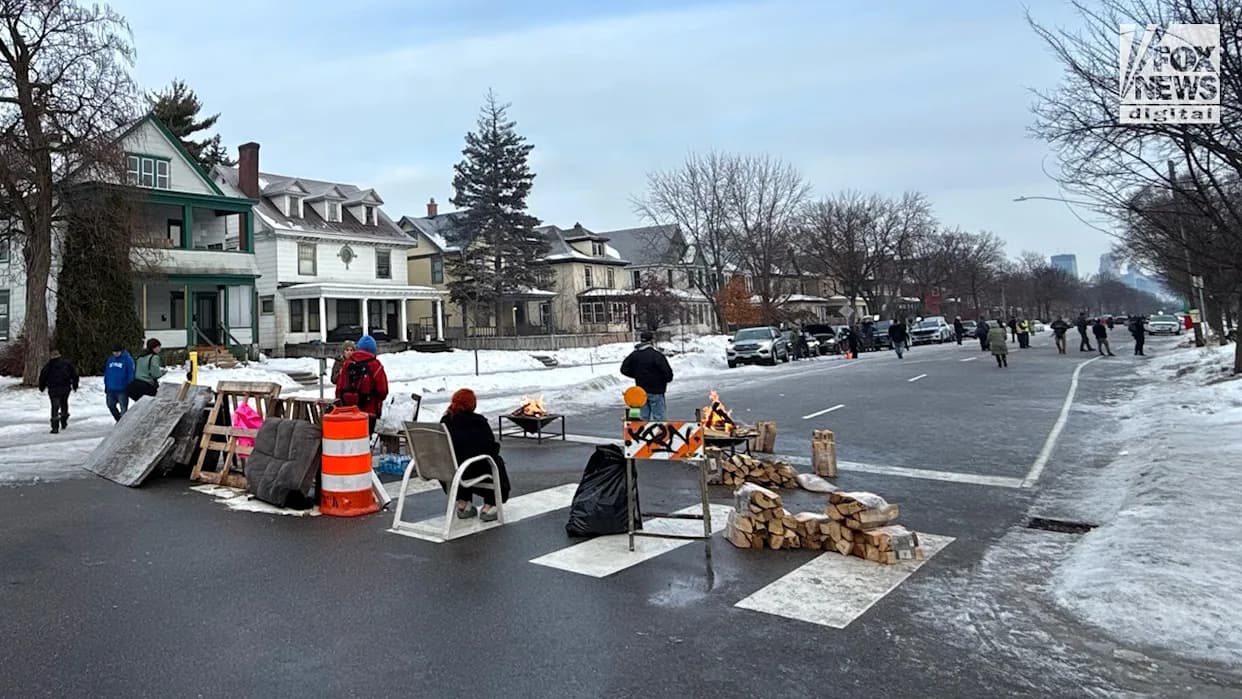
The Jan. 7 killing of Renee Goodby in Minneapolis triggered a sharp rise in volunteers signing up as ICE observers, according to advocacy groups. Observers record arrests, warn neighbors, and create legal records; many receive training on de-escalation and non-obstruction. Legal experts say filming officers in public is usually First Amendment-protected, but physically blocking agents or posting information to threaten them is unlawful. Federal officials defend agents’ use-of-force training while the administration investigates certain observer activities.
‘Domestic Terrorists’? Renee Goodby’s Death Fuels Surge in ICE Observers — Legal Risks and Protections
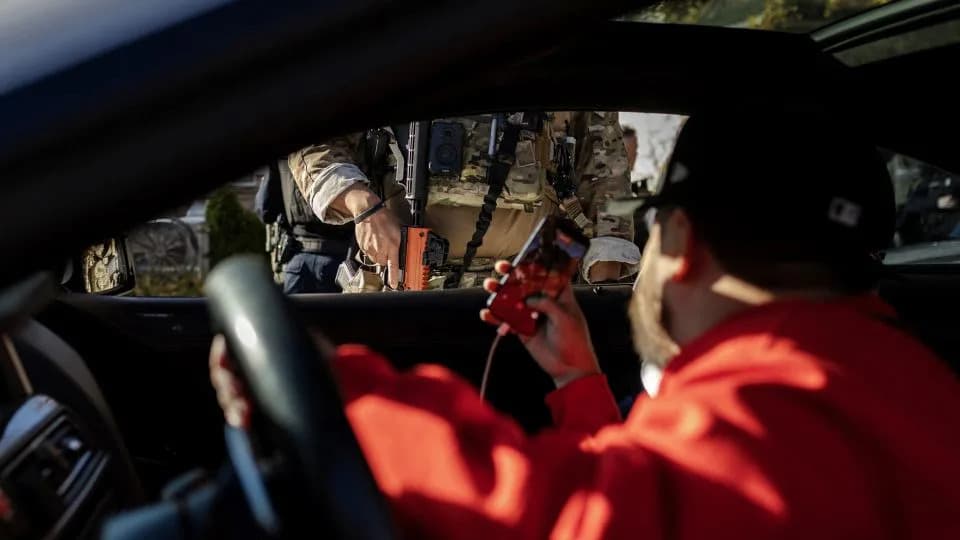
A man records a U.S. federal agent during an immigration raid in Waukegan, Illinois on November 7, 2025. - Jim Vondruska/Reuters
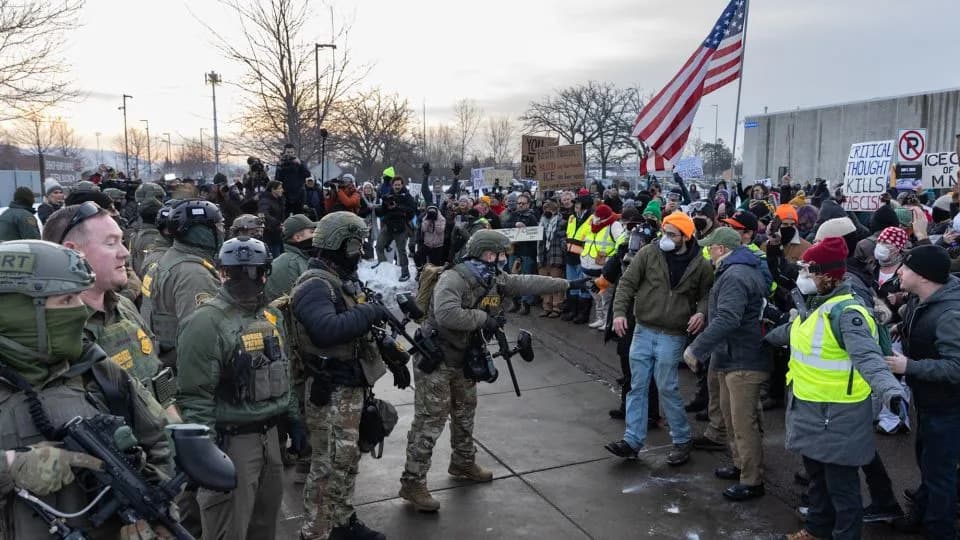
The fatal shooting of Renee Goodby in Minneapolis has intensified public attention on volunteer "ICE observers": civilians who document immigration enforcement, warn neighbors, and sometimes confront federal agents. In the wake of the incident, sign-ups for legal observer training in Minnesota reportedly tripled, and nationwide networks of volunteers say they are increasing their presence as federal immigration operations expand.
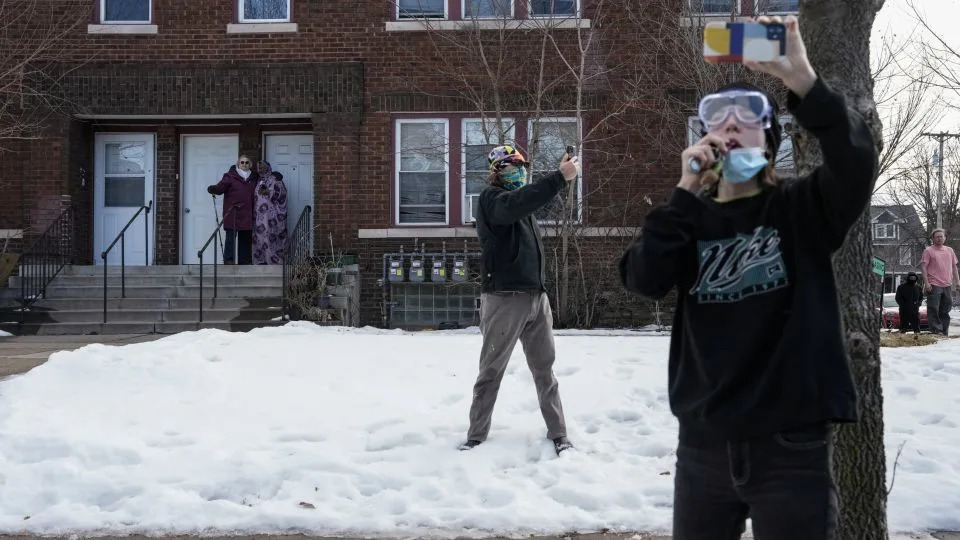
People record federal agents during an immigration raid, days after an ICE agent fatally shot Renee Nicole Good, in Minneapolis on January 13, 2026. - Tim Evans/Reuters
Background
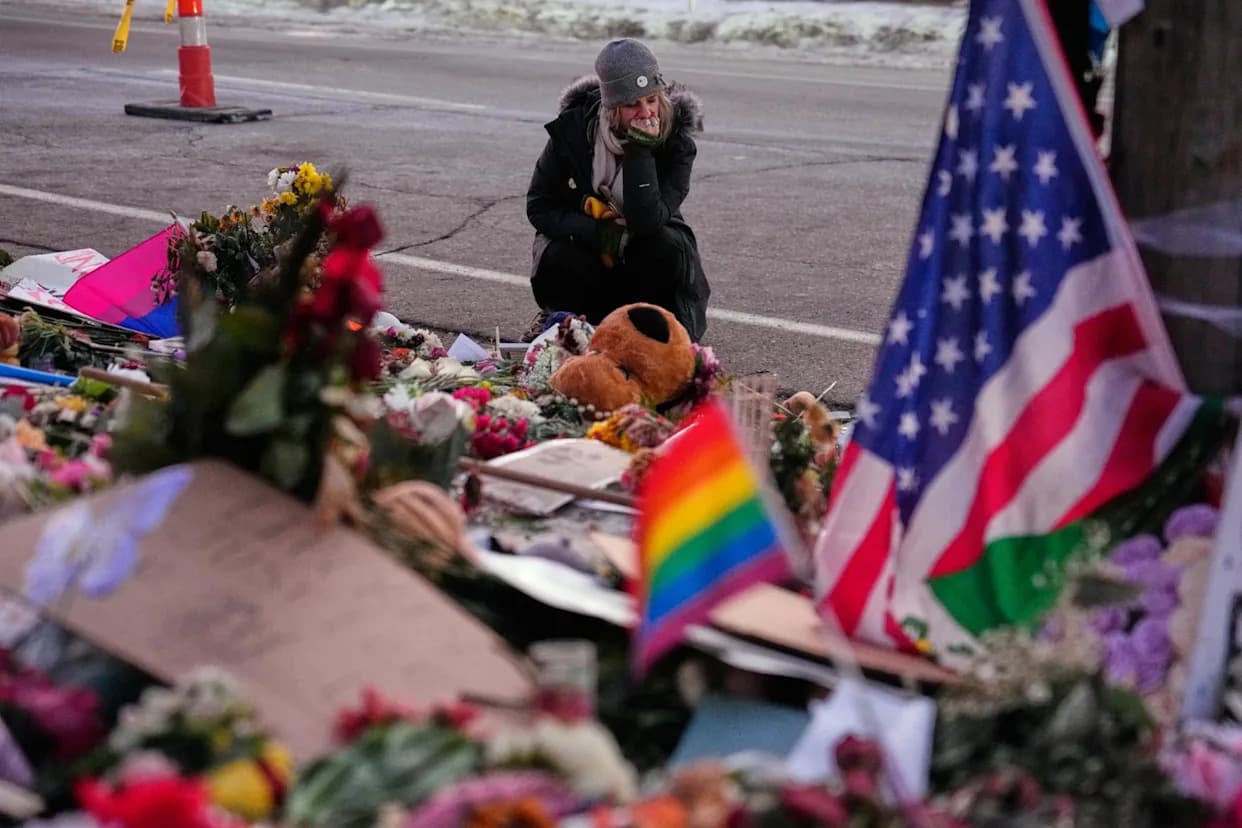
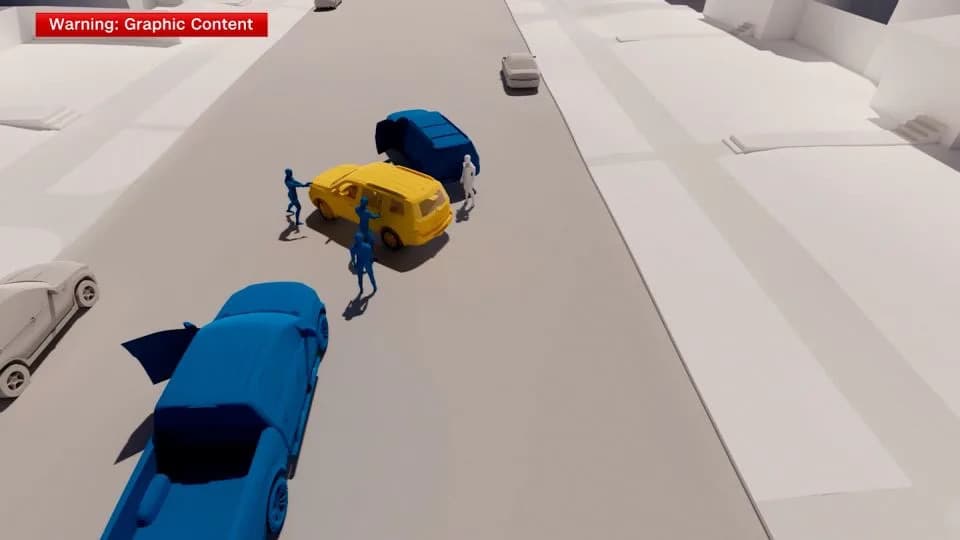
One day after the Jan. 7 shooting that killed Renee Goodby, a Minnesota immigrant-advocacy group said registrations to serve as legal observers jumped threefold. Goodby, a mother and school volunteer, was connected in school documents to efforts encouraging parents to monitor ICE activity. Video shows Goodby briefly positioned her vehicle near ICE agents as an officer who was filming her then fired; it remains unclear whether the vehicle made contact before the shot was fired.
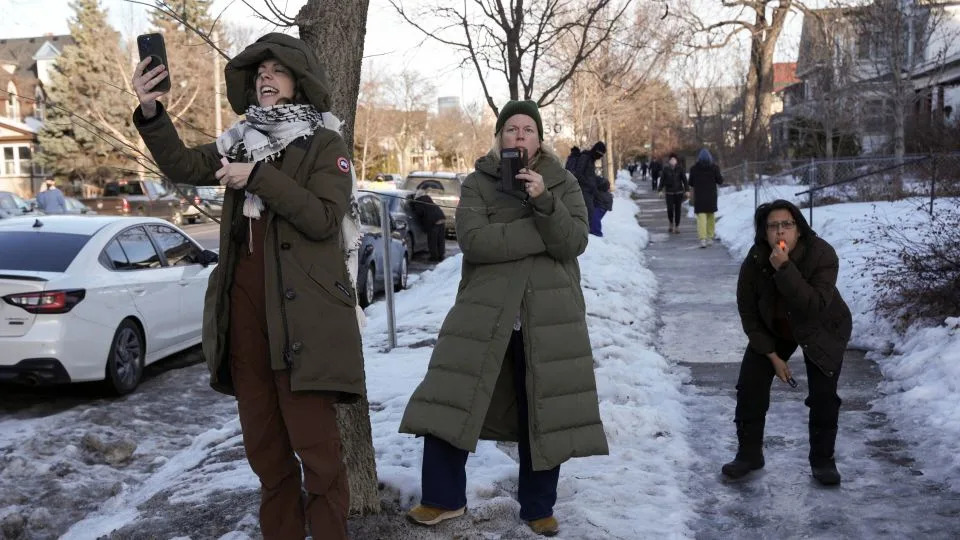
Women record as one of them uses a whistle to alert people of the presence of federal agents in the area, days after an ICE agent fatally shot Renee Nicole Good, in Minneapolis on January 13, 2026. - Tim Evans/Reuters
What ICE Observers Do
Volunteer observers — including parents, teachers, clergy and retirees — receive training on how to record federal agents, document arrests, and alert neighbors using whistles, car horns, and hotlines. Organizations like COPAL, part of a network of roughly 5,000 trained civilian monitors, and local groups such as Siembra NC run hotlines and verification systems to track enforcement activity.
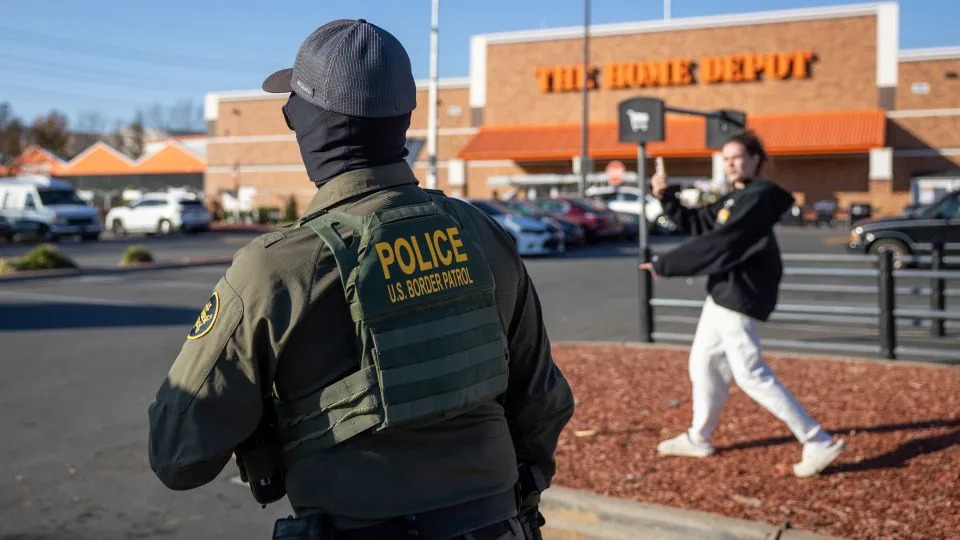
An activist records a U.S. Border Patrol agent outside a Home Depot store on November 19, 2025 in Charlotte, North Carolina. - John Moore/Getty Images
Legal Protections and Limits
Legal experts say many observer activities, such as filming officers in public and using whistles to alert the community, are expressive conduct protected by the First Amendment. As Gregory Magarian, a law professor at Washington University in St. Louis, noted, recording law enforcement in public is generally protected speech.
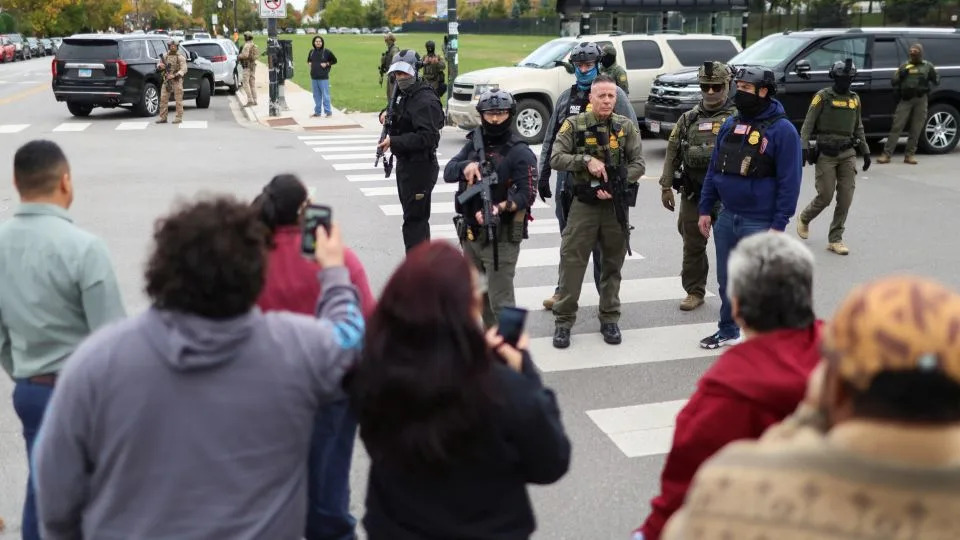
People use their phones to record federal agents at an intersection in Chicago on October 22, 2025. - Jim Vondruska/Reuters
However, observers must avoid interfering with law enforcement. Legal scholars emphasize that physically blocking agents, touching officers, or failing to follow lawful dispersal orders can be unlawful. Posting personal information about agents can be protected when factual and lawfully obtained, but if shared with the intent to threaten or incite imminent violence it loses constitutional protection.
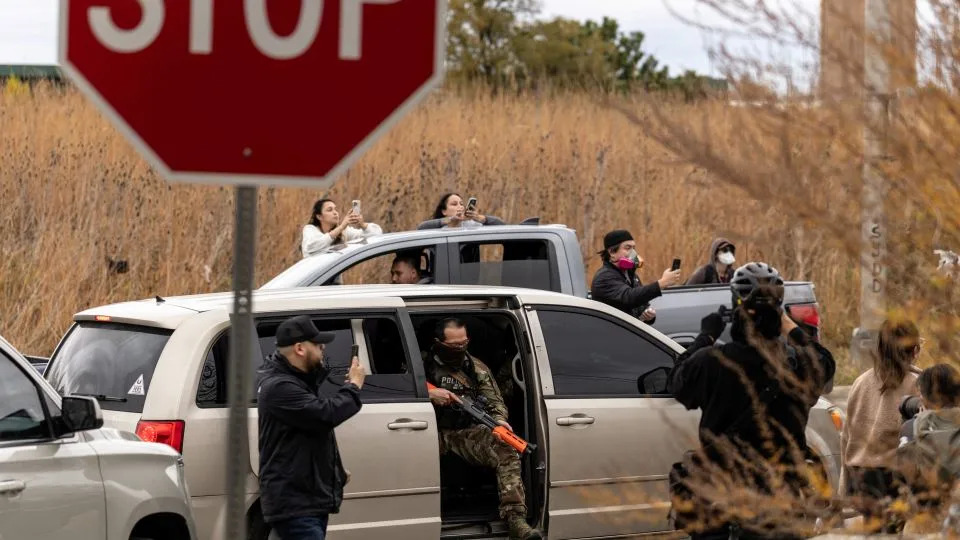
Residents record as U.S. federal agents drive away during an immigration raid, in Cicero, Illinois, on November 8, 2025. - Carlos Barria/Reuters
Federal Response and Community Reaction
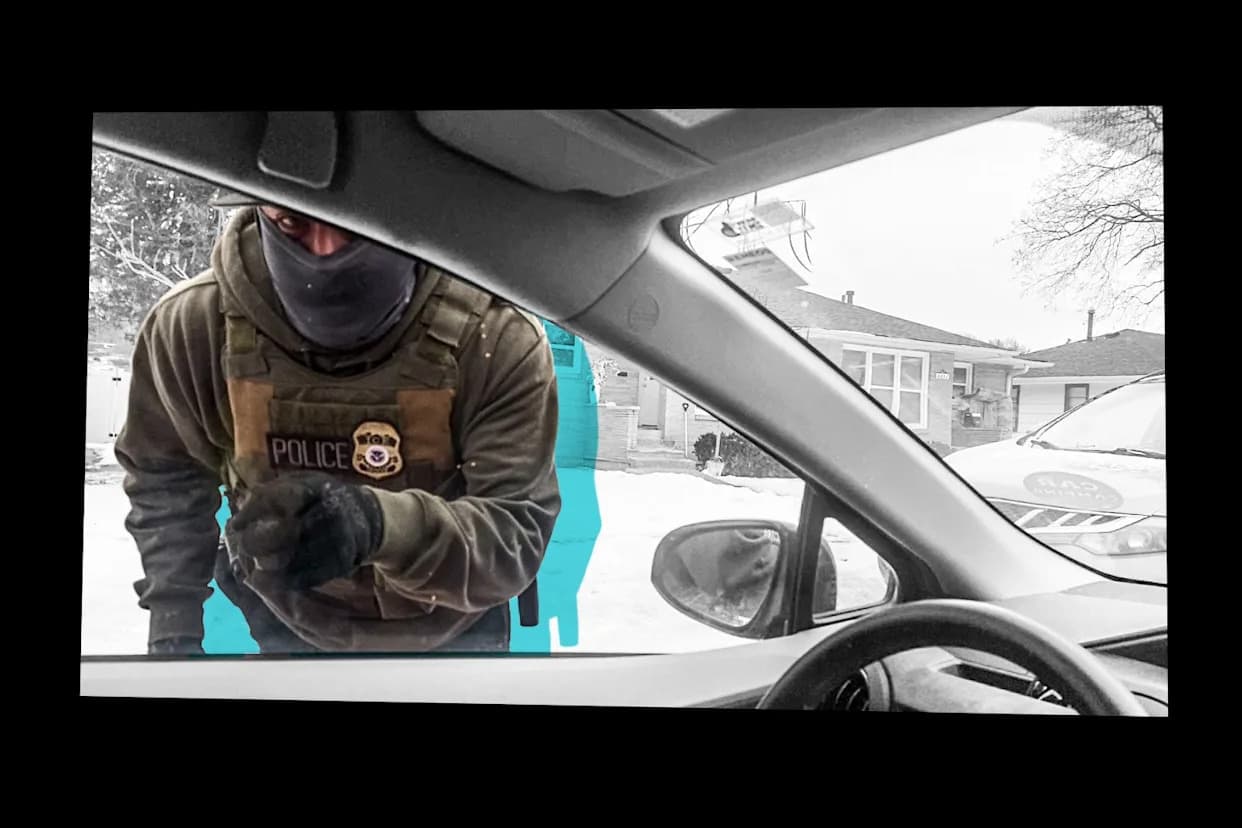
The Trump administration has criticized some observer activities and has opened investigations into activists who posted information about agents. Department of Homeland Security officials defend ICE and CBP officers, saying agents are trained to use minimum necessary force and routinely receive de-escalation training, while federal authorities report a rise in assaults against officers.
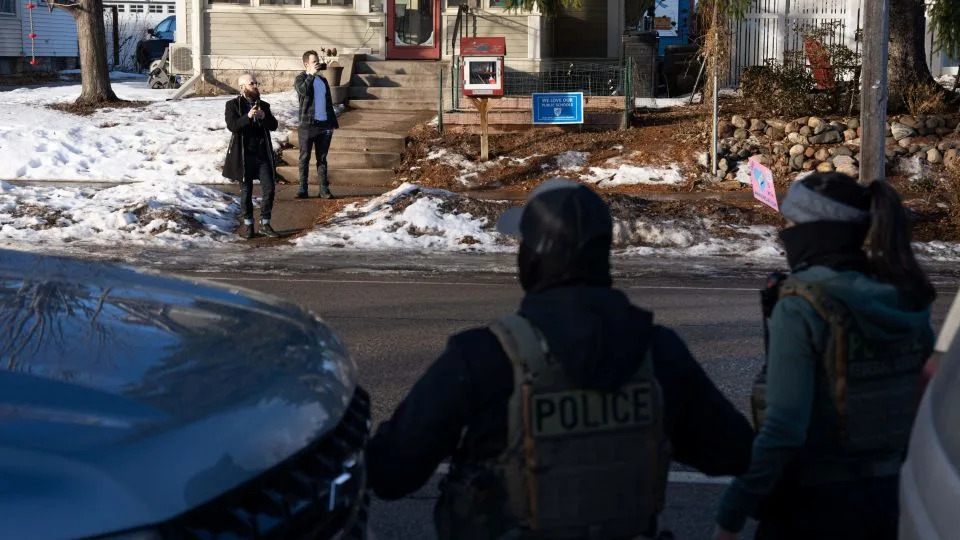
Community members film from across the street as federal agents conduct an immigration raid, days after an ICE agent fatally shot Renee Nicole Good, in Minneapolis on January 13, 2026. - Tim Evans/Reuters
Community organizers say training emphasizes a strict non-obstruction policy, distancing observers from agents and creating legal records through notes and video that can be shared with attorneys. Organizers also report volunteers are motivated by fear and a renewed willingness to act after the shooting.
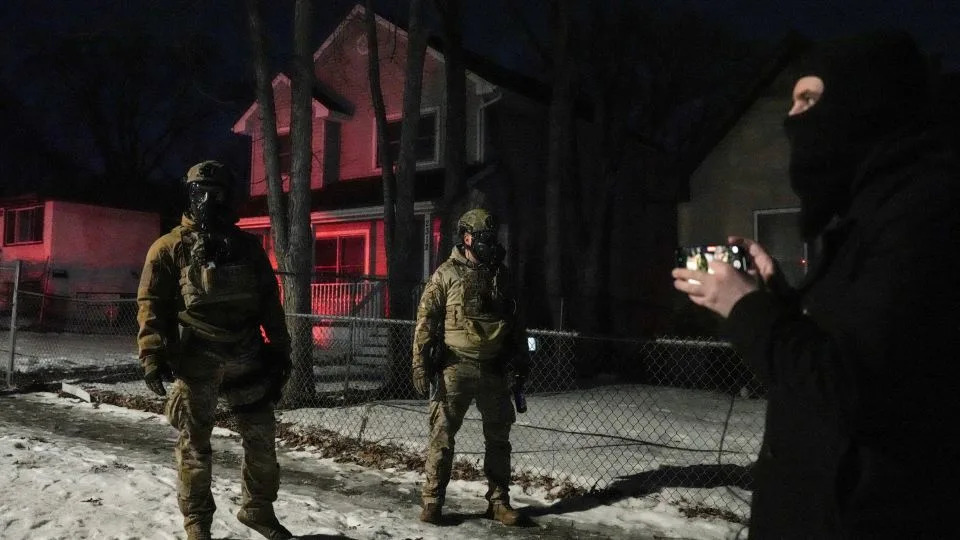
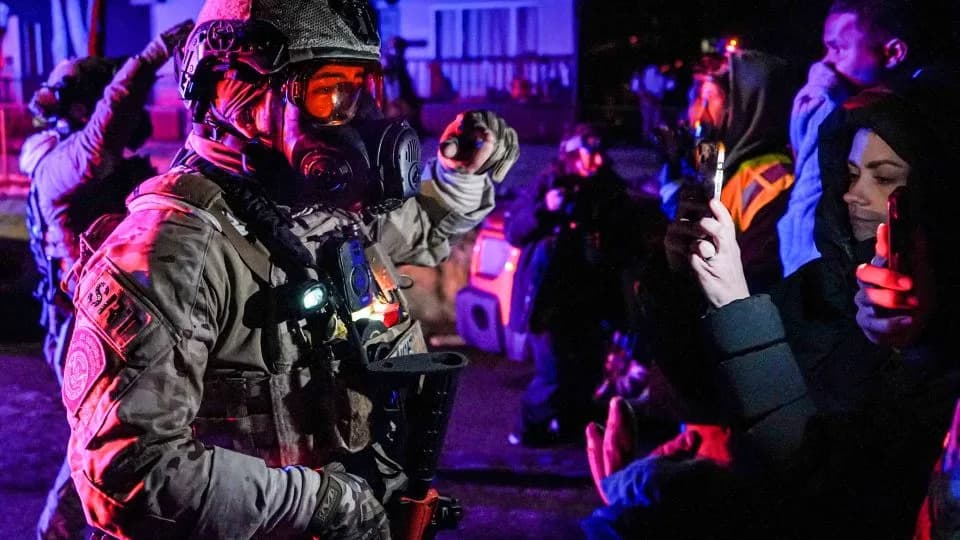
Law enforcement officials stand near a protester wearing a black ski mask who is recording them in Minneapolis on January 14, 2026. - Leah Millis/Reuters
What Observers and Neighbors Should Know
- Recording federal officers in public is generally protected, but intentionally obstructing officers is not.
- Distributing factual, lawfully obtained public information is typically protected speech; threats or incitement are not.
- Volunteers should follow legal-observer training: keep distance, avoid physical interference, and document interactions carefully.
By clarifying legal boundaries and documenting enforcement actions, observers and advocates aim to protect vulnerable communities while navigating tensions between public oversight and law enforcement authority.
Help us improve.