The fatal shooting of Renee Nicole Good during an encounter with immigration officers in Minneapolis has heightened fears among volunteers who monitor ICE activity. Community-captured video—and multiple neighborhood recordings—have been crucial to understanding the confrontation. Training groups are urging calm, noninterference and better documentation, and Minnesota volunteers have rushed to distribute hundreds of dash cams to create continuous records of enforcement encounters.
“It Could Have Killed Me”: Minneapolis ICE Shooting Deepens Fears, Spurs Surge in Civilian Monitoring
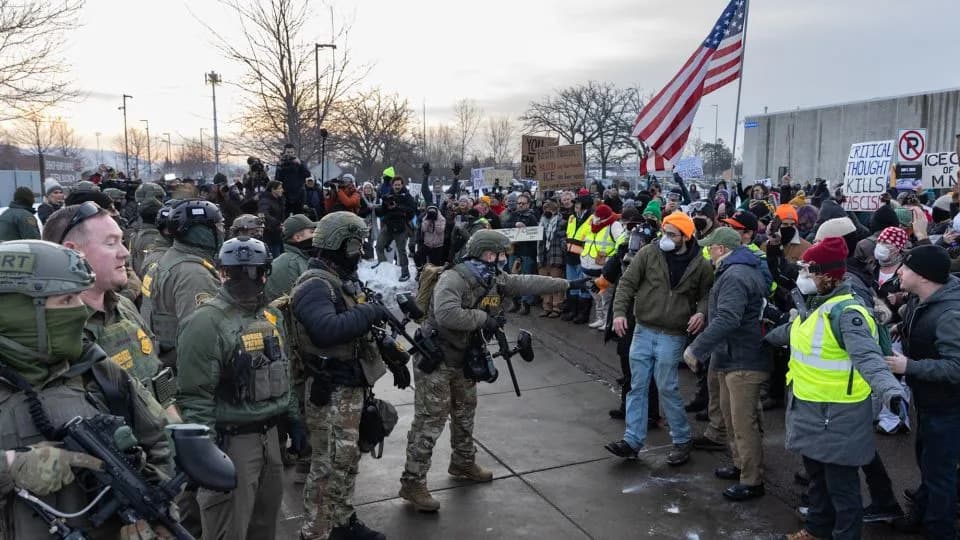
Protesters clash with law enforcement outside an Immigration and Customs Enforcement (ICE) facility as they attempt to block federal agentsâ vehicles from leaving during a protest against ICE following the fatal shooting of a 37-year-old woman by a U.S. immigration agent, in Minneapolis, United States, on January 8, 2026. - Mostafa Bassim/Anadolu/Getty Images
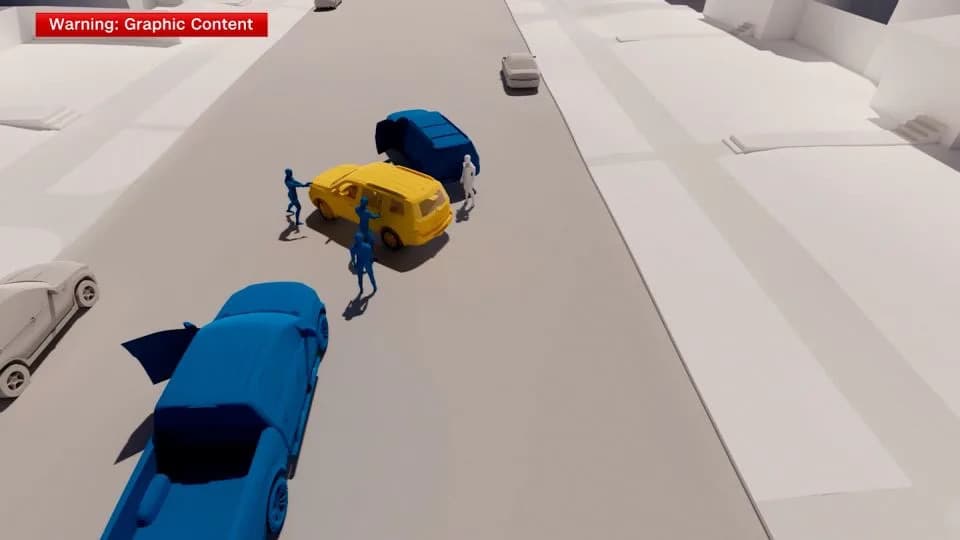
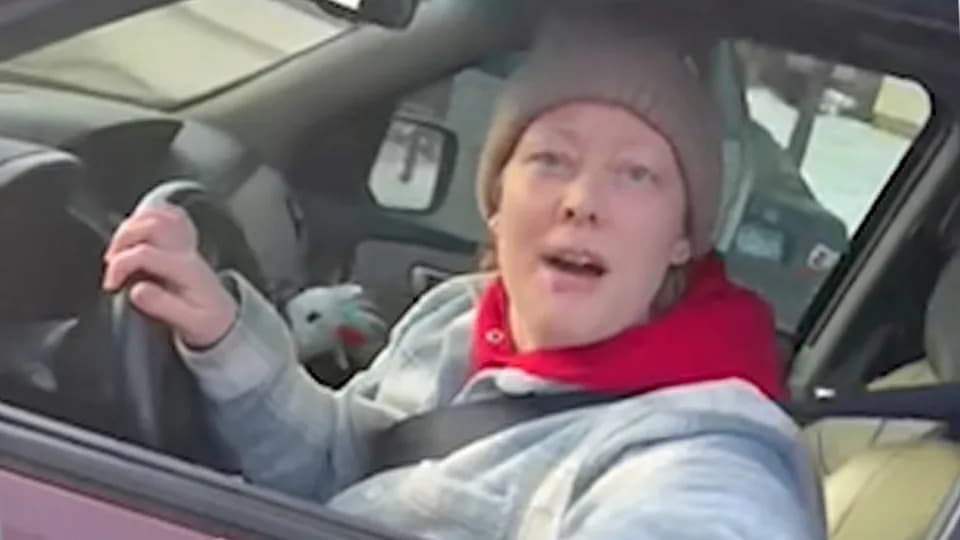
The fatal shooting of Renee Nicole Good by an immigration officer in Minneapolis has intensified fears among volunteers who follow and document federal immigration enforcement. Video released after the confrontation appears to show Good attempting to drive away after officers ordered her out of her vehicle; the footage also captures the officer who fired the shots and Good’s wife recording one another on their phones. Good’s last recorded words in the video were, “I’m not mad at you.”
Tensions Between Community Watchers and Federal Officials
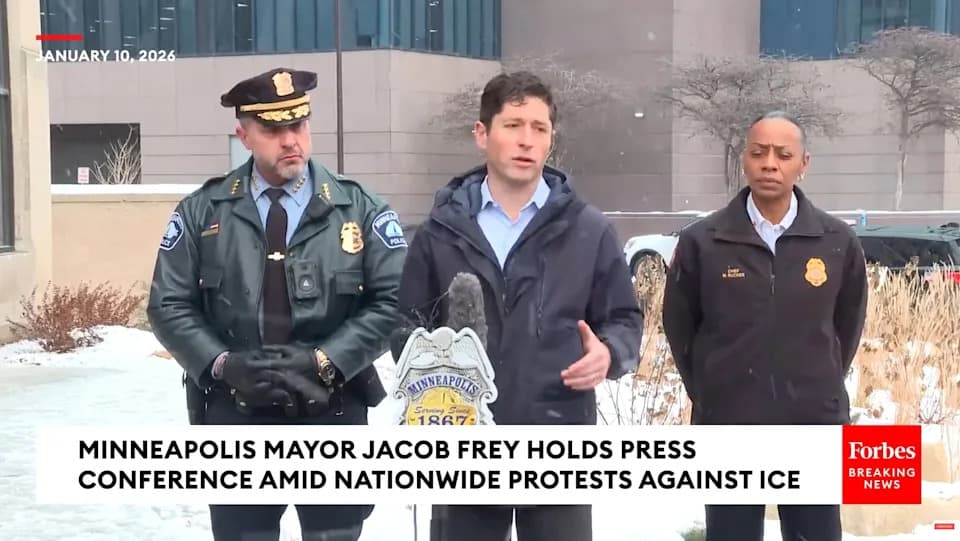
The incident has deepened a rift between community volunteers who monitor Immigration and Customs Enforcement (ICE) activity and senior administration allies who have characterized those watchers as "agitators." Figures aligned with the administration have suggested scrutiny of the organizers and funders of loosely connected groups that document enforcement activity, while local volunteers insist they are ordinary neighbors trying to protect their communities.
A Minneapolis-area volunteer who asked to remain anonymous described the monitors as everyday residents — teachers, mental-health workers and parents — not professional agitators. "We're like moms in Toyota Corollas," she said. "There’s nobody in my contact group who are professional agitators."
Conflicting Accounts of the Confrontation
Details about the moments leading to the shooting remain disputed. Governor Kristi Noem accused Good of repeatedly confronting agents that day, while Good’s ex-husband told reporters she had just dropped off her 6-year-old son at school and was heading home when she encountered ICE agents. Becca Good, Renee's wife, told local media they "stopped to support our neighbors. We had whistles. They had guns," and declined to offer further specifics about the immediate lead-up to the shooting.
“I could have been the person shot last night because I’ve been there,” said Lucia Gardner, a longtime Minnesota teacher who follows ICE activity in her neighborhood. “The thing that I was doing that didn’t seem like it should be dangerous was apparently dangerous. It could have killed me.”
Training, Documentation and De-Escalation
In response to the shooting, activist groups that train civilian monitors are emphasizing calm, careful documentation and noninterference. Jill Garvey, co-director of States at the Core, said her group’s virtual "ICE Watch and Community Defense" sessions teach volunteers to keep windows up and doors locked, place cars in park, keep hands visible off steering wheels, make sure recording devices are running and calmly assert their rights.
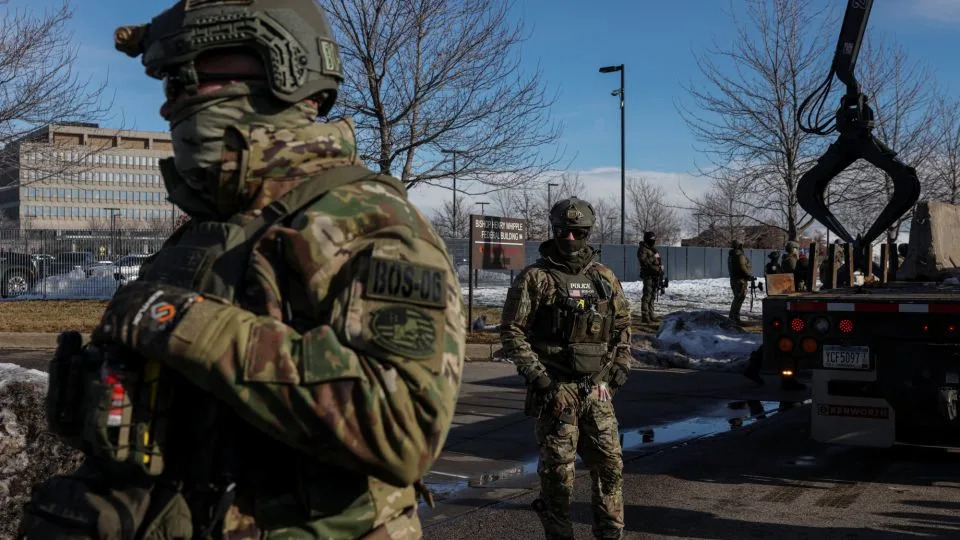
A crane places concrete barriers at the entrance to the Bishop Henry Whipple Federal Building as U.S. Immigration and Customs Enforcement (ICE) agents stand guard during protests against increased immigration enforcement and the fatal shooting of Renee Nicole Good by an ICE agent, in Minneapolis, Minnesota, U.S., January 9, 2026. REUTERS/Tyrone Siu - Tyrone Siu/Reuters
"Most people in these situations panic, and that's what I saw in the video," Garvey said, referring to the footage of the Minneapolis encounter. She emphasized that trainings counsel against physical interference with federal agents and stress techniques to de-escalate confrontations.
Organizers say civilian documentation has been crucial in piecing together what happened in Minneapolis: multiple neighborhood videos provided several angles that were otherwise unavailable.
Community Responses: Dash Cams and Local Networks
Across Minnesota, volunteers have moved quickly to equip watchers with better recording tools. Nick Benson, a plane-spotter and longtime observer of deportation flights in the Twin Cities, posted an online wish list to buy dash cams for volunteers. Within days, hundreds of units were ordered and distributed through neighbor networks. Benson said the cameras aim to supply continuous, corroborated records in cases where official and civilian accounts conflict.
Broader Context
Some activists compared the Minneapolis shooting to a 2023 Chicago case in which Marimar Martinez, a U.S. citizen, was shot multiple times by a Customs and Border Protection agent during a vehicle encounter; Martinez survived, and federal prosecutors later dropped charges against her. Such cases, organizers say, underscore the stakes for volunteers who follow enforcement activity and the potential risks of confrontations with federal officers.
As trainings fill and community networks distribute equipment, many volunteers say the Minneapolis shooting has only strengthened their resolve to document ICE activity while trying to avoid escalations that could lead to more violence.
Help us improve.