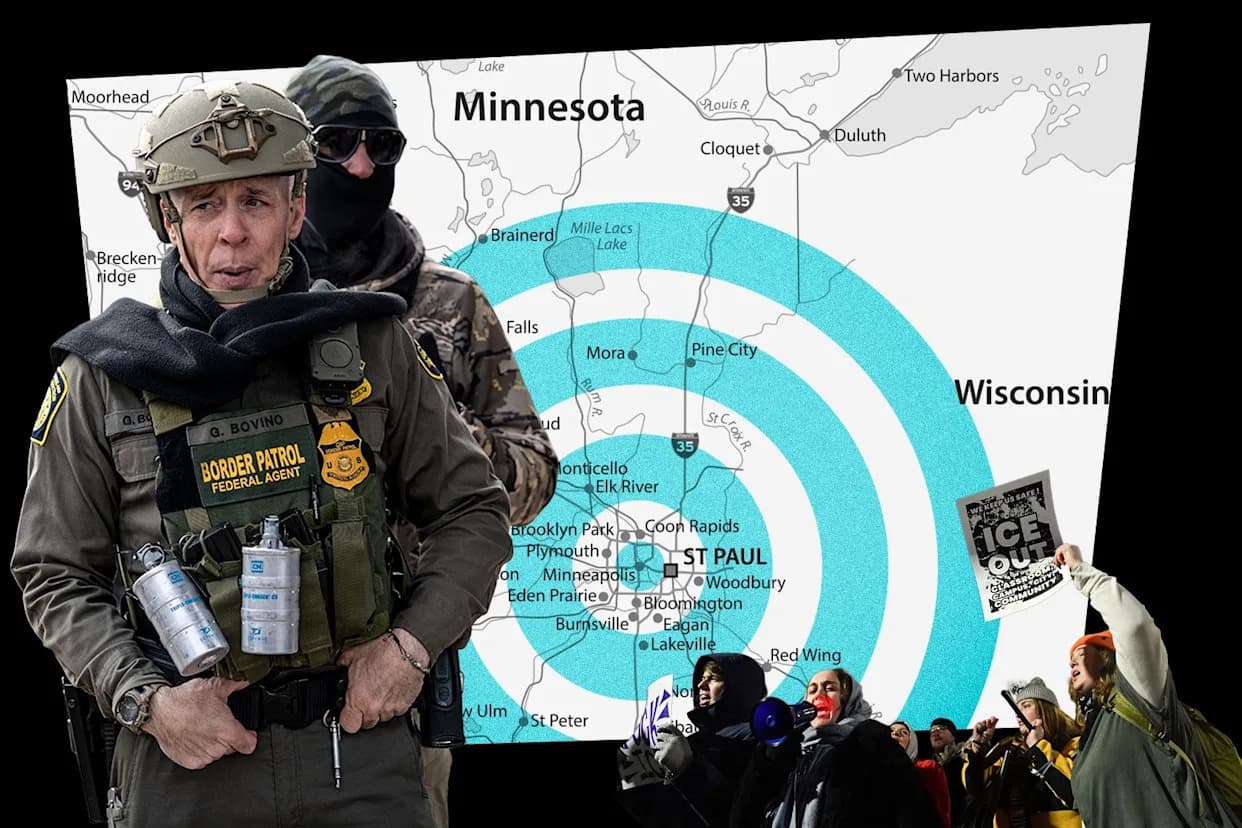
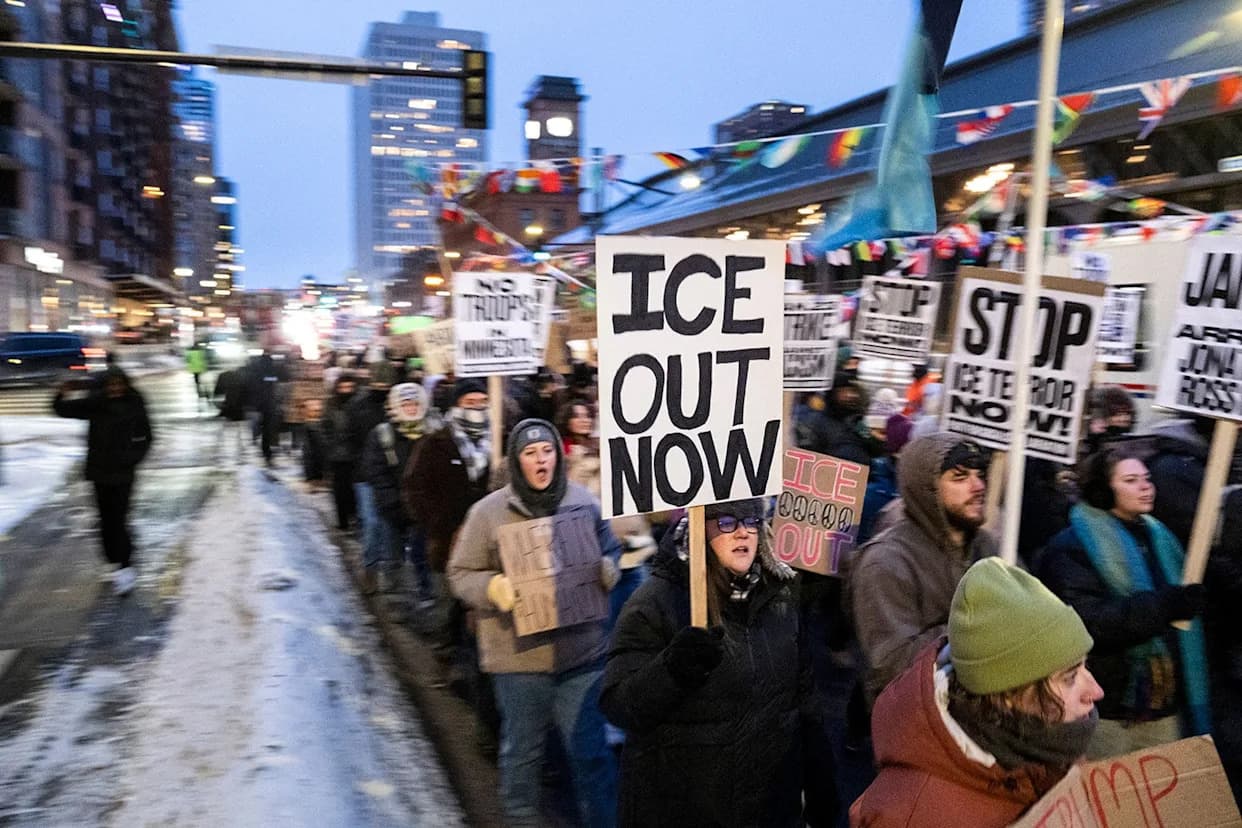
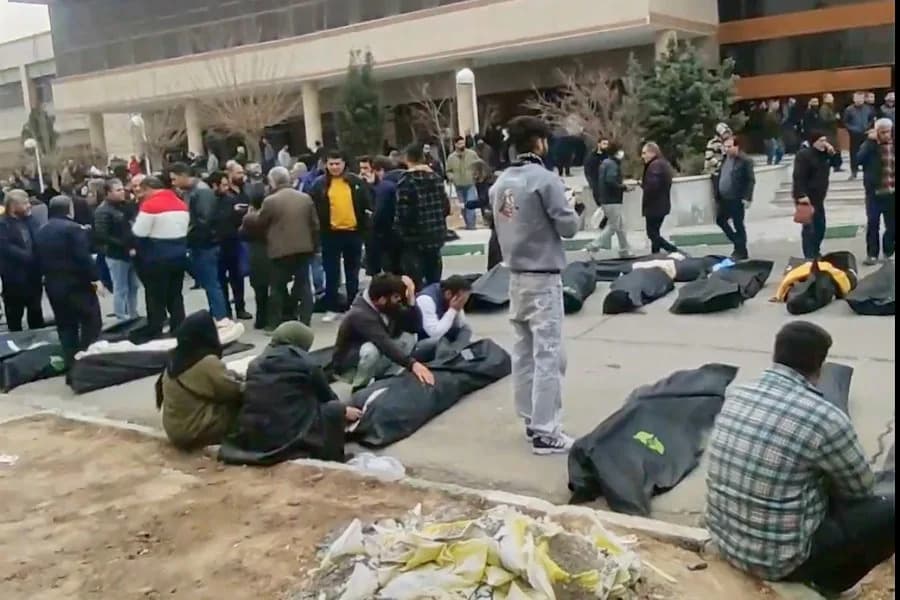
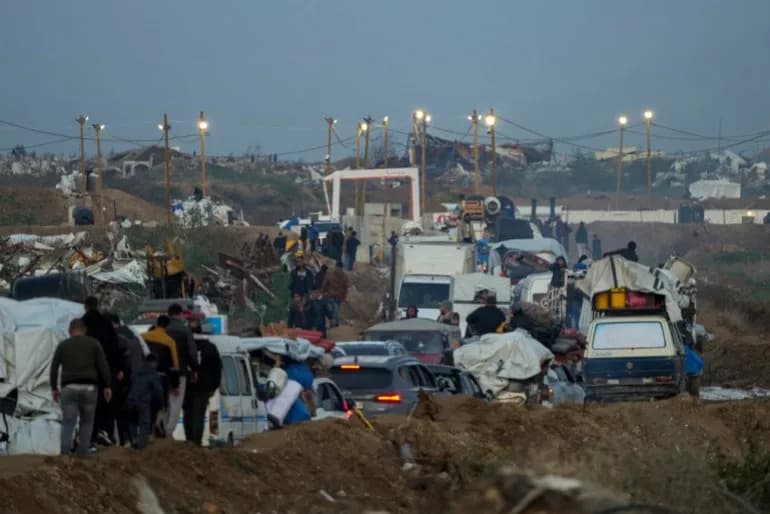
Federal immigration enforcement and a recent fatal shooting in Minneapolis have transformed everyday life: families, schools and businesses are altering routines out of fear. Children show emotional and behavioral effects, while schools and churches provide emergency planning, food and know-your-rights support. Neighbors have mobilized decentralized mutual aid, and journalists and residents describe chaotic scenes of crowd-control tactics and detainments. Despite widespread anxiety, grassroots efforts to protect and support vulnerable community members have intensified.
Minneapolis Under Federal Immigration Raids: Fear, Grief and Grassroots Care
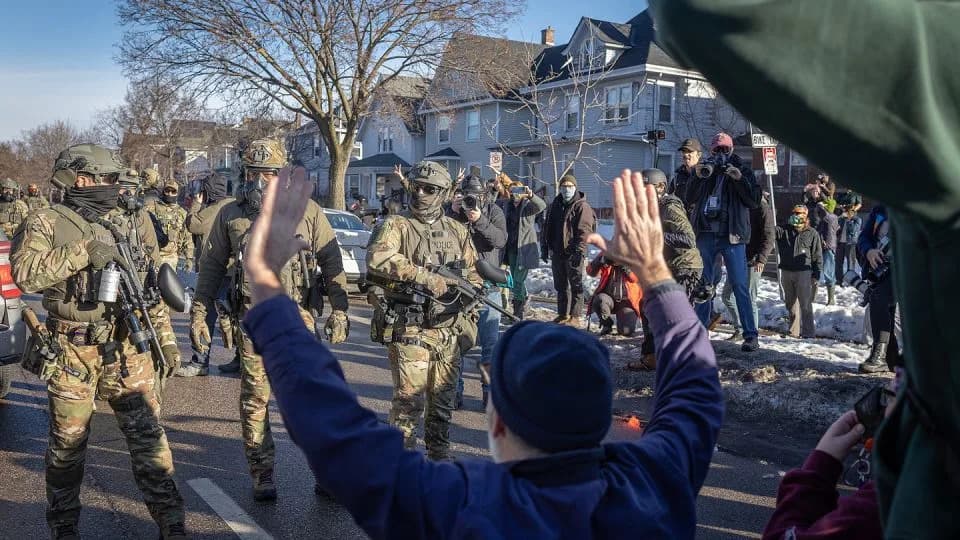
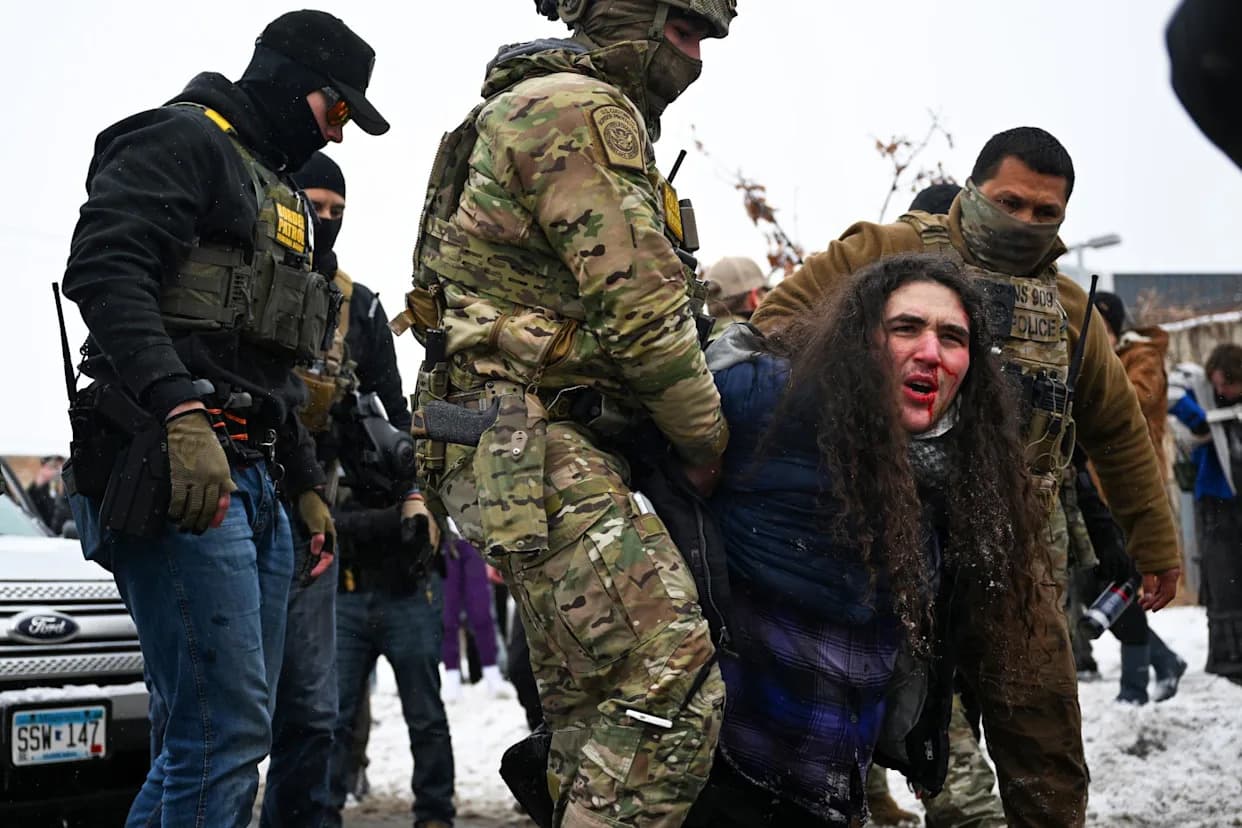
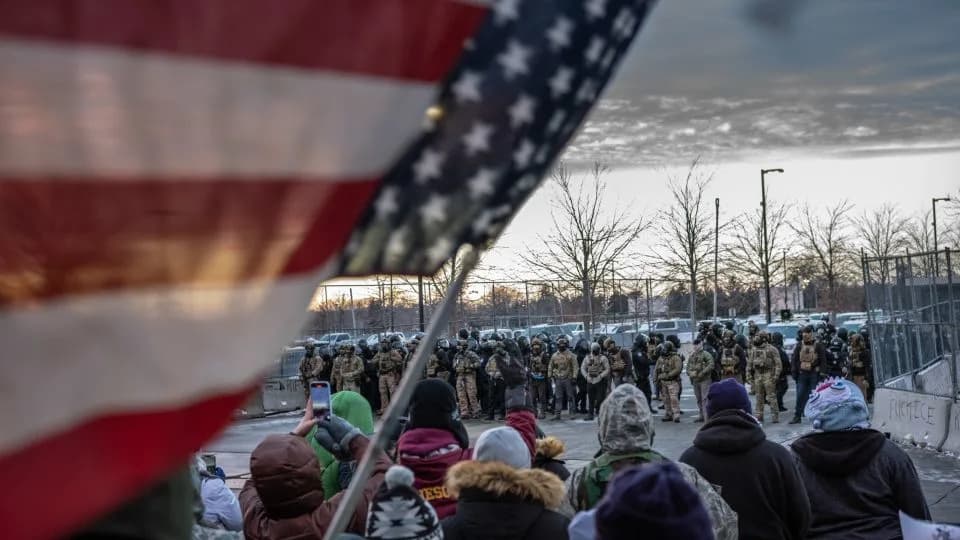
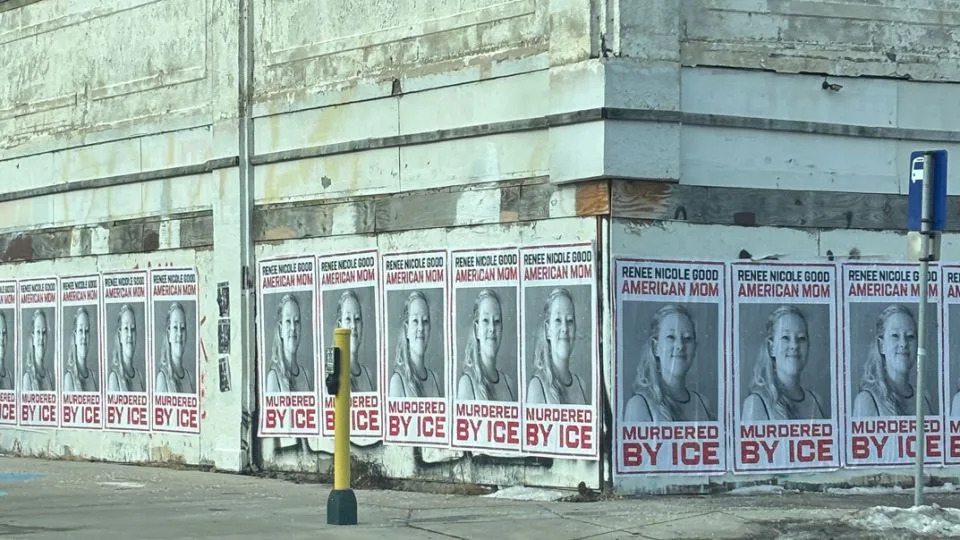
Protesters and ICE agents converge on a residential street, near where Renee Good was killed by federal immigration agents, in Minneapolis on January 13. - Elizabeth Flores/The Minnesota Star Tribune/Getty Images
Over coffee in downtown Minneapolis on a cold Saturday morning, a first-grade teacher who asked to be called Elizabeth described how ordinary life has narrowed under the pressure of intensified federal immigration enforcement. “We’re not scary,” she told me. “We’re not a bunch of extremists.” Yet a sudden surge of federal agents, a string of detainments and a recent fatal shooting have left neighborhoods on edge.
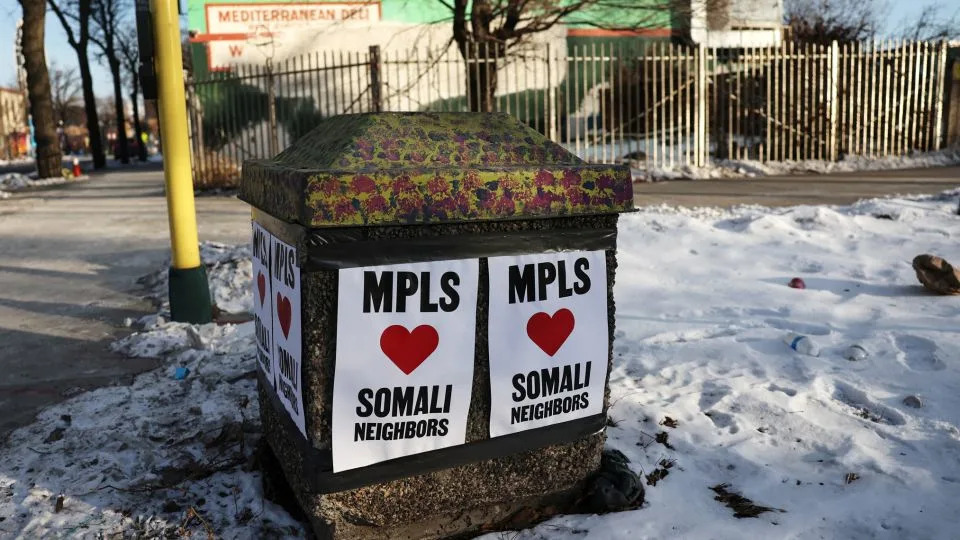
Signs in support of Somali residents hang along Cedar Avenue in the Cedar-Riverside neighborhood of Minneapolis. - Shannon Stapleton/Reuters
One Shooting, Widespread Anxiety
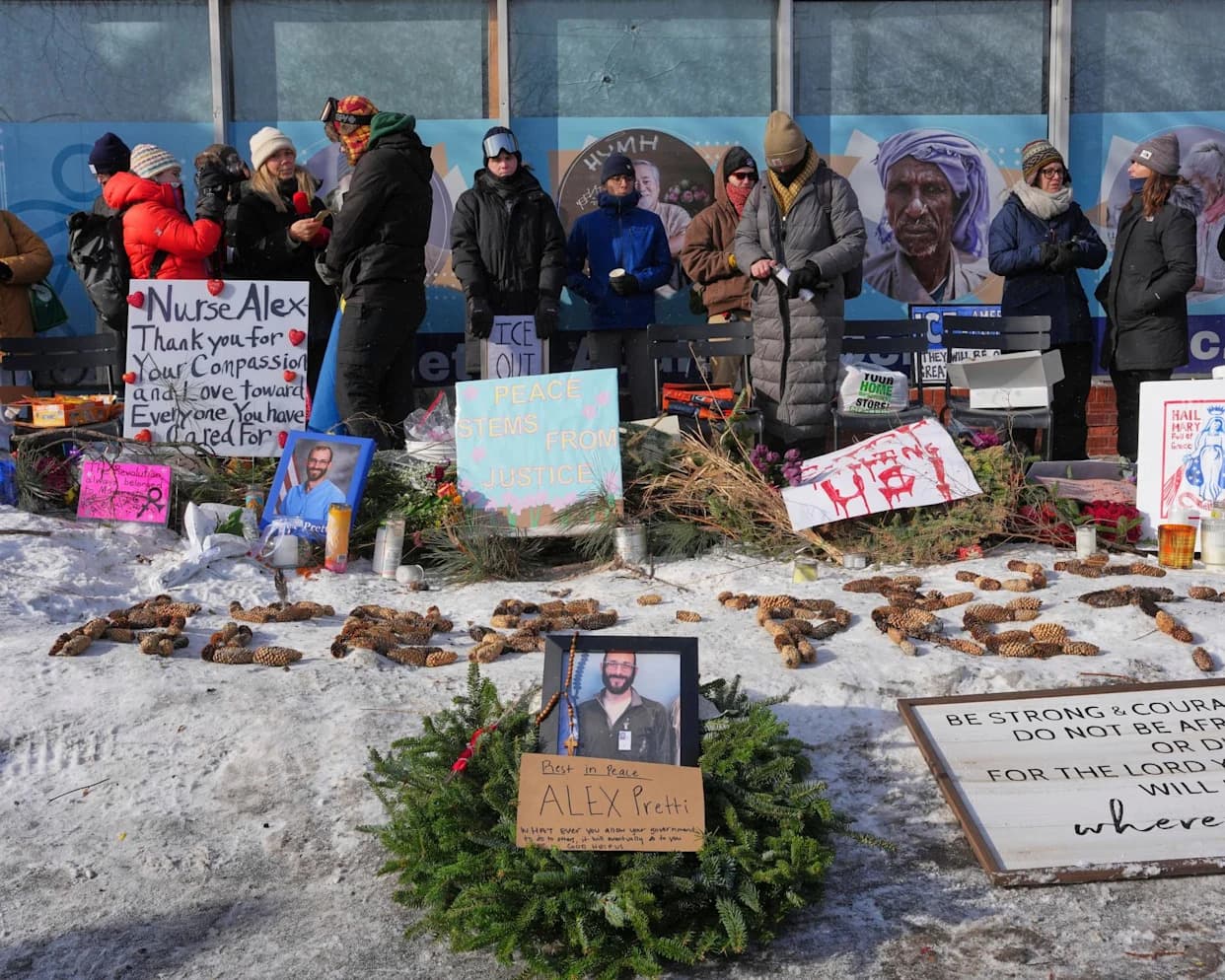
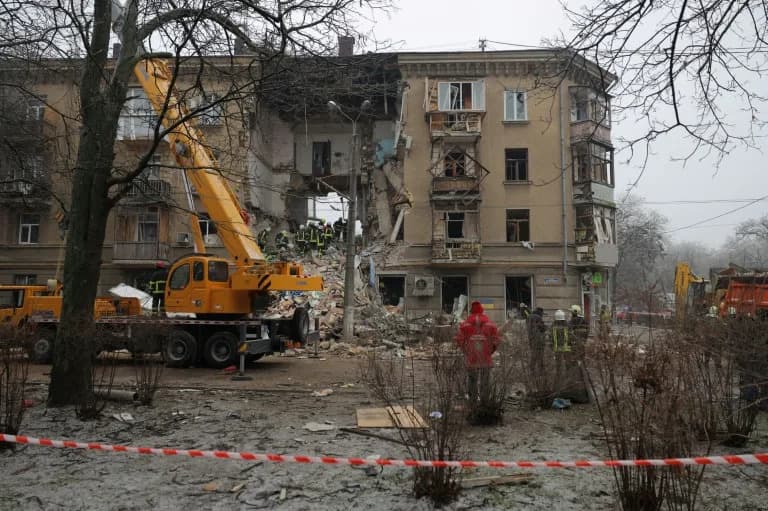
Residents had just learned that one or more federal agents fatally shot Alex Pretti, an intensive-care nurse, on Nicollet Avenue in the Whittier neighborhood. The killing occurred a block from Elizabeth’s climbing gym. Watching livestreams of agents using crowd-control munitions and making arrests, she said, made the risk feel immediate.
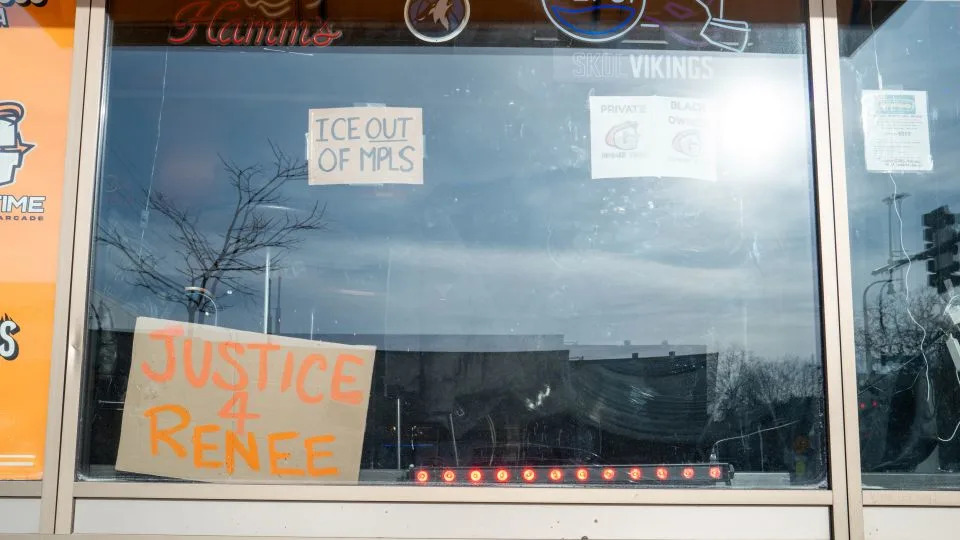
Messages in solidarity with Renee Good are displayed in windows of the Midtown Global Market on January 20 in Minneapolis. - Brandon Bell/Getty Images
Children Carry the Burden
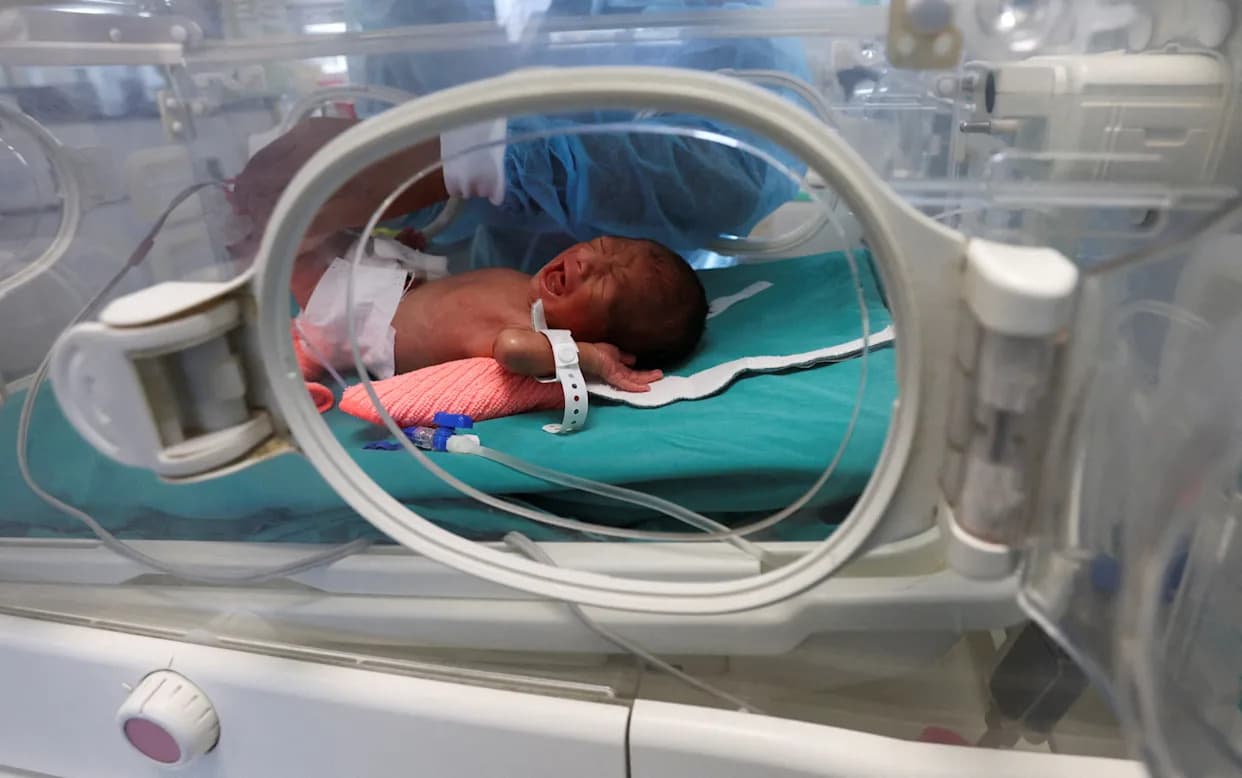
Elizabeth teaches at a predominantly Hispanic school. She described students as young as 2 being detained and rumors circulating that agents had appeared at bus stops. Children ask about ICE unprompted, tell teachers they are scared for their parents, and show behavioral changes — once-chatty children becoming withdrawn and infants clinging more tightly to caregivers.
A snapshot from Danez Smith, taken from a car window. - Danez Smith
“They don’t have the privilege of ignorance,” Elizabeth said. “They could go home and their parents are gone.”
Schools have responded by running Know Your Rights trainings, helping families file Delegation of Parental Authority to avoid foster placements, and delivering food and supplies. Teachers escort students to and from school, post secure photos so parents can confirm their children are safe, and frequently find themselves in tears during staff meetings.
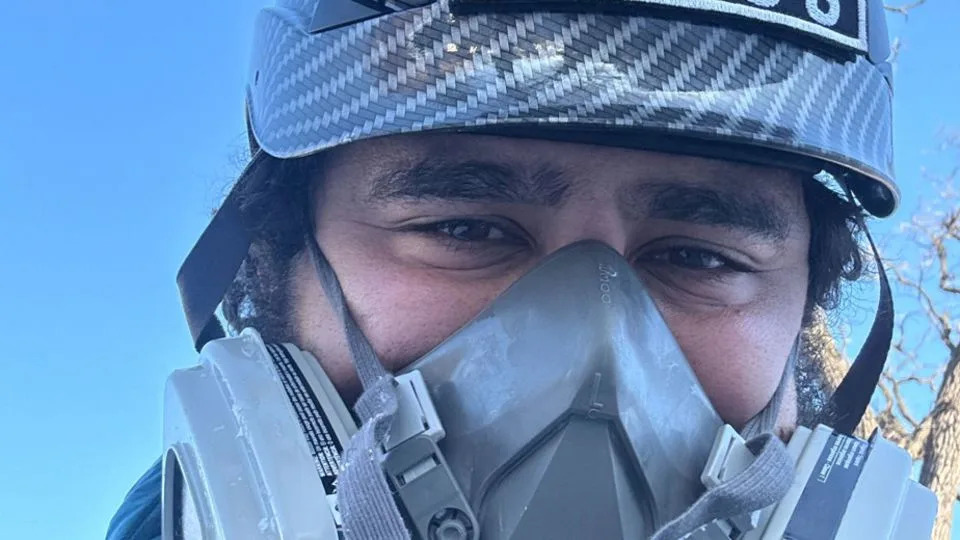
Alex Kormann snaps a selfie on Saturday, while covering ICE altercations following the shooting of Alex Pretti. - Alex Kormann
Neighbors, Businesses and Religious Communities Adapt
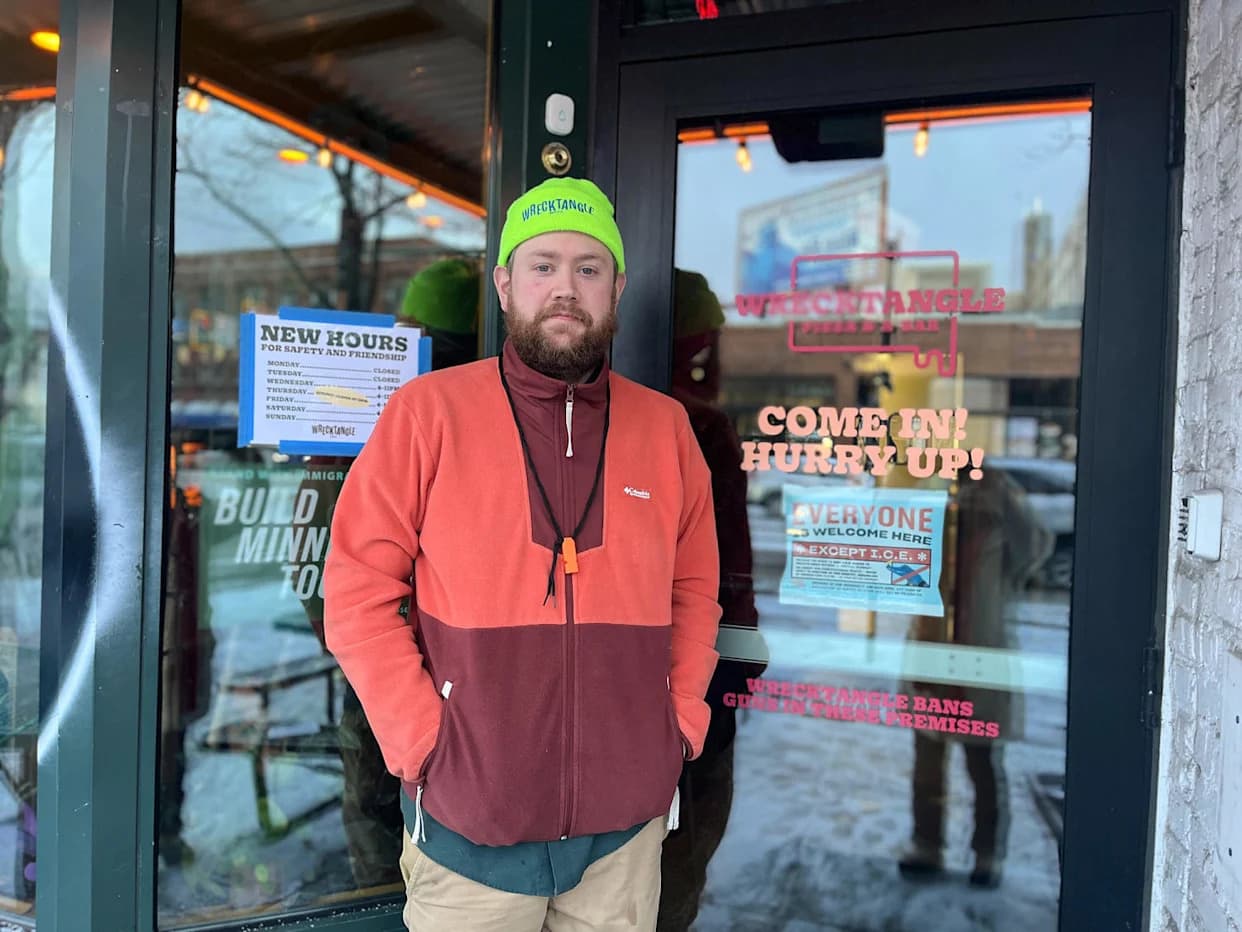
HmongTown, a typically busy farmers market in St. Paul, was nearly empty after two ICE agents appeared nearby earlier in the week. Midway Global Market on East Lake Street and many immigrant-owned businesses have seen sharp drops in customers. Owners worry about rent and survival as regular foot traffic declines.
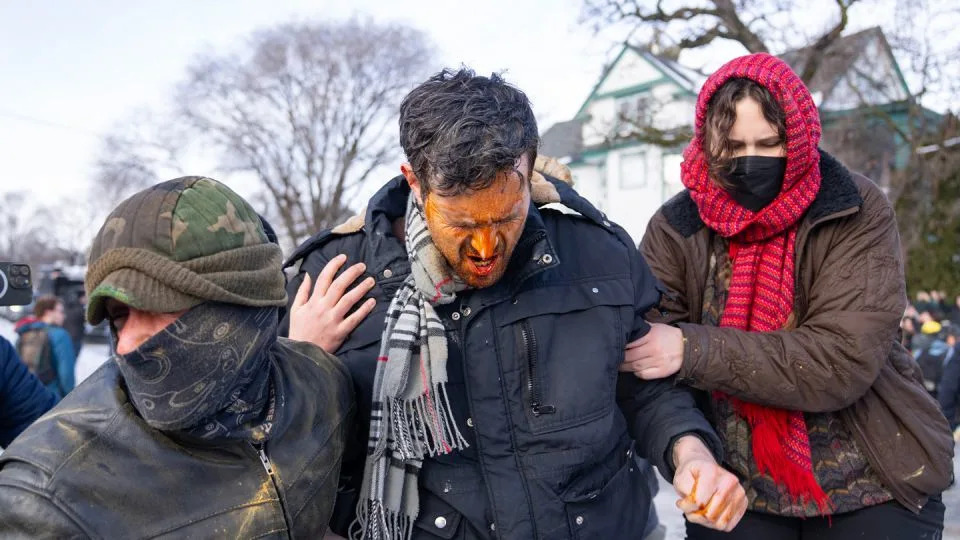
A bystander is helped after being hit with pepper spray shot by a US Border Patrol agent at the scene of Renee Good's death, the same day she was shot and killed. - Alex Kormann/The Minnesota Star Tribune/Getty Images
Churches and congregations have tightened procedures: locked doors during services, volunteers monitoring entryways and parking lots, and distribution of know-your-rights materials. In one East African church in St. Paul, about 100 people gathered for Sunday service and joined a prayer for immigrants and the city.
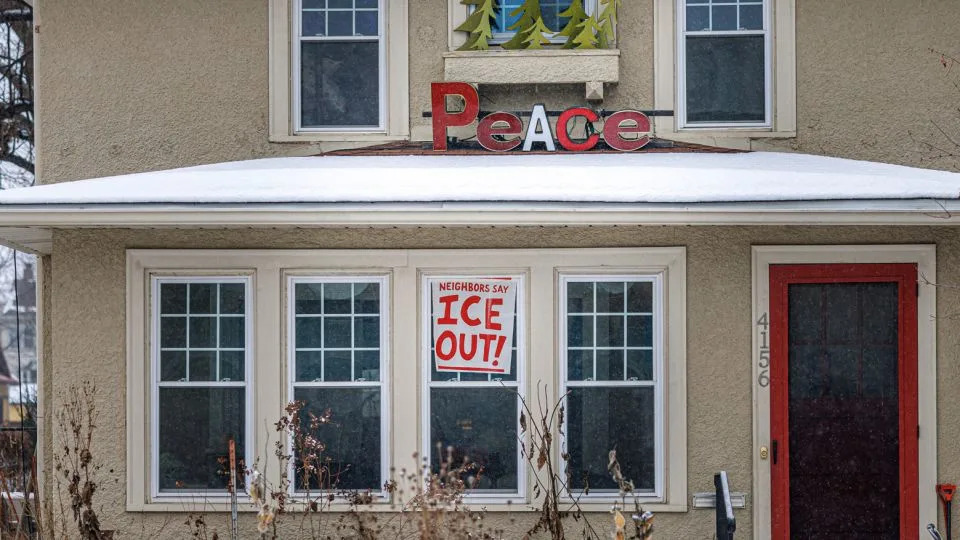
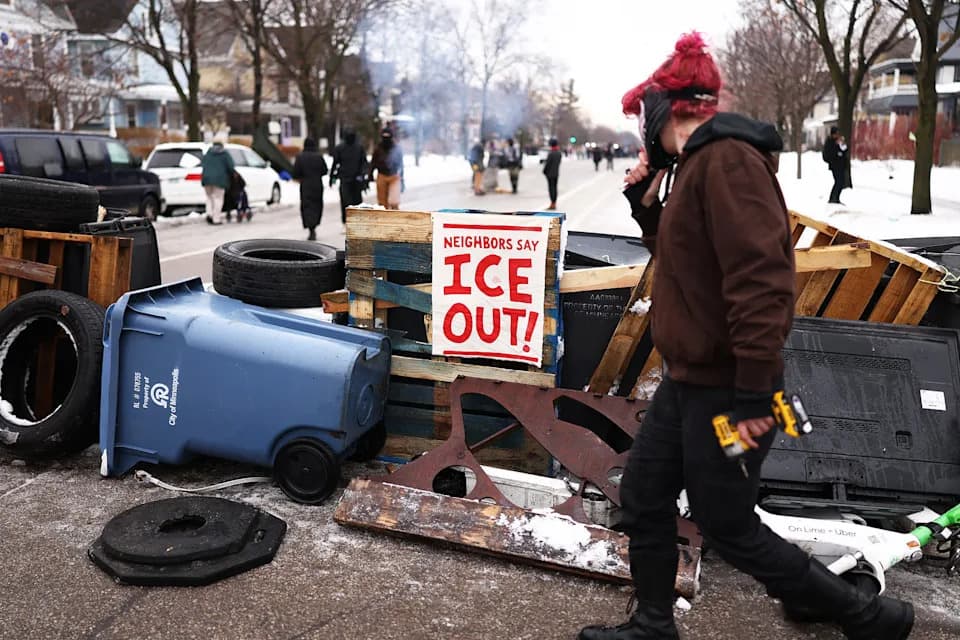
A sign reading "Neighbors Say ICE Out!" is shown in the front window of a home on January 21 in Minneapolis. - Kerem Yücel/Minnesota Public Radio/AP
Mutual Aid and Community Response
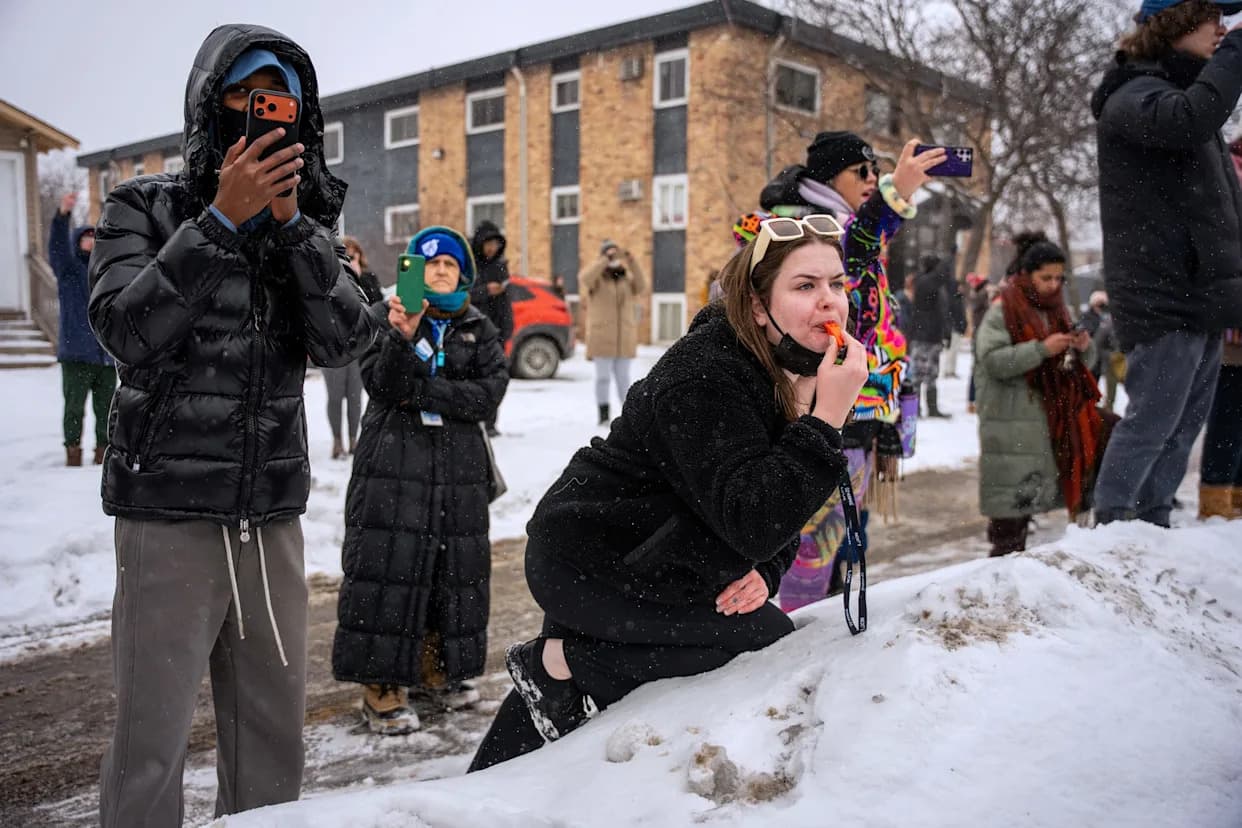
Despite fear and chaos, neighborhoods have mobilized. Local stores and volunteers collected donations — one small Whittier shop received about 50 visitors and filled 16 bins with nonperishables in a day. People brought water, milk and wipes for those affected by chemical irritants and helped care for those injured during confrontations.
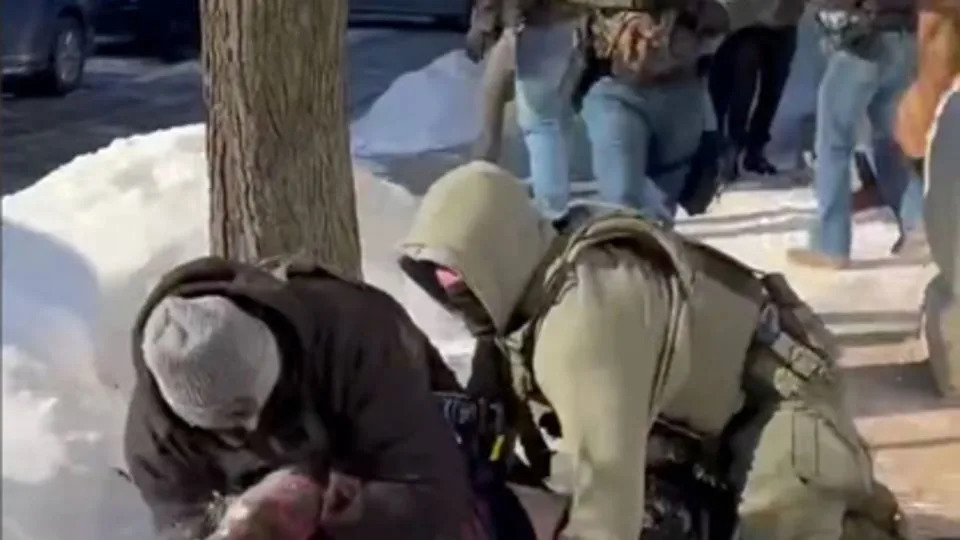
Juan remembered hearing his wife's screams as agents tackled someone to the ground on Saturday. This screenshot is from the video she took. - Obtained by CNN
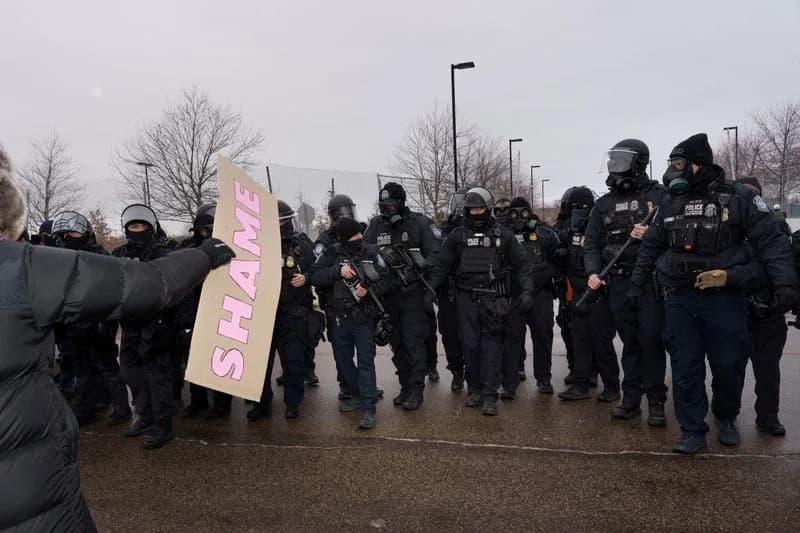
Juan, a lifelong Minneapolis resident who runs a neighborhood store, described an afternoon in which federal agents surrounded the street, pepper spray filled the air and people sought refuge in his shop. He helped wash pepper spray from a man’s eyes and sheltered people as the scene grew chaotic.
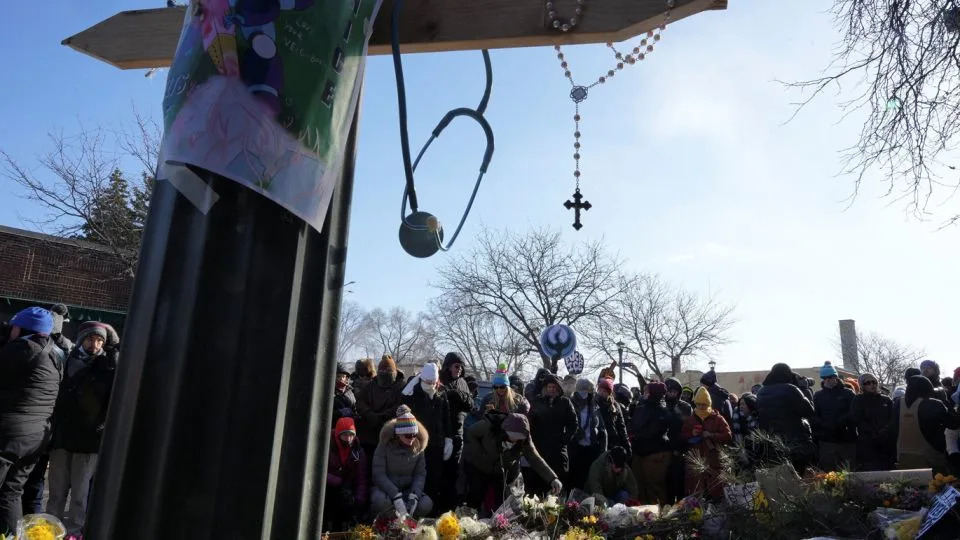
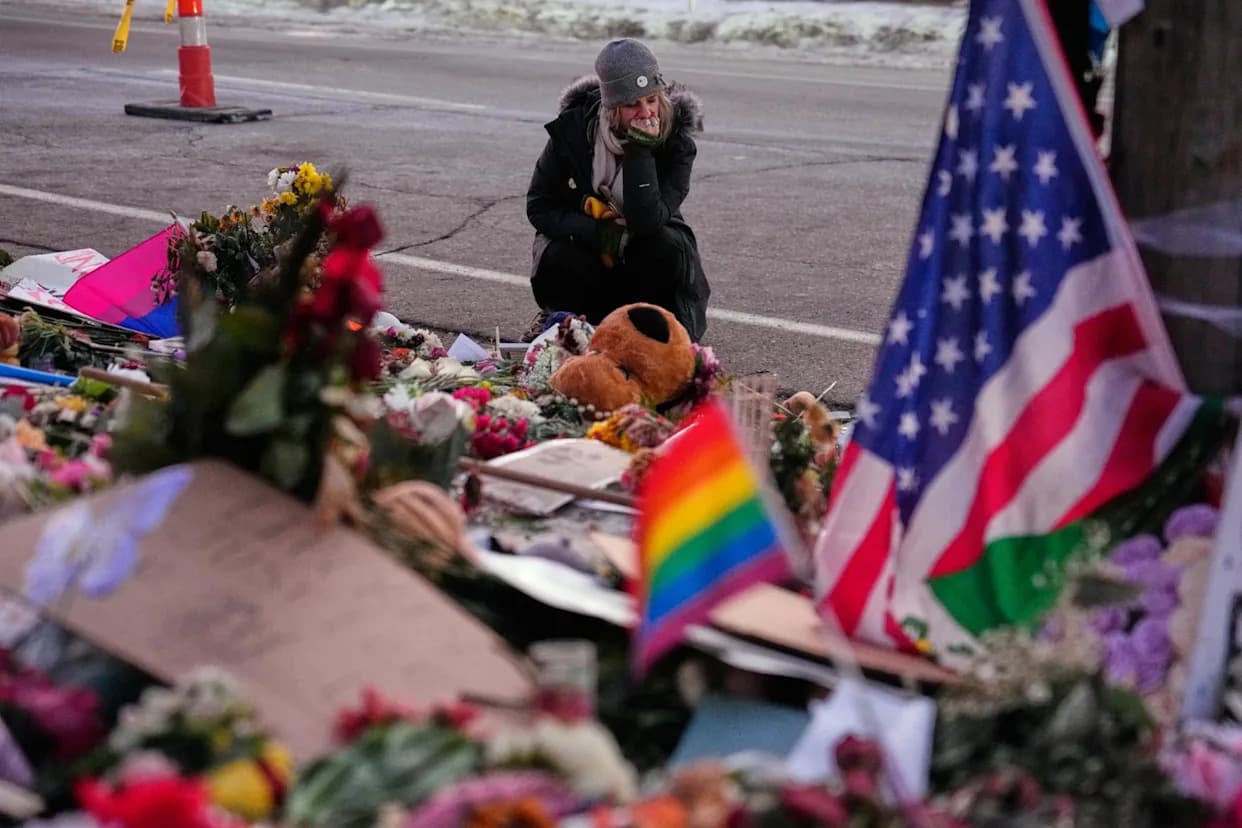
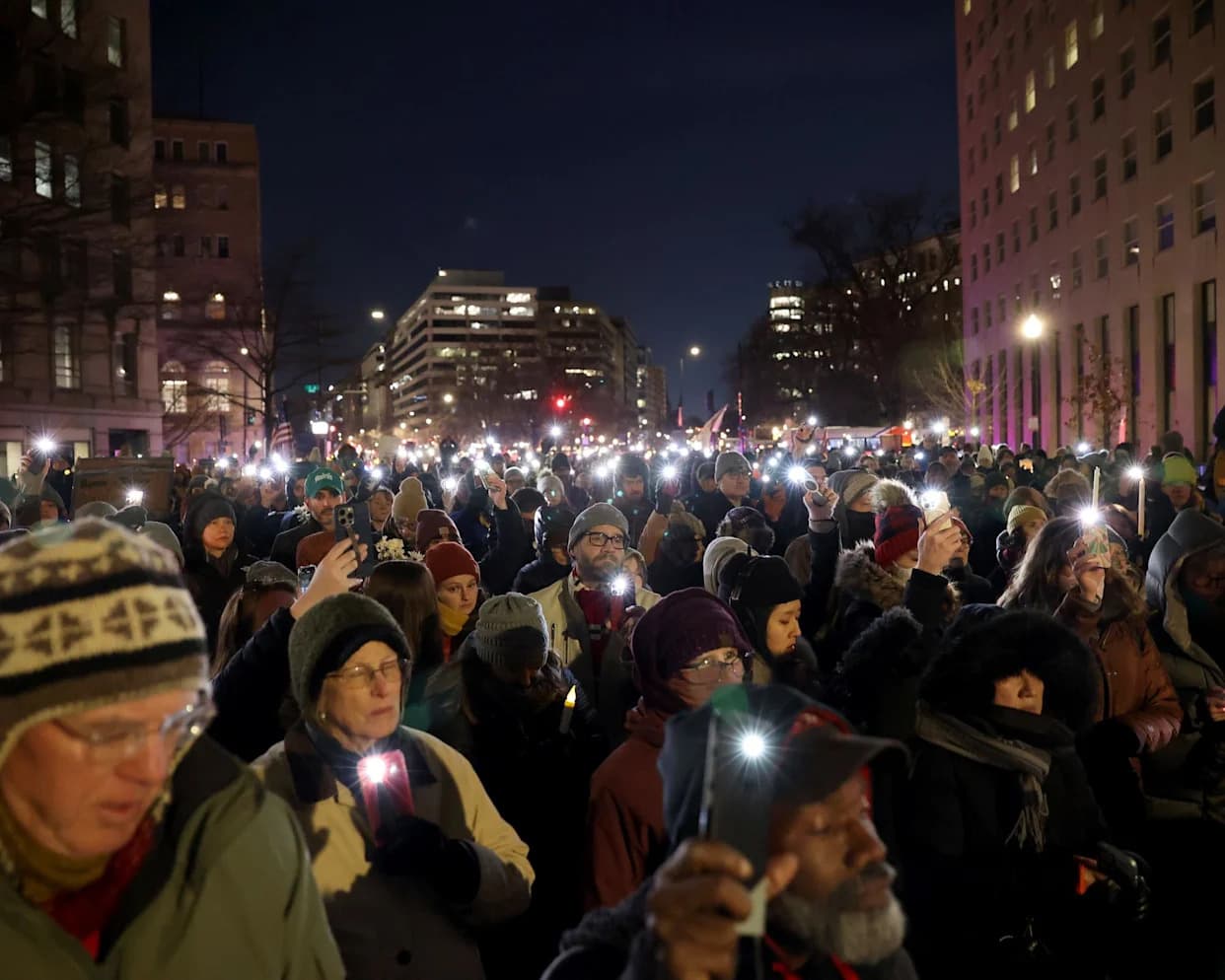
A cross and a stethoscope hang at a makeshift memorial at the site where Alex Pretti was fatally shot. - Tim Evans/Reuters
Everyday Lives Reshaped
Poet Danez Smith described the terror of driving their husband — a Venezuelan immigrant with asylum status and a green card — to work, now protected by carpooling or escorts, because legal status has not guaranteed safety. John and Jessica, a couple in an immigrant congregation, said they now minimize outings, plan every route carefully and feel watched when they move about the city.
Parents like Mary explained how they talk with their 9-year-old son, Leo, about safety and try to balance honesty with reassurance. Many neighbors use encrypted messaging groups to coordinate funds for rent relief and direct assistance; Mary has helped raise thousands for families who can’t safely work.
Journalists and Witnesses Describe a War-Zone Atmosphere
Photographer Alex Kormann arrived at the scene wearing layers, a half gas mask and ballistic goggles. He described repeated exposure to chemical irritants, smoke and the chaos of people screaming and being detained. Vehicles associated with enforcement reportedly ran red lights and moved through neighborhoods quickly; detentions sometimes occurred within minutes if people could not produce documentation on the spot.
“It literally felt like a war zone,” Kormann said. “A place you love turning into a scene from a video game.”
What Residents Say About Enforcement
Federal agencies say their operations target serious criminals. Twin Cities residents — including people with legal status and U.S. citizens — report detainments and aggressive tactics that undercut confidence in that claim. The result is a city in which routine movement, work and child care require new planning and coordination.
Still, amid grief and fear, neighbors are organizing: escorting one another, distributing food, hosting secure communications channels and pooling funds. The community response mixes trauma with determination to protect those most vulnerable.
Correction: The article previously misidentified photographer Alex Kormann’s protective gear. He was wearing ballistic goggles with a half gas mask.
Help us improve.