Summary: Approximately 3,000 federal immigration agents have deployed across Minnesota after the killing of Renee Good, dramatically altering daily life in Minneapolis. Residents report arrests of citizens and long-term residents, temporary school closures and large-scale business shutdowns, while civil-rights groups have filed lawsuits alleging racial and ethnic profiling. Community-led patrols, mutual aid networks and legal observers have rapidly mobilized in response, as federal and local authorities clash over tactics and jurisdiction.
“Make No Mistake: This Is An Occupation” — ICE’s Surge in Minneapolis Upends Daily Life After Renee Good’s Death
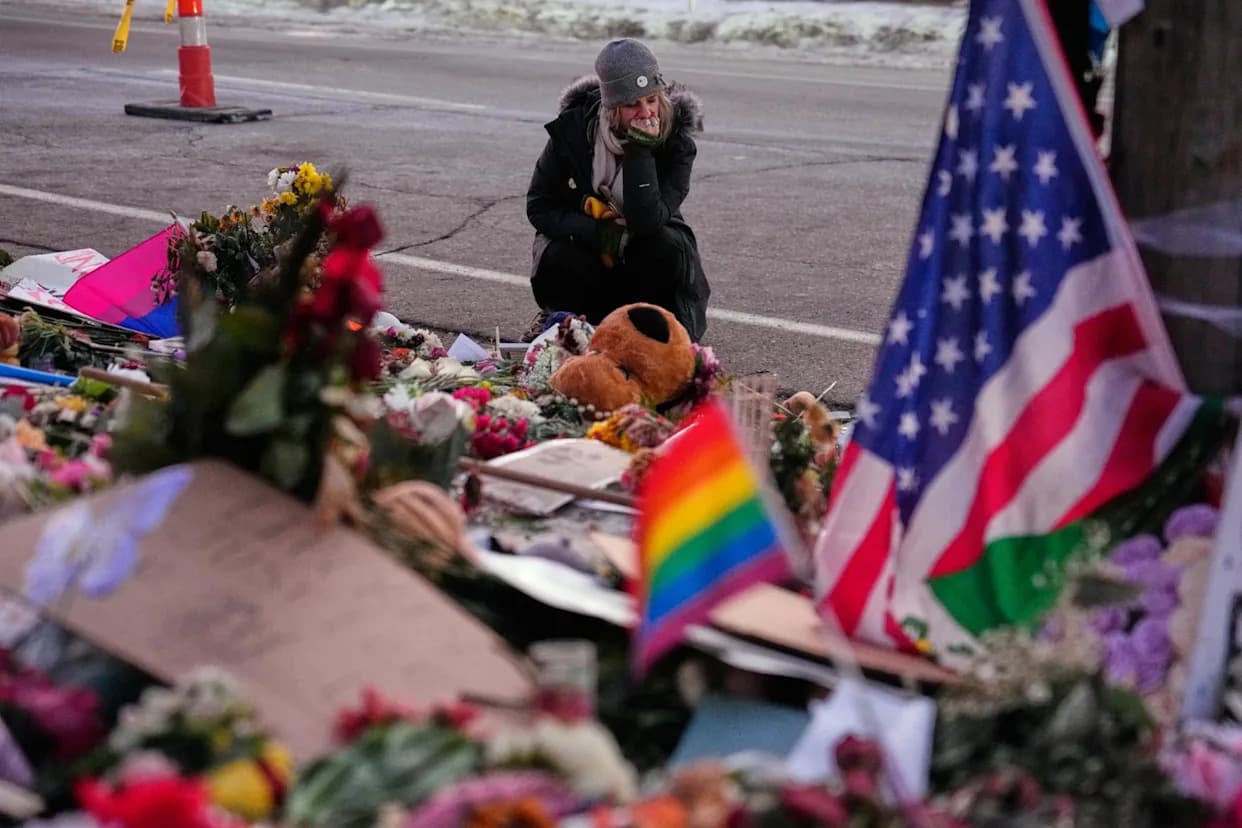
A woman visits a makeshift memorial for Renee Good, who was killed by an Ice agent earlier this month.Photograph: John Locher/AP(Photograph: John Locher/AP)
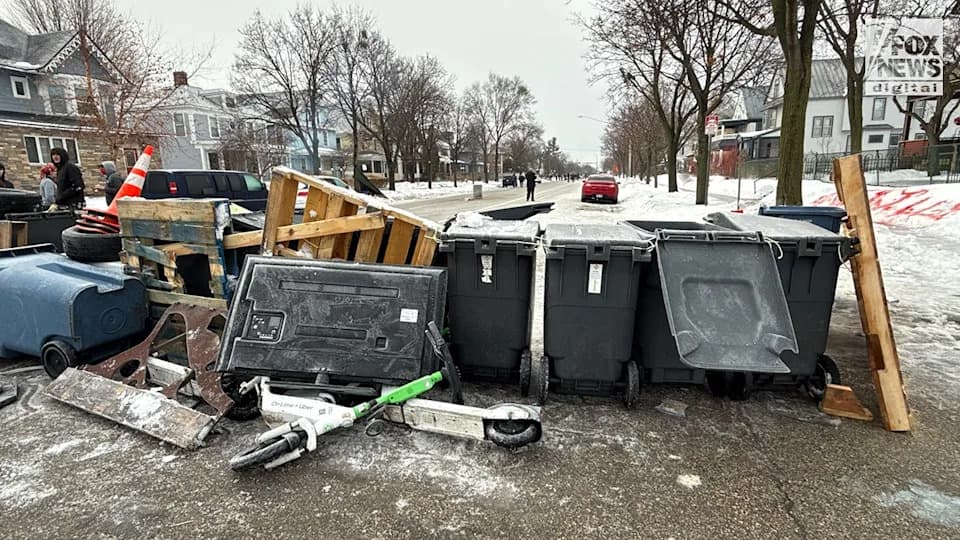
At 6:15am, Jac Kovarik starts their SUV and threads cautiously through icy streets in south Minneapolis, scanning for federal immigration agents. The block where Renee Good was killed by a federal officer has taken on a tense stillness: bus stops are empty and the usual morning bustle has thinned to a trickle.
A City on Edge
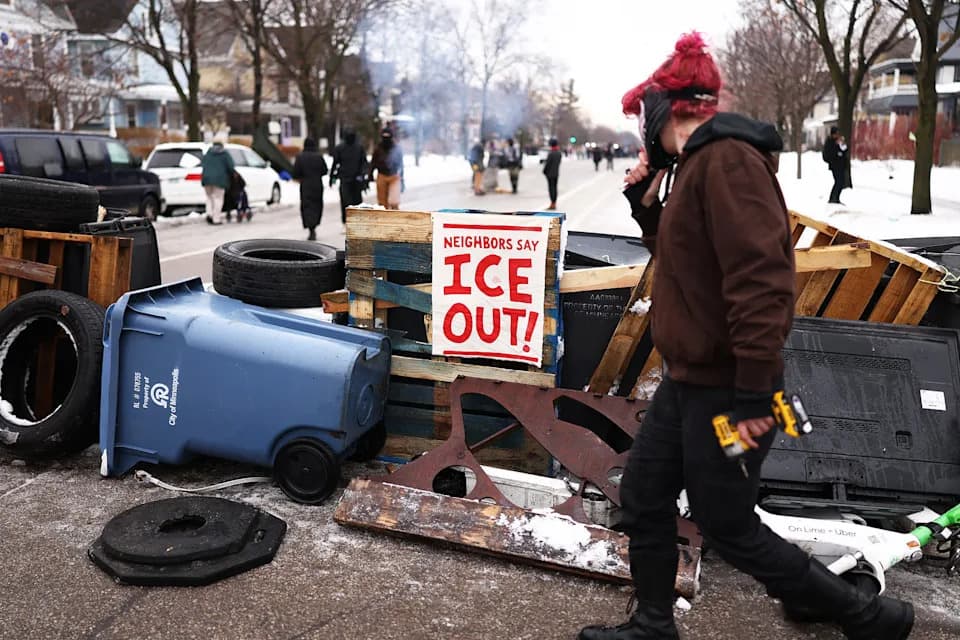
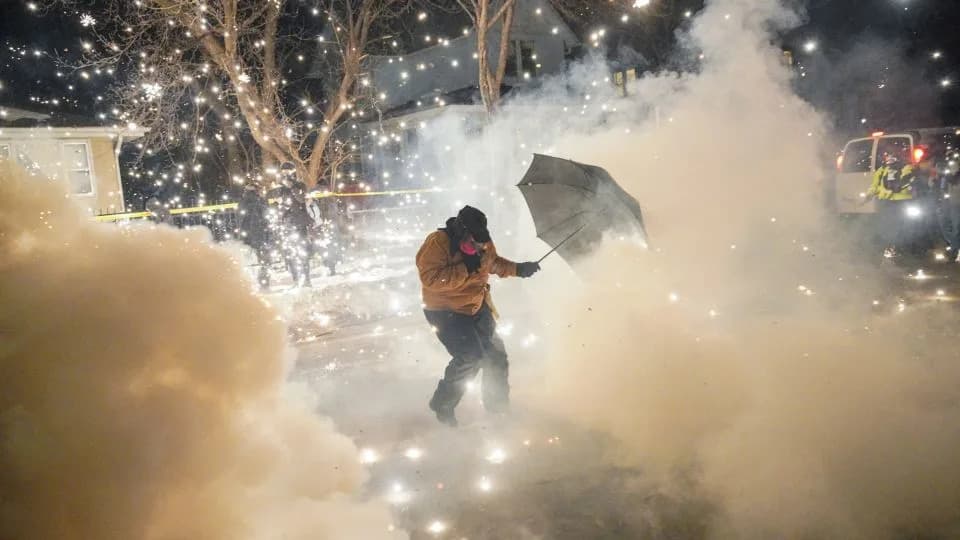
By 7am, the line of parents walking children to school has shrunk to one or two adults. Those who do escort kids are now accompanying not only their own children but also the children of immigrant neighbors too frightened to leave their homes. Volunteers stand on nearly every corner, clutching bright orange whistles; they blow them in unison when someone spots what appears to be an Immigration and Customs Enforcement vehicle.
“Make no mistake, this is an occupation,” said Angela Conley, a Hennepin County commissioner.
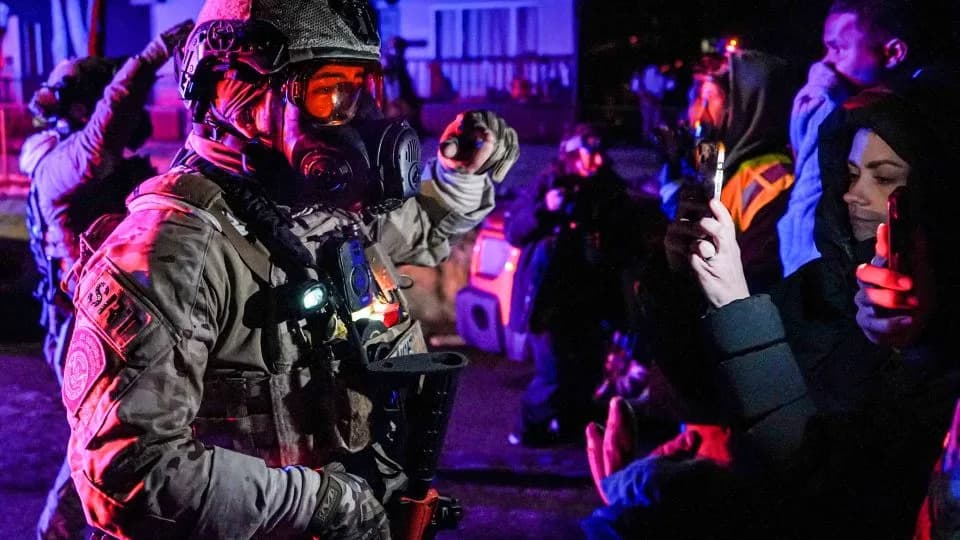
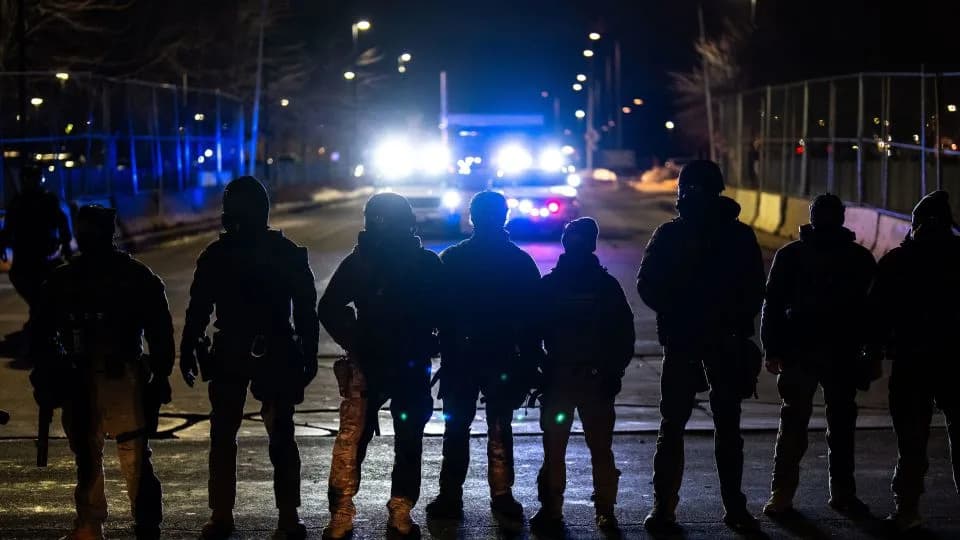
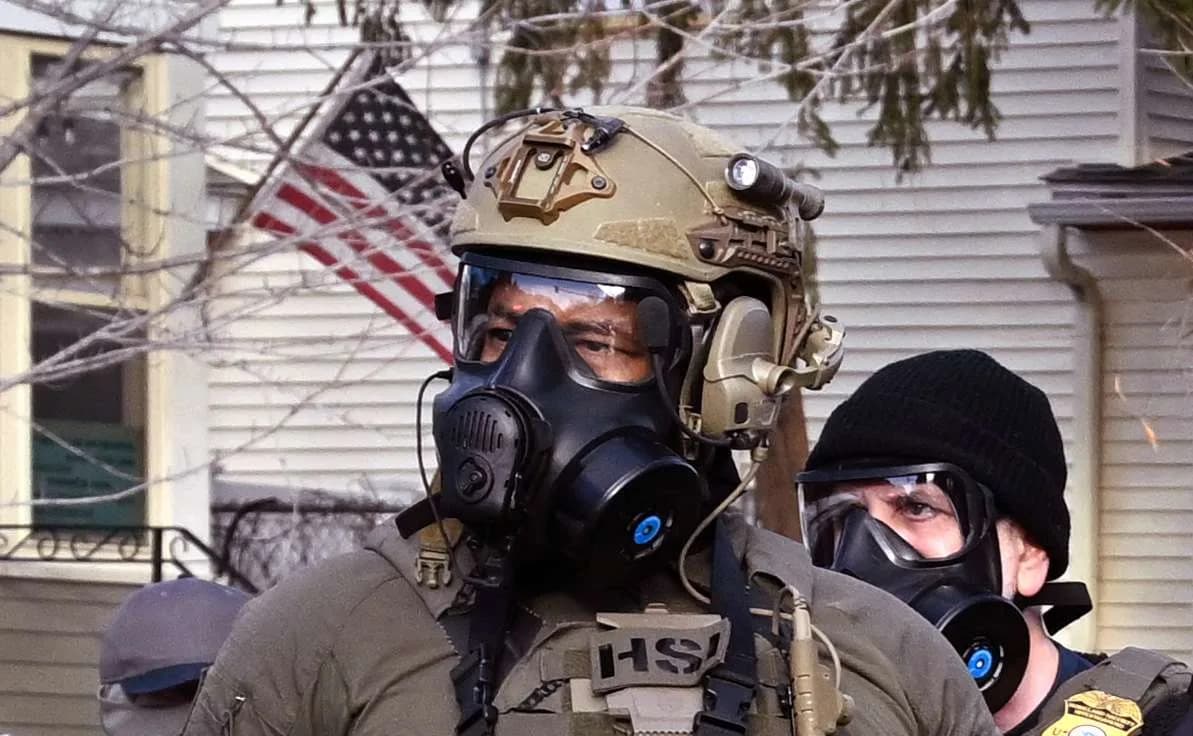
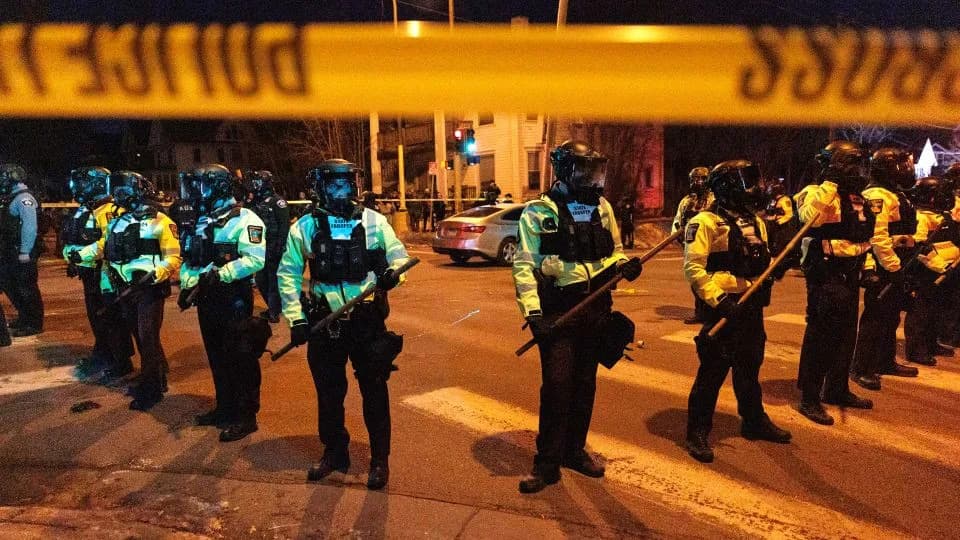
In recent weeks the Trump administration deployed roughly 3,000 federal agents to Minnesota — a force that at times outnumbers the Minneapolis police by about five to one. Armed and often masked, agents have arrested people on commutes, in grocery stores and outside churches. The Department of Homeland Security has described the operation as the largest in the agency's history.
Scope And Controversy
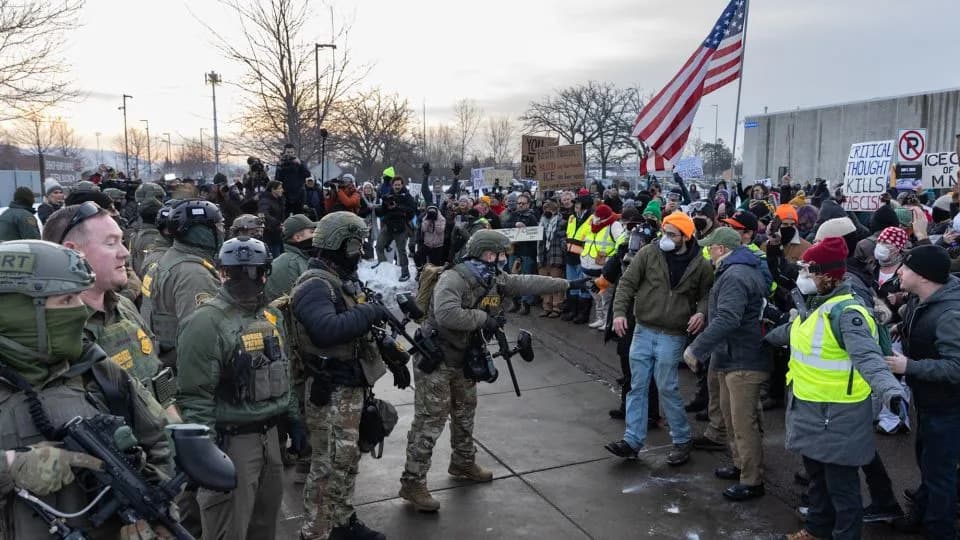
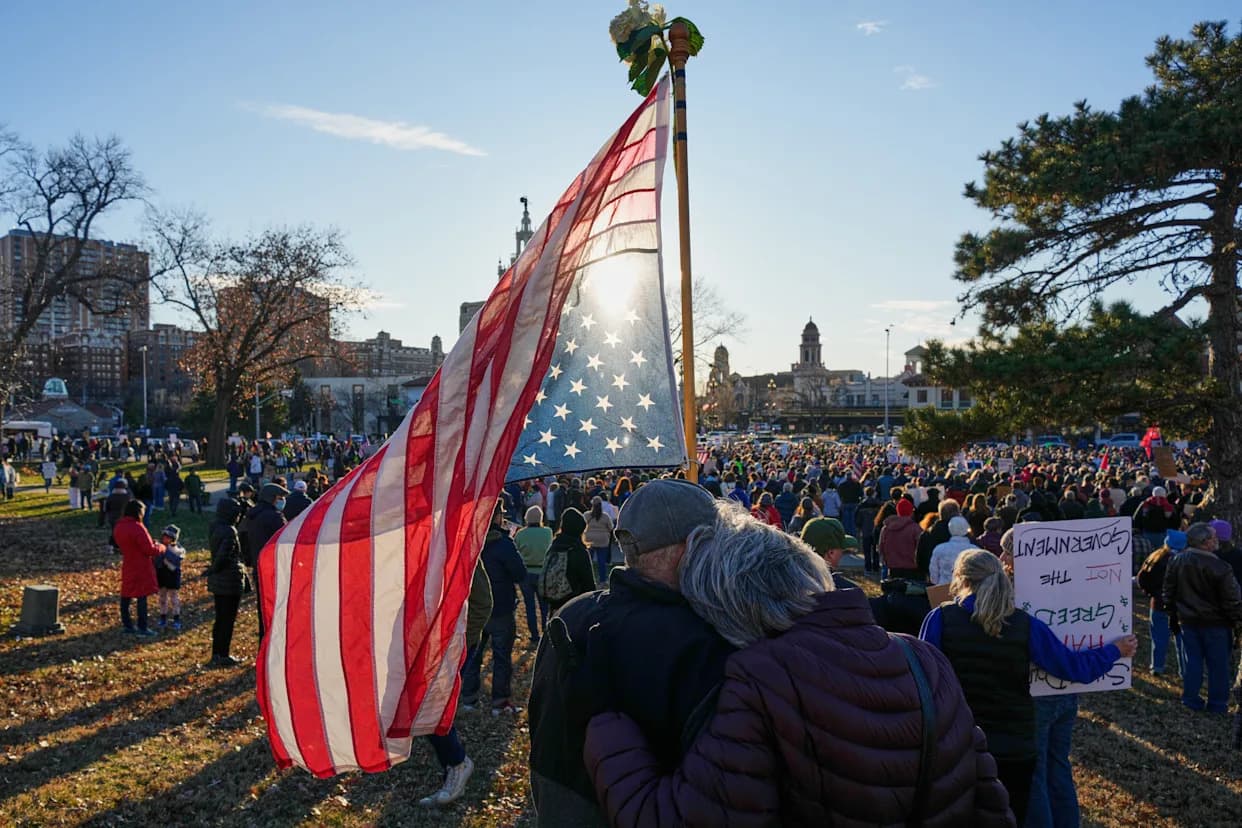
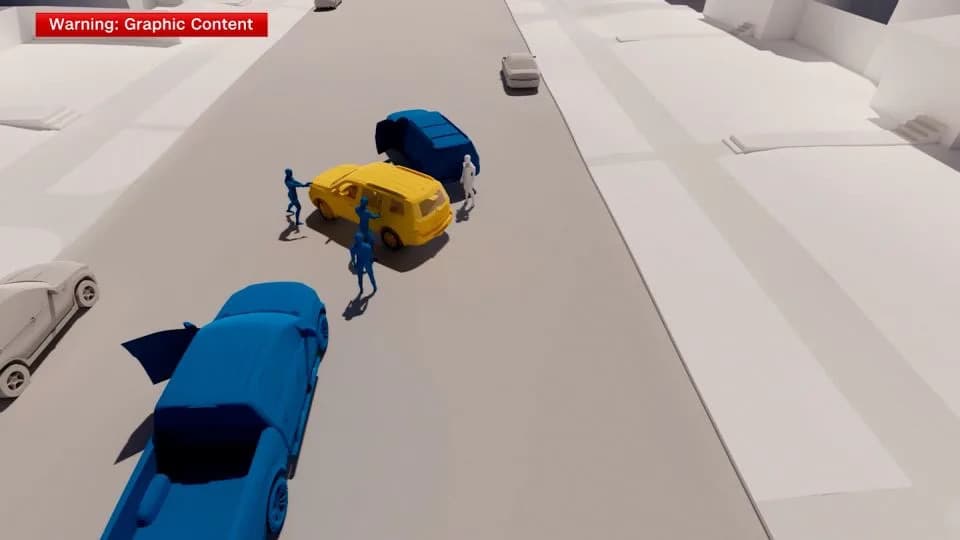
Some officers arrived in early December; many more deployed in January amid a federal focus on alleged social-services fraud. The operation expanded further after the killing of Renee Good, a U.S. citizen, by an ICE agent in Minneapolis — an event that sparked statewide protests. The administration has threatened broader interventions, including invoking the Insurrection Act, and the Department of Justice announced an inquiry into Minnesota officials over an alleged conspiracy to impede federal immigration agents.
Federal authorities say they are targeting undocumented immigrants with criminal backgrounds. Civil-rights groups, local leaders and community members say agents have used increasingly aggressive tactics against U.S. citizens, legal residents, refugees and longtime Minnesotans without criminal records. The American Civil Liberties Union filed a class-action lawsuit alleging racial and ethnic profiling.
Lives Disrupted: Schools, Hospitals, Businesses
After agents entered Roosevelt High School, used chemical irritants outside campus and detained a staff member, Minneapolis public schools closed for two days; parents were subsequently allowed to choose between in-person and remote learning. Healthcare workers reported ICE presence inside the Hennepin County Medical Center, and county leaders say they are reviewing policies to respond.
Commercial corridors have been hit hard: an estimated 80% of immigrant-run businesses in Minneapolis and St. Paul were closed during the week of the crackdown, and sales have plunged since late December. Patrons and vendors now often carry passports and avoid public places, compounding economic strain on communities already under stress.
Personal Stories
Residents told accounts of home raids, arrests during family medical trips, and repeated detentions followed by releases. Garrison Gibson, a Liberian man, was arrested after agents used a battering ram; a judge ordered his release, after which ICE reportedly re-arrested him and then released him again. Daisy Martinez described the trauma of having her husband taken while their six-year-old sat in the car on the way to a hospital appointment.
Community Response
Local rapid-response patrols, mutual aid hubs and legal observers have mobilized across the Twin Cities. Volunteers operate whistles and radio networks to alert residents; donation centers have sprung up in storefronts and galleries; and individuals and small businesses — such as a local towing company — offer pro bono or discounted services to help families affected by arrests.
Mutual aid efforts include distribution centers for food, diapers and warm clothing, and community organizations are fundraising to cover rent, gas, legal fees and supplies for observers. Legal organizations and activists warn residents to be prepared and to know their rights, while offering support networks for those detained.
Legal And Political Fallout
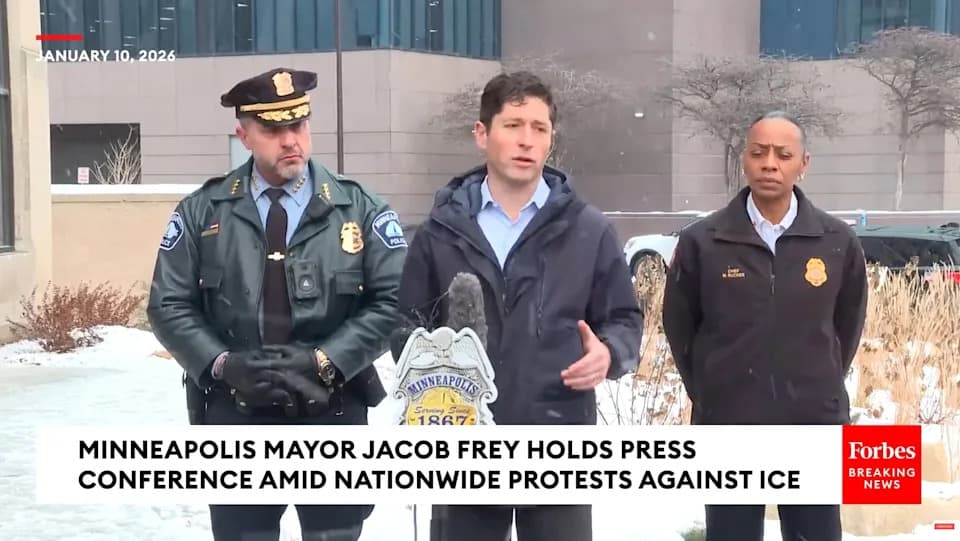
In addition to the ACLU lawsuit, political leaders and city officials have publicly criticized federal tactics. The DOJ inquiry into state and municipal officials, and the administration's public rhetoric about Somali immigrants, have further inflamed tensions in a state with an estimated 84,000 people of Somali descent, most of whom are U.S. citizens or legal residents.
The situation continues to evolve rapidly: protests, legal actions and escalating federal enforcement have left many residents fearful and daily life markedly altered across Minneapolis and surrounding communities.
Note: Names of some residents have been withheld by news outlets to protect privacy. All efforts were made to preserve the original factual reporting while improving clarity and readability.
Help us improve.