
The Trump administration has signed an executive order suspending U.S. support for 66 international organizations following a review of participation and funding. Most targets are U.N.-linked agencies focused on climate, labor and migration; officials call many redundant or misaligned with U.S. interests. Critics warn the move will weaken global cooperation—especially on climate—and reduce U.S. influence in international standards-setting. Further reviews of participation and funding are ongoing.
U.S. Suspends Support for 66 International Bodies, Deepening Retreat From Global Cooperation

FILE - The symbol of the United Nations is displayed outside the Secretariat Building, Feb. 28, 2022, at United Nations Headquarters. (AP Photo/John Minchillo, File)(ASSOCIATED PRESS)
WASHINGTON — The Trump administration has moved to suspend U.S. support for 66 international organizations, signing an executive order after a broad review of American participation and funding in global institutions, including many linked to the United Nations.
Scope and Rationale
Most of the entities named are U.N.-related agencies, commissions and advisory panels that focus on climate, labor, migration and other issues the administration describes as promoting diversity or "woke" priorities. The list also includes non-U.N. groups such as the Partnership for Atlantic Cooperation, the International Institute for Democracy and Electoral Assistance and the Global Counterterrorism Forum.
"The Trump Administration has found these institutions to be redundant in their scope, mismanaged, unnecessary, wasteful, poorly run, captured by the interests of actors advancing their own agendas contrary to our own, or a threat to our nation's sovereignty, freedoms, and general prosperity," the State Department said in a statement.
Political Context
Officials say the pause in support reflects a more selective, "a la carte" approach to multilateral engagement: the U.S. will prioritize participation in bodies where it can protect or advance American interests and compete with rivals like China, for example in areas of telecommunications, maritime regulation and labor standards.
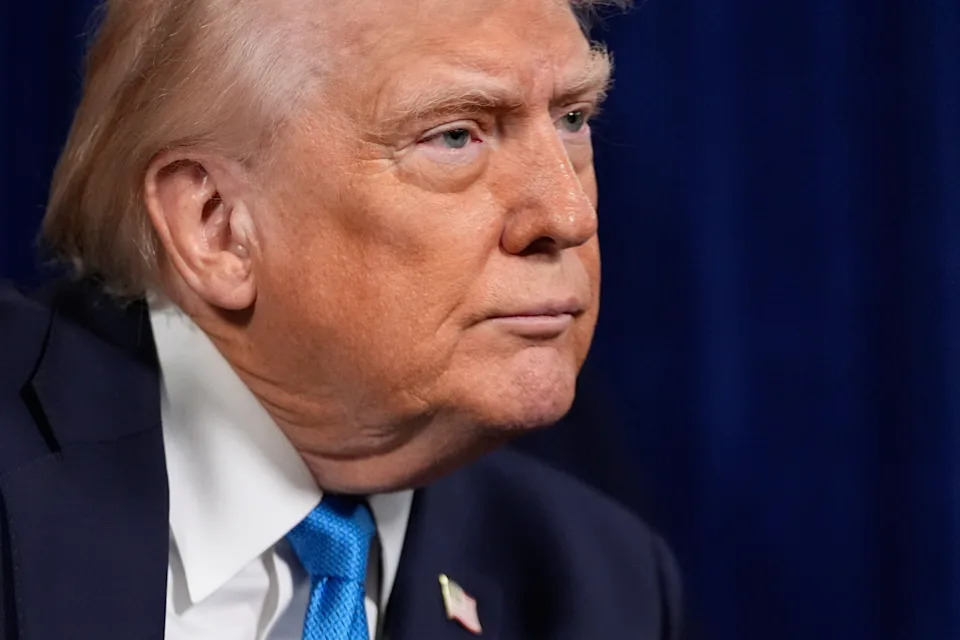
President Donald Trump listens to a question during a news conference at Mar-a-Lago, Saturday, Jan. 3, 2026, in Palm Beach, Fla. (AP Photo/Alex Brandon)(ASSOCIATED PRESS)
Critics say the move undermines U.S. influence and global cooperation on pressing issues, especially climate change. Analysts and former officials warn that withdrawing funding and membership from major treaties and agencies weakens collective action and can encourage other countries to scale back commitments.
Climate And Humanitarian Impacts
The decision includes withdrawal from the U.N. Framework Convention on Climate Change (UNFCCC), the 1992 treaty that underpins international climate negotiations and provides a framework for financial support to developing countries. The UNFCCC is the legal foundation for the Paris Agreement, from which the United States — under President Trump — formally began its withdrawal process during his administration.
Climate experts have warned that U.S. disengagement could slow global progress on emissions reductions. "It will be difficult to achieve meaningful progress on climate change without cooperation from the U.S., one of the world's largest emitters and economies," said Stanford climate scientist Rob Jackson.
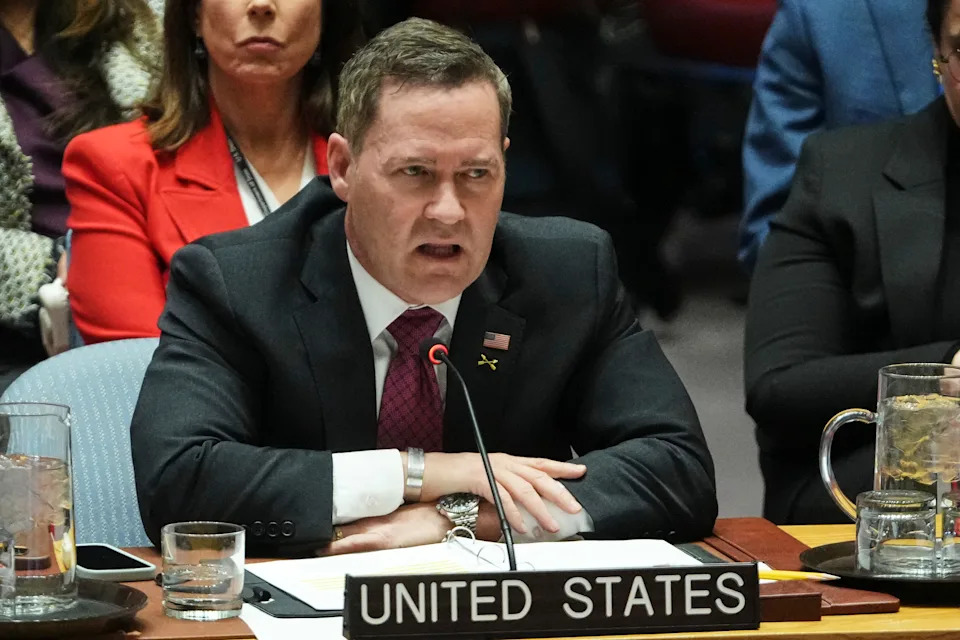
United States' Ambassador to the United Nations Michael Waltz addresses the Security Council Monday, Jan. 5, 2026 at U.N. headquarters. (AP Photo/Frank Franklin II)(ASSOCIATED PRESS)
The U.N.'s population agency, which delivers sexual and reproductive health services worldwide, has long been a flashpoint for Republican opposition. Funding to that agency was cut during President Trump's first term; the Biden administration restored funding in 2021 after a State Department review found no evidence supporting prior allegations of coercive practices.
Previous Withdrawals And Broader Effects
This action follows earlier U.S. pauses or cutoffs of funding for organizations such as the World Health Organization, UNRWA (the U.N. agency for Palestinian refugees), the U.N. Human Rights Council and UNESCO. Independent nongovernmental groups and U.N. partners have reported project closures and staffing cuts after recent reductions in U.S. foreign assistance, including budget cuts routed through USAID.
Names on the current list include the Carbon Free Energy Compact, United Nations University, the International Cotton Advisory Committee, the International Tropical Timber Organization, the Pan-American Institute for Geography and History, the International Federation of Arts Councils and Culture Agencies and the International Lead and Zinc Study Group. The State Department said additional reviews of participation and funding are ongoing.
What Comes Next
The suspensions will require consultations with Congress, treaty partners and the organizations involved before they become permanent. Observers say the practical effects will vary by organization and depend on whether other member states fill funding gaps or whether U.S. withdrawal triggers broader changes in governance and activity.
Correction: Daniel Forti's title at the International Crisis Group is head of U.N. affairs.
Help us improve.


