The ECFR and Oxford survey of roughly 26,000 people in 21 countries (November 2025) finds broad public expectations that China will gain global influence over the next decade. South Africa (83%), Brazil (72%) and Turkey (63%) show the strongest belief in China’s rise; the U.S. and EU averages were 54% and 53% respectively. Respondents pointed to China’s tech and manufacturing strengths, while many also view Beijing as a partner rather than an adversary. The report links shifts in public opinion in part to the foreign‑policy stance of U.S. President Donald Trump, and warns of possible geopolitical risks from diminished confidence in U.S. leadership.
Global Poll Finds Broad Expectation That China Will Gain Influence — ECFR/Oxford Survey
Credit - Getty Images
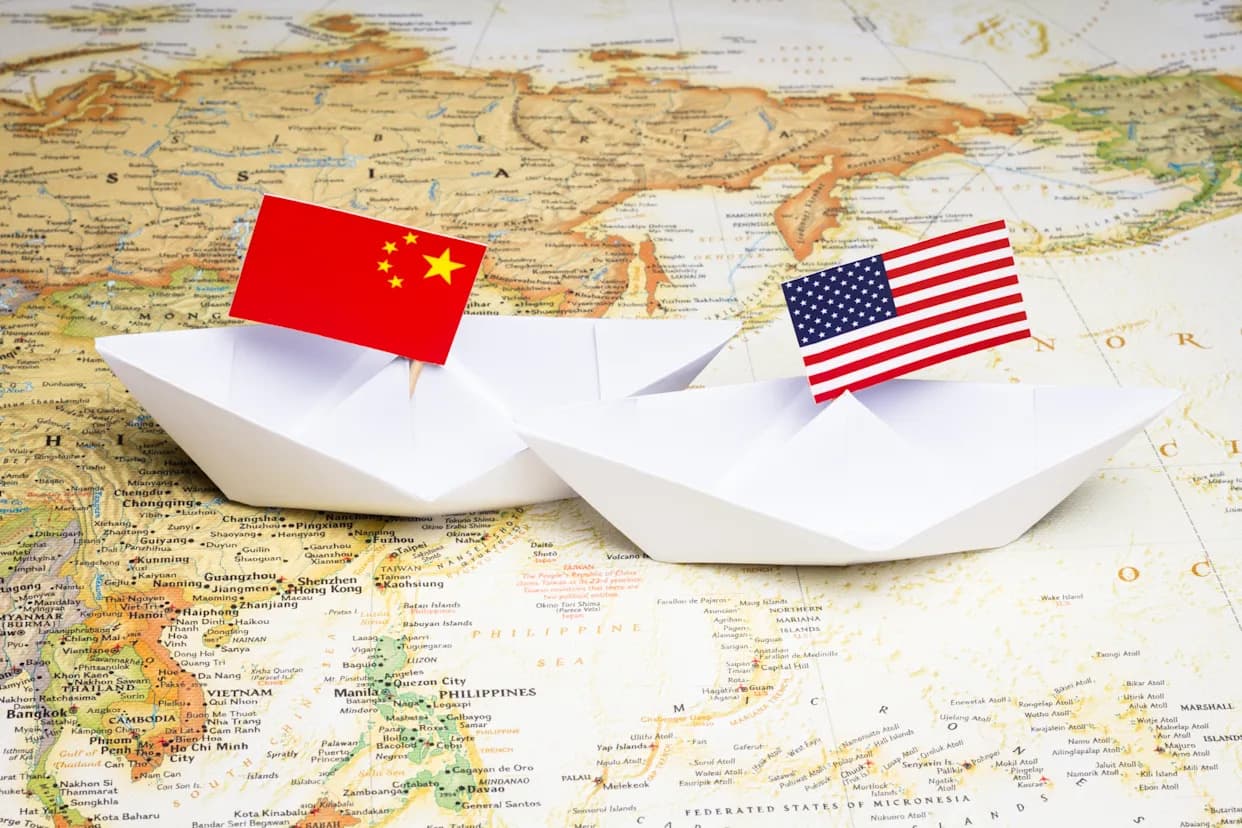
Results from a major international poll by the European Council on Foreign Relations (ECFR), conducted with Oxford University’s Europe in a Changing World programme, show that a large share of people across 21 countries expect China’s global influence to grow over the next decade.
Survey Overview
The survey, carried out in November 2025 and polling roughly 26,000 people, covered 21 territories: Brazil, China, India, Russia, South Africa, South Korea, Switzerland, Turkey, the U.K., Ukraine, the U.S., and ten EU member states (Bulgaria, Denmark, Estonia, France, Germany, Hungary, Italy, Poland, Portugal and Spain). The EU figures in the report are a simple average of those ten countries. Fieldwork took place before the U.S. abduction of former Venezuelan President Nicolas Maduro in January 2026.
Key Findings
Across almost all surveyed countries, a plurality or majority of respondents expected China to gain influence over the next ten years. South Africa led the responses with 83% of respondents saying China will have more global influence, followed by Brazil (72%) and Turkey (63%). In the United States, 54% of respondents anticipated greater Chinese influence; the ten-country EU average was 53%, and the U.K. recorded 50%.
In many places, sizable shares of respondents said China’s global role would remain unchanged because it already holds considerable influence today.
Why Respondents Cited China’s Rise
Many respondents pointed to China's technological and manufacturing strengths as drivers of its projected rise. Majorities in China and across the EU expect China to lead the world in electric-vehicle production within a decade, and beliefs that China will lead in renewable technologies and renewable energy have grown among EU and U.S. respondents over the past two years.
China as Partner, Rival or Adversary
Concerns about China's rise were limited in most surveyed countries. Only in Ukraine and South Korea did a majority describe China as a rival or adversary. In contrast, an increasing number of people in several countries now view China as an ally or a necessary strategic partner compared with the previous year: 41% of U.S. respondents called China a necessary partner, and 47% of Indians saw China as an ally or necessary partner. Several countries also expect bilateral ties with China to strengthen in the next five years — notably South Africa (71%) and Brazil (52%).
Views on the United States
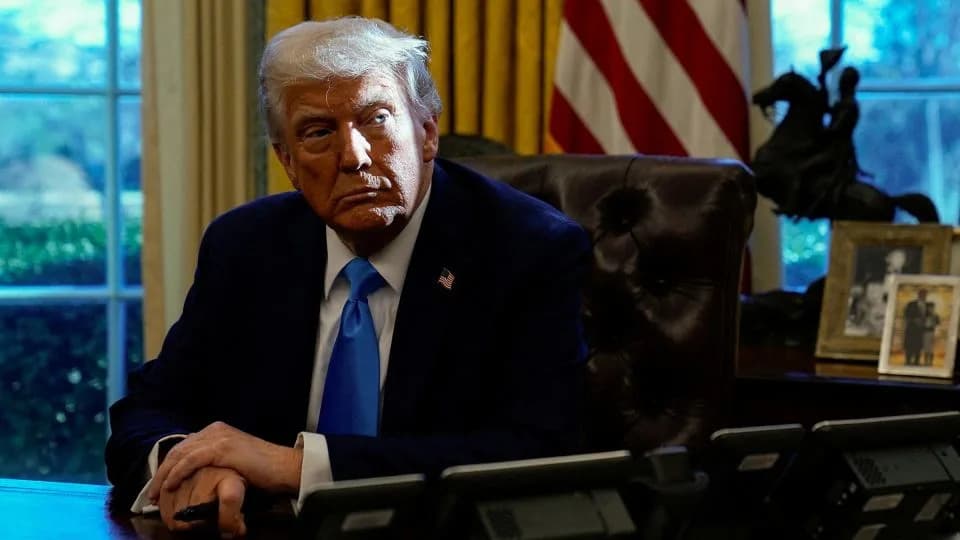
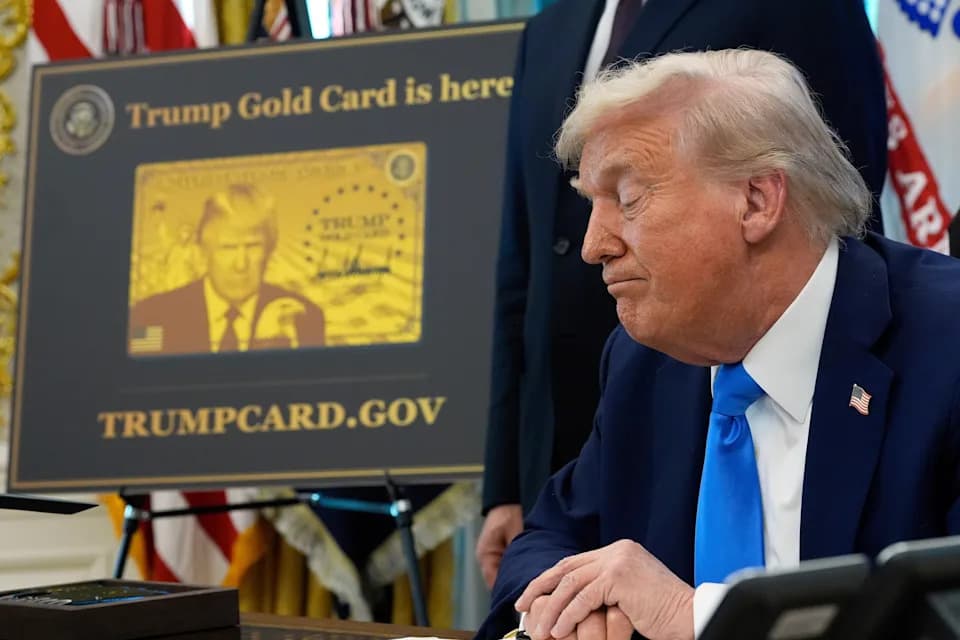
The report links some of these shifts to the foreign policy approach of U.S. President Donald Trump. It suggests that Trump's 'America First' posture and visible retrenchment from some international forums have reduced confidence in U.S. leadership among parts of the global public, opening space for Beijing to present itself as a diplomatic alternative.
Nevertheless, most countries do not expect the U.S. to disappear from global affairs. In several places — including China, Russia, the U.K., Switzerland, Ukraine, the EU aggregate, South Korea and the U.S. itself — only a minority expect U.S. influence to increase over the next decade, and roughly one in four respondents in China, Russia, Ukraine and the U.S. think American influence will decline.
Traditional U.S. partners still often view the United States as an ally or a necessary partner: 89% of South Koreans, 88% of Ukrainians and 76% of Indians hold that view. Across the EU average, only 16% of respondents considered the U.S. an ally while 20% viewed it as a rival or adversary; in some EU countries nearly 30% saw the U.S. as adversarial.
Context And Illustrative Quotes
The ECFR report observes that many outside the traditional West now imagine a more multipolar world in which China plays a central role. 'From the perspective of much of the global public, the multipolar order is perfectly compatible with the world of "China First,"' the report says.
'We are just 15 days into the year 2026, but the year already has seen black swans and grey rhinos one after the other. Instability and uncertainty are raging all around,' China’s U.S. envoy Xie Feng said, adding: 'Where will the world be heading? Humanity is facing a grave choice. Peace or war. Openness or isolation. Cooperation or confrontation.'
The report contrasts its findings with earlier surveys, such as one by Singapore’s ISEAS‑Yusof Ishak Institute, which suggested some Southeast Asians might prefer the U.S. The ECFR data indicate many countries do not feel forced to choose between Washington and Beijing, instead expecting more room for their own countries to grow.
Policy Signals And Risks
The study notes that Trump's trade measures — including broad tariffs on EU imports and other trade actions around the world — and episodic shifts in U.S. policy (for example the temporary pause in military aid to Ukraine) have affected perceptions of U.S. reliability. Some analysts warn that U.S. retrenchment could encourage Russia and China to be more assertive regionally.
Other specific developments mentioned in the report include the Trump administration's renewed interest in Greenland. The survey findings also show a decline in positive expectations about Trump in several countries: for example, among Indians the share who said Trump’s 2024 victory would be good for their country fell from 84% at the end of 2024 to 53% in the November 2025 survey.
Takeaway
The ECFR/Oxford survey suggests a global public increasingly expects a multipolar order in which China plays a larger role, while faith in U.S. leadership has weakened in some regions amid policy shifts under President Trump. These perceptions vary widely by country and reflect both economic and geopolitical considerations.
Contact us at letters@time.com.
Help us improve.