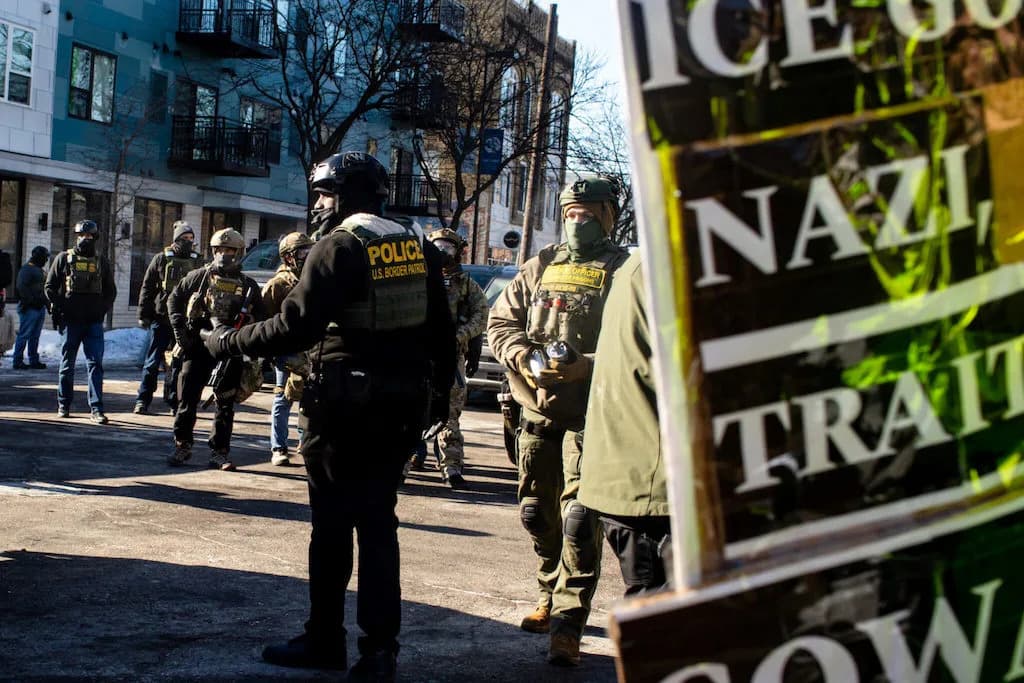
One month after nationwide protests in Iran were met with a violent crackdown, fears of wider regional escalation rose as the U.S. positioned naval forces capable of strikes. Activists report at least 6,221 dead and over 42,300 detained, figures far higher than Tehran’s official toll of 3,117. Saudi Arabia and the UAE refuse to allow their airspace to be used for attacks, while regional diplomacy intensifies amid internet blackouts and mounting public anger.
Mideast on Edge: One Month Into Iran’s Protests as Fears of a U.S. Strike Grow
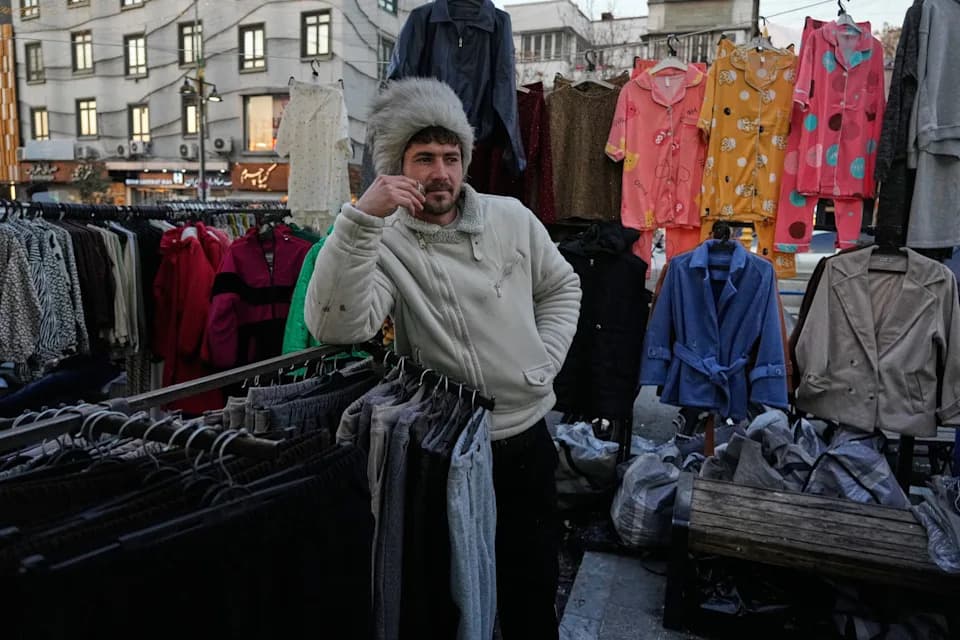
A vendor waits for customers at Tajrish Square in Tehran, Iran, Tuesday, Jan. 27, 2026. (AP Photo/Vahid Salemi)(ASSOCIATED PRESS)
One month after nationwide protests in Iran were met with a brutal crackdown, regional leaders and diplomats scrambled Wednesday to prevent a wider escalation as the United States positioned naval forces that could launch strikes from the sea.
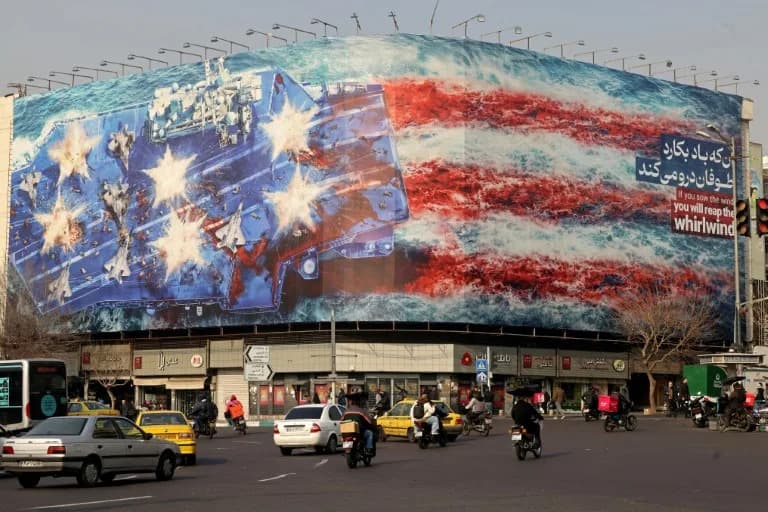
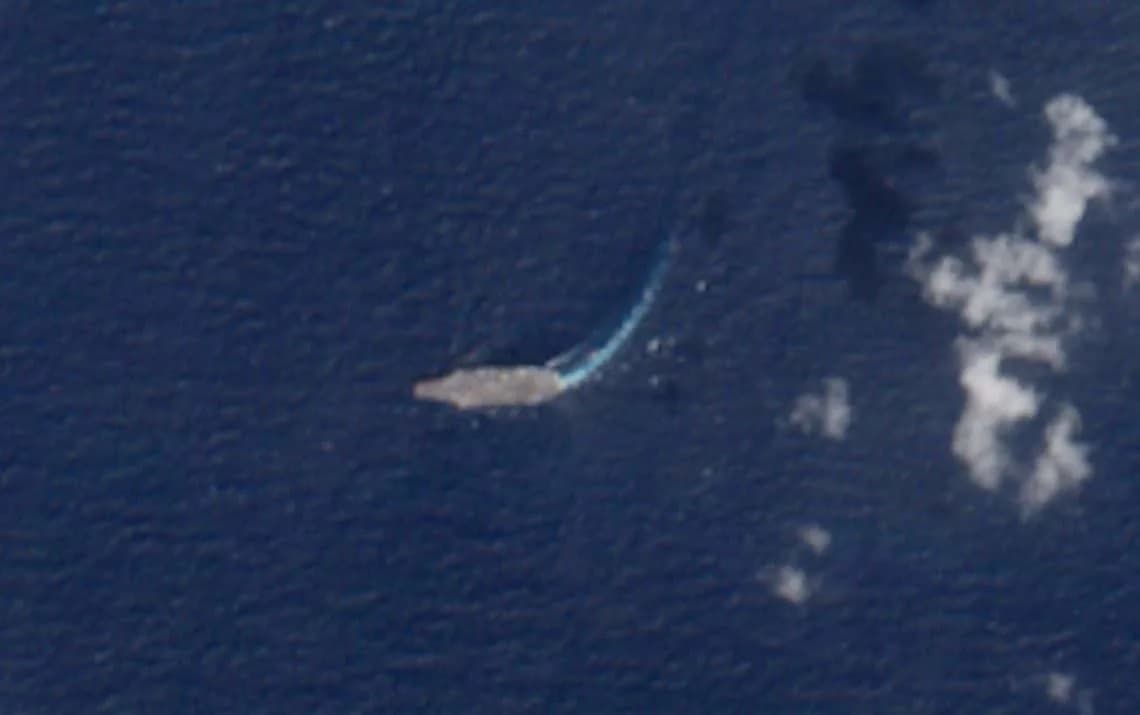
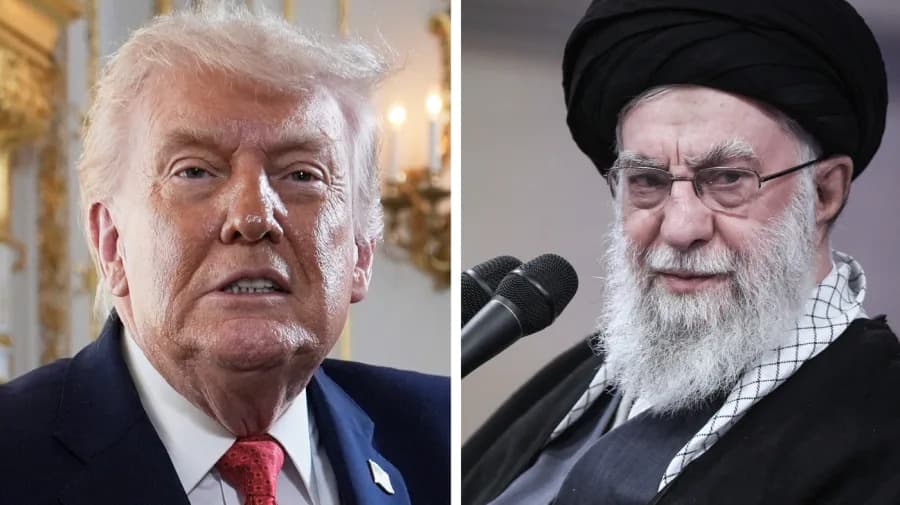
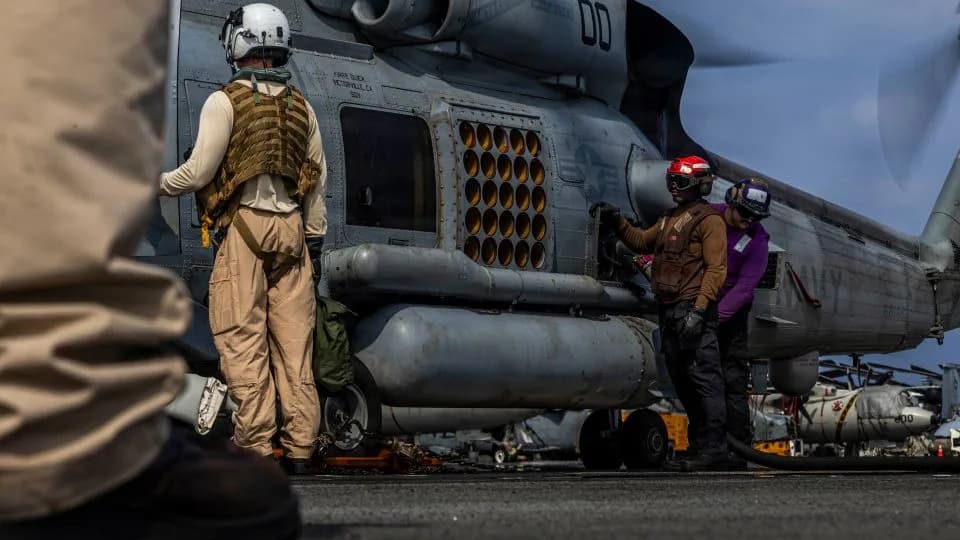
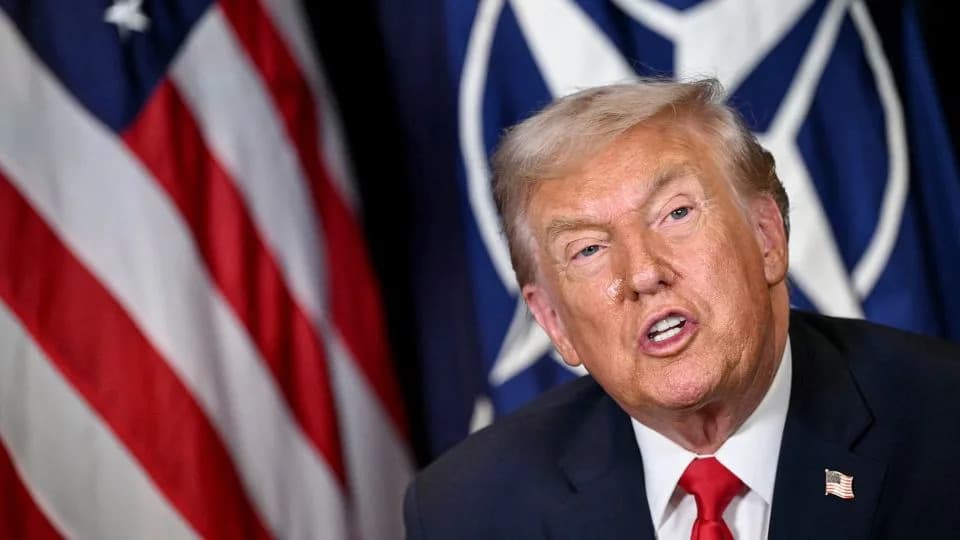
Saudi Arabia and the United Arab Emirates have both said they will not permit their airspace to be used for any attack on Iran, while the U.S. has moved the aircraft carrier USS Abraham Lincoln and several guided‑missile destroyers into the region. It remained unclear whether U.S. President Donald Trump would authorize the use of force; he had publicly set two red lines: the killing of peaceful demonstrators and any mass executions of detainees.
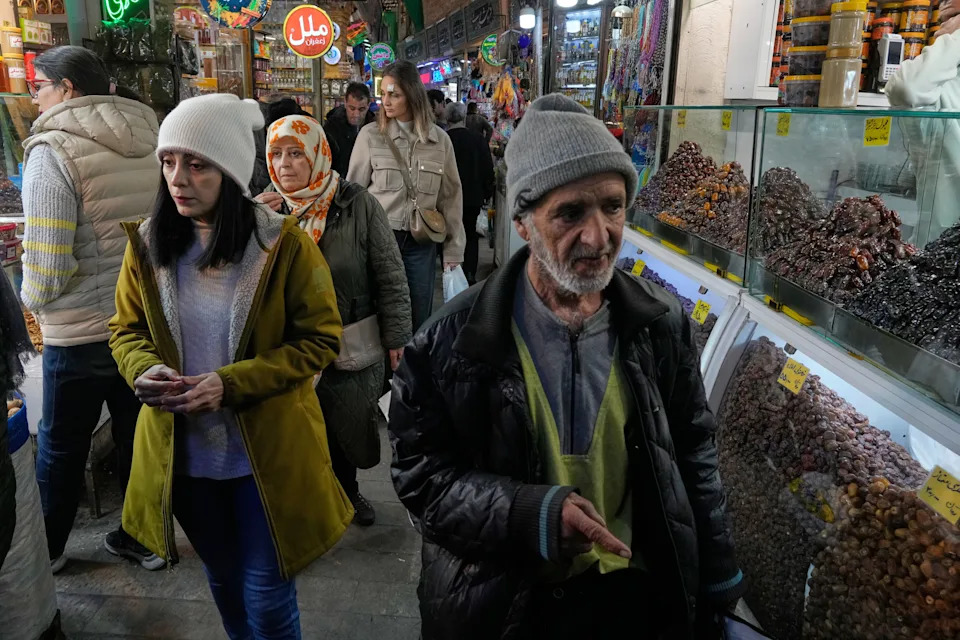
People walk through the Tajrish bazaar market in northern Tehran, Iran, Tuesday, Jan. 27, 2026. (AP Photo/Vahid Salemi)(ASSOCIATED PRESS)
Rapid Diplomatic Outreach
Regional diplomacy intensified as officials sought to head off a wider confrontation. Egypt’s foreign ministry said Foreign Minister Badr Abdelatty held separate calls with Iranian Deputy Foreign Minister Abbas Araghchi and U.S. Middle East envoy Steve Witkoff to "work toward achieving calm, in order to avoid the region slipping into new cycles of instability." Iranian state outlets also reported contact with third‑party mediators.
Saudi Crown Prince Mohammed bin Salman spoke with Iran’s President Masoud Pezeshkian, declaring that the kingdom would not allow its airspace or territory to be used for military actions against Iran or to host attacks by any party. The UAE made a similar pledge. Both Gulf states host U.S. military assets and personnel but have sought to avoid direct involvement in any strike planning.
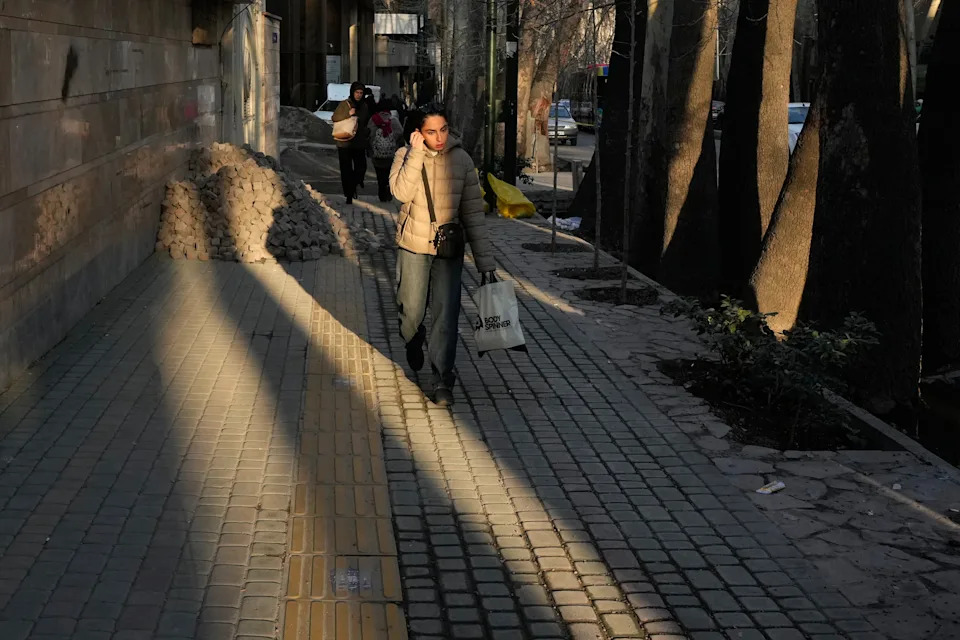
People walk along the sidewalk in northern Tehran, Iran, Tuesday, Jan. 27, 2026. (AP Photo/Vahid Salemi)(ASSOCIATED PRESS)
Qatar — home to the large U.S. hub at Al Udeid Air Base — acknowledged calls with Iranian officials but provided few details. The broader region has experienced recent strikes and tensions: a 2019 attack widely blamed on Iran briefly halved Saudi oil output, the UAE faced Houthi attacks in 2022, and Al Udeid was struck in June amid previous regional escalations.
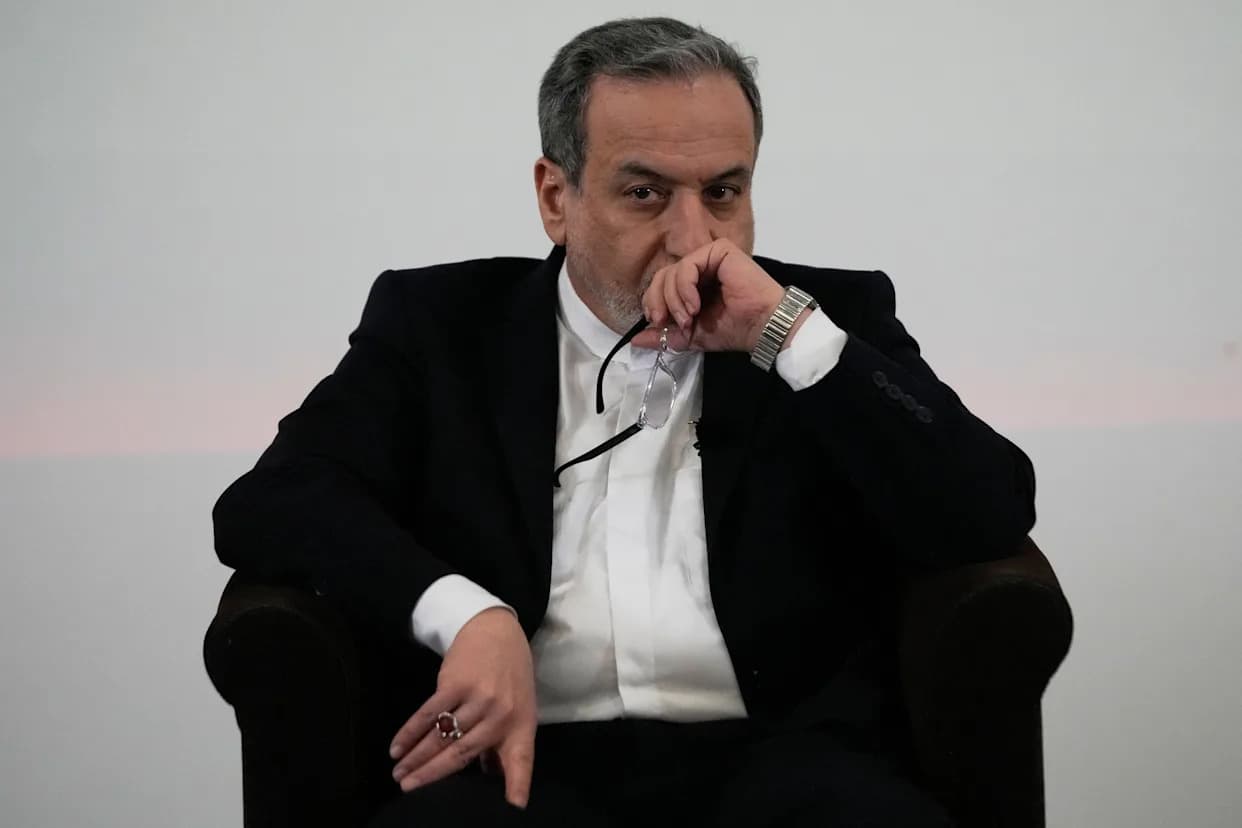
“Applying diplomacy through military threats cannot be effective or constructive,” Araghchi told reporters. “Negotiations must be conducted on an equal footing, based on mutual respect, and for mutual benefit.”
Counting The Dead And Detentions
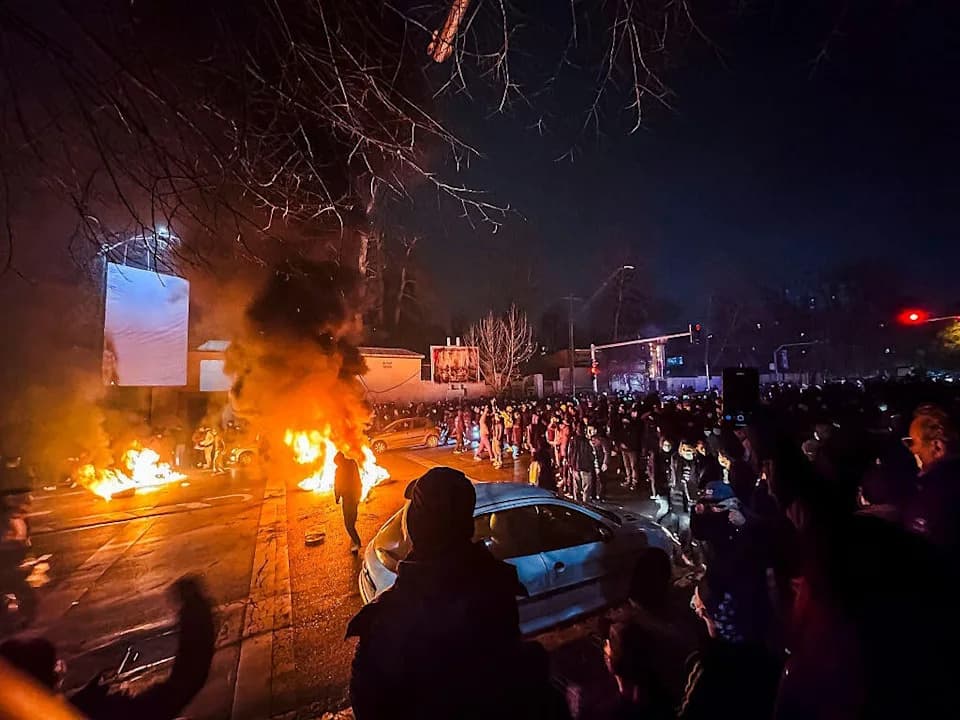
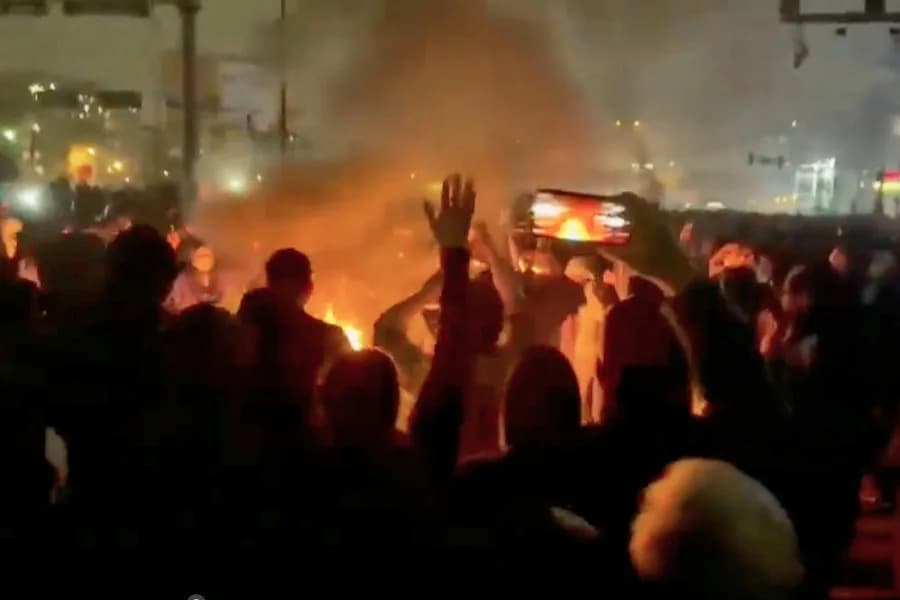
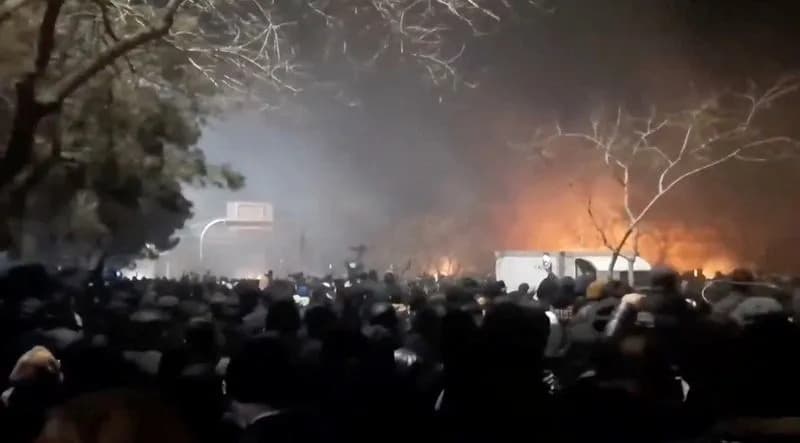
Visible demonstrations have been largely suppressed by a sustained crackdown and a sweeping internet blackout that began roughly three weeks into the unrest. Despite limited communications, information has continued to trickle out — including via Starlink satellite dishes — allowing activists to document casualties and arrests.
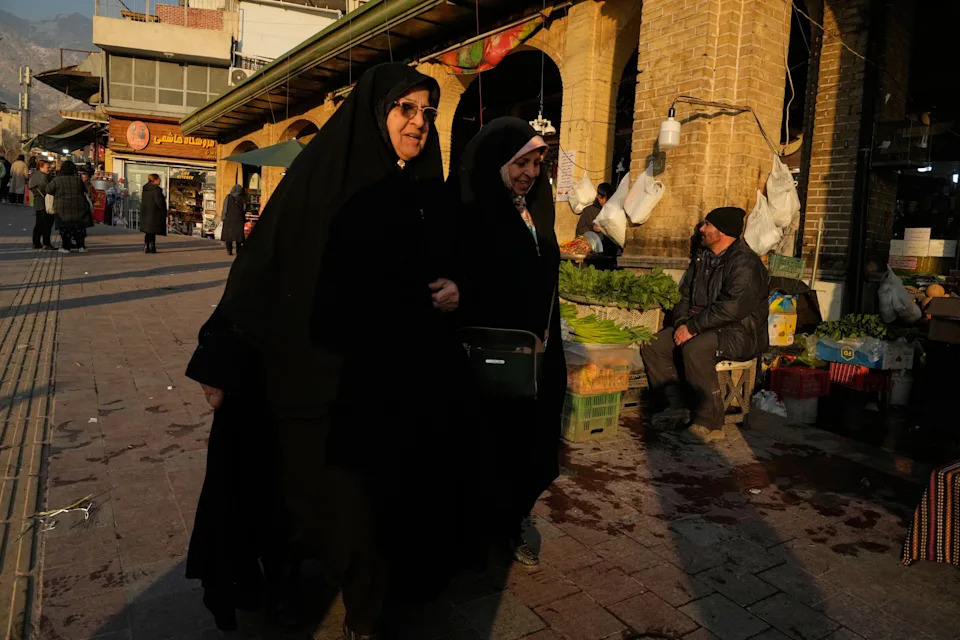
Women walk past the Tajrish bazaar in northern Tehran, Iran, Tuesday, Jan. 27, 2026. (AP Photo/Vahid Salemi)(ASSOCIATED PRESS)
The U.S.-based Human Rights Activists News Agency (HRANA) said it had verified at least 6,221 deaths, including protesters, security forces, children and other civilians, and reported more than 42,300 arrests. HRANA said it confirms each death and arrest through a network of activists inside Iran. The Associated Press has been unable to independently verify the toll because of government restrictions on reporting and communications.
Iran’s government gave a lower figure of 3,117 dead, saying 2,427 were civilians and security personnel and labeling the remainder "terrorists." Rights groups and outside observers note that Iranian authorities have at times underreported fatalities in past unrest.
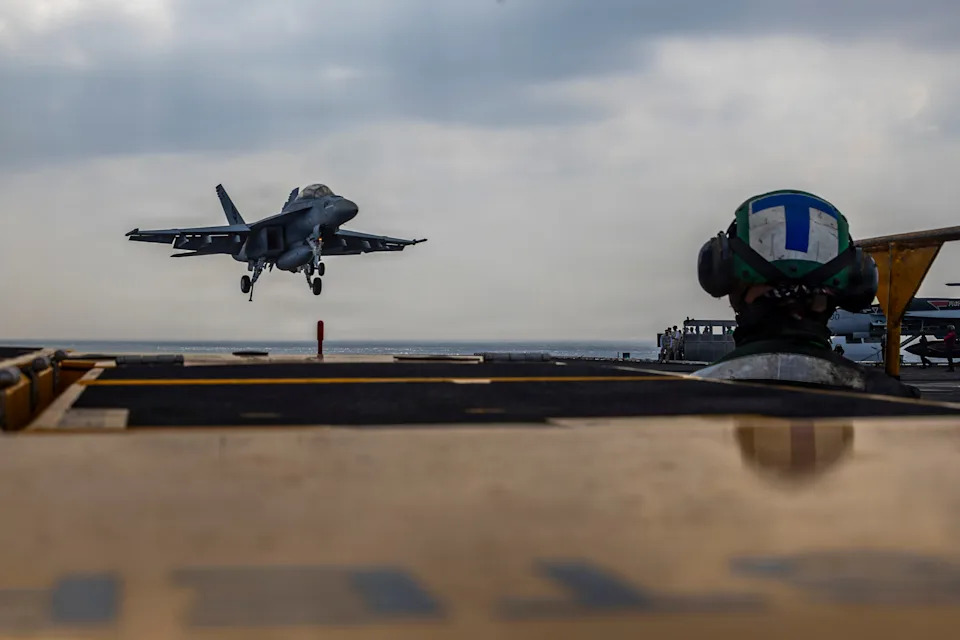
This photo provided by the U.S. Navy shows a Boeing F/A-18E Super Hornet landing on the Nimitz-class aircraft carrier USS Abraham Lincoln in the Indian Ocean on Jan. 22, 2026. (Mass Communication Specialist Seaman Daniel Kimmelman/U.S. Navy via AP)(ASSOCIATED PRESS)
Domestic Mood And Further Repression
Many Iranians are angry and anxious — circulation of footage showing protesters shot and killed has heightened fears of further violence even as the economy weakens. "I feel that my generation failed to give a better lesson to younger ones," said Mohammad Heidari, a 59‑year‑old high school teacher in Tehran. "The result of decades of teaching by my colleagues and me led to death of thousands, and maybe more injured and prisoners."
On Wednesday, Iran announced the execution of Hamidreza Sabet, whom officials said had been convicted of spying for Israel; authorities said this was the 13th execution of someone accused of spying for Israel since June.
What To Watch
Key developments to monitor include further diplomatic contacts among Gulf governments, Washington and Tehran; any changes to U.S. force posture in the region; independent verification of casualty figures; and whether Iran’s internet restrictions are eased or extended.
Associated Press writer Fay Abuelgasim in Cairo contributed to this report.
Help us improve.