Recent studies claiming microplastics in blood, organs and brains have provoked controversy because some methods may confuse tissue with plastic or fail to exclude lab contamination. Thirty researchers from 20 institutions proposed a forensic-style framework in Environment & Health to standardize confidence in microplastic detection. The plan calls for multiple detection techniques, strict quality controls and open raw data so findings can be independently verified. Proponents say greater transparency is essential to determine whether microplastics pose health risks.
How Many Microplastics Are in Our Bodies? Scientists Propose Forensic-Style Testing Framework
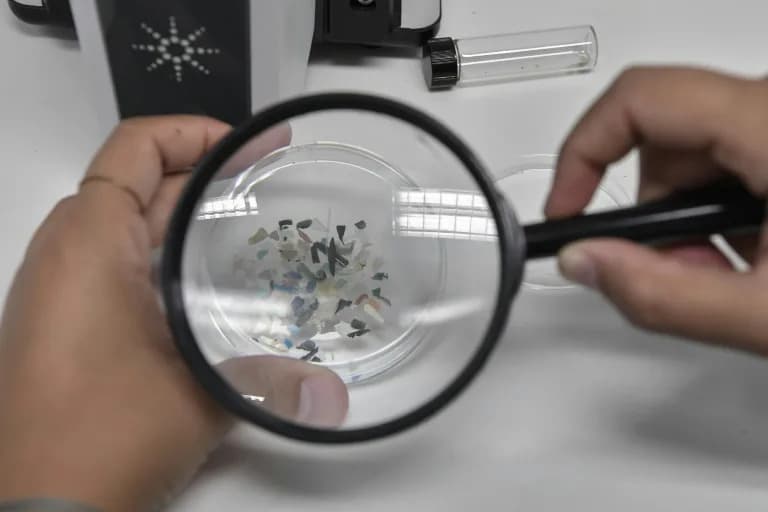
Scientists have been battling over exactly how much microplastics we have inside us (LOUISA GOULIAMAKI)(LOUISA GOULIAMAKI/AFP/AFP)
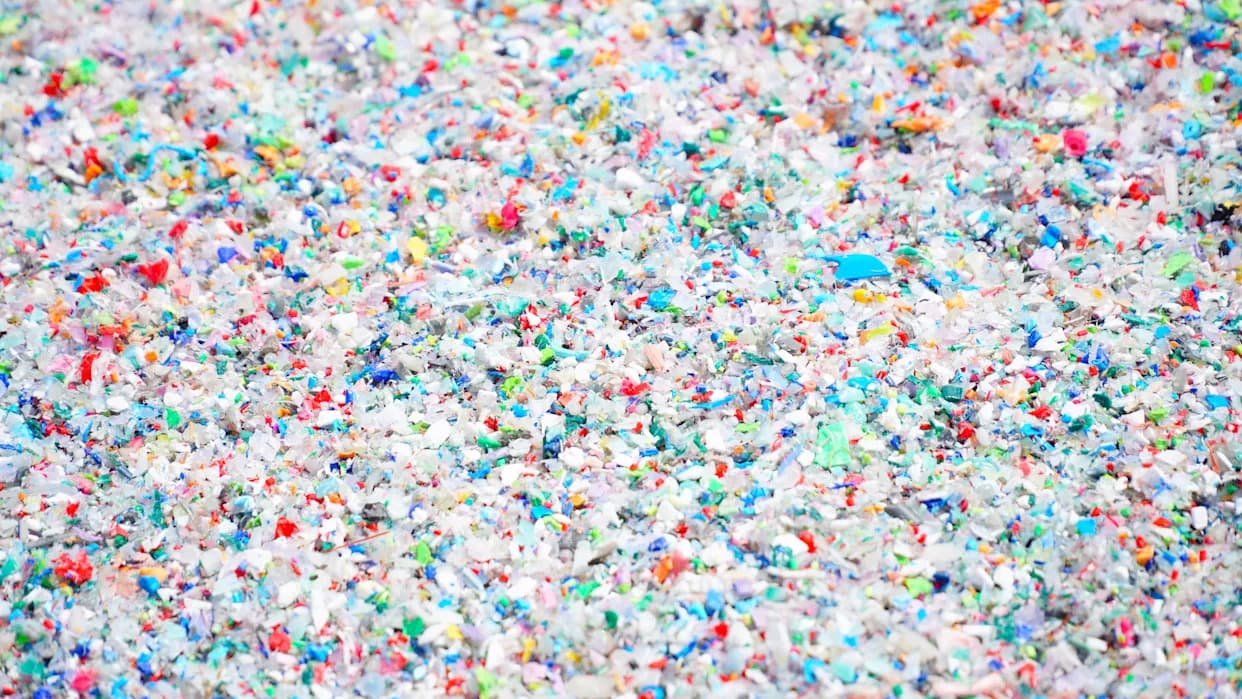
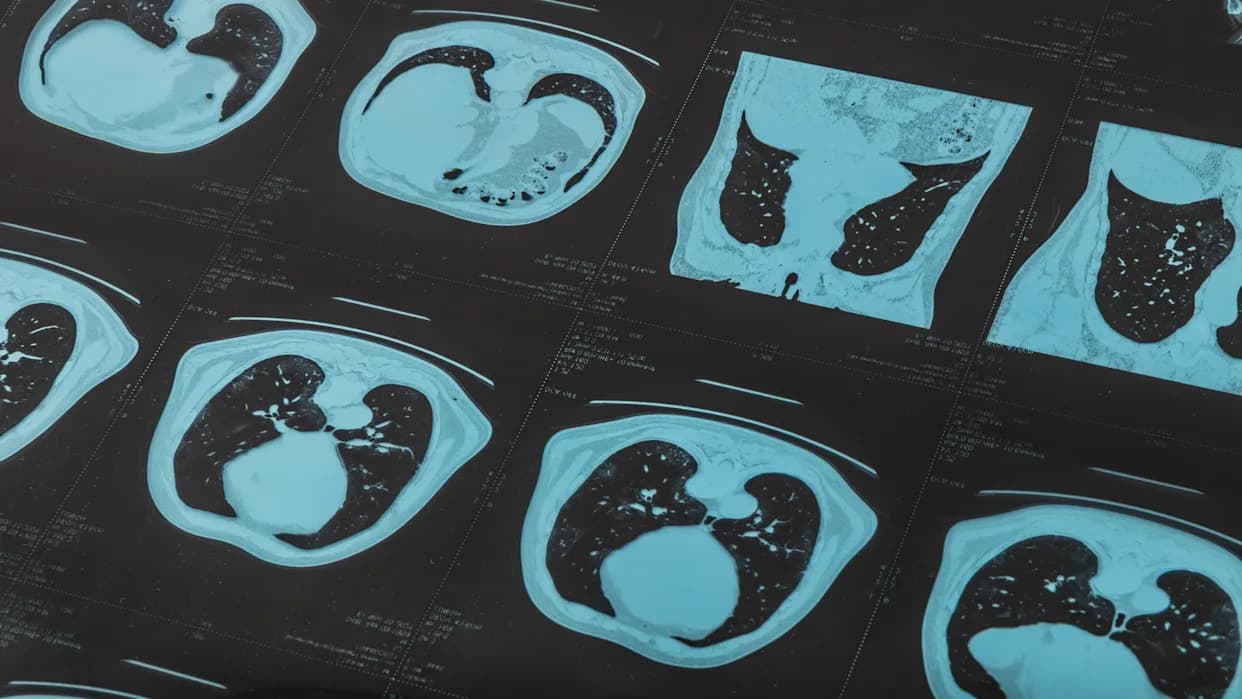
How many microscopic fragments of plastic might be inside your body right now? In recent years, high-profile studies have reported finding microplastics in blood, organs and even human brains — claims that have sparked public alarm and intense scientific scrutiny.
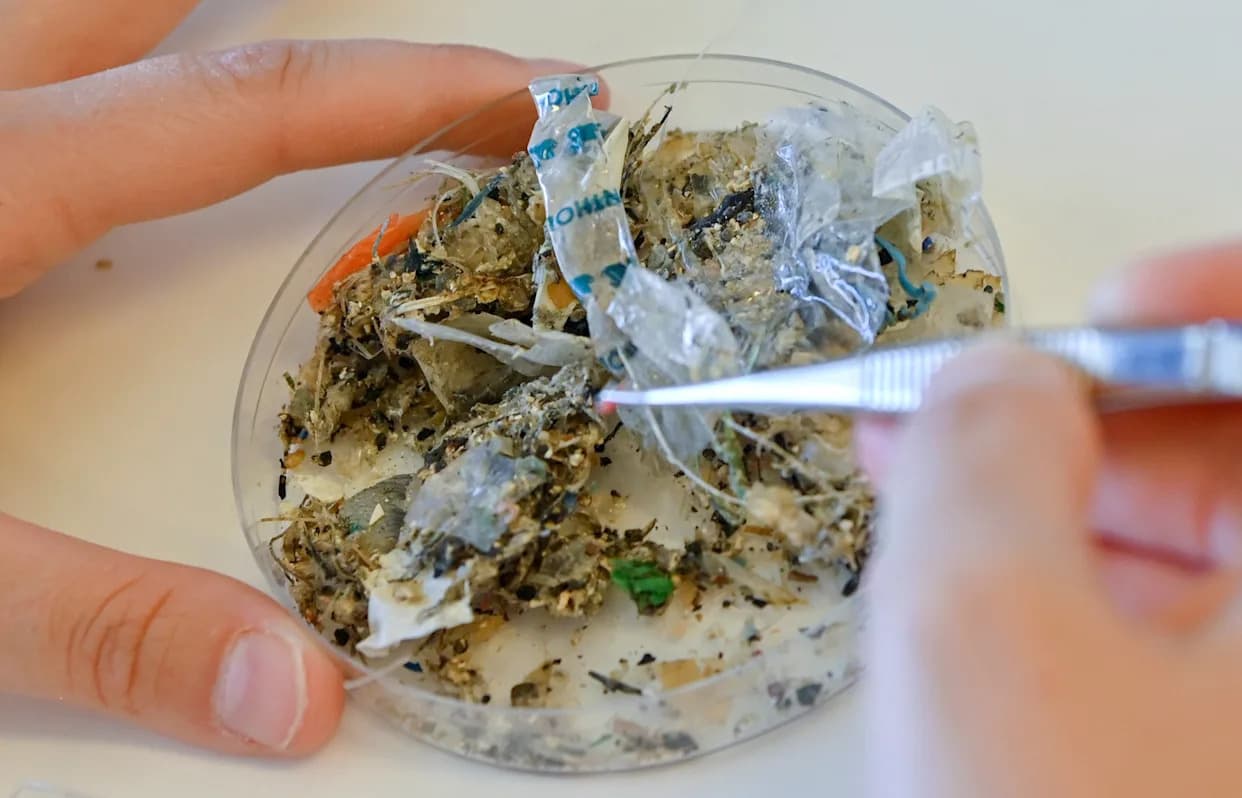
Some of those findings have subsequently faced sharp criticism. Critics say certain analytical methods can mistake human tissue or fat for plastic, and many studies have not ruled out contamination from lab equipment, containers or airborne particles.
Why The Controversy?
Detecting microplastics and the even smaller nanoplastics is technically challenging. A widely discussed paper claimed a "plastic-spoon's worth" of plastic in cadaver brains, a result many researchers considered unlikely because it would require particles to cross the blood–brain barrier. The study and others used pyrolysis–GC–MS, an analytical technique that can sometimes confuse fatty tissue with polyethylene — a common plastic — raising the possibility of false positives.
Calls For Better Quality Control
Researchers such as Dušan Materić of the Helmholtz Centre for Environmental Research have warned that without rigorous quality controls, it is impossible to determine whether detected plastics came from human tissue or from laboratory contamination. Studies lacking those controls have been criticised as unreliable by multiple experts.
A Forensic-Style Framework
To bring greater clarity and consistency to the field, 30 scientists from 20 institutions published a proposed framework in the journal Environment & Health. Modeled on how forensic scientists evaluate physical evidence, the guidance asks researchers to:
- Use multiple, complementary detection techniques to reduce false positives.
- Include strict quality-control procedures to exclude contamination at every step.
- Release raw data, methods and laboratory controls publicly so results can be independently evaluated and reproduced.
What Experts Say
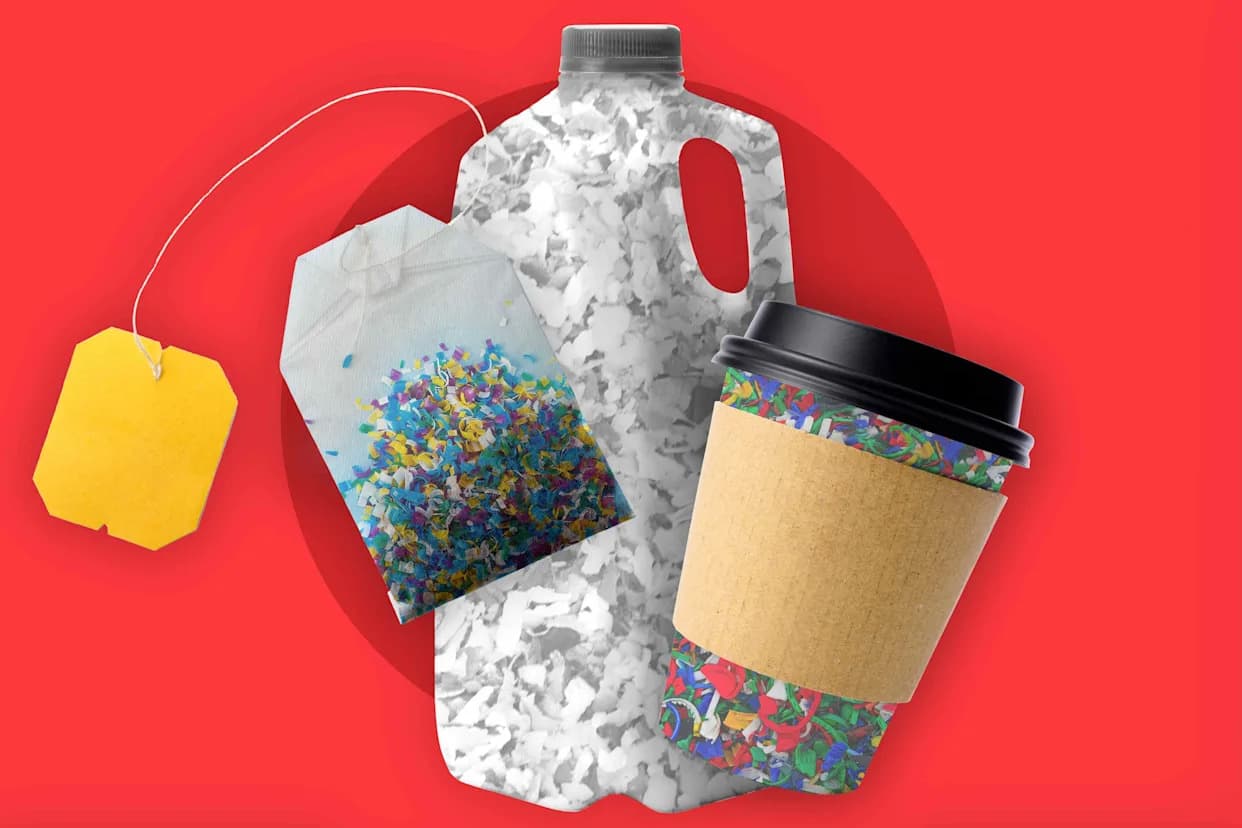
Leon Barron of Imperial College London, the senior author of the proposal, says microplastics are ubiquitous in the environment and it is "very likely" people ingest them via air and food. However, he stresses that the current evidence is insufficient to conclude whether the particles are harmful to human health. Barron says the framework is intended to create a shared language across labs so researchers can clearly communicate how confident they are that a particle is truly plastic.
"All the research done so far has been in good faith," Barron said. "These are normal growing pains for a new field. But precision matters: to determine health risks we need reliable measures of how much plastic is actually in human tissues."
Some scientists have urged civility, warning that public disputes over methods can undermine efforts to understand true health impacts. Matthew Campen, the senior author of the criticised brain study, did not respond to requests for comment.
Bottom Line
The proposed framework aims to strengthen microplastic research through transparency, better controls and standardized confidence reporting. If adopted widely, it could help separate robust discoveries from artefacts of contamination or methodological limitations and speed progress toward answering whether microplastics pose real health risks to people.
Help us improve.