Researchers using 3D fluid-flow models suggest microplastics can collect in tube-like "attractors" that wrap around circular ocean currents. The mechanism—driven by particle inertia—could help target monitoring and cleanup, but small-scale turbulence and irregular particle shapes complicate real-world behavior. The study provides a promising lead for locating submerged microplastic hotspots while further validation and field work remain necessary.
Hidden Ocean Currents May Trap Microplastics, Study Suggests

Photo Credit: iStock
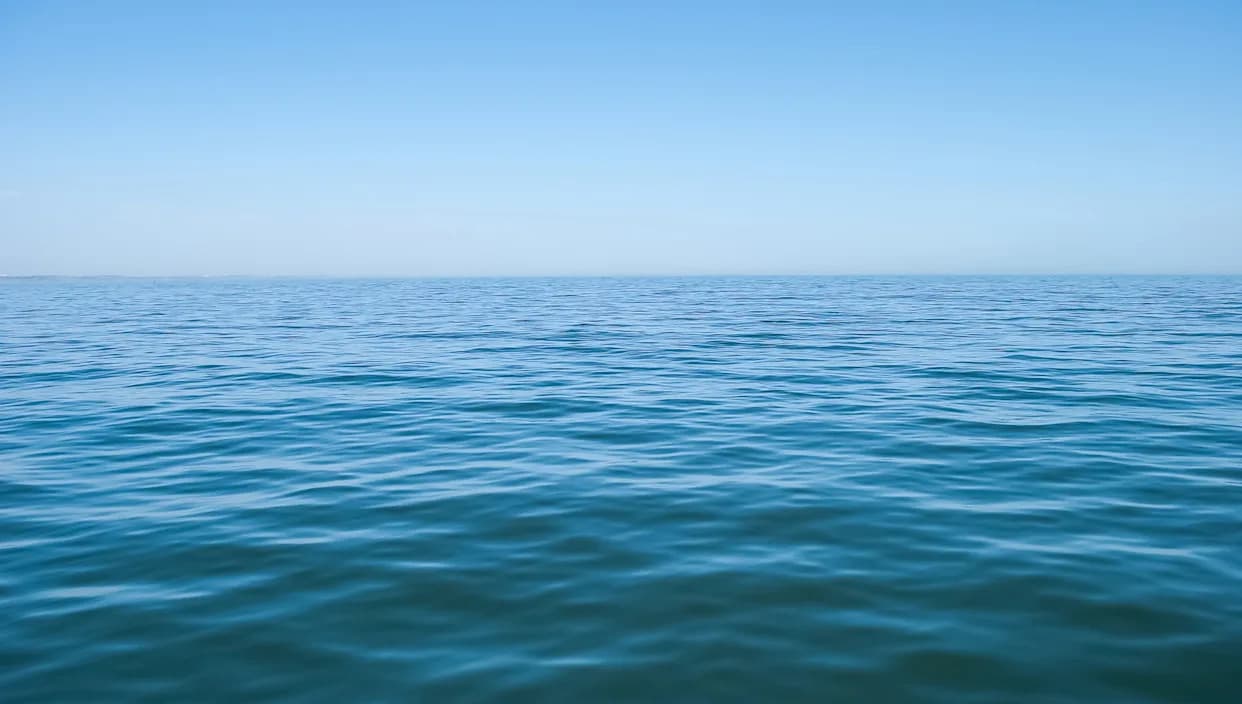
Researchers at the Woods Hole Oceanographic Institution report that tiny plastic particles known as microplastics can collect inside tube-like flow structures that wrap around circular ocean currents. The finding, based on three-dimensional fluid-flow models, offers a possible way to locate submerged microplastic accumulations that are otherwise difficult to detect.
How Microplastics Become Concentrated
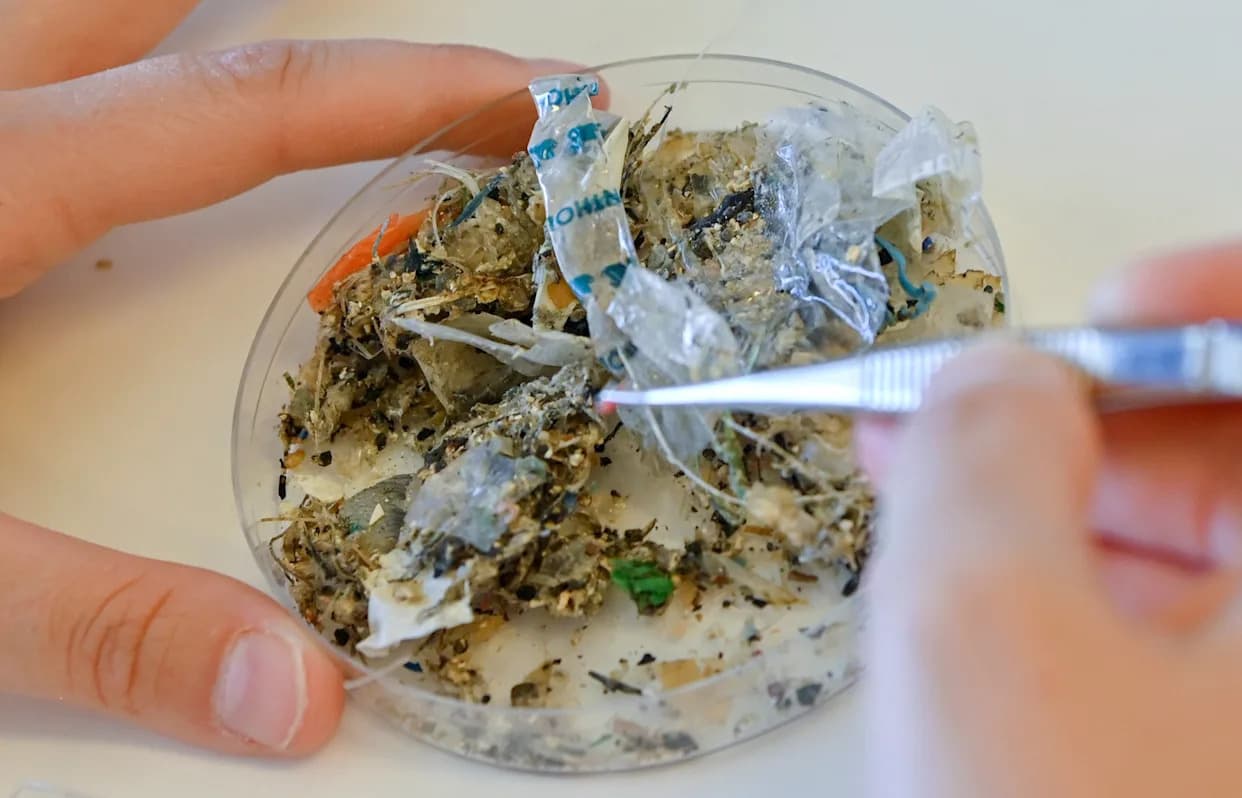
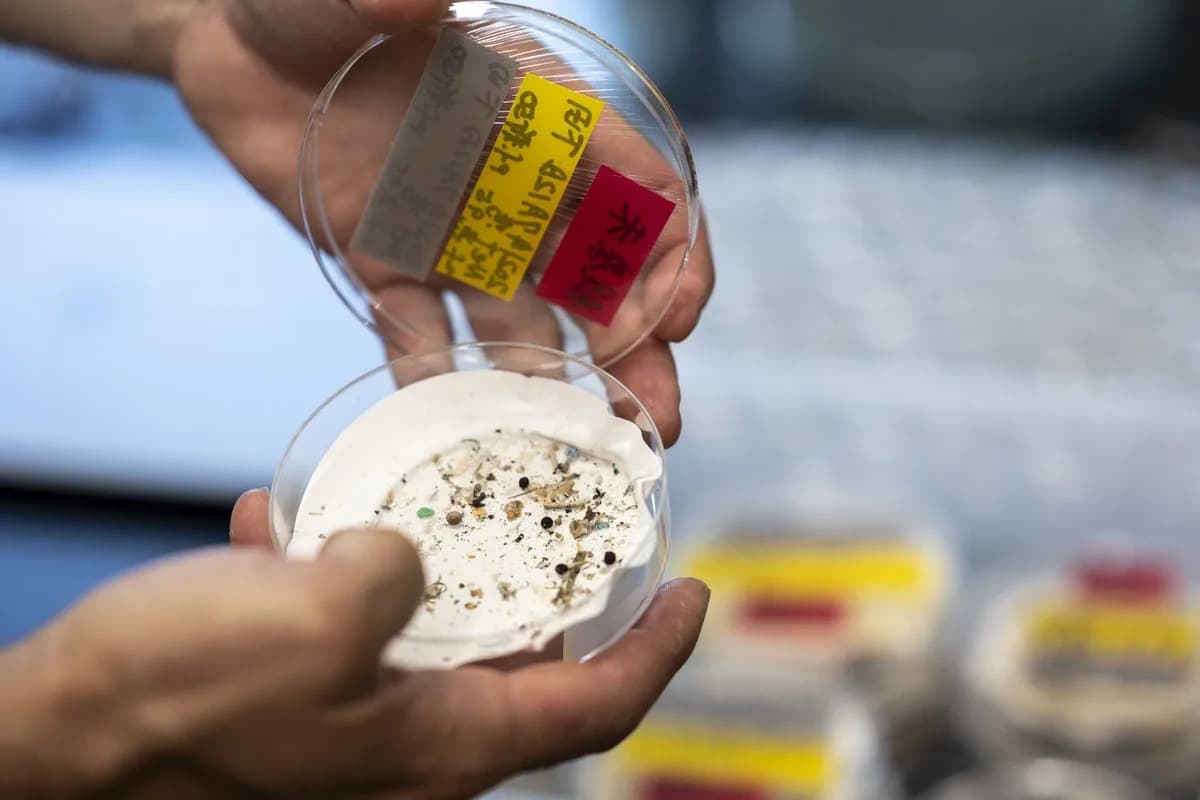
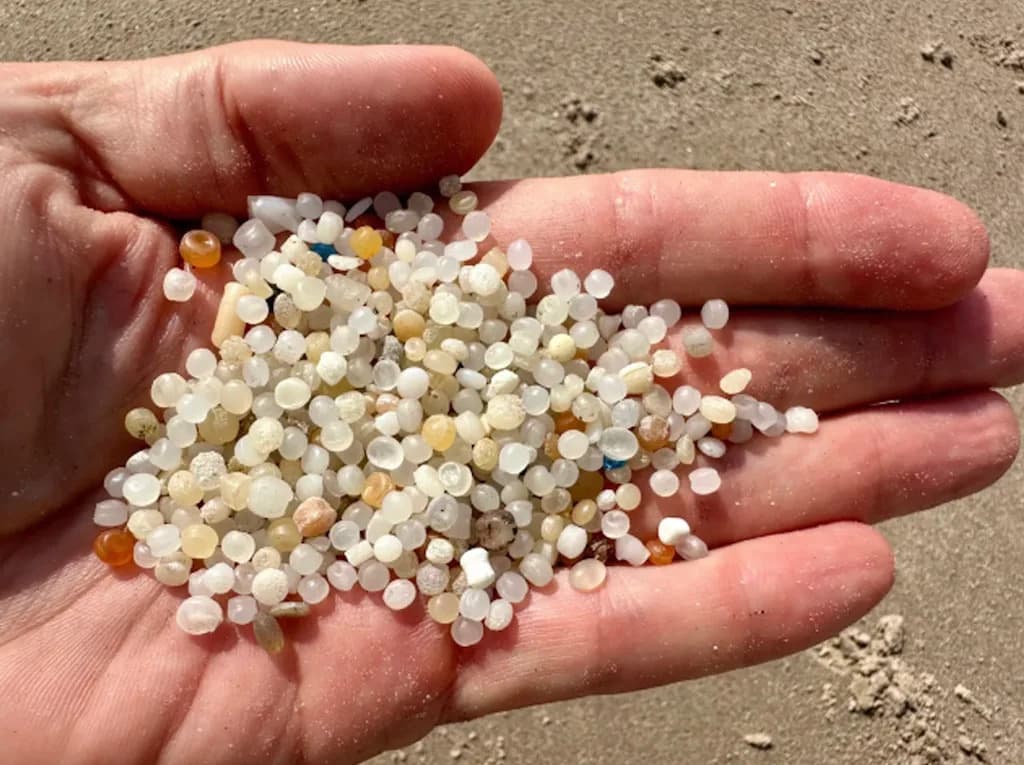
Microplastics—commonly defined as plastic fragments smaller than five millimeters—are abundant in the world’s oceans. While large pieces of debris are relatively easy to spot, microplastics are much harder to track beneath the surface. To study how these particles behave, the research team modeled 3D fluid flows to see where particles tend to cluster.
At first glance one might expect microplastics to follow water streamlines. However, because particles have inertia, they do not always trace the exact path of the fluid. The models show that particles can be drawn into the central axes of tube-like structures winding around circular currents, effectively making those tubes "attractors" where microplastics concentrate.
Limitations and Caveats
"The main thing we need to consider is the effects of small-scale turbulence," researcher Larry Pratt noted, adding that the theoretical result is clearest for spherical particles while most ocean microplastics are irregularly shaped.
This means the mechanism identified by the models is promising but may be modified in real ocean conditions by turbulence, variable particle shapes and sizes, biofouling, and other environmental factors.
Why This Matters
Finding where microplastics accumulate could help scientists target monitoring and cleanup efforts more effectively. Microplastics can be ingested by marine life and may enter human food chains through seafood. While research into health effects is ongoing, studies have suggested potential links between microplastic exposure and issues such as liver impacts and reproductive or gastrointestinal concerns; however, those links are still under investigation and vary by study.
What Can Be Done
- Researchers: refine models with turbulence and irregular particle shapes, and validate findings with field observations.
- Engineers: develop targeted sampling and filtration methods informed by predicted accumulation zones.
- Individuals: reduce single-use plastics and dispose of plastic waste responsibly to limit future microplastic pollution.
The results were published in Chaos: An Interdisciplinary Journal of Nonlinear Science, and reported by the American Institute of Physics. While the discovery does not provide a complete solution, it advances understanding of how microscopic plastics may be transported and concentrated in the ocean, guiding future research and mitigation efforts.
Help us improve.