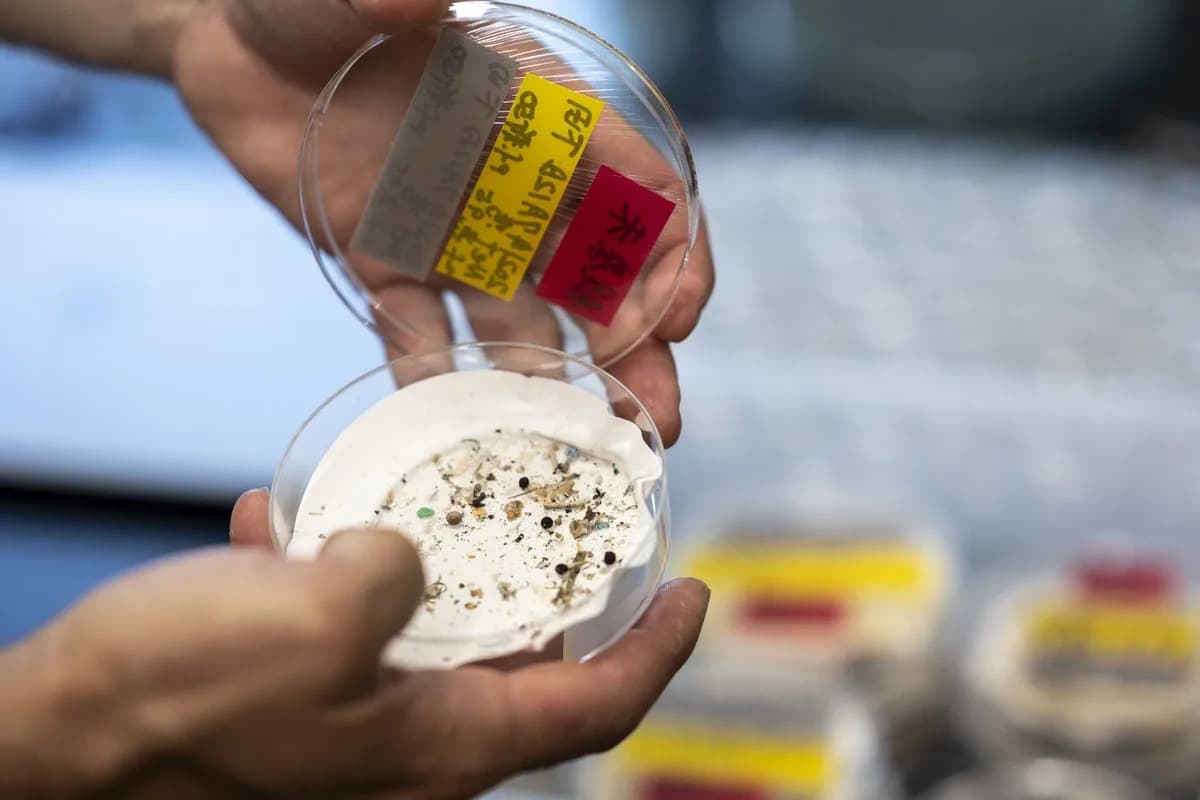
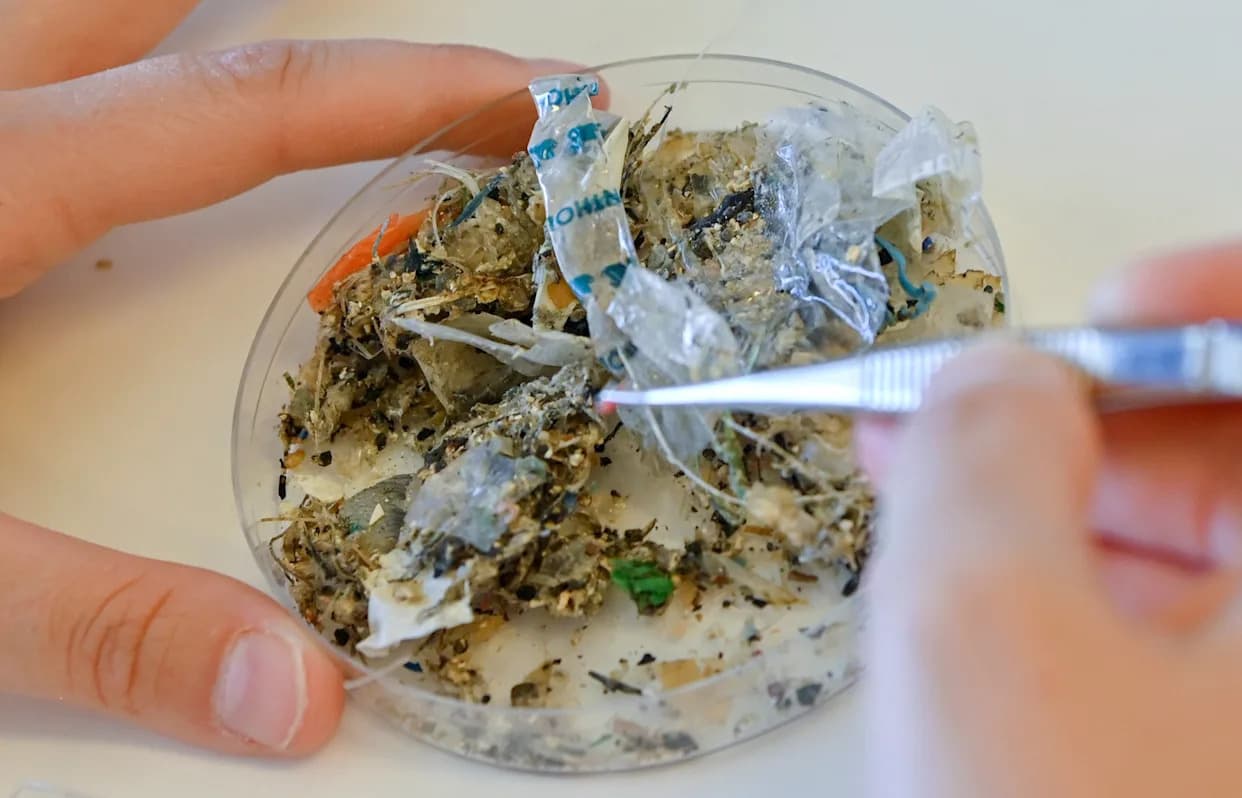
Researchers at the Chinese Academy of Sciences measured microplastics and nanoplastics in the air over Guangzhou and Xi'an using a computer-controlled scanning electron microscope, detecting particles down to 200 nanometers. They found total suspended particulates and dustfall fluxes containing plastics 2–6× higher than visual-based estimates and overall airborne plastics roughly 2–5× greater than earlier reports. The study warns these particles can persist, influence clouds, and pose inhalation risks, and calls for standardized detection and wider monitoring.
China’s Megacity Skies Laced With Microplastics — Study Finds Airborne Plastics Far More Abundant Than Thought

Some of China’s Cities Exist Under Plastic CloudsRatnakorn Piyasirisorost
Little more than a century after plastics became widespread, microscopic fragments — microplastics (MPs) and nanoplastics (NPs) — have infiltrated nearly every part of the environment, including human bodies. A new study from researchers at the Chinese Academy of Sciences reports that airborne plastics over two major Chinese cities are substantially more abundant than earlier visual estimates suggested.
What The Study Did
The team sampled atmospheric particles above Guangzhou and Xi'an and used a computer-controlled scanning electron microscopy (SEM) microanalytical method to detect and quantify plastic particles. This approach allowed detection of particles as small as 200 nanometers — a detection limit not achieved in many earlier studies.
Key Findings
The researchers report that total suspended particulates and dustfall fluxes containing MPs and NPs were 2 to 6 times higher than amounts estimated by conventional visual-based analysis. Overall airborne plastic concentrations were estimated to be about 2 to 5 times greater than previously believed in the sampled locations.
'Even during stable, low-wind conditions, megacity traffic remains a potentially major source of atmospheric MPs and NPs through continuous resuspension of road dust,' the authors note, highlighting urban roadways as persistent sources of airborne plastics.
Why This Matters
Airborne plastics can remain suspended long enough to travel regionally and potentially influence cloud formation, according to the study. They also present potential inhalation risks: once inhaled, both micro- and nanoplastics may release chemical additives, sorbed pollutants, or harbor microorganisms. The authors point to particle size, shape, and surface area as factors likely to influence toxicity.
Limitations And Next Steps
Atmospheric transport of plastic particles is complex and not yet well quantified. The study is limited to two cities and represents an important methodological advance rather than a global survey. The authors call for standardized, high-throughput methods to identify, quantify, and characterize atmospheric MPs and NPs across broader regions and conditions.
The results were published in Science Advances and add to mounting evidence that plastic pollution now affects virtually every environmental compartment — from oceans to soils to the air we breathe.
Help us improve.