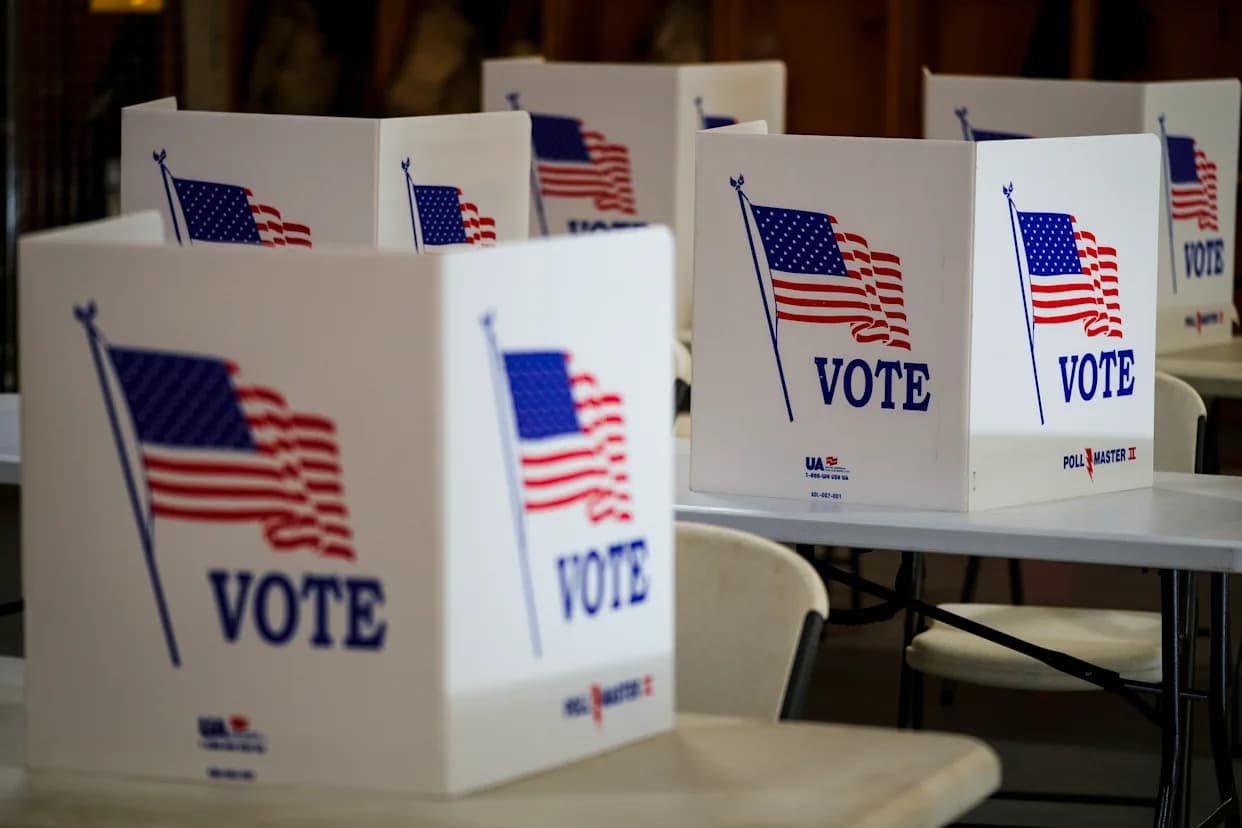
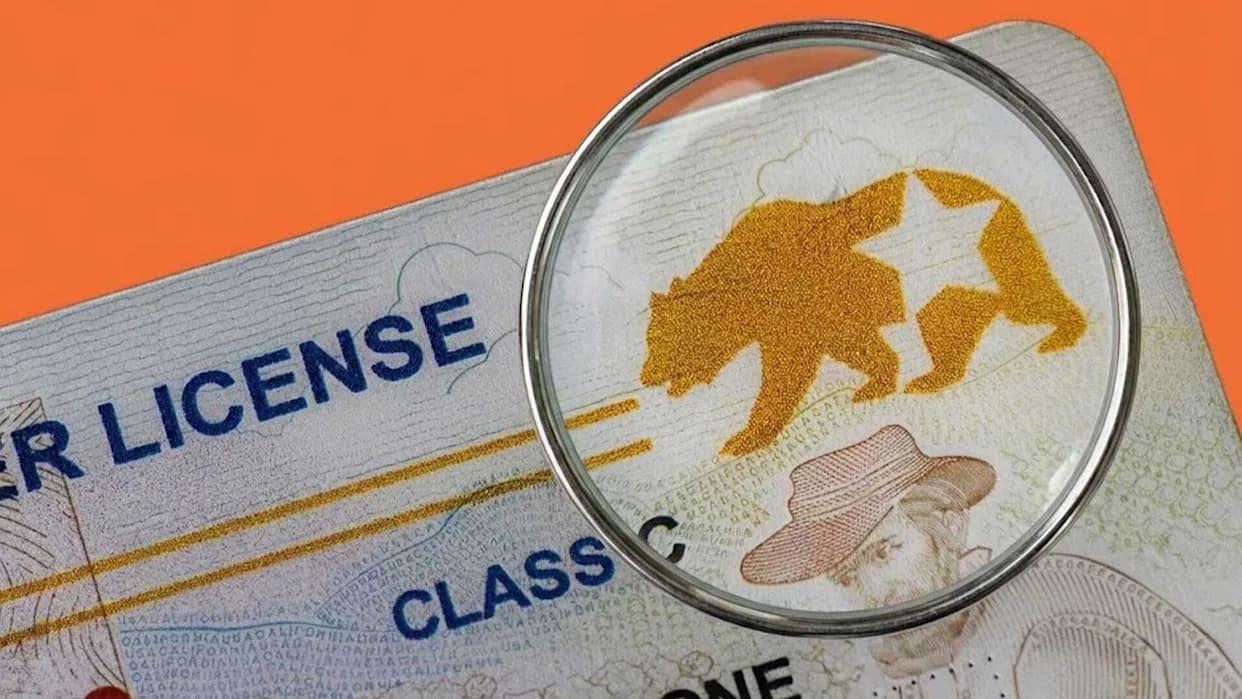
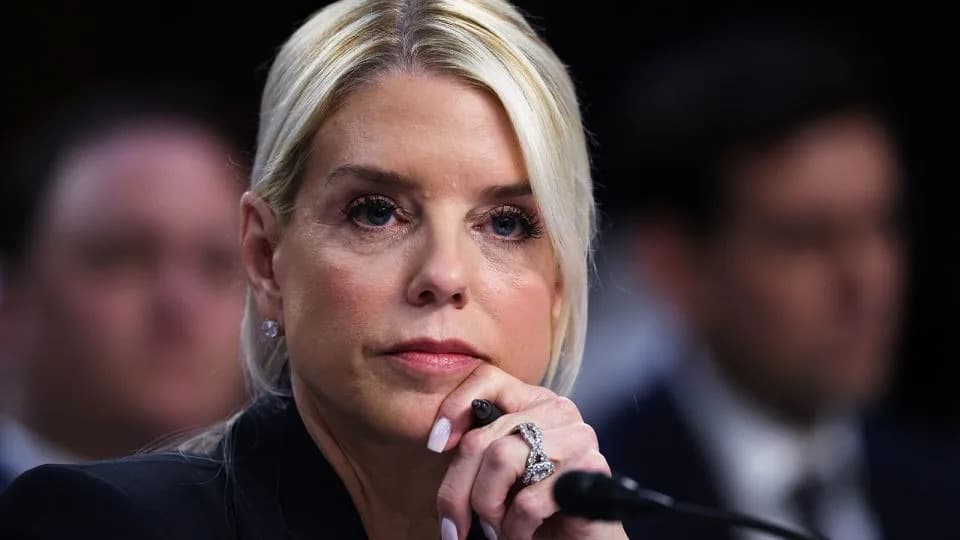
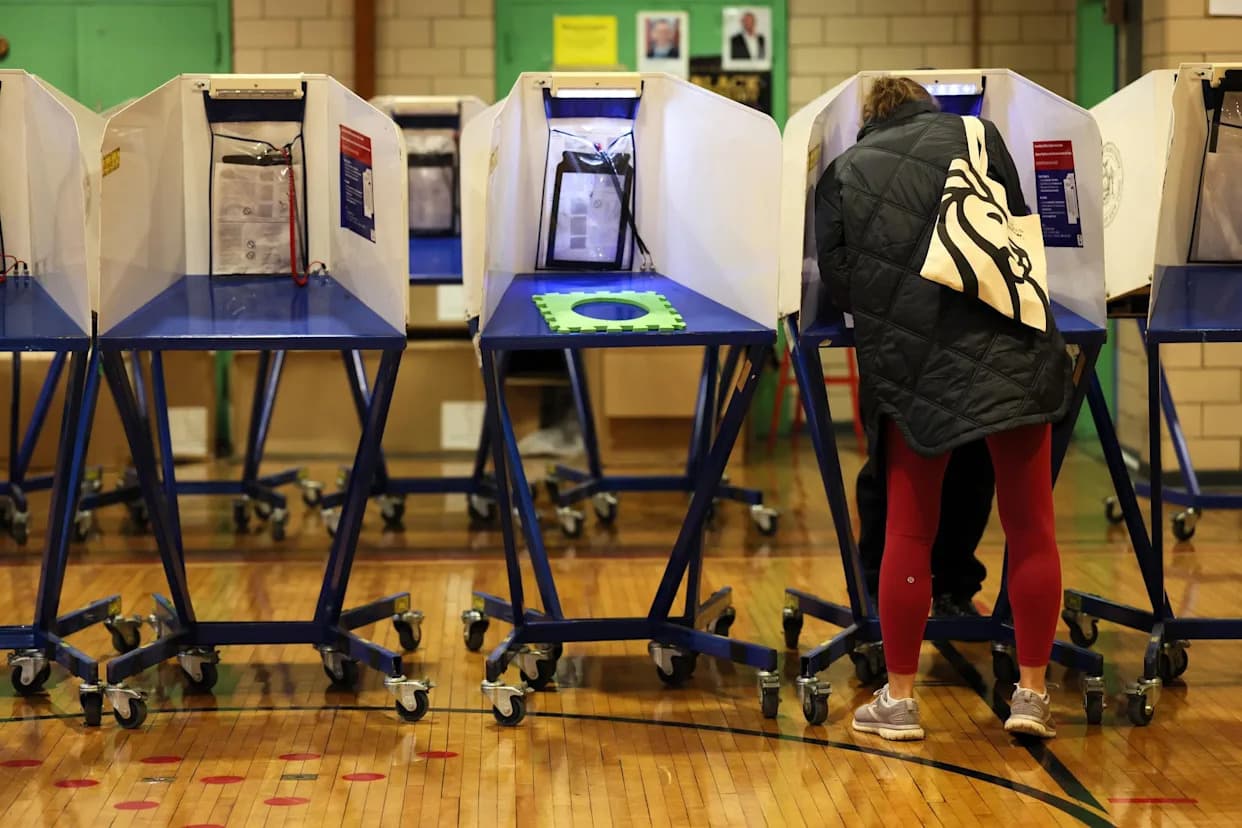
President Trump and allies are pushing the SAVE Act, a federal law that would require proof of citizenship to vote in federal elections. Numerous documented incidents show ICE agents have detained people — including U.S. citizens — who presented Real IDs, birth certificates or digital passports that were nevertheless rejected. ProPublica verified more than 170 such detentions during the first nine months of the administration’s second term, prompting concerns that a federal voter‑ID mandate would not prevent eligible voters from being disenfranchised. Critics, including Sen. Chuck Schumer, warn the bill could suppress votes unless the administration guarantees that voter IDs will be consistently recognized.
Trump’s Voter‑ID Double Standard: Valid at the Ballot, Questioned by ICE
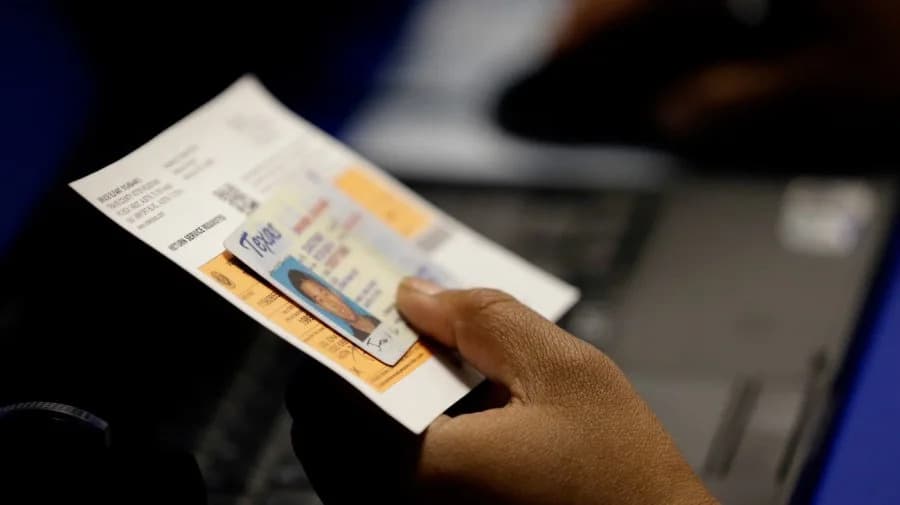
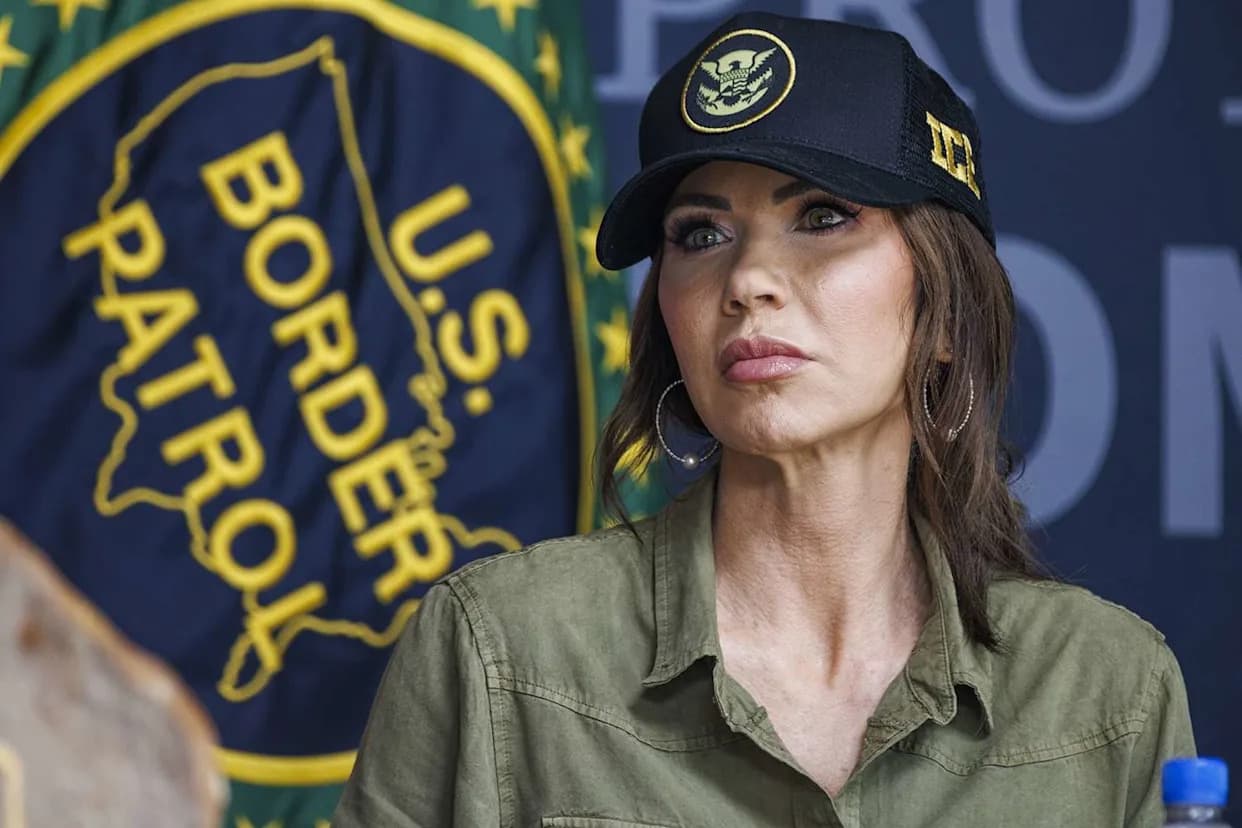
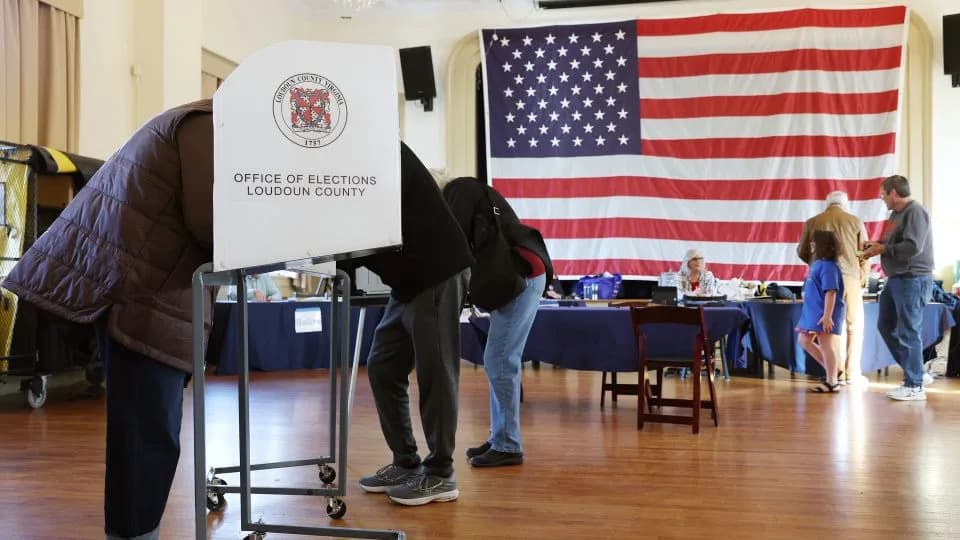
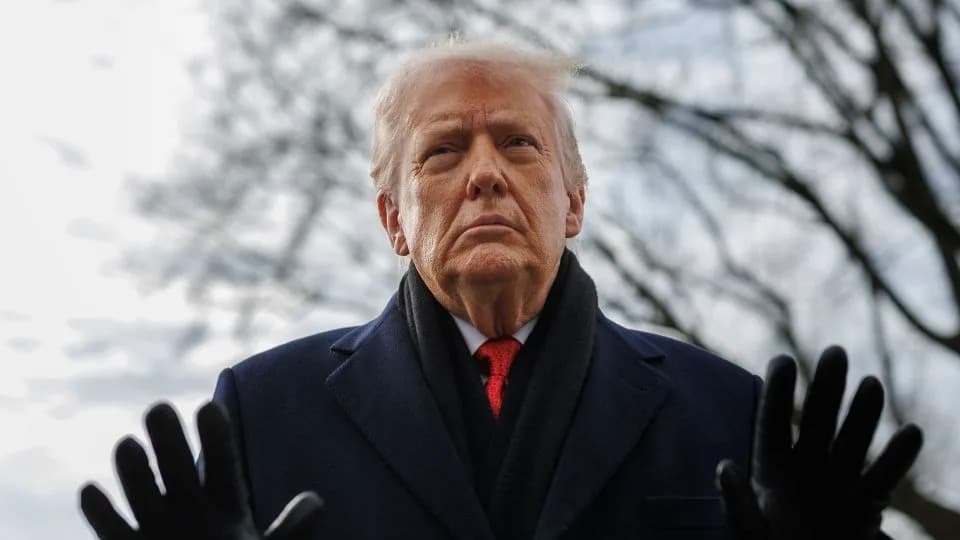
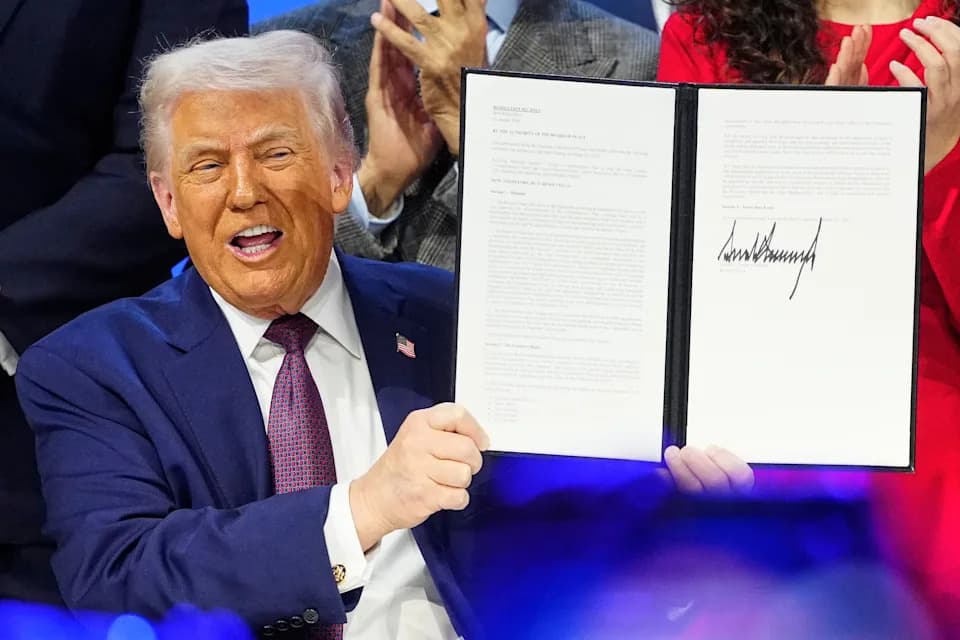
President Trump has renewed calls for the SAVE Act, proposed federal legislation that would require proof of citizenship for anyone voting in federal elections. Conservative lawmakers such as Sen. Mike Lee (R‑Utah) and Rep. Andy Harris (R‑Md.), along with high‑profile backers including Elon Musk, have publicly supported a nationwide voter‑ID requirement.
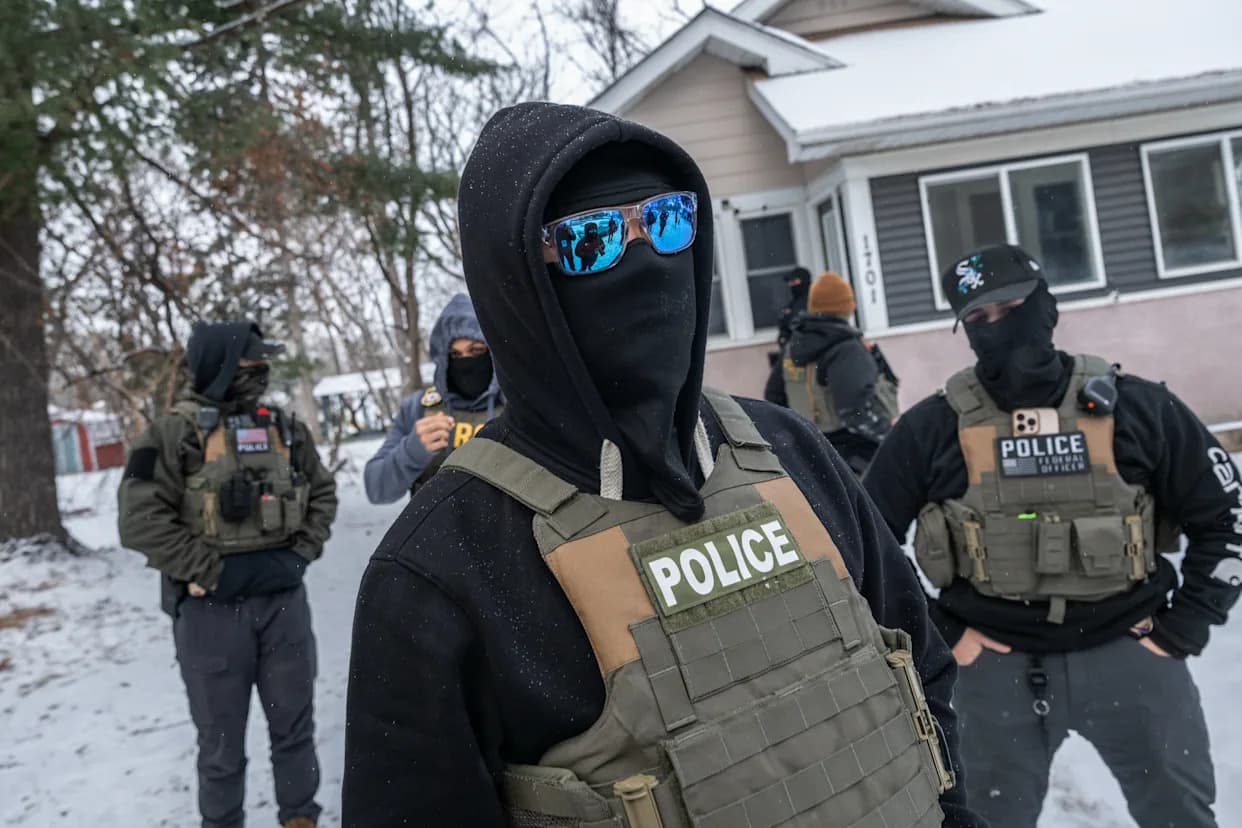
That push is predictable given the former president’s persistent claims that he won the 2020 election and his allegations that Democrats allow undocumented immigrants to vote. But the administration’s enforcement record exposes a troubling inconsistency: people who present government IDs have nonetheless been detained by Immigration and Customs Enforcement (ICE) when officials say the documents do not establish citizenship.
Documented Cases Undermine A Simple Narrative
Several reported incidents illustrate the problem. Juan Carlos Lopez‑Gomez was arrested, detained and threatened with deportation after officials said biometric checks indicated he was not a citizen. Lopez‑Gomez maintained he was born in the United States and presented a Real ID as proof.
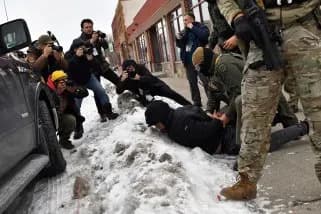
In another case, a Minneapolis resident known only as Mubashir says agents tackled him, dragged him across the street, choked and restrained him after he offered to show a digital passport. According to his account, agents refused the digital ID, subjected him to repeated facial‑recognition scans and then transported him to a detention center when the scans failed.
Dulce Consuelo Díaz Morales — also identified in some documents as Dulce Consuelo Madrigal Diaz — was held in ICE custody for 25 days despite her lawyers submitting a U.S. birth certificate and other documents intended to prove citizenship. A Department of Homeland Security (DHS) spokesperson said the paperwork was not accepted, and she was released only after attorneys obtained a signed affidavit from a physician attesting to the birth certificate’s authenticity.
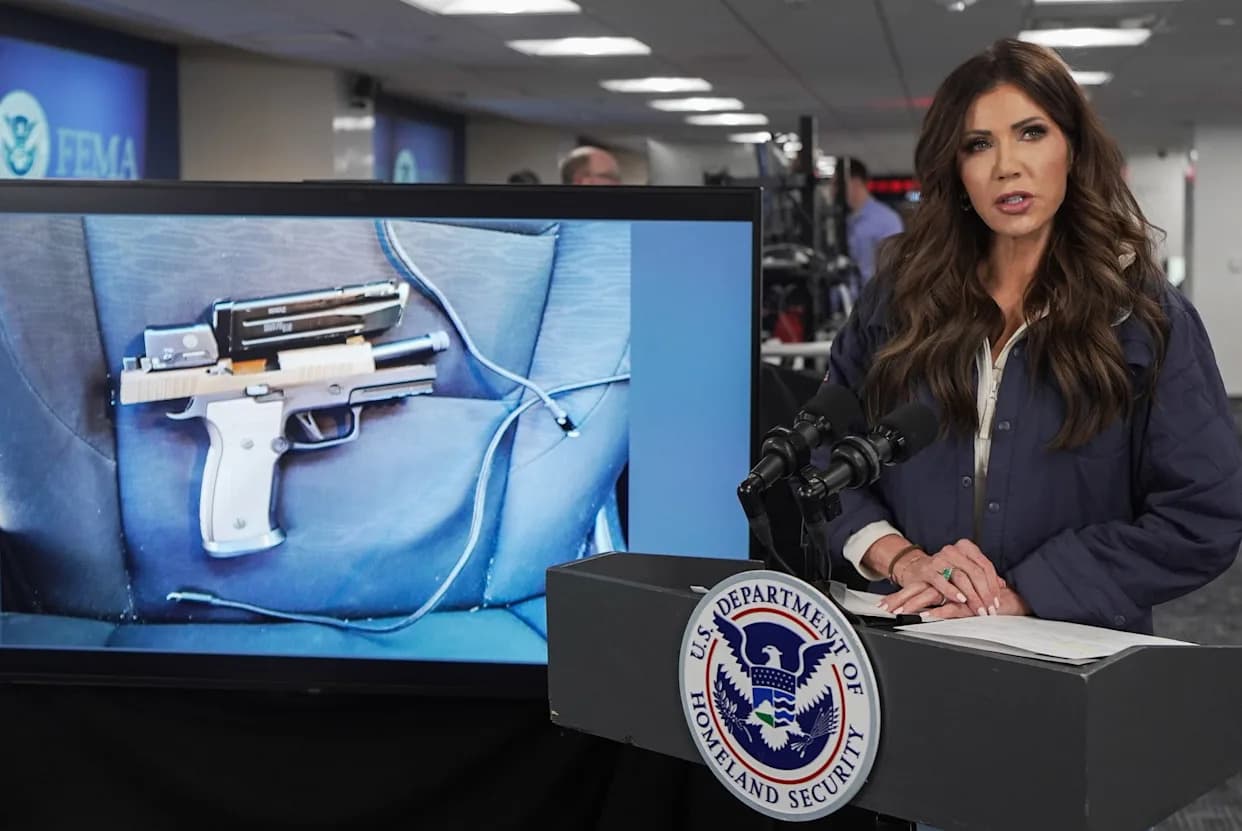
“We have never once detained or deported an American citizen. We have not held them or charged them. When we find their identity, then that is when they are released,” a Homeland Security official said in response to criticism of these practices.
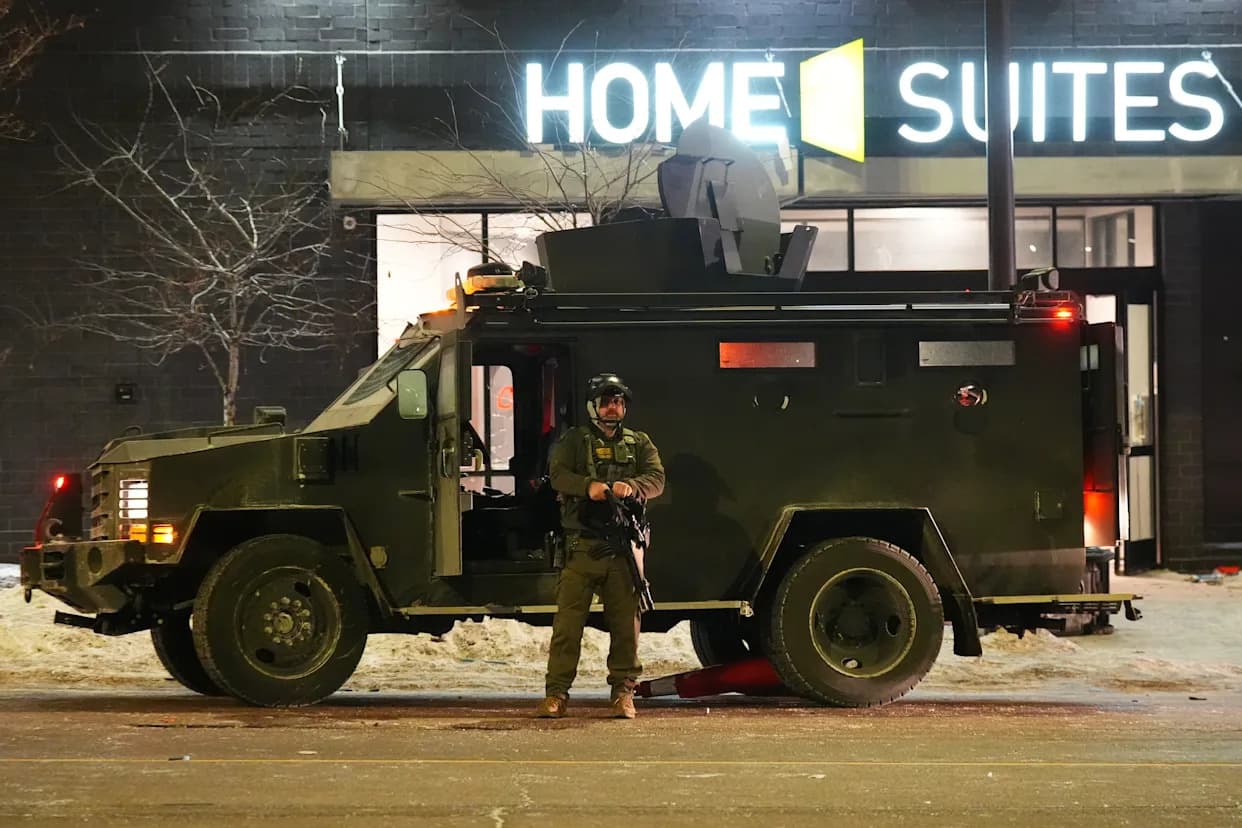
Investigations by ProPublica and other outlets have documented more than 170 cases in the first nine months of Trump’s second term in which people later identified as U.S. citizens were detained by ICE. Those cases raise a practical question: if a voter ID is sufficient to establish citizenship at the ballot box, why are Real IDs, birth certificates and digital passports sometimes treated as inadequate proof by immigration officers in the field?
Why the SAVE Act Raises Real Concerns
That gap between the theory and practice matters. Supporters of the SAVE Act argue that a federal voter‑ID requirement would secure elections. Critics, however, point to enforcement failures to argue that a law alone will not prevent eligible voters from being turned away — and could make problems worse.
Senate Minority Leader Chuck Schumer (D‑N.Y.) warned that the SAVE Act "would coerce states into instituting policies that would effectively prevent millions of American citizens from voting, stymie automatic voter registration and derail in‑person voter registration drives," adding that it would "fan the flames of election skepticism and denialism." These are not merely partisan talking points: the documented detentions of U.S. citizens show that government officers sometimes question or reject apparently valid documentation.
Without clear and enforceable guarantees that voter IDs will be uniformly recognized, the SAVE Act risks creating the very harms it claims to prevent. The burden is on the administration to demonstrate how it will ensure that lawful voters will not have their identities or citizenship arbitrarily questioned at polling places or by enforcement agents.
Jordan Liz is an associate professor of philosophy at San José State University who researches race, immigration and the politics of belonging.
Copyright 2026 Nexstar Media, Inc. All rights reserved. This material may not be published, broadcast, rewritten, or redistributed.
For the latest news, weather, sports, and streaming video, head to The Hill.
Help us improve.