Key takeaways: Recent polls show declining public support for ICE, with an Economist/YouGov survey finding 47% say ICE makes the country less safe and 46% favor abolition, and Quinnipiac reporting 57% disapproval of ICE enforcement. President Trump calls the issue a public relations problem and urged DHS and ICE to publicize detainees, but critics say the deeper issue is policy: aggressive raids, broad detentions, and allegations of racial profiling have shaped public opinion. Restoring confidence will require policy changes rather than only a new messaging campaign.
ICE’s Crisis Is Bigger Than PR: Polls Show Waning Support and Policy Failures

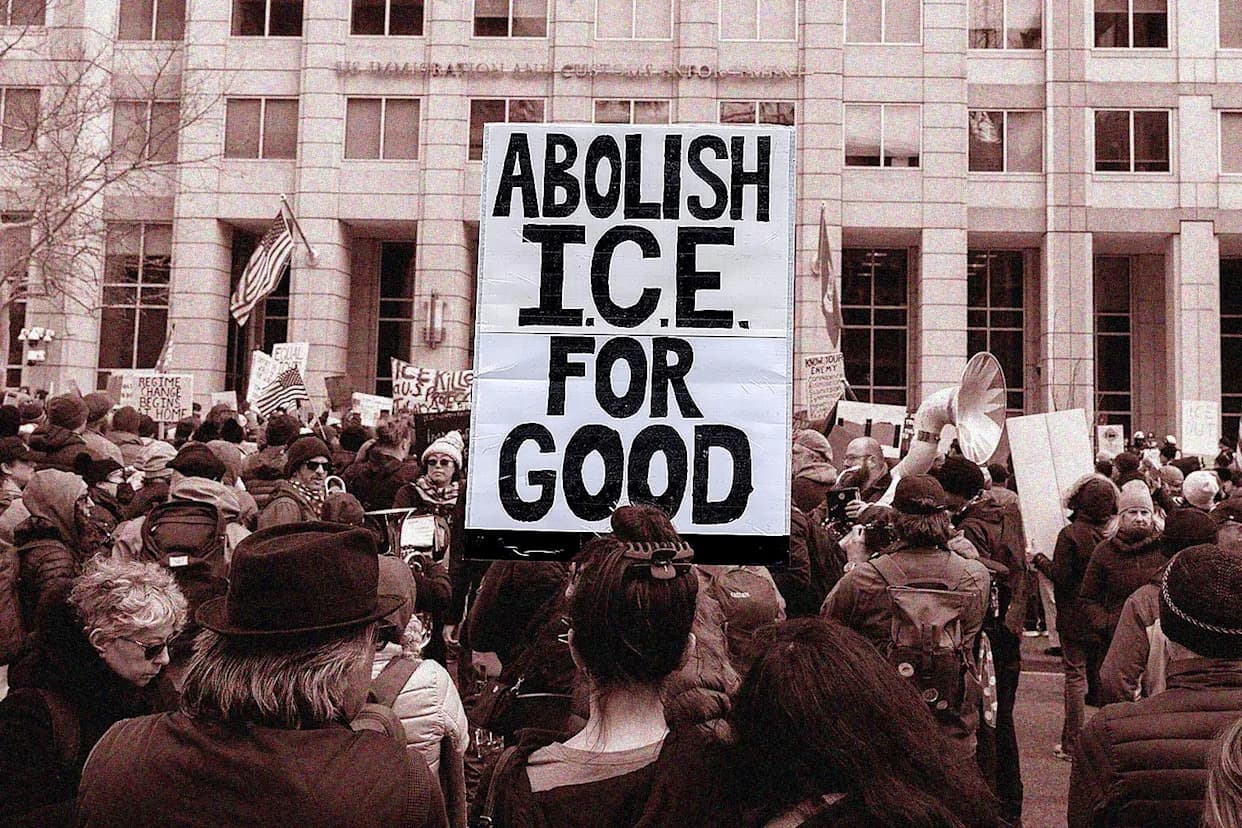
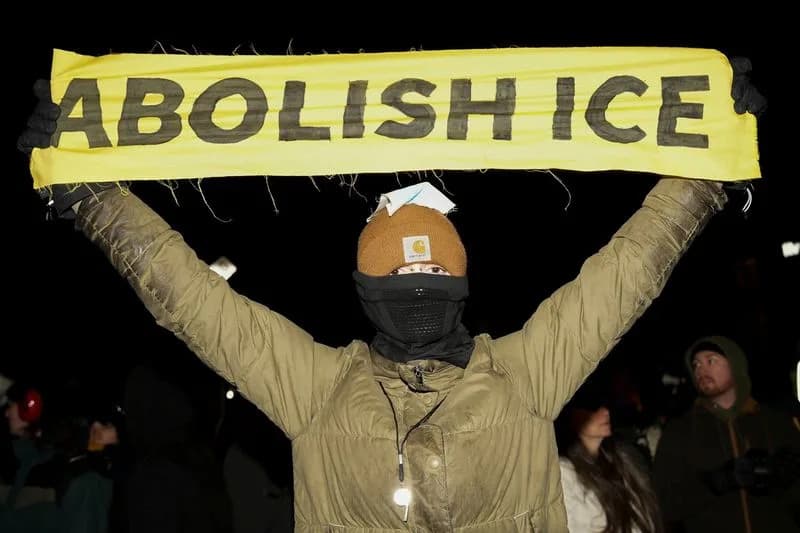
Recent polls suggest public support for U.S. Immigration and Customs Enforcement (ICE) is eroding — and the problem runs deeper than a communications strategy. An Economist/YouGov survey found that 47% of respondents believe ICE makes the country less safe and 46% favor abolishing the agency. A separate Quinnipiac poll reported that 57% of Americans disapprove of how ICE enforces immigration laws.
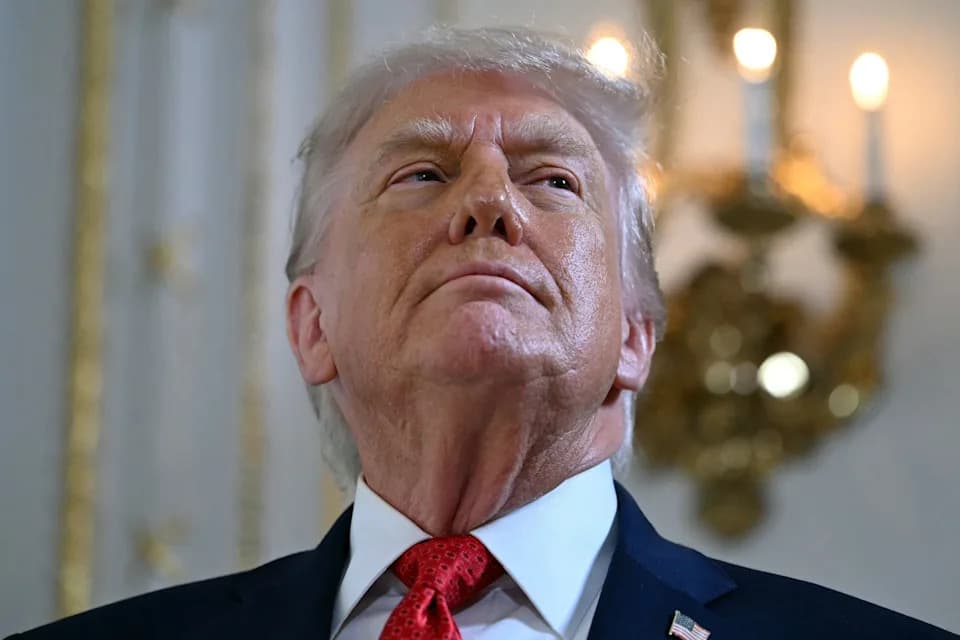
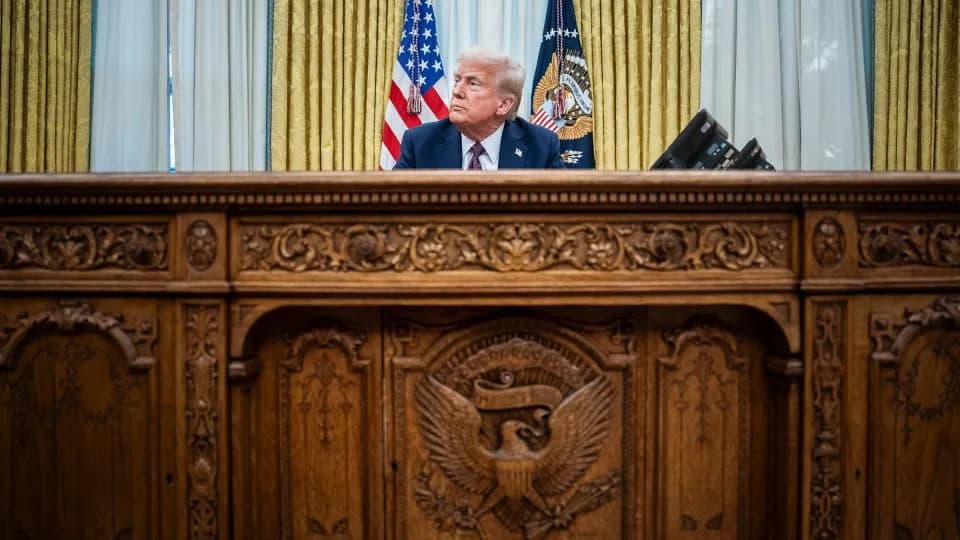
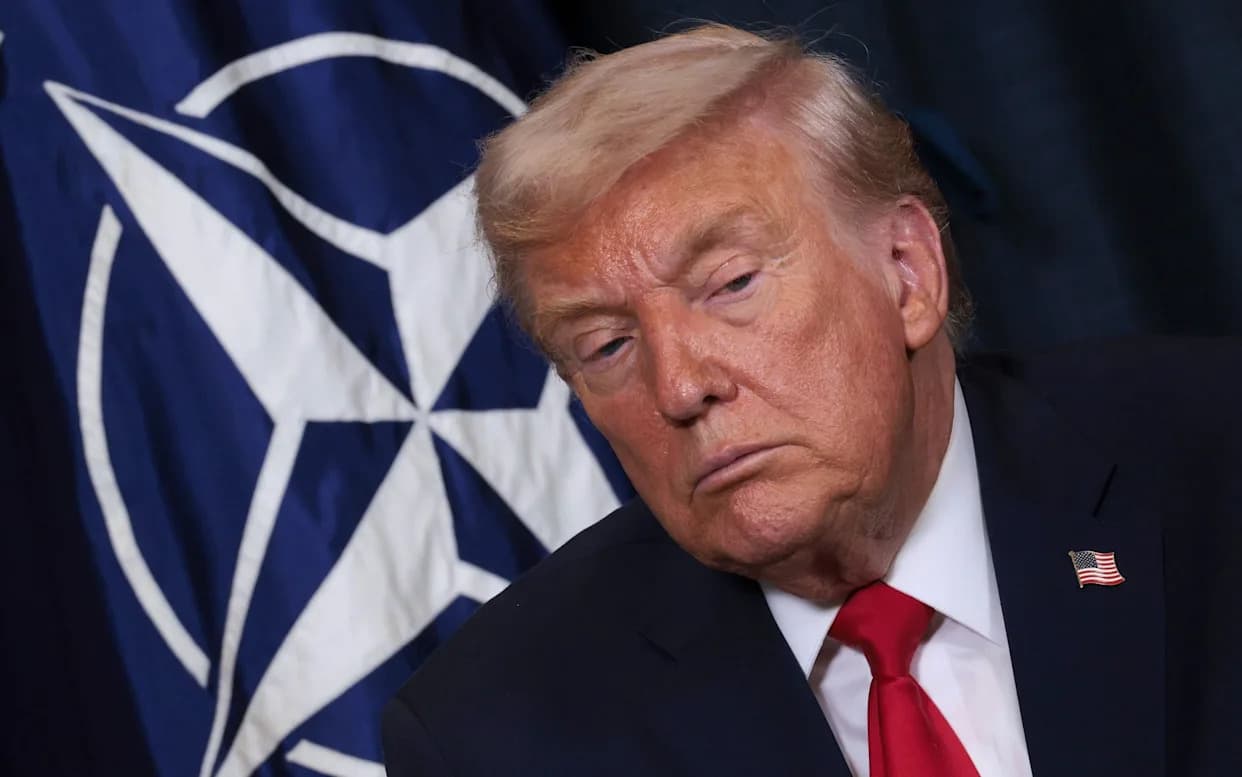
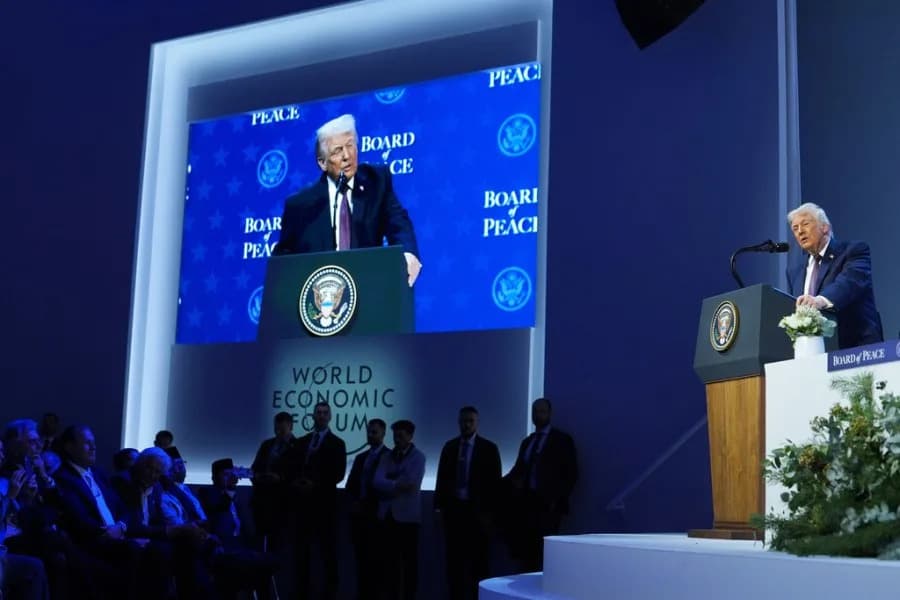
President Donald Trump has characterized the issue as a public relations shortfall and urged the Department of Homeland Security and ICE to publicize the criminals they detain. In a post on his social platform he wrote:
"The Department of Homeland Security and ICE must start talking about the murderers and other criminals that they are capturing and taking out of the system. They are saving many innocent lives! … Show the Numbers, Names, and Faces of the violent criminals, and show them NOW. The people will start supporting the Patriots of ICE, instead of the highly paid troublemakers, anarchists, and agitators!"
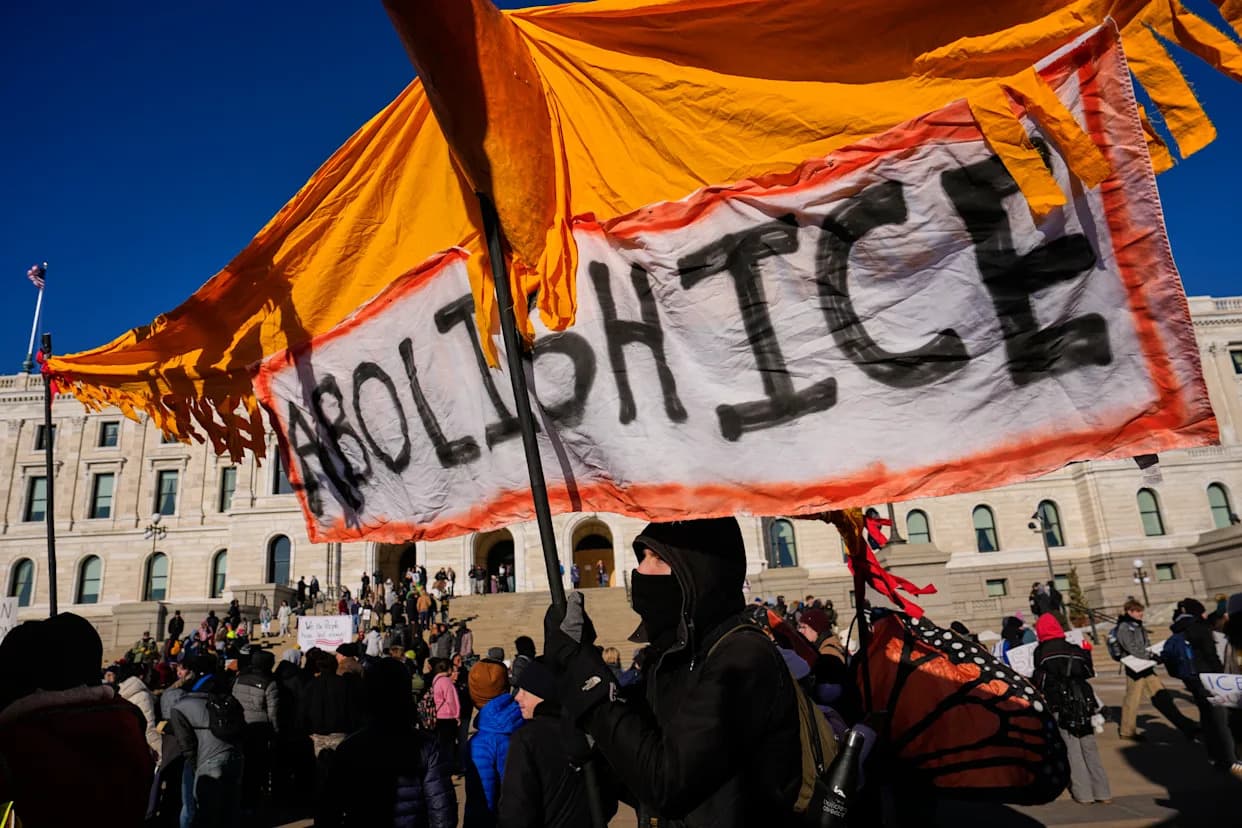
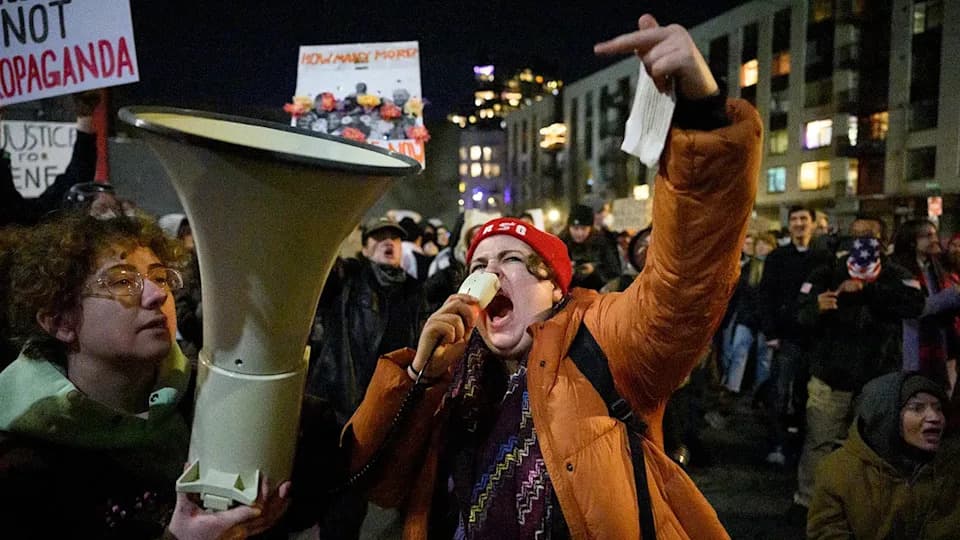
There are two key problems with that approach. First, the president’s framing mischaracterizes both protesters and the agency’s targets. Many who demonstrate against ICE are not "highly paid troublemakers," and available data indicate that a large share of those apprehended or detained by ICE do not have serious criminal records. Second, and more fundamentally, public opinion reflects more than unfamiliarity: it responds to policy and practice.
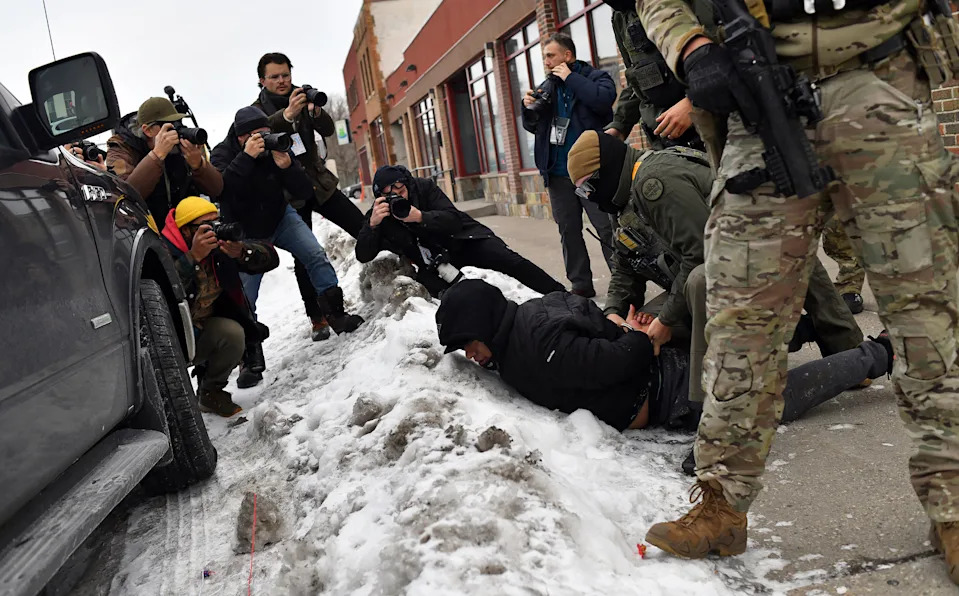
US Customs and Border Protection agents arrest a man while patrolling a neighborhood on Jan. 11, 2026 in Minneapolis.(Octavio Jones / AFP via Getty Images)
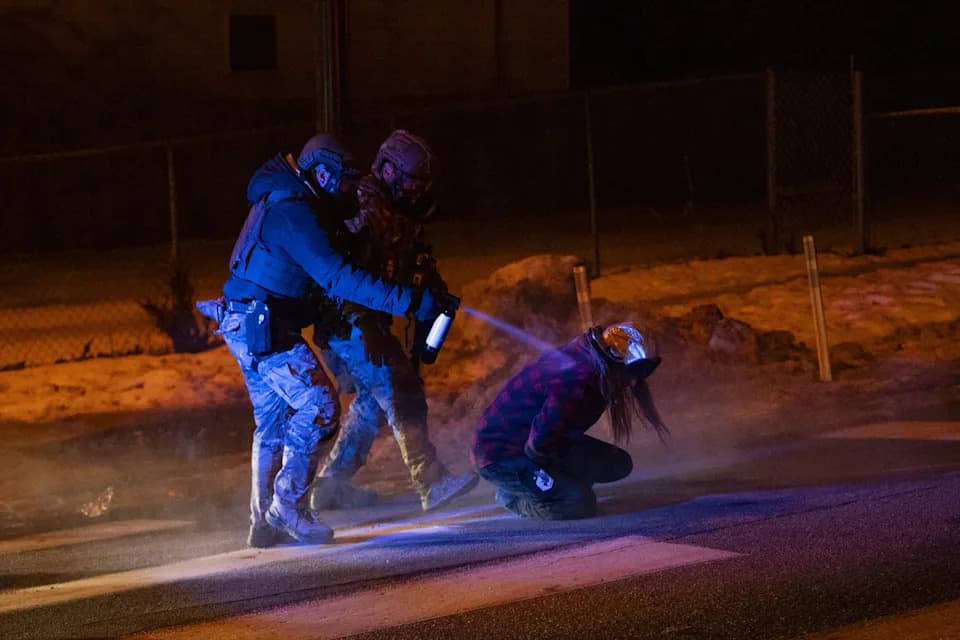
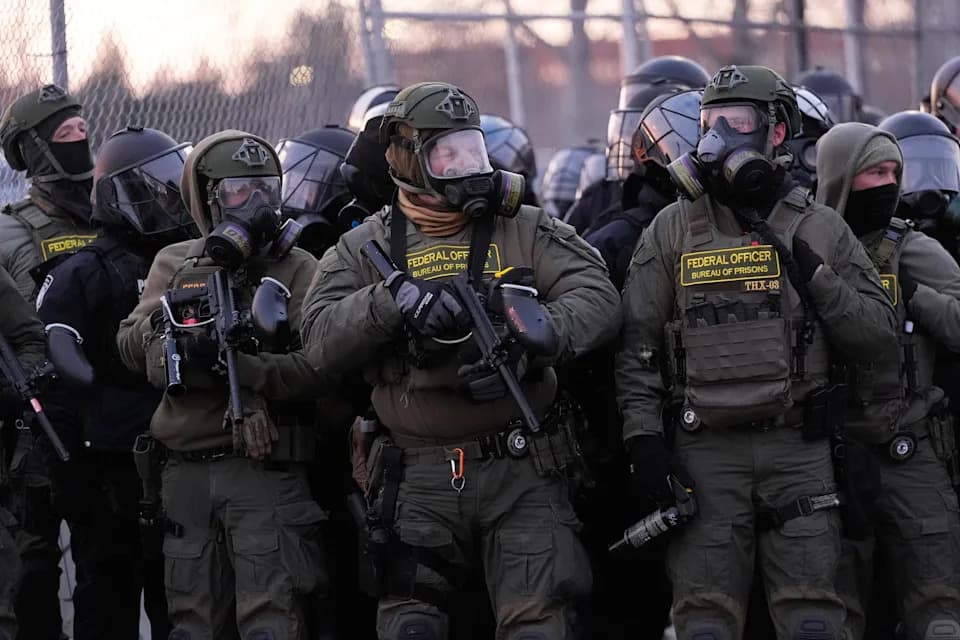
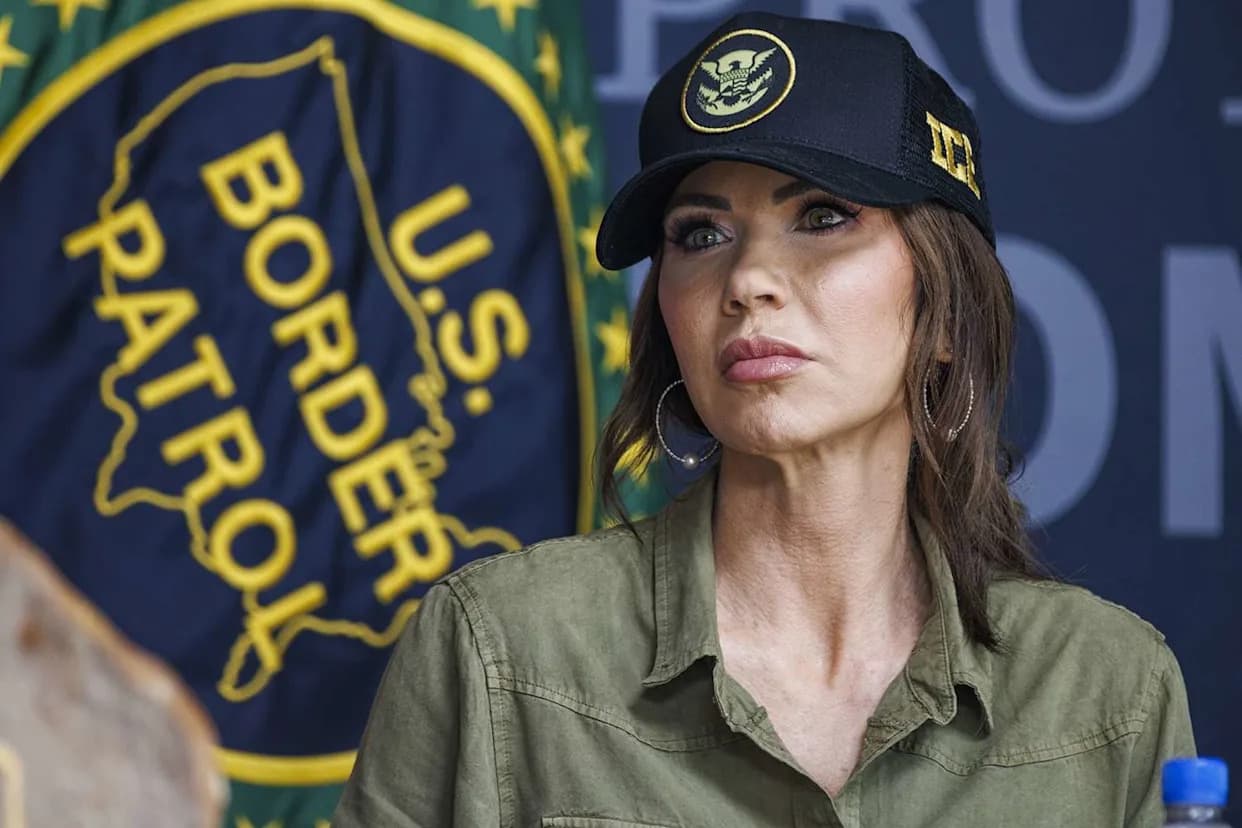
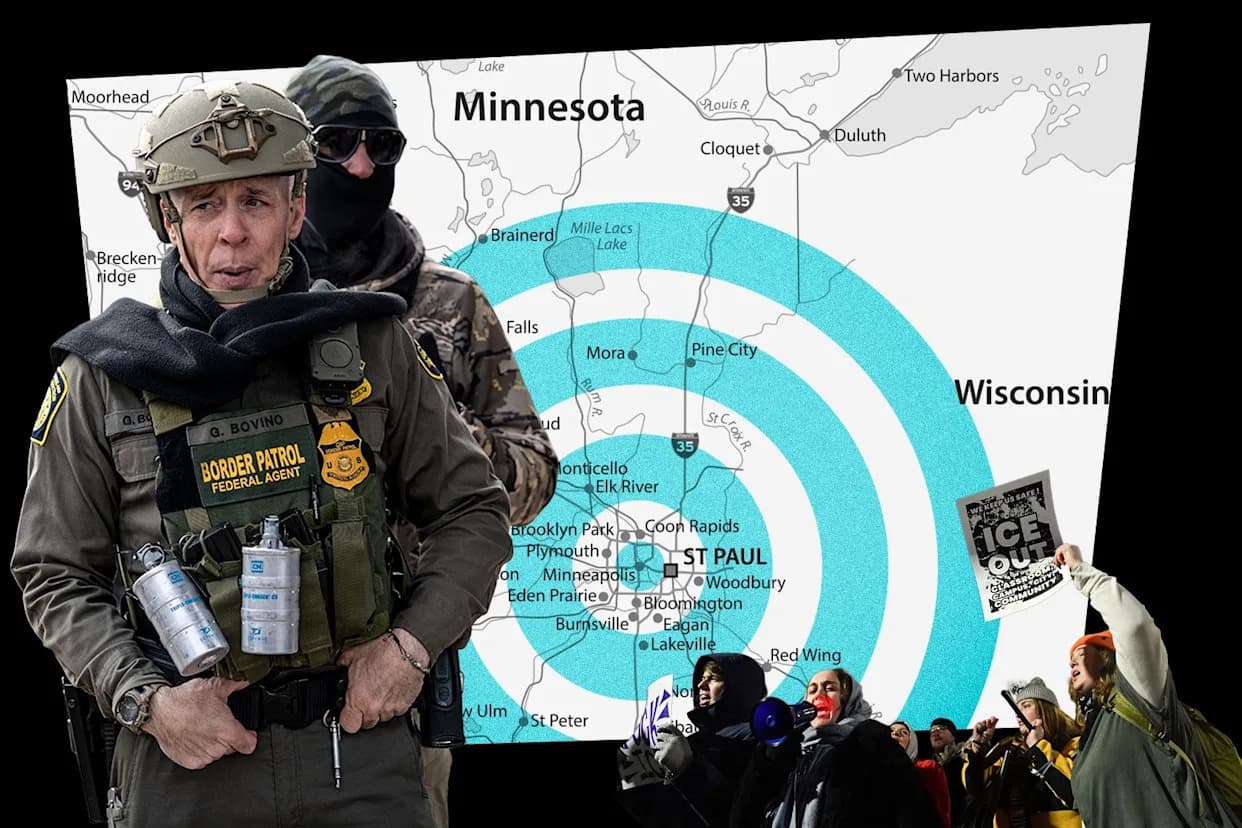
The controversy centers on tactics and policy choices: masked, heavily armed federal officers operating in ways critics say create fear in communities; broad detention practices that can sweep up noncitizens and sometimes citizens; and credible allegations of racial profiling. Public outreach by administration allies — including public officials and supporters such as Kristi Noem and Tricia McLaughlin — has so far failed to reverse these concerns.
As columnist Radley Balko warned in a New York Times opinion piece:
"We can still stop these abuses of power, but we need to be clear about what we’re facing. This is no longer a conversation about law enforcement or immigration policy. This is about authoritarianism."
In short, polling suggests the public has already seen enough to form judgments. Framing the issue as merely a PR problem risks missing the substantive policy debates that have driven distrust. If the administration wants to restore broader support, it will need changes in policy and practice, not only new talking points.
Note: This article originally appeared on MS NOW.
Help us improve.