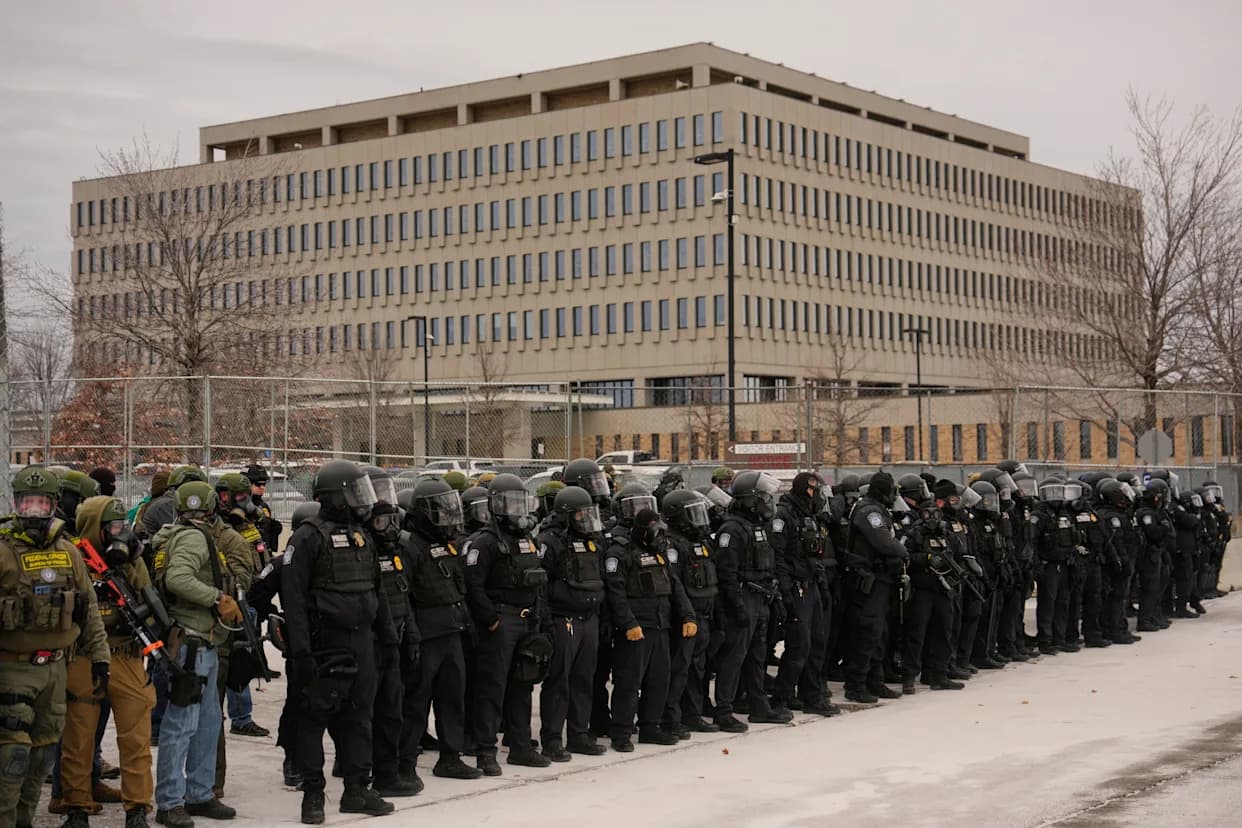
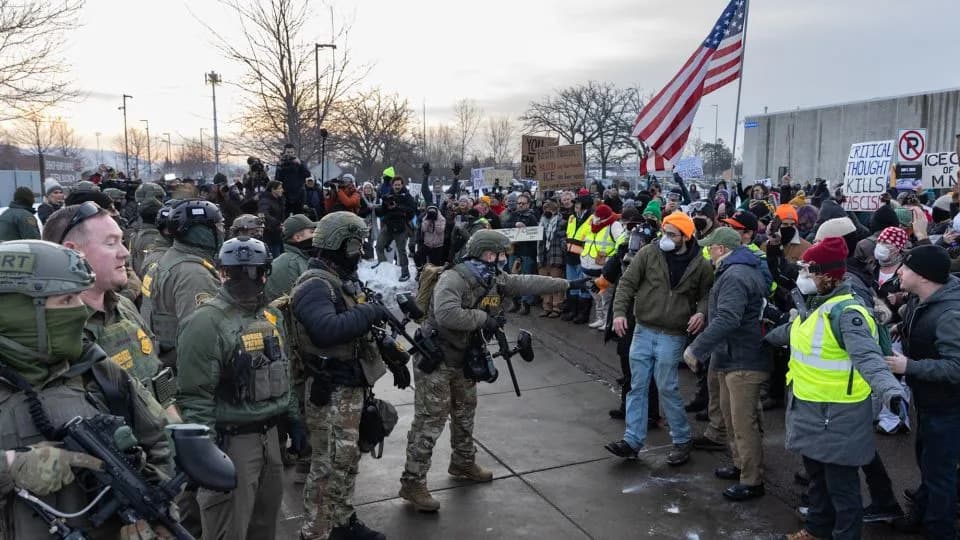
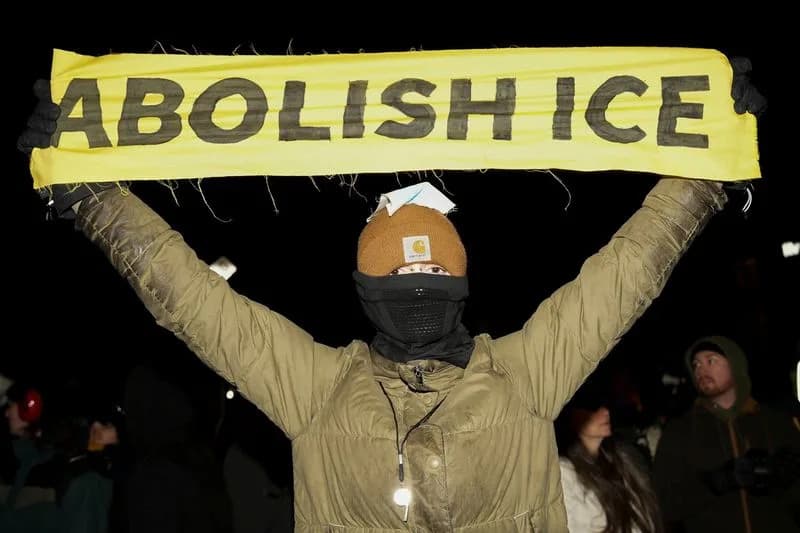
Homeland Security Secretary Kristi Noem said on Jan. 15 that ICE conducts "targeted enforcement" and may ask people near operations to validate their identities. Her remarks come amid intense scrutiny of ICE after several violent January incidents, including the Jan. 7 fatal shooting of Renee Nicole Good and other cases that left detainees and protesters injured or dead. Independent data show tens of thousands of recent arrests involved people with no criminal records, and journalists have documented more than 170 instances where U.S. citizens were detained. Critics, including public figures such as Joe Rogan, have compared identity checks to authoritarian tactics and warned against militarized enforcement in American communities.
Kristi Noem Says ICE May Ask People To Prove Citizenship As Raids Intensify — Critics Raise Alarms
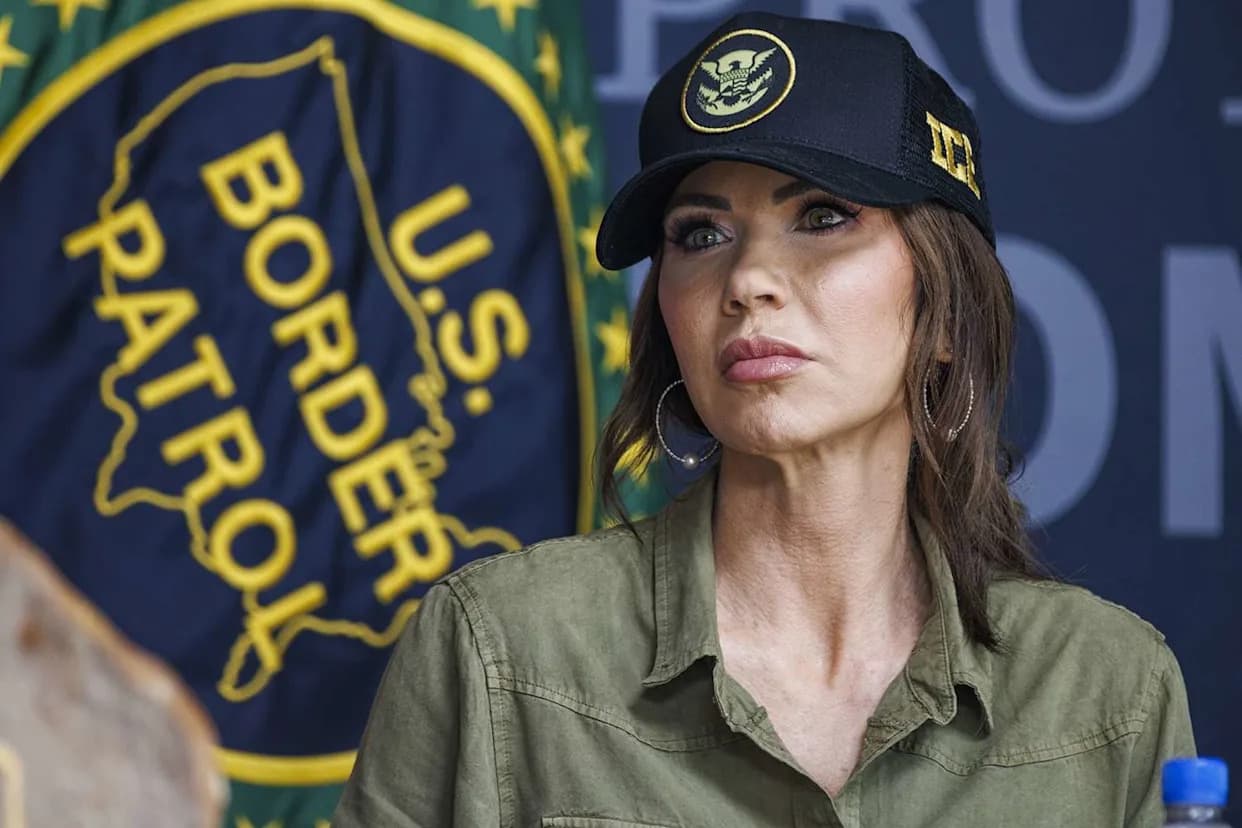
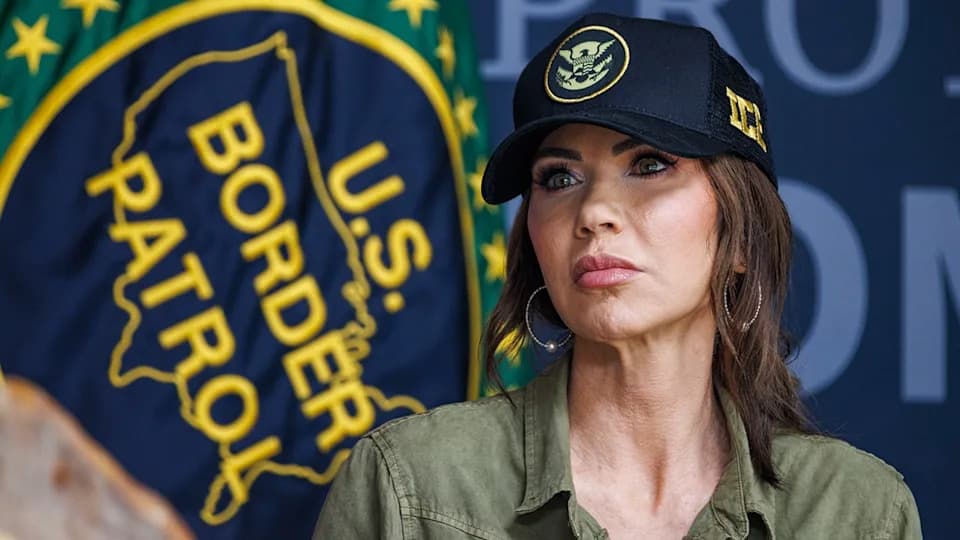
Michael Gonzalez/GettyHomeland Security Secretary Kristi Noem in Brownsville, Texas, on Jan. 7, 2026
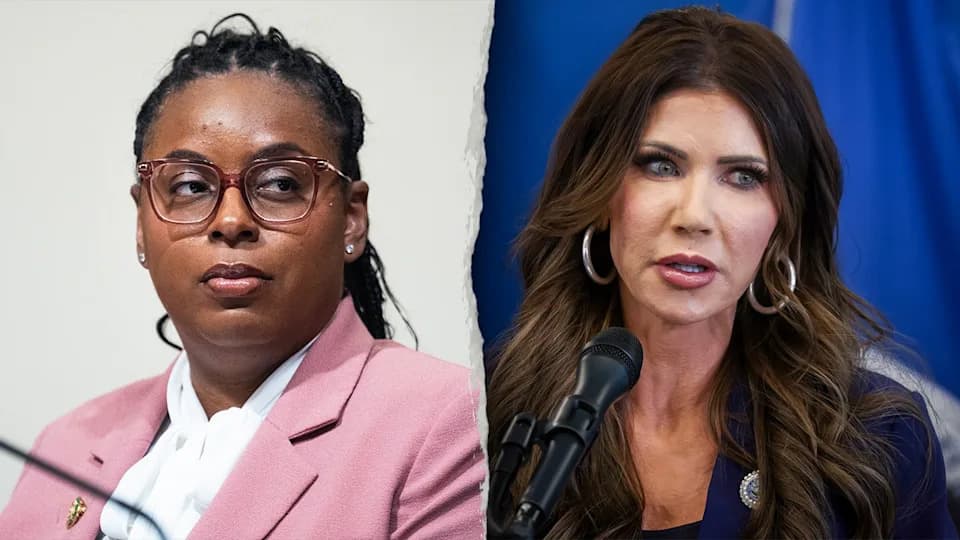
Homeland Security Secretary Kristi Noem defended reports that Immigration and Customs Enforcement (ICE) officers have been asking people near enforcement operations to validate their identities as the agency ramps up raids across U.S. cities.
Speaking to reporters outside the White House on Jan. 15, Noem — the 54-year-old former governor of South Dakota — said ICE focuses on "targeted enforcement" but must also confirm who is present around a suspected criminal during an operation.
"In every situation, we are doing targeted enforcement," Noem said. "If we are on a target and doing an operation, there may be individuals surrounding that criminal that we may be asking who they are and why they’re there and having them validate their identity."
Noem added that asking people to identify themselves has long been part of such operations so agents can determine "who’s in those surroundings," and that anyone believed to be breaking the law will be detained "until we’ve run that processing."

Stephen Maturen/GettyICE agents cut a woman's seatbelt off and pull her from her car in Minneapolis, Minn., on Jan. 13, 2026
Recent Incidents and Public Backlash
ICE actions have drawn intense scrutiny in early 2026 amid a series of violent and controversial encounters following President Donald Trump's return to the White House and a renewed deportation effort.
Notable incidents cited by news outlets and advocacy groups include:
- Jan. 3 — A Texas detainee died in ICE custody; a medical examiner is expected to rule the death a homicide, according to reporting by The Washington Post.
- Jan. 7 — Minneapolis resident Renee Nicole Good was shot four times by an ICE agent as she tried to drive away and was later pronounced dead.
- Jan. 9 — A 21-year-old anti-ICE protester was reportedly blinded after being struck at close range by so-called non-lethal ammunition; his family said agents mocked him afterward.
- Jan. 14 — A Venezuelan man was shot in the leg during a struggle with ICE officers.
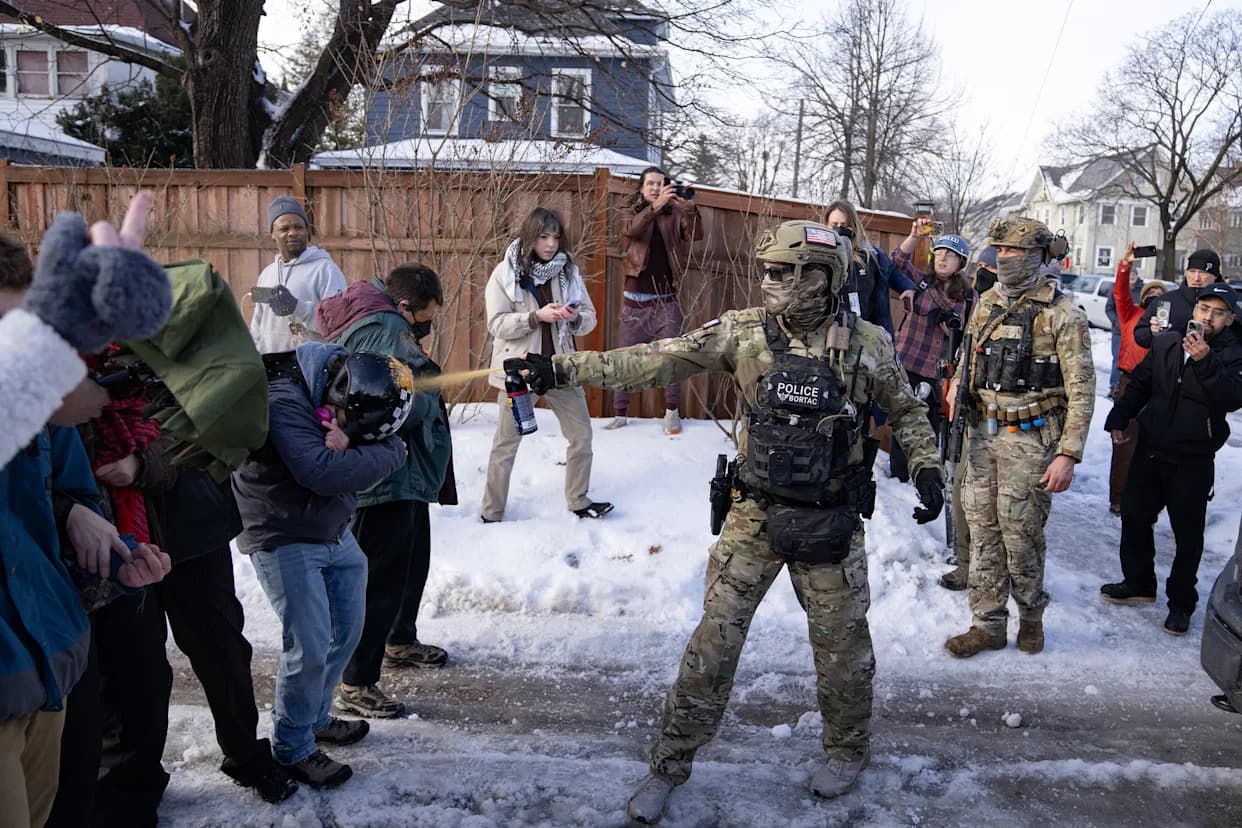
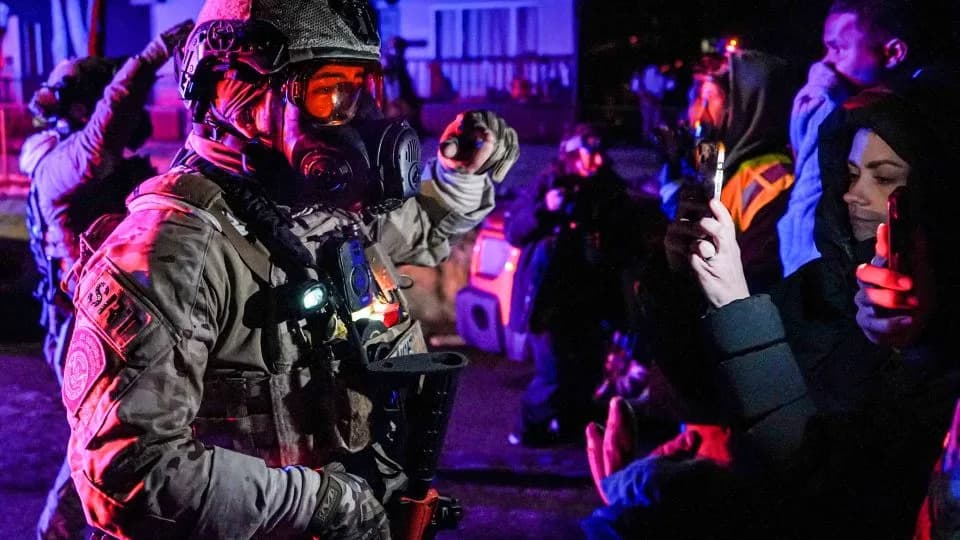
Video of clashes between officers and protesters, vehicles struck during operations, and agents approaching homes in cities including Minneapolis have circulated widely on social platforms. In response to unrest in Minnesota, President Trump has threatened to invoke the Insurrection Act to deploy military forces to suppress anti-ICE demonstrations.
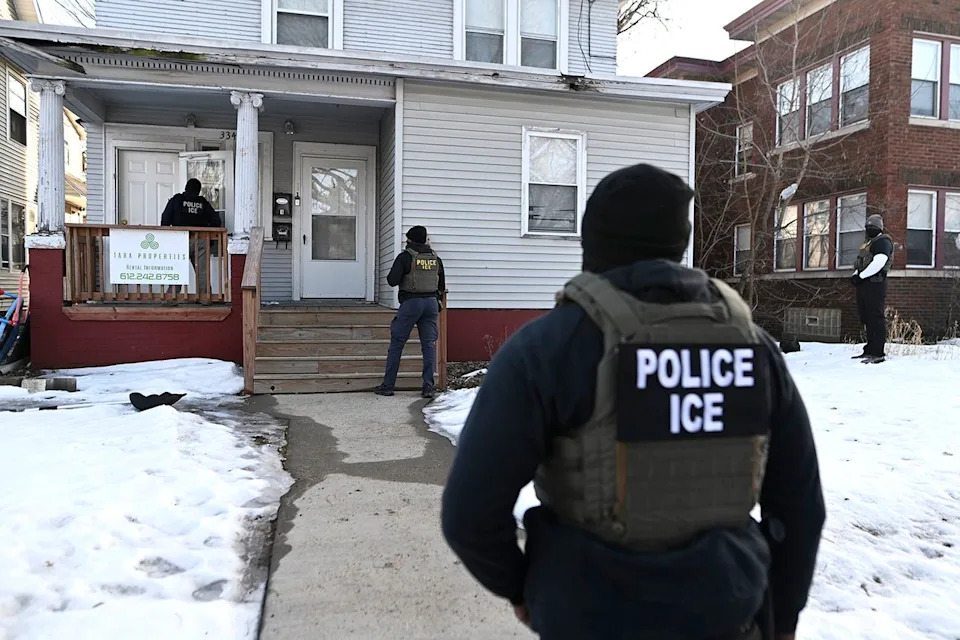
Stephen Maturen/GettyICE agents approach a house in Minneapolis before detaining two people on Jan. 13, 2026
Data and Broader Concerns
Researchers and reporters point to broader trends that fuel public concern. Analysis by the University of California, Berkeley's Deportation Data Project — compiled from an internal ICE office and released in litigation — found that nearly 75,000 people arrested by ICE during the first nine months of the administration had no criminal record, and roughly one-third of arrests in that period involved people with no prior convictions. ProPublica has also documented more than 170 cases in which U.S. citizens were detained at raids and protests in the agency's first nine months back in office.
Those data and the recent incidents have prompted critics to accuse ICE of overreach and to question the constitutionality and oversight of identity checks in public spaces.
Public Reaction
Podcaster Joe Rogan, who endorsed Trump in 2024, criticized ICE on the Jan. 13 episode of The Joe Rogan Experience. Rogan warned against "militarized" enforcement tactics on U.S. streets and likened officers asking for documents to historical political police, asking, "Are we really going to be the Gestapo? 'Where's your papers?' Is that what we've come to?"
The debate continues as lawmakers, civil rights groups and the public weigh the balance between immigration enforcement, civil liberties and public safety. Legal experts say questions remain about how often identity checks are lawful, how frequently U.S. citizens are affected, and what oversight exists for ICE operations conducted off the border.
Note: Dates and incidents described above are based on reporting by national outlets and investigative projects referenced in original coverage.
Help us improve.