House Republicans introduced the "Make Elections Great Again Act," a comprehensive bill proposing photo ID, citizenship verification at registration, bans on universal vote-by-mail and ranked-choice voting, and a requirement for auditable paper ballots. Supporters call the changes necessary to restore confidence; critics warn they could disenfranchise millions. The package faces strong Democratic opposition and an uncertain path in a narrowly divided Congress.
House Republicans Unveil Broad Voting Overhaul Ahead Of Midterms — Sparks Debate Over Access And Integrity
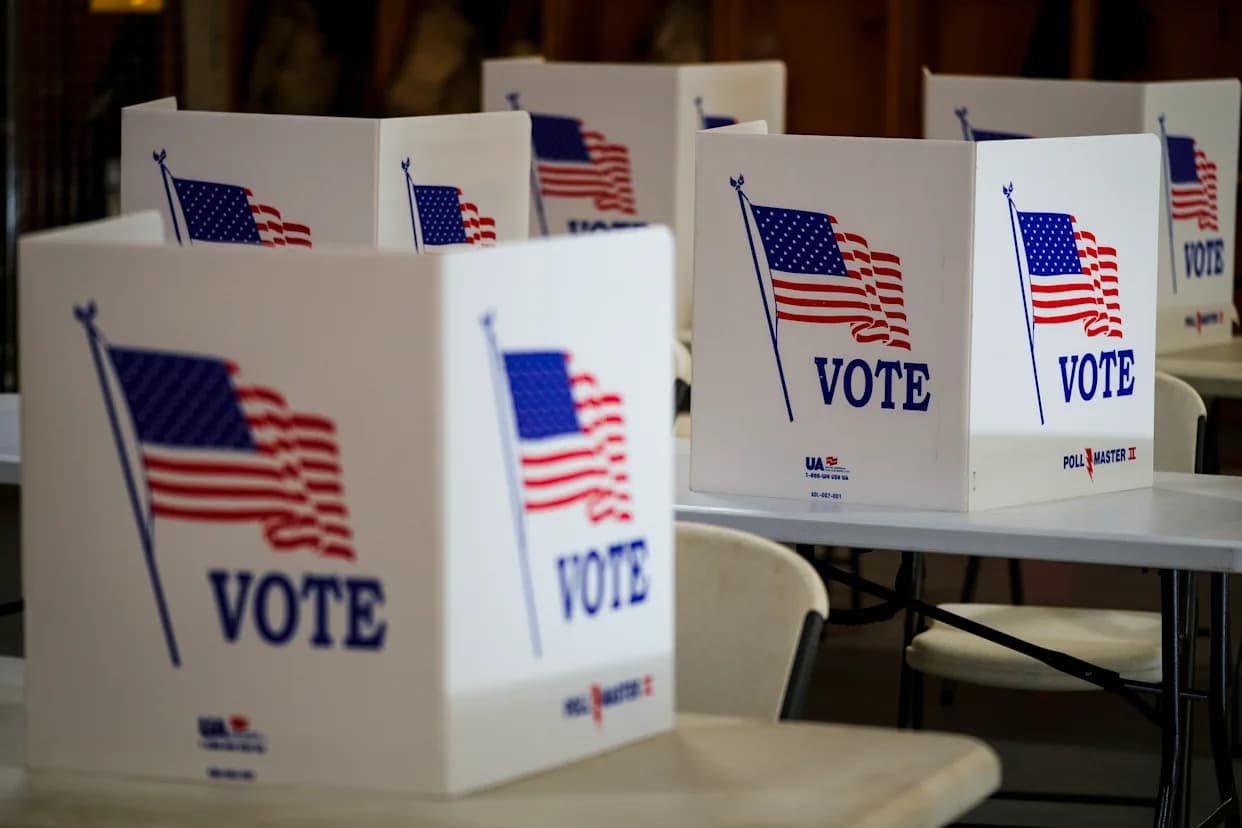
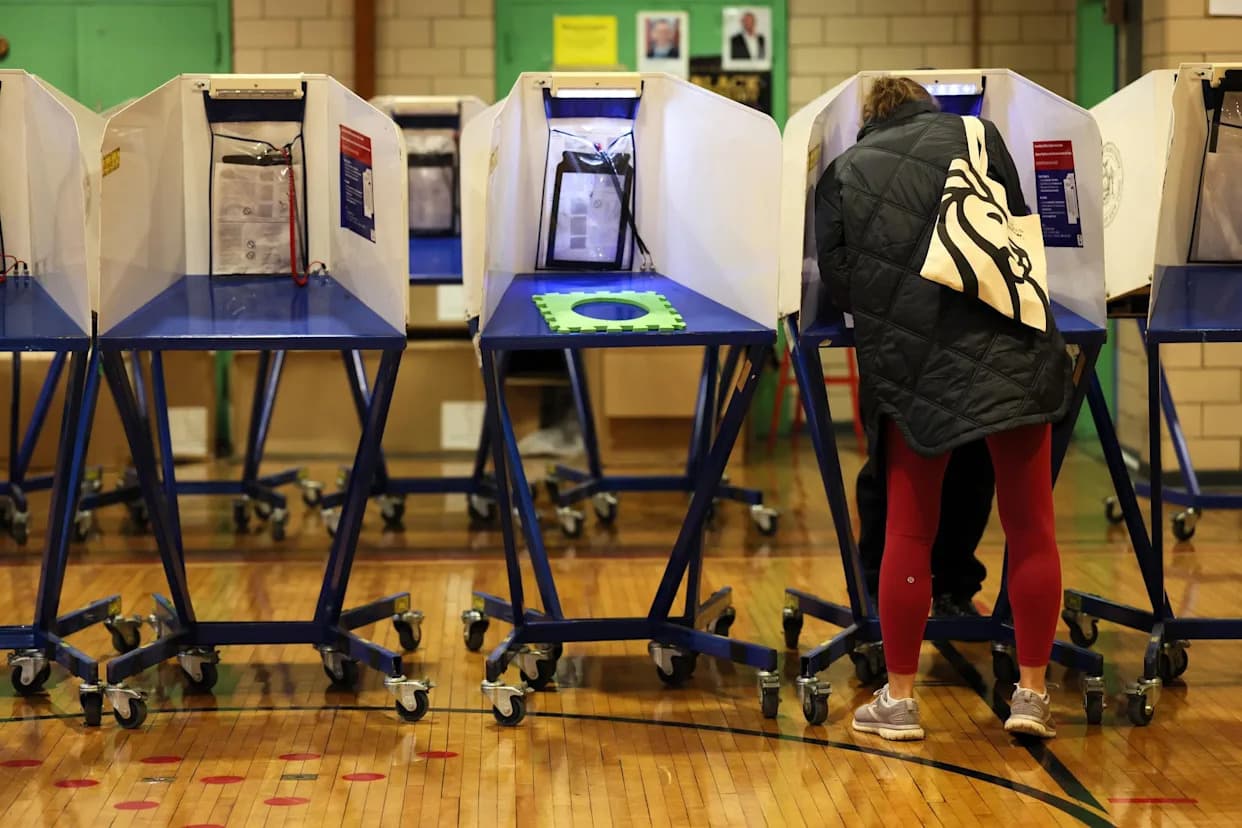
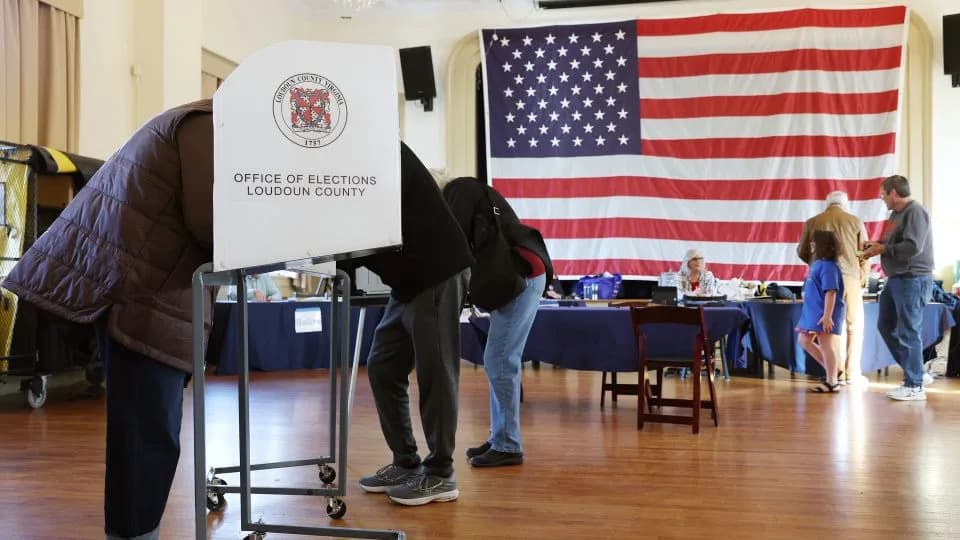
FILE- Voting booths are set up at a polling place in Newtown, Pa, April 23, 2024. (AP Photo/Matt Rourke, File)(ASSOCIATED PRESS)
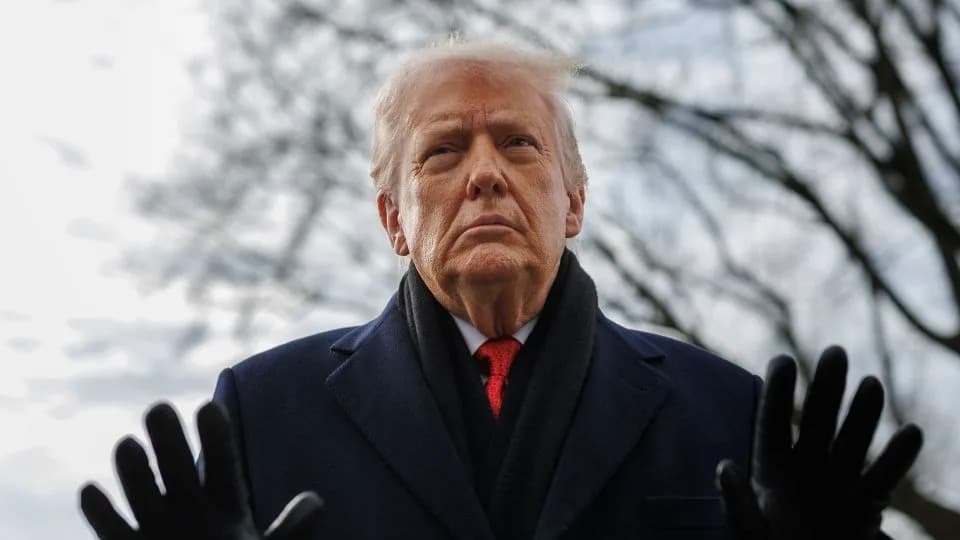
WASHINGTON — House Republicans on Thursday unveiled a sweeping election overhaul they say will tighten voting rules ahead of the November midterms. Backed by President Donald Trump, the proposal—dubbed the “Make Elections Great Again Act”—would impose federal minimum standards for federal elections, including new identification and registration requirements and limits on some voting methods adopted in several states.
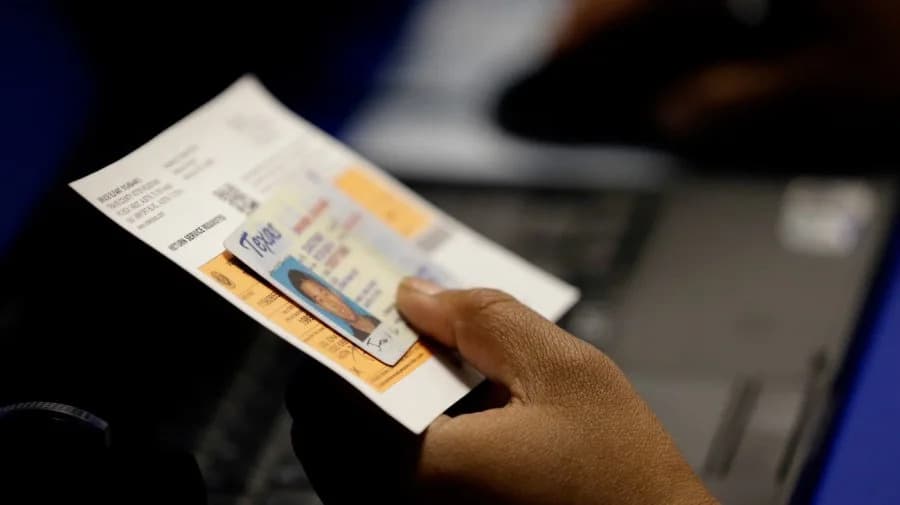
The package bundles a number of high-profile changes: mandatory photo identification to cast a ballot, verification of citizenship at registration, a ban on universal vote-by-mail programs and a prohibition on ranked-choice voting for federal contests. It also would require states to use auditable paper ballots and restrict counting of mail-in ballots to those received in-state by the close of polls on Election Day, with an exception for ballots from overseas military personnel.
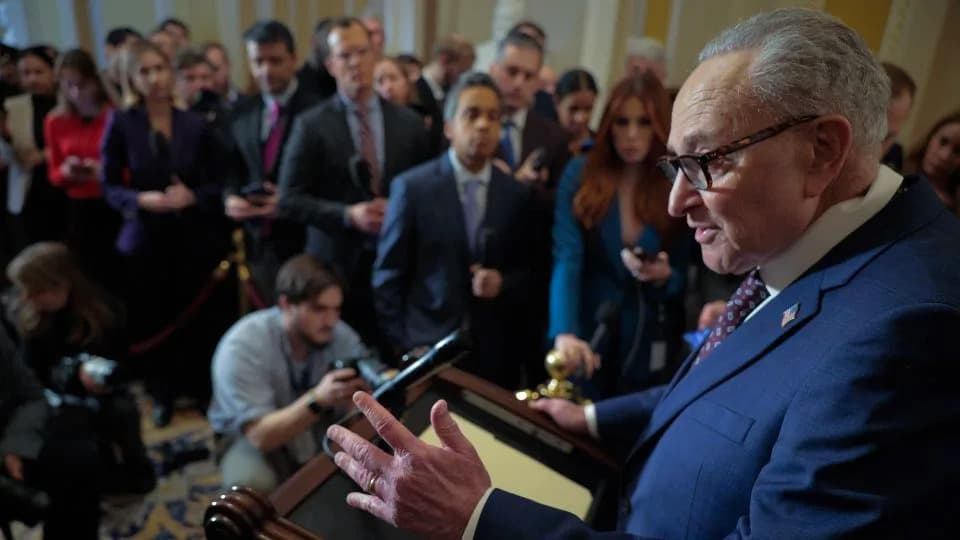
“Americans should be confident their elections are being run with integrity — including commonsense voter ID requirements, clean voter rolls, and citizenship verification,” said Rep. Bryan Steil, chairman of the House Administration Committee. “These reforms will improve voter confidence, bolster election integrity, and make it easy to vote, but hard to cheat.”
Supporters frame the bill as a way to restore public trust in elections. Critics — including Democrats and voting-rights groups — argue the measures would impose unnecessary barriers that could disenfranchise eligible voters, particularly low-income people, older Americans, minorities and others who may lack photo ID or ready proof of citizenship.
Voting-rights advocates point to a 2023 report from the Brennan Center for Justice estimating that roughly 9% of U.S. citizens of voting age — about 21.3 million people — do not have proof of citizenship readily available. The report also notes that nearly half of Americans do not hold a U.S. passport, a common document sometimes used as proof.
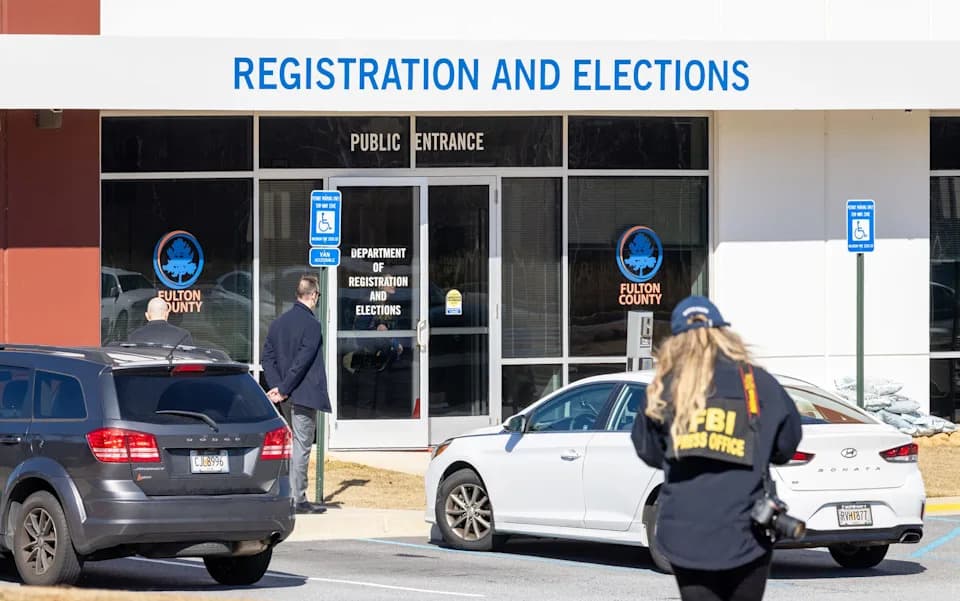
The proposal arrives as Republicans and the Trump administration step up their focus on election-related matters ahead of the midterms. This week, FBI agents searched the Fulton County election offices in Georgia seeking ballots and other materials tied to the 2020 election — an action tied to ongoing investigations that the former president has referenced in public remarks.
Legislatively, the package faces long odds in a narrowly divided Congress. Democrats have dismissed similar bills as attempts to restrict voting access through strict registration and identification requirements. A related measure, the Safeguard American Voter Eligibility Act — which would have enshrined parts of an executive order issued by Mr. Trump last year — passed the House previously but stalled in the Senate.
Even if some provisions mirror practices already used by many states, the bill would set federal requirements that could override state policies in federal elections, prompting legal and political battles over implementation and access in the months ahead.
Help us improve.