The Justice Department has shifted to using a records-inspection provision of the 1960 Civil Rights Act to demand state voter-registration files, a change from its earlier reliance on NVRA and HAVA. DOJ says the data would help states "clean" their rolls and has coordinated with DHS, but states and voting experts warn about privacy risks and potential wrongful purges. DOJ has sued 23 states and the District of Columbia; courts so far have resisted requests for immediate, full production of unredacted records.
DOJ Turns to 1960 Civil Rights Act to Demand State Voter Rolls, Prompting Legal and Privacy Battles
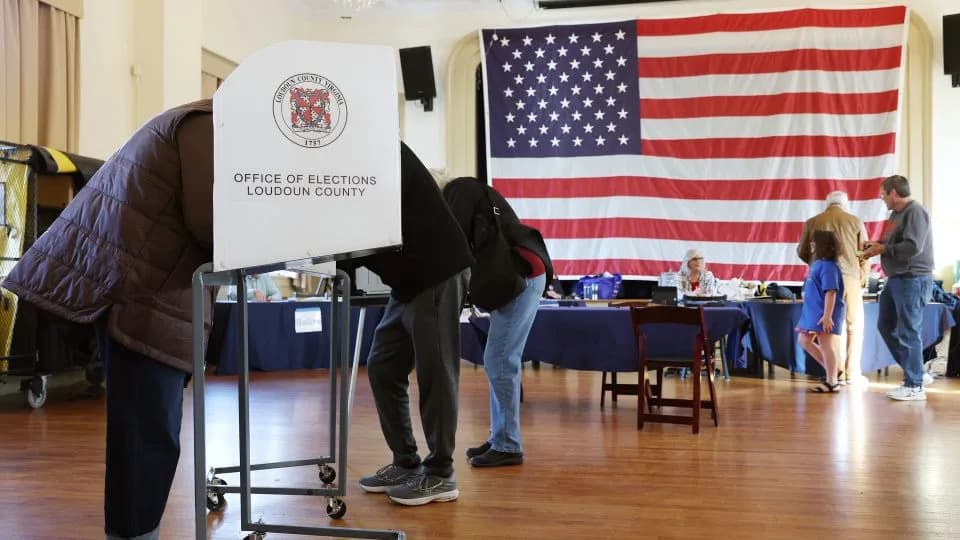
Voters fill out their ballots on November 4 in Hillsboro, Virginia. - Anna Moneymaker/Getty Images
The Trump Justice Department has shifted its legal strategy and is now relying heavily on a records-inspection provision of the 1960 Civil Rights Act to demand state voter-registration files. That provision — enacted to protect Black Americans from disenfranchisement — is central to the department’s renewed push to obtain detailed voter data from states that have resisted sharing sensitive fields.
What DOJ Says and Why It Matters
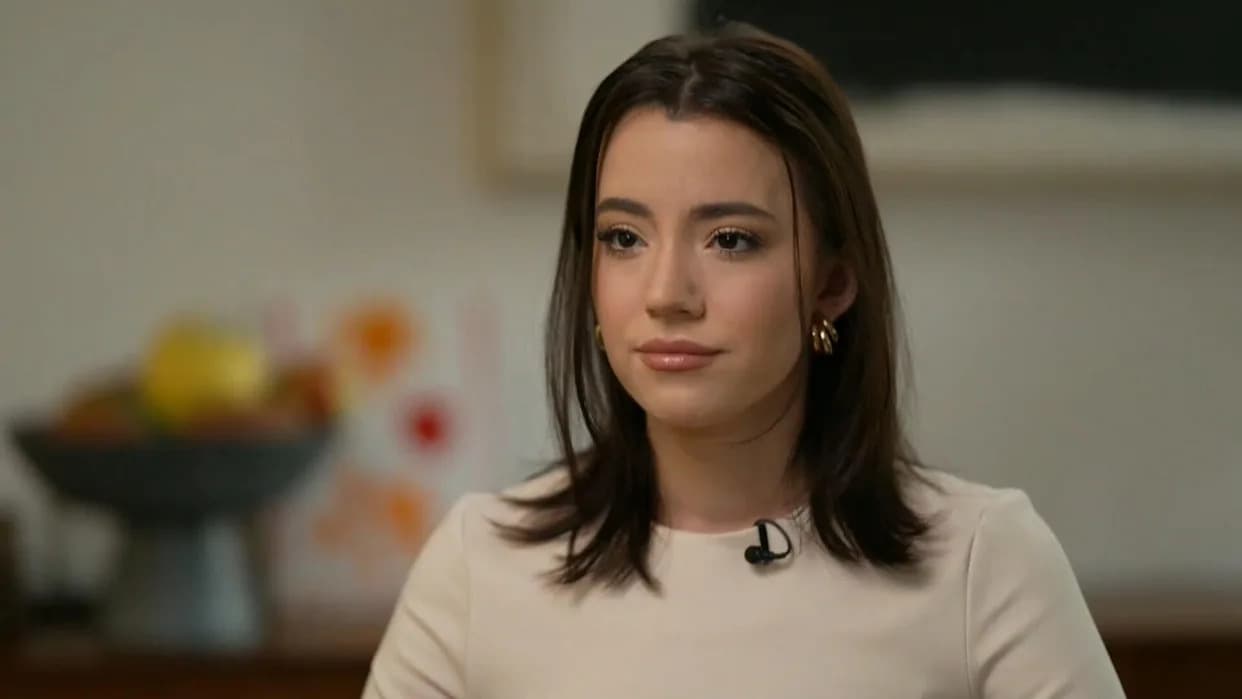
Assistant Attorney General Harmeet Dhillon, who leads the department’s Civil Rights Division, has said DOJ seeks the registration records to “help” states “clean” their rolls by cross-checking them against other federal databases. The department has also coordinated with the Department of Homeland Security on plans to flag potential non-citizen registrants for state review.
State Pushback and Privacy Concerns
Many state election officials — including some Republicans — have refused to provide highly sensitive fields such as birth dates, Social Security numbers and driver’s license numbers, citing privacy laws and the risk of misuse. Voting advocates and election administrators warn that broad data-sharing could produce sloppy purges that disenfranchise eligible voters and create opportunities for mission creep if the records are reused for other purposes.
Legal Pivot: From NVRA and HAVA to the Civil Rights Act
When DOJ first requested voter files, it relied on the National Voter Registration Act (NVRA) and the Help America Vote Act (HAVA). As states resisted, the department began invoking the 1960 Civil Rights Act’s inspection provision and, in later suits, dropped the NVRA and HAVA claims in favor of pressing the CRA-based theory alone. The pivot represents a major change in legal approach.
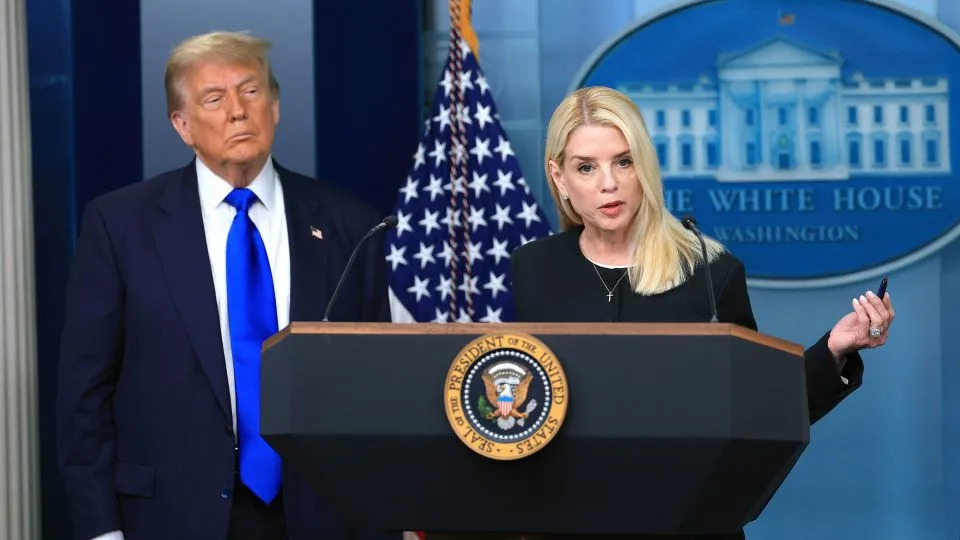
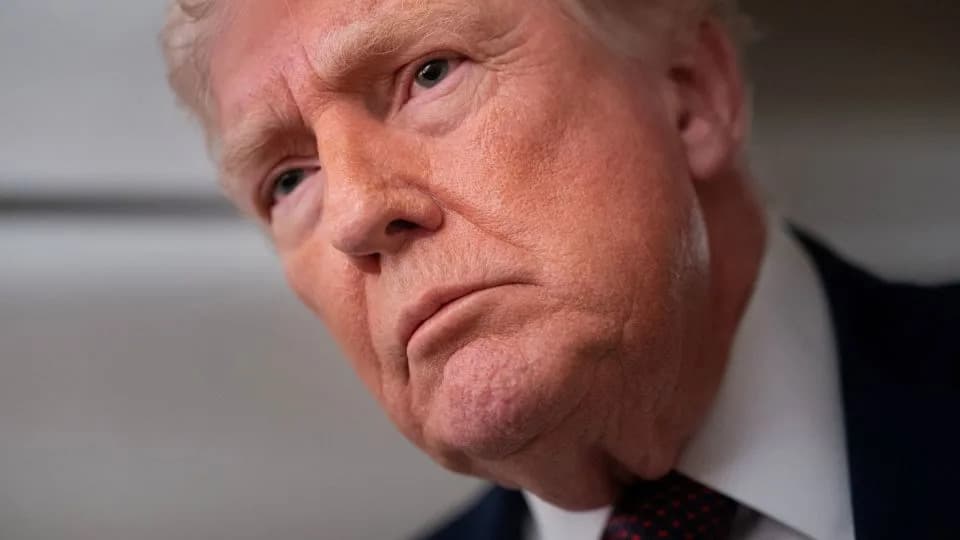
Attorney General Pam Bondi speaks alongside President Donald Trump in the briefing room at the White House in June. - Joe Raedle/Getty Images
“The Attorney General doesn’t have to show her homework as to what she is going to do with it, and I am her designee. So I get to ask for that information and they have to give it,” Dhillon said on a recent podcast.
Scope Of Litigation And Department Changes
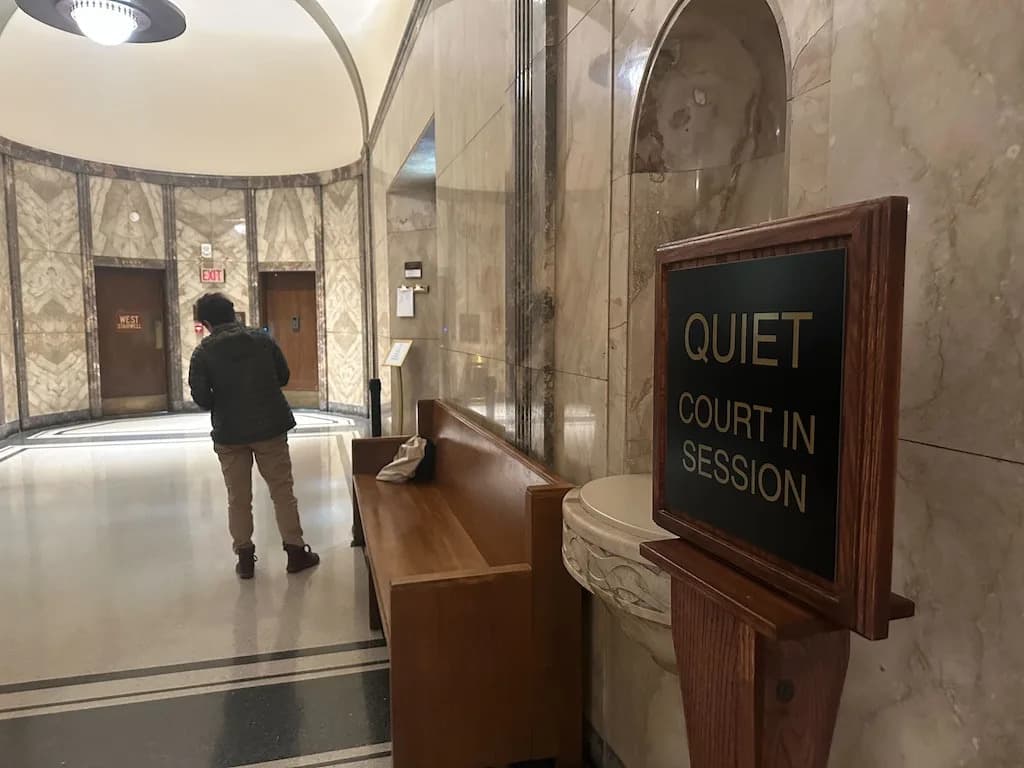
The department has sued 23 mostly Democratic-led states and the District of Columbia for records those jurisdictions declined to produce. DOJ has also sought expedited court orders asking judges to require immediate, full production of records — a request most courts have declined so far or reserved ruling on until normal litigation steps proceed.
Reporters and advocates note the department’s voting section has seen major personnel turnover since the start of Trump’s second term. Many career voting experts left or were replaced, and newer attorneys leading the effort include some who previously represented conservative groups pursuing similar data requests.
Outlook
Court precedents under NVRA and HAVA generally permit redaction of sensitive fields when records are disclosed, while caselaw directly interpreting the CRA inspection provision is sparse and dated. Opponents argue Congress did not intend that provision as a blanket power to demand unredacted voter records where there are no allegations of racial discrimination. DOJ counters that courts should not add a discrimination requirement to the statute.
The litigation is ongoing and could shape limits on federal access to state voter data, the balance between privacy and election integrity, and how future administrations pursue voter-roll maintenance.
CNN’s Katelyn Polantz contributed reporting.
Help us improve.