Summary: DHS told a court that REAL ID cards "can be unreliable to confirm U.S. citizenship," even though DHS certifies state compliance. The statement arose in a lawsuit after Alabama construction worker Leo Garcia Venegas says he was detained twice during immigration raids despite carrying a REAL ID. The Institute for Justice argues that allowing officers to discount certified identification may violate the Fourth Amendment and undermines the purpose of the REAL ID program.
DHS Says Its Own-Certified REAL ID "Can Be Unreliable" To Confirm U.S. Citizenship — Citizen Detained Twice
DHS Says REAL ID, Which DHS Certifies, Is Too Unreliable To Confirm U.S. Citizenship
The Department of Homeland Security (DHS) told a court on Dec. 11 that REAL ID cards "can be unreliable to confirm U.S. citizenship," a surprising admission given that DHS certifies state compliance with REAL ID rules. The declaration, filed by Philip Lavoie, the acting assistant special agent in charge of DHS's Mobile, Alabama, office, came in response to a civil-rights lawsuit brought by the Institute for Justice on behalf of Alabama construction worker Leo Garcia Venegas.
What Happened
Venegas alleges that masked federal immigration officers entered private construction sites in May and June without warrants and began detaining workers based on apparent ethnicity. In both incidents, officers retrieved Venegas's Alabama-issued REAL ID but questioned whether it could be counterfeit. According to the complaint, Venegas was handcuffed and detained for about an hour the first time and for 20–30 minutes the second time before officers ran his records and released him.
"REAL ID can be unreliable to confirm U.S. citizenship," Lavoie wrote, explaining that variations in state REAL ID compliance could mean some programs issue STAR/REAL IDs to noncitizens.
Background: The REAL ID Program
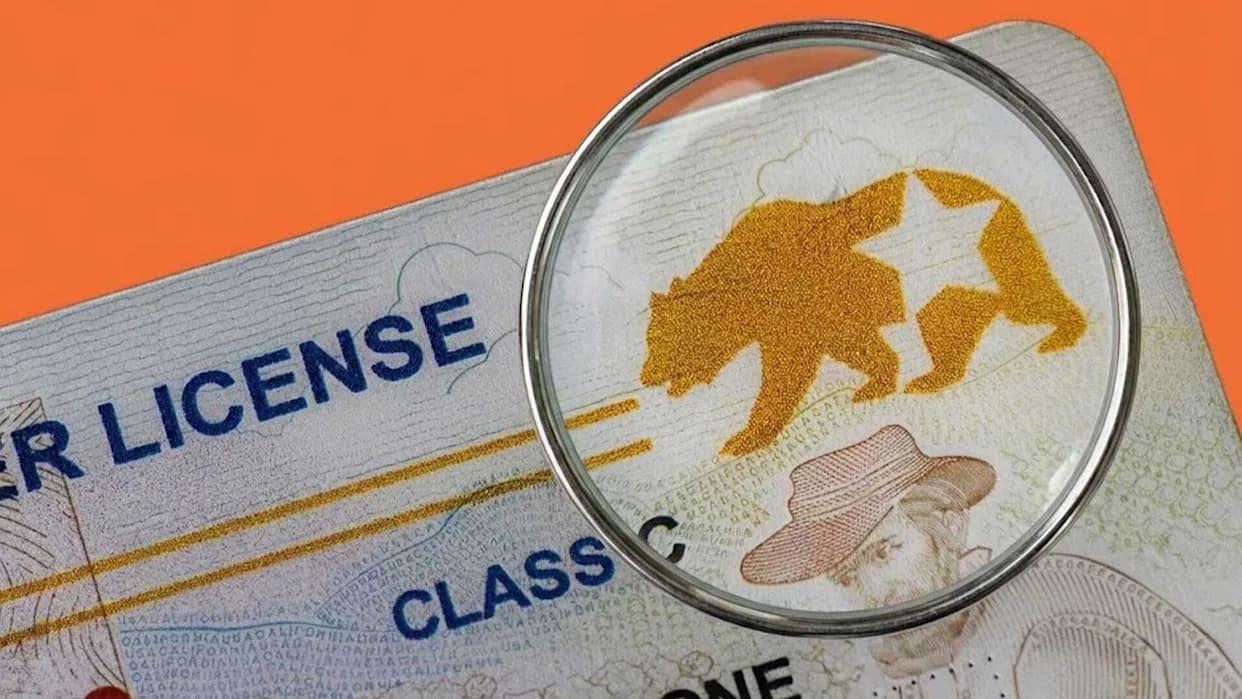
Enacted in 2005 after 9/11, the REAL ID Act established federal standards for state identification documents and required proof of citizenship or lawful immigration status for compliance. Compliant state IDs are marked with a star. DHS maintains REAL ID is not a single national ID or backed by a centralized federal database, though civil-liberties groups have long argued it functions as a de facto national ID. Because many states resisted or failed to meet requirements, enforcement was delayed seven times over the years and only began being enforced at federal facilities and airport checkpoints this May.
Legal and Civil-Liberties Issues
The Institute for Justice argues in court filings that DHS's position undercuts the legal promise of REAL ID: if compliant IDs require proof of citizenship and DHS certifies state programs, treating those cards as potentially unreliable allows agents to disregard documentary proof and may violate the Fourth Amendment and DHS regulations.
DHS responded to questions by telling Reason that "Real IDs are not immigration documents—they make identification harder to forge, thwarting criminals and terrorists," and that the Immigration and Nationality Act requires noncitizens to carry immigration papers. The agency also said targets of immigration enforcement are those illegally in the country, not people chosen by race or ethnicity, but it did not explain why Venegas was targeted.
Broader Implications
The case comes after a recent Supreme Court decision that overturned a 9th Circuit ruling which had limited the use of race- or ethnicity-based factors in immigration stops. In a concurring opinion, Justice Brett Kavanaugh suggested questioning of legally present individuals is typically brief and they may be released after clarifying their status. But Lavoie's declaration illustrates a practical gap: if officers treat a DHS-certified REAL ID as unreliable, possession of compliant identification may not prevent lengthy detentions once officers suspect someone is a target.
The episode raises larger questions about whether documentation and federal certification alone can protect citizens against aggressive immigration enforcement tactics, and whether REAL ID's promise of standardized proof of status is being fulfilled in practice.
Originally published on Reason.com.
Help us improve.