UC Santa Cruz received $555,000 to build radiation‑tolerant particle detectors from lab‑grown diamonds, funded through an $8 million, three‑year California fusion program. Diamond sensors are far more resilient than silicon and can provide real‑time particle readings critical for safe, efficient fusion operations. The work complements recent fusion milestones—including LLNL's 2022 ignition—and follows growing public and private investment in commercialization.
UC Santa Cruz Wins $555K to Build Diamond Detectors for Fusion Power Monitoring
Photo Credit:Depositphotos.com
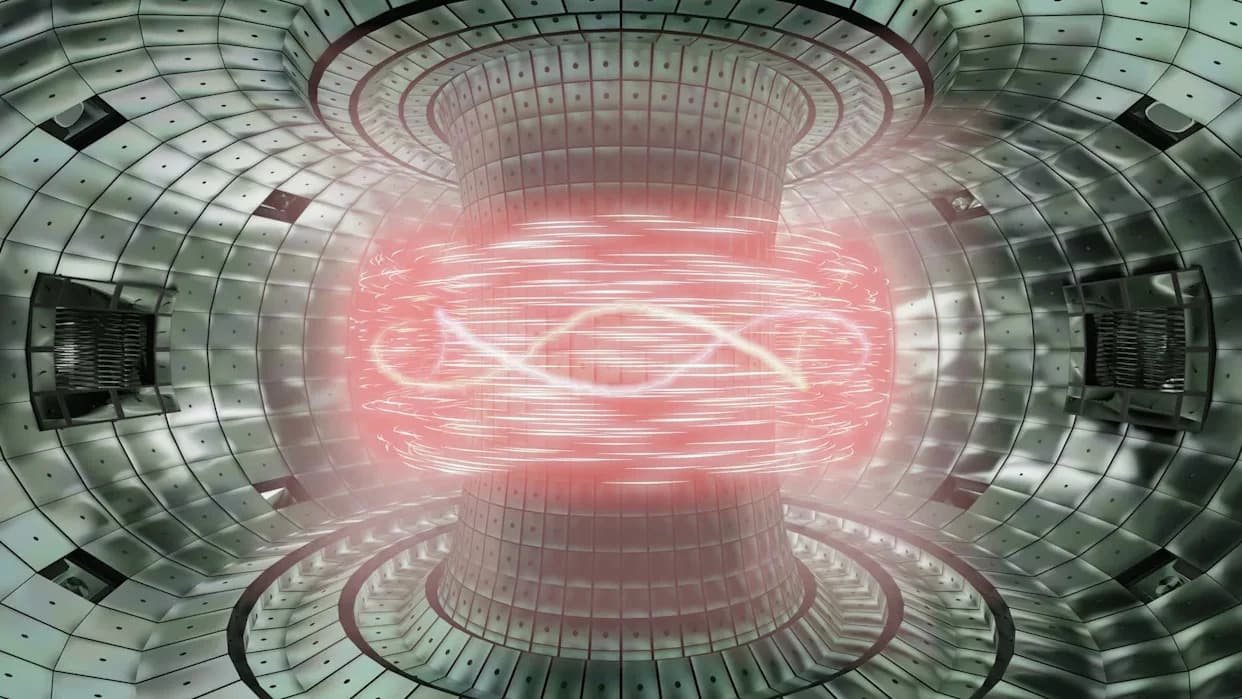
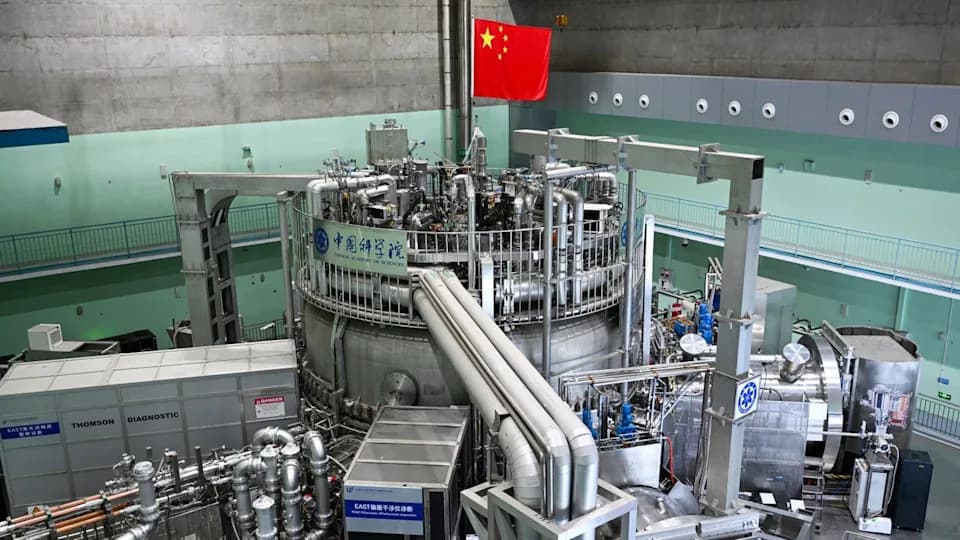
Researchers at the University of California, Santa Cruz have received a $555,000 grant to develop radiation‑tolerant particle detectors made from laboratory‑grown diamonds. The devices are intended to monitor and diagnose reactions inside fusion power facilities where conventional instruments quickly degrade.
Durable Diagnostics for Extreme Conditions
The award is part of an $8 million, three‑year California program that funds fusion research at state universities. The UCSC team, in partnership with Advent Diamond, is designing sensors that can survive the intense radiation and heat near fusion targets—environments that rapidly damage silicon‑based detectors.
Why Diamonds?
Synthetic diamonds are far more resistant to radiation damage than silicon, enabling long‑lived detectors that can operate pulse after pulse. Diamond sensors detect charged particles emitted by each fusion pulse and deliver real‑time performance data to operators—information essential for safely maintaining and optimizing fusion reactions.
"Advent is one of the few companies in the world that can do the sort of boutique R&D needed to develop diamond sensors as nuclear particle detectors," said Bruce Schumm, Long Family Professor of Experimental Physics.
Fusion Context and Funding
Lawrence Livermore National Laboratory first reported an ignited fusion reaction in 2022 and has continued to refine its results. Private investment in fusion has surpassed $10 billion, and California has boosted its own efforts: Governor Gavin Newsom allocated $5 million in October 2025 to support commercialization and planning toward an operational plant within the next two decades.
Benefits and Challenges
Fusion promises abundant, low‑emission electricity and produces less long‑lived radioactive waste than conventional fission reactors. Still, major hurdles remain, including high construction costs and the technical difficulty of sustaining stable, productive reactions. Robust diagnostics such as diamond sensors are a practical, early step toward reliable commercial operation.
Next Steps
The UCSC–Advent Diamond collaboration will use the grant to prototype and test diamond particle detectors under realistic conditions. If successful, these sensors could become standard diagnostic tools for next‑generation fusion facilities.
Help us improve.