An ICE memo dated May 12 directs agents to use administrative warrants (Form I-205) to enter homes and arrest people who have final orders of removal, without relying on judicial search warrants. The guidance requires knock-and-announce procedures, limits entries generally to 6 a.m.–10 p.m., and calls for only necessary force. DHS defends the practice as lawful and supported by internal legal advice, while whistleblowers and civil liberties advocates warn it risks violating the Fourth Amendment and has prompted political pushback.
ICE Memo Says Agents May Use Administrative Warrants to Enter Homes After Final Removal Orders — Sparks Legal and Political Outcry

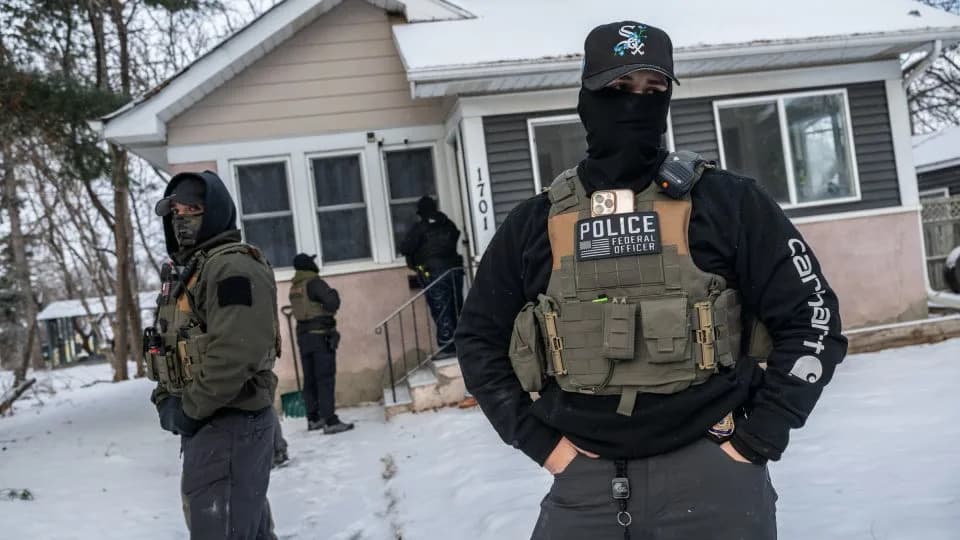
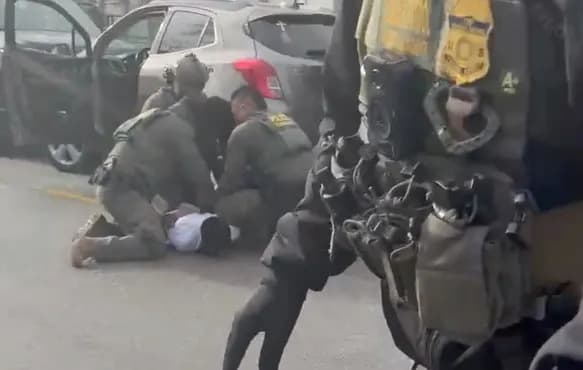
Federal law enforcement agents outside a private residence in St. Paul, Minn., on Sunday. (Victor J. Blue / Bloomberg via Getty Images)(Victor J. Blue)
An internal Immigration and Customs Enforcement (ICE) memo dated May 12 instructs officers that, in cases involving people with a final order of removal, agents may rely on administrative warrants (Form I-205) to enter residences and make arrests without a judicial search warrant. The document, signed by Acting ICE Director Todd Lyons and disclosed to Sen. Richard Blumenthal (D-Conn.) by two whistleblowers, marks a notable change in long-standing agency practice and has prompted immediate controversy.
What the Memo Says
The memo explains that when an individual has a final order of removal from an immigration judge, the Board of Immigration Appeals, or a U.S. district or magistrate judge, ICE officers may arrest and detain that person in their residence using an administrative warrant. It cites a recent determination by the Department of Homeland Security (DHS) Office of General Counsel that neither the U.S. Constitution, the Immigration and Nationality Act, nor immigration regulations prohibit using administrative warrants for residential arrests in these circumstances.
Operational Rules and Limits
Although the memo clarifies that Form I-205 is not a search warrant, it sets out operational guidance intended to limit intrusion:
- Officers must generally follow a "knock-and-announce" procedure, stating their identity and purpose when making the announcement.
- Those inside must be given a reasonable opportunity to comply before entry is made.
- As a general rule, entries should not occur before 6 a.m. or after 10 p.m.
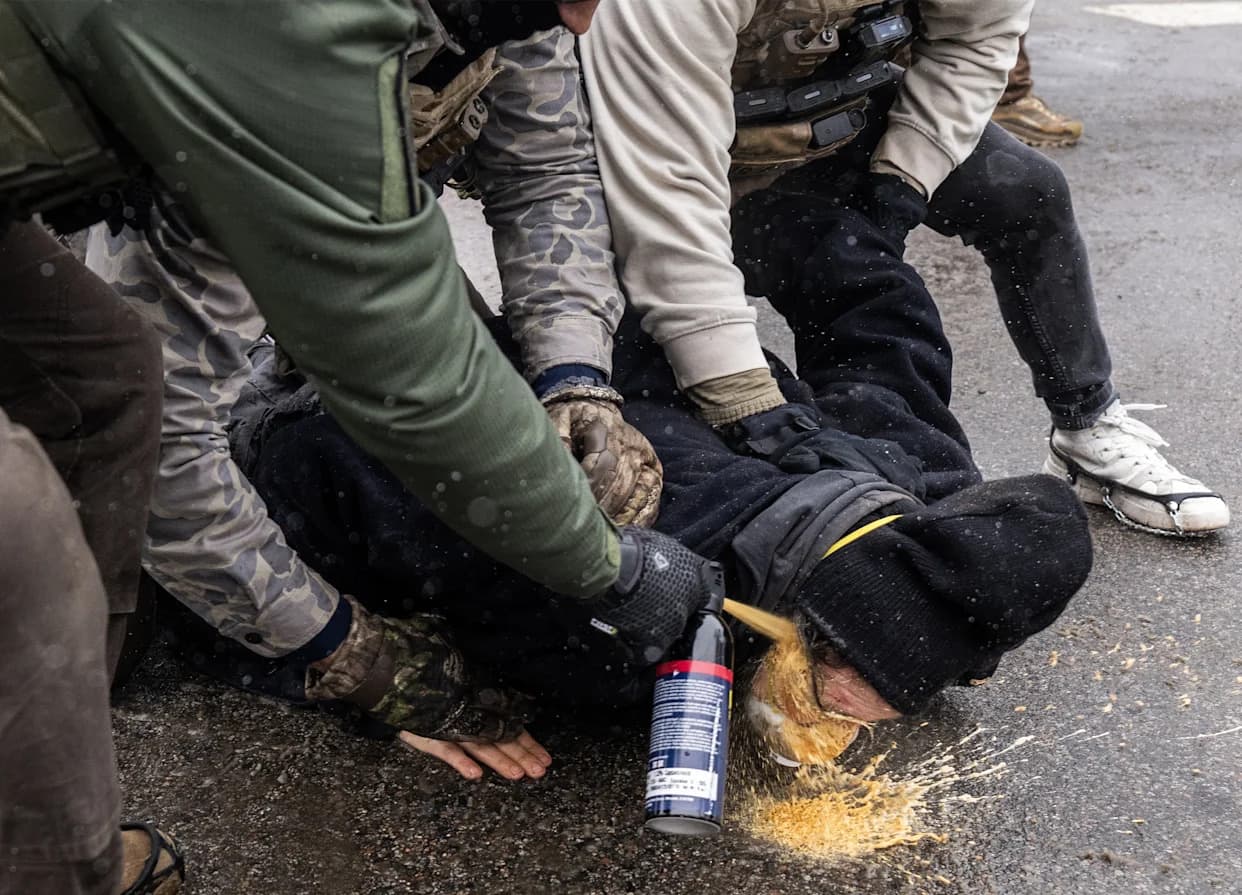
- Agents should use only the amount of force that is "necessary and reasonable" to effect entry.
Responses and Legal Concerns
DHS spokeswoman Tricia McLaughlin defended the practice, stating that immigrants served with I-205s "have had full due process and a final order of removal from an immigration judge," and that the officers issuing administrative warrants "have found probable cause." She added that the Supreme Court and Congress have long recognized administrative warrants' role in immigration enforcement.
Whistleblower Aid — which represented the employees who shared the memo — called the guidance contrary to longstanding federal training and constitutional assessments, arguing that Form I-205 does not authorize forcible residential entry and warning the policy risks violating Fourth Amendment protections.
Sen. Richard Blumenthal said the memo — labeled "All ICE Personnel" but reportedly distributed selectively — was rolled out in a secretive manner and that employees who dissent risk termination. Whistleblower Aid said supervisors showed the memo to only select staff, required some to return physical copies after reading, and briefed others verbally.
Context and Fallout
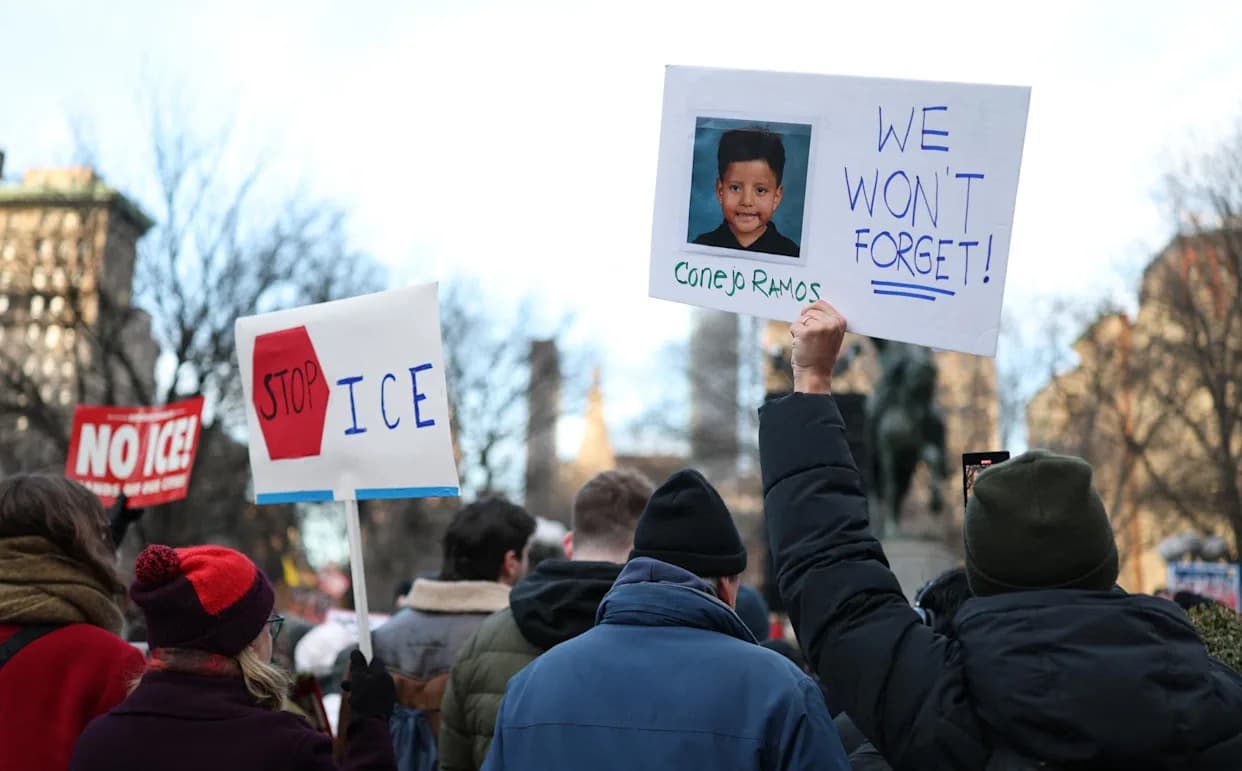
The disclosure comes early in President Donald Trump's second term and accompanies an expansion in immigration enforcement that has drawn protests in several cities governed by Democrats. The memo's release follows high-profile incidents, including public unrest after the Jan. 7 fatal shooting of U.S. citizen Renee Good by an ICE agent in Minneapolis.
Separately, data compiled by the University of California, Berkeley’s Deportation Data Project and obtained via litigation show that ICE officers arrested roughly 220,000 people between Jan. 20 and Oct. 15 of the previous year, about 75,000 of whom reportedly had no criminal records. Those figures have been cited by critics to argue that expanded enforcement can sweep up noncriminal immigrants.
Legal Debate Remains Open
Legal scholars and civil liberties groups say the Fourth Amendment question — whether administrative warrants can authorize forcible residential entry without judicial approval — remains contested. The memo asserts a legal basis in DHS counsel's view, but the policy's compatibility with constitutional protections and prior federal training guidance is likely to be litigated and debated in Congress and the courts.
Key developments to watch: congressional inquiries, potential litigation challenging the policy, and whether ICE changes operational practices in response to legal and public pressure.
Help us improve.