The Department of Homeland Security issued an internal ICE memo in May 2025 allowing officers to enter private homes using only administrative warrants, a move critics say sidesteps neutral judicial oversight and weakens Fourth Amendment protections. Experts warn the guidance bypasses traditional safeguards that require a judge’s approval before home entry. DHS defends the policy by pointing to final removal orders and due process, while lawmakers and civil liberties groups demand congressional testimony and oversight.
New ICE Memo Lets Officers Enter Homes Without Judicial Warrants — Experts Warn It Erodes Fourth Amendment Protections
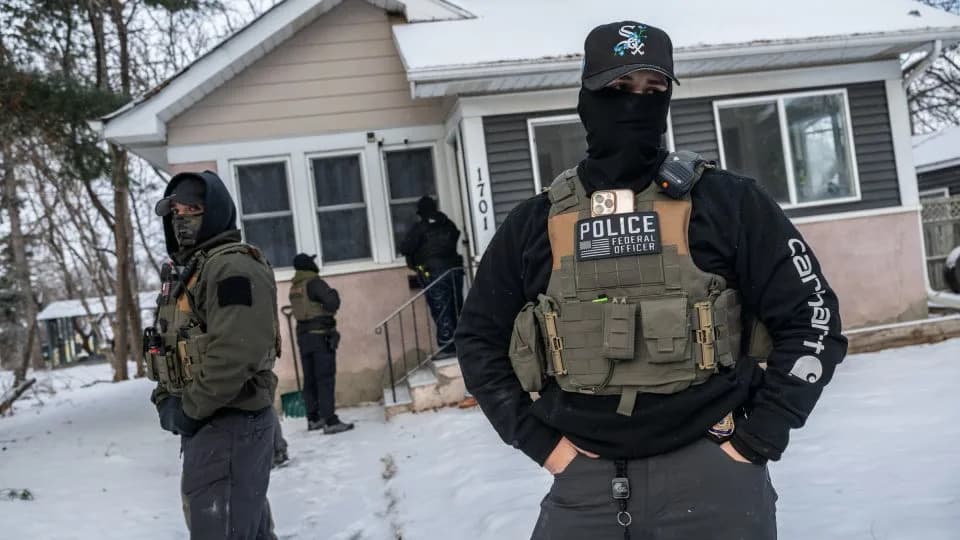
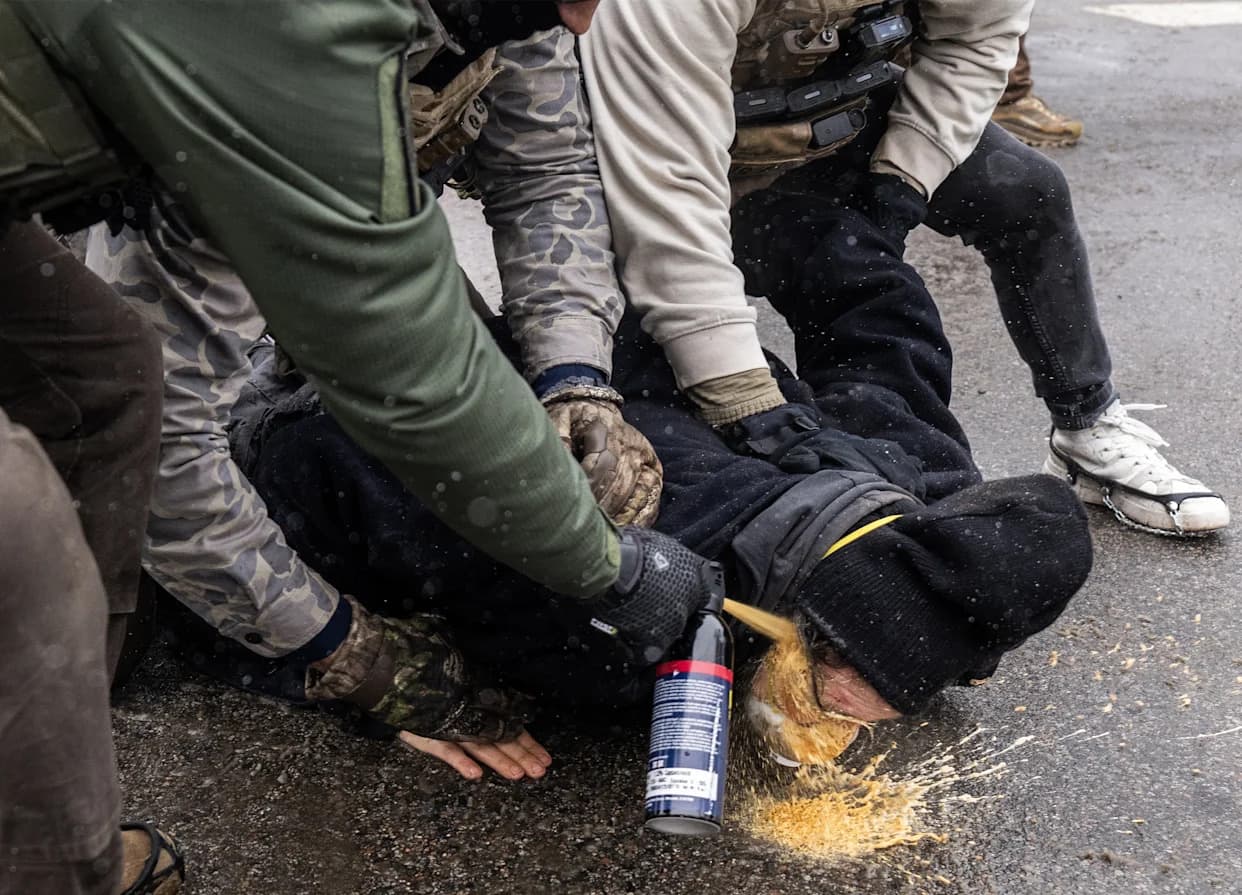
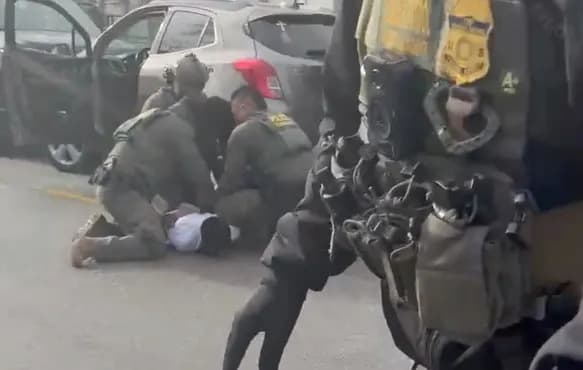
Federal law enforcement agents outside a private residence in St. Paul, Minnesota, on Sunday, January 18, 2026. - Victor J. Blue/Bloomberg/Getty Images
The Department of Homeland Security’s Immigration and Customs Enforcement (ICE) issued an internal May 2025 memo authorizing officers to enter private homes using only administrative warrants, a change constitutional scholars and immigration experts say undermines longstanding Fourth Amendment protections.
What the Memo Changes
Historically, immigration arrests on private property required a judicial warrant—approved by a neutral judge—to permit entry into residences or nonpublic areas of businesses. Administrative warrants, by contrast, have been signed by executive-branch officials and generally did not authorize forced home entry.
The newly disclosed guidance directs ICE officers to use administrative warrants to force entry into homes, effectively allowing entry without the prior judicial review that a traditional warrant would require. The memo was issued in May 2025 and was revealed through a whistleblower complaint; the Associated Press first reported the change.
Why Experts Are Alarmed
“The Bill of Rights, we thought, were the first 10 amendments. With the newly discovered memo, I guess now we’re down to nine,” said Mark Graber, a constitutional law scholar and University of Maryland professor.
Legal experts say the directive removes a key safeguard: neutral, third-party review of probable cause before officers may enter private property. Emmanuel Mauleón, an associate professor of law at the University of Minnesota, compared the change to letting an arresting officer write and sign their own search warrant.
“It’s deeply concerning, because there’s absolutely no safeguards and no accountability built into the system,” Mauleón said. Some scholars describe the memo as a major, not incremental, shift in how Fourth Amendment protections are applied to immigration enforcement.
Government Response And Context
The Department of Homeland Security defended the directive. DHS spokesperson Tricia McLaughlin said people served with administrative warrants already have “full due process and a final order of removal.” The administration’s own data show hundreds of thousands of people were issued removal orders in absentia last year after failing to appear in immigration court—statistics officials cite in support of tougher enforcement.
Unlike typical policy rollouts, the memo was not widely distributed in writing to ICE field offices. According to sources, some staff were briefed only verbally; several ICE officials said they first learned of the change after the Associated Press published its report.
Political And Civil Liberties Reaction
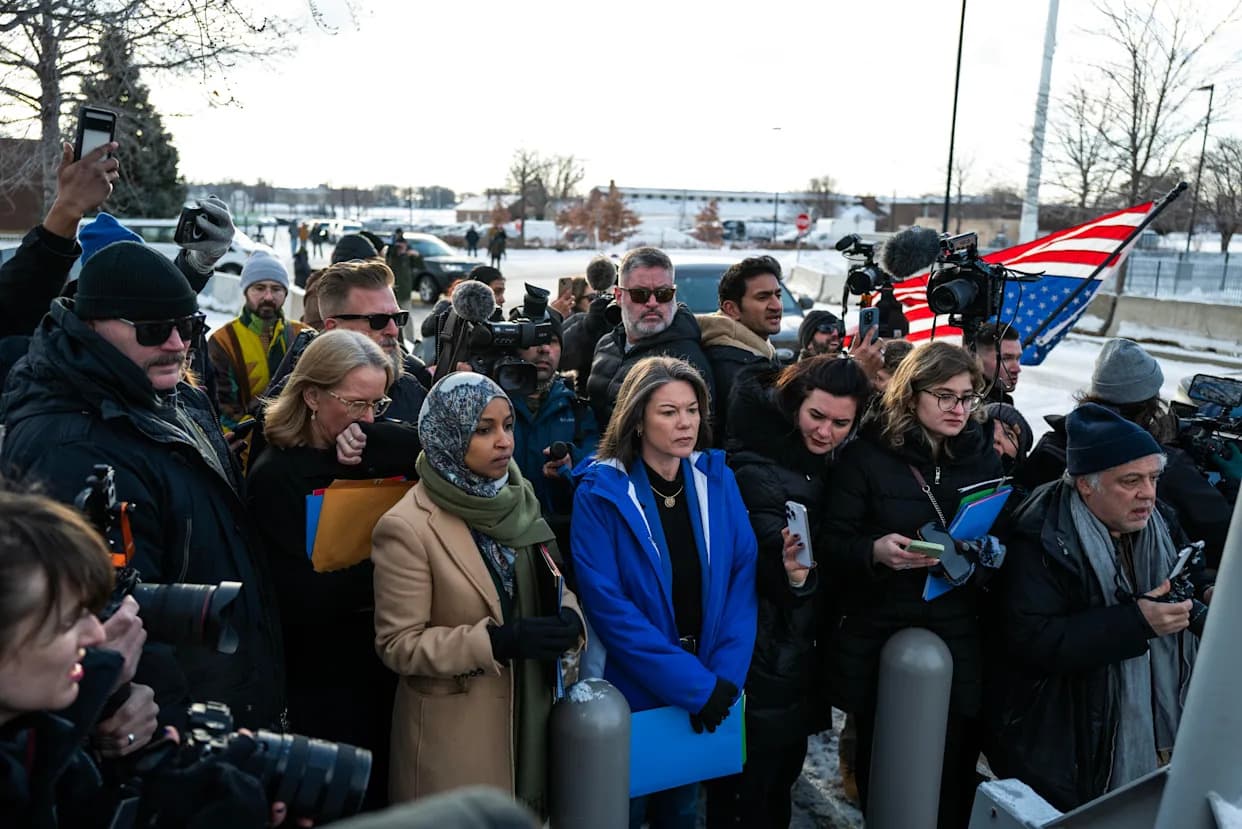
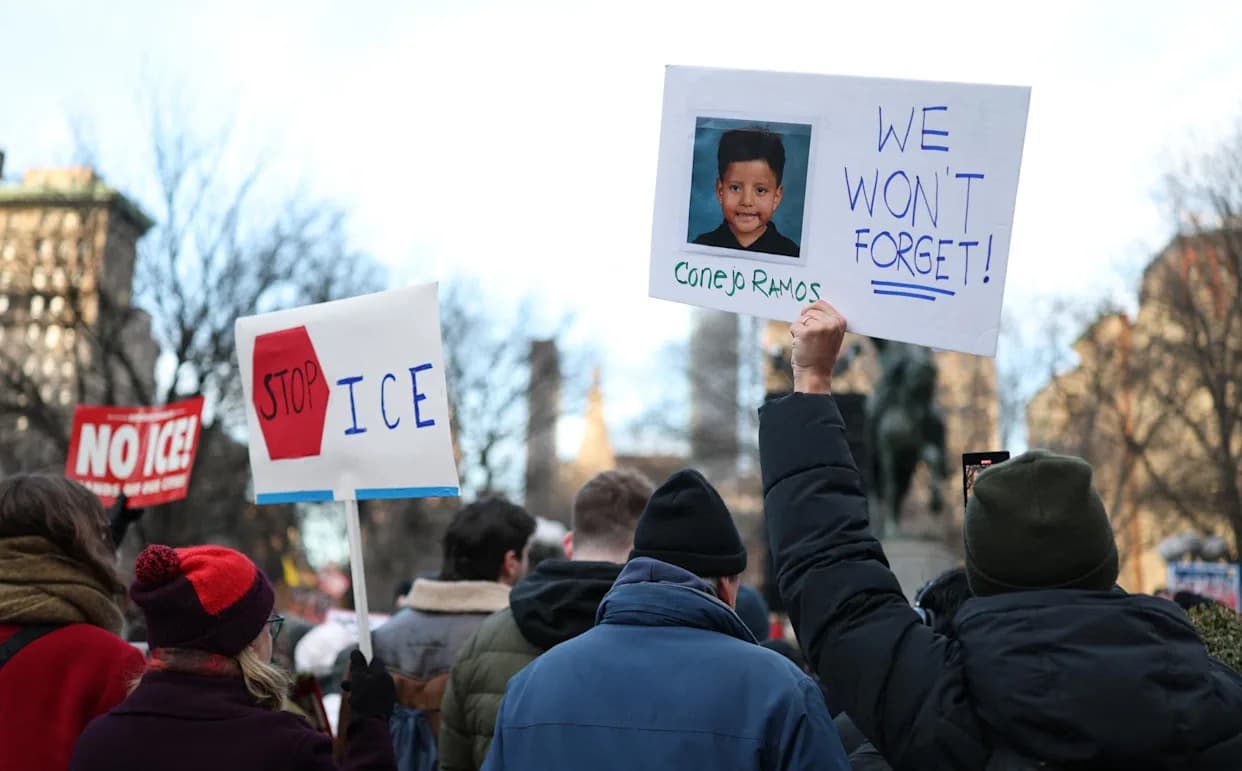
The memo prompted alarm from civil-liberties organizations and Democratic lawmakers. Sen. Richard Blumenthal (D-Conn.) called for Homeland Security Secretary Kristi Noem and acting ICE Director Todd Lyons to testify before Congress. Minnesota Gov. Tim Walz criticized the guidance on social media as an “assault on freedom and privacy.”
Civil-rights advocates say the directive follows months of aggressive enforcement tactics under the administration’s deportation priorities, and warn it could expand enforcement power without added procedural safeguards.
What’s next: Lawmakers and advocacy groups are seeking congressional oversight and public testimony to clarify the memo’s scope and legal basis. Legal challenges and further whistleblower disclosures are also possible as the policy is reviewed in public and in the courts.
Help us improve.