Several European states are reassessing their participation in the U.S.-led Civil-Military Coordination Centre (CMCC) for Gaza, citing limited progress in increasing aid deliveries and shaping political outcomes. Diplomats said personnel from some countries have not returned to the CMCC since the holidays and described its role as unclear. Israel continues to control access and restrict "dual-use" items, while the U.S. moves to a new "Board of Peace" stage without a clear timeline for reconstruction or force deployments.
European Allies Rethink Presence At U.S.-Led Gaza Coordination Centre As Aid Gains Fall Short
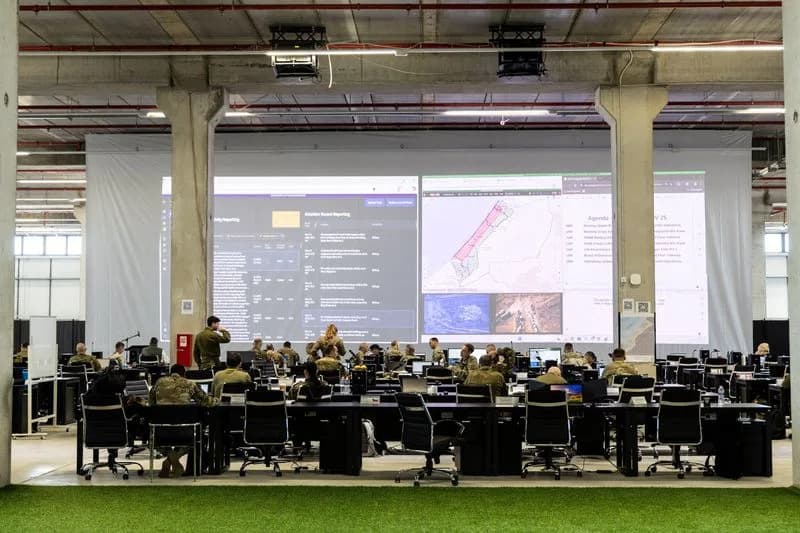
U.S. and Israeli soldiers convene at the Civil Military Coordination Centre, the U.S.-led centre overseeing the implementation of President Donald Trump's plan to end the war in Gaza, in Kiryat Gat, southern Israel November 17, 2025. REUTERS/Alexander Cornwell
TEL AVIV, Jan 20 (Reuters) - Several European governments are reconsidering whether to continue sending staff to a U.S.-led Civil-Military Coordination Centre (CMCC) for Gaza, diplomats told Reuters, arguing the centre has so far failed to significantly increase humanitarian deliveries or produce meaningful political progress.
Purpose and Origins
The CMCC was established in southern Israel in October as part of President Donald Trump's ceasefire plan. It was tasked with monitoring the Israel-Hamas truce, facilitating the entry of aid into Gaza and contributing to the design of post-war governance and reconstruction policies.
European Concerns
Dozens of countries — including Germany, France, Britain, Egypt and the United Arab Emirates — seconded military planners, intelligence officials and civilian advisers to the centre with the aim of shaping Gaza's future. But eight foreign diplomats told Reuters that personnel from some European states have not returned to the CMCC near the Gaza border since the Christmas and New Year break. Several capitals are said to be questioning the centre's purpose; one Western diplomat described it as "directionless," while another said: "Everybody thinks it's a disaster, but there is no alternative." The diplomats declined to name which governments were reassessing their presence.
Aid Flows, Access And Dual-Use Restrictions
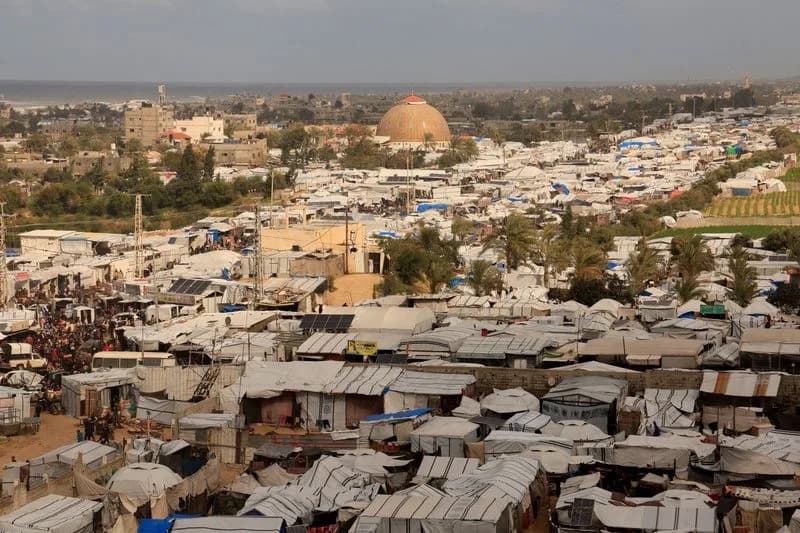
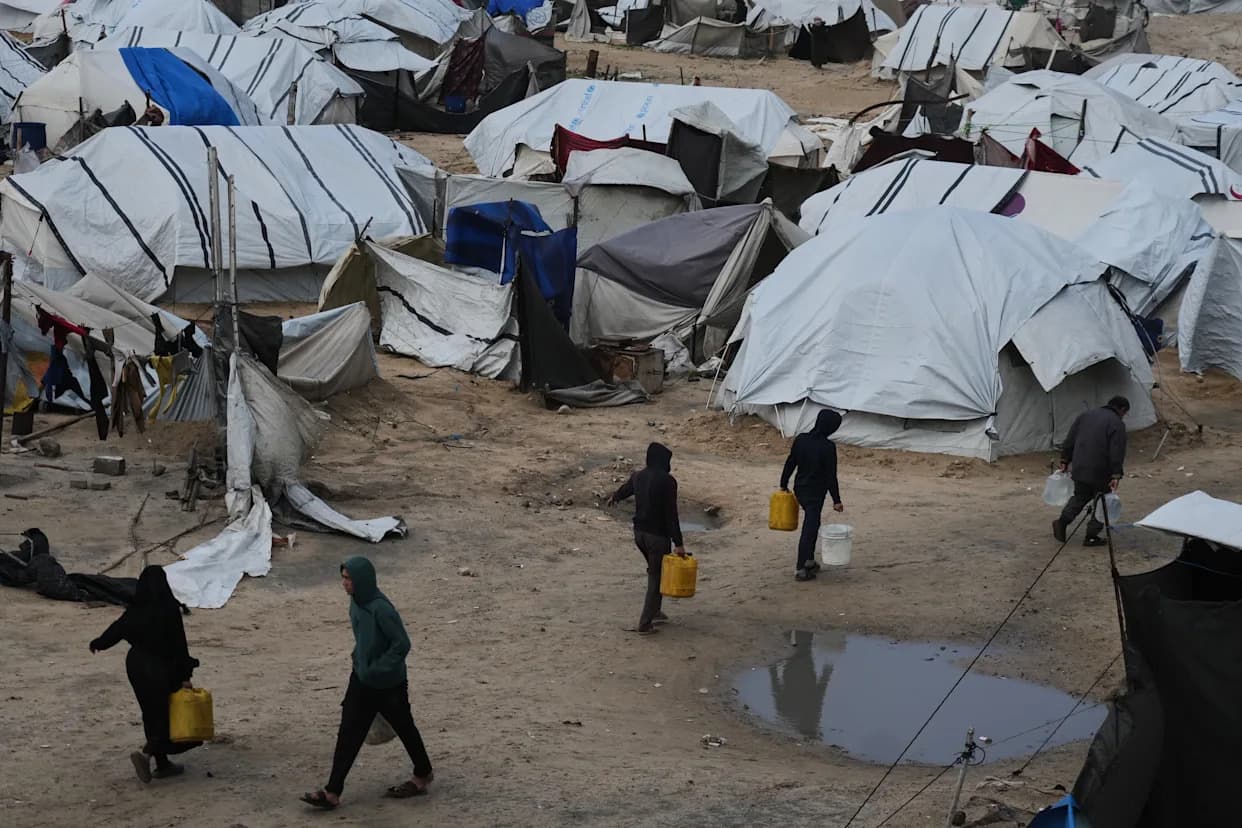
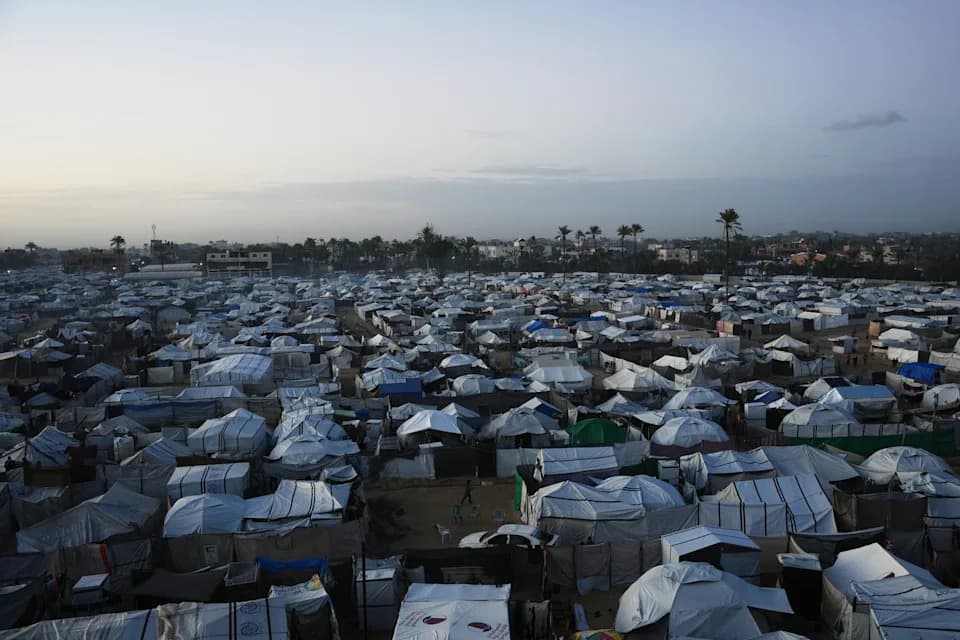
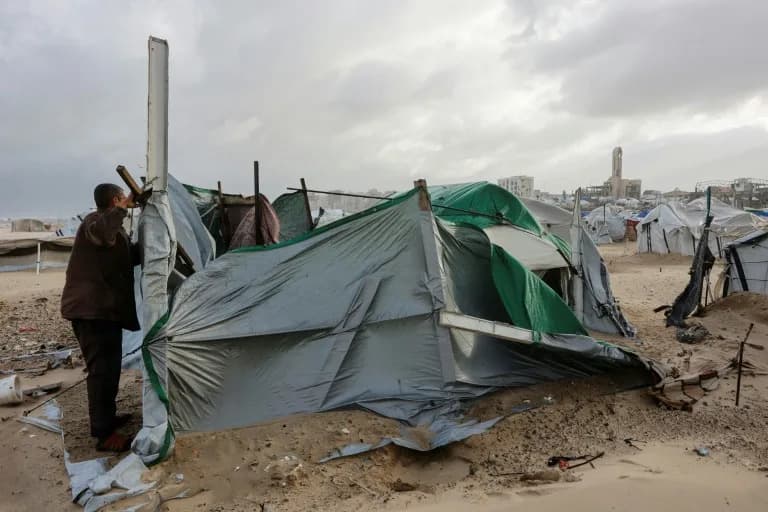
Diplomats told Reuters there has been no notable increase in humanitarian aid reaching Gaza since the truce began, contradicting White House assertions, despite widespread homelessness and malnutrition. Many trucks entering Gaza have been commercial consignments rather than humanitarian shipments, the diplomats said. Israel continues to restrict or ban items it classifies as "dual-use" — goods that could have military applications — and diplomats said no significant concessions have been made on items such as metal tent poles needed to shelter displaced people.
How Israel Explains Access
An official at COGAT, the Israeli agency coordinating civilian policy in Gaza, said 45% of trucks entering Gaza since the October ceasefire were commercial vehicles carrying food and other everyday goods. The official added that humanitarian trucks are prioritised and that commercial shipments supplement relief efforts; if more humanitarian trucks are available, they would be admitted. COGAT acknowledged restrictions on dual-use goods but said alternatives are being sourced, for example wooden tent poles.
Policy, White Papers And The Board Of Peace
CMCC personnel have drafted a series of "white papers" on reconstruction, governance and other issues, but diplomats said it is unclear whether those papers will be implemented. As the administration moves into the next phase of Trump's plan — announced last week and described as focusing on demilitarisation and reconstruction — it is uncertain how the CMCC will interact with the new "Board of Peace" and its Gaza-focused bodies, including a committee of Palestinian technocrats. Washington's second-phase announcement did not include a timeline for implementation, further Israeli troop withdrawals beyond a partial pullback, or mention the anticipated deployment of a multinational stabilisation force.
Geopolitical Implications
Diplomats said it is unlikely countries would formally quit the CMCC, partly out of reluctance to draw political backlash and partly to preserve the option of increasing their role if the centre gains relevance. Some officials fear that abandoning the CMCC could cede greater influence over post-war Gaza policy to Israel; there are currently no Palestinian representatives at the centre, and European participation is seen as a potential counterweight to ensure Palestinian interests are considered.
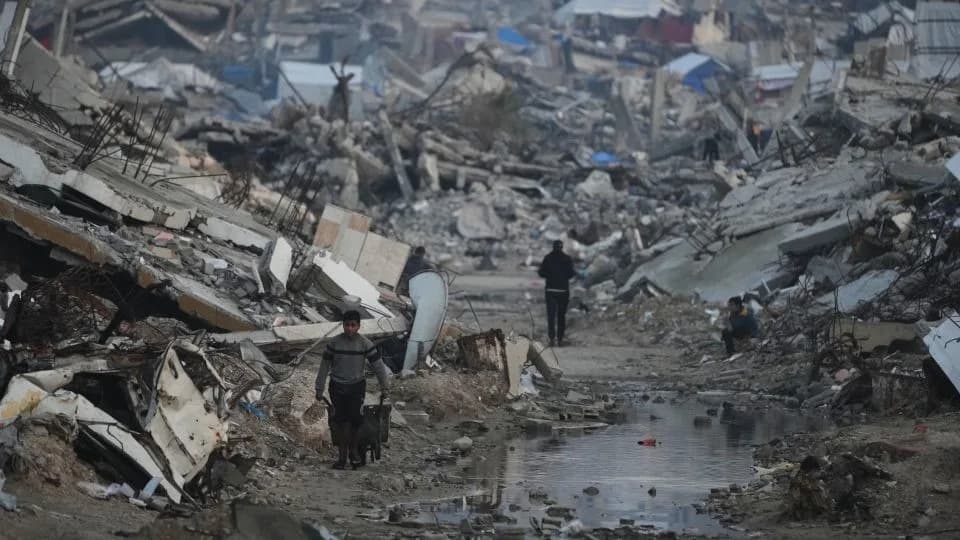
Since the ceasefire took effect in October, Reuters notes more than 460 Palestinians and three Israeli soldiers have been killed in renewed fighting. Around 53% of Gaza remains under Israeli control after a partial pullback, according to the diplomats. Reuters reported this story based on interviews with diplomats and official comments from COGAT.
Reporting: Alexander Cornwell; Editing: Rami Ayyub and Mark Heinrich
Help us improve.