Gaza residents have greeted Washington's proposal for a 'second phase'—a technocratic Palestinian administration overseen by an international 'Board of Peace'—with guarded optimism and deep scepticism. While the plan names Ali Shaath to head the local technocratic committee and places international oversight around figures such as Nickolay Mladenov, Gazans and rights groups warn that excluding meaningful local participation and justice risks making reconstruction a mechanism of control. Analysts say demilitarisation demands and internal Palestinian divisions could stall progress, and many residents stress that peace must mean immediate safety, basic services and an end to displacement.
Scepticism And Fragile Hope In Gaza Over US 'Board Of Peace' Plan
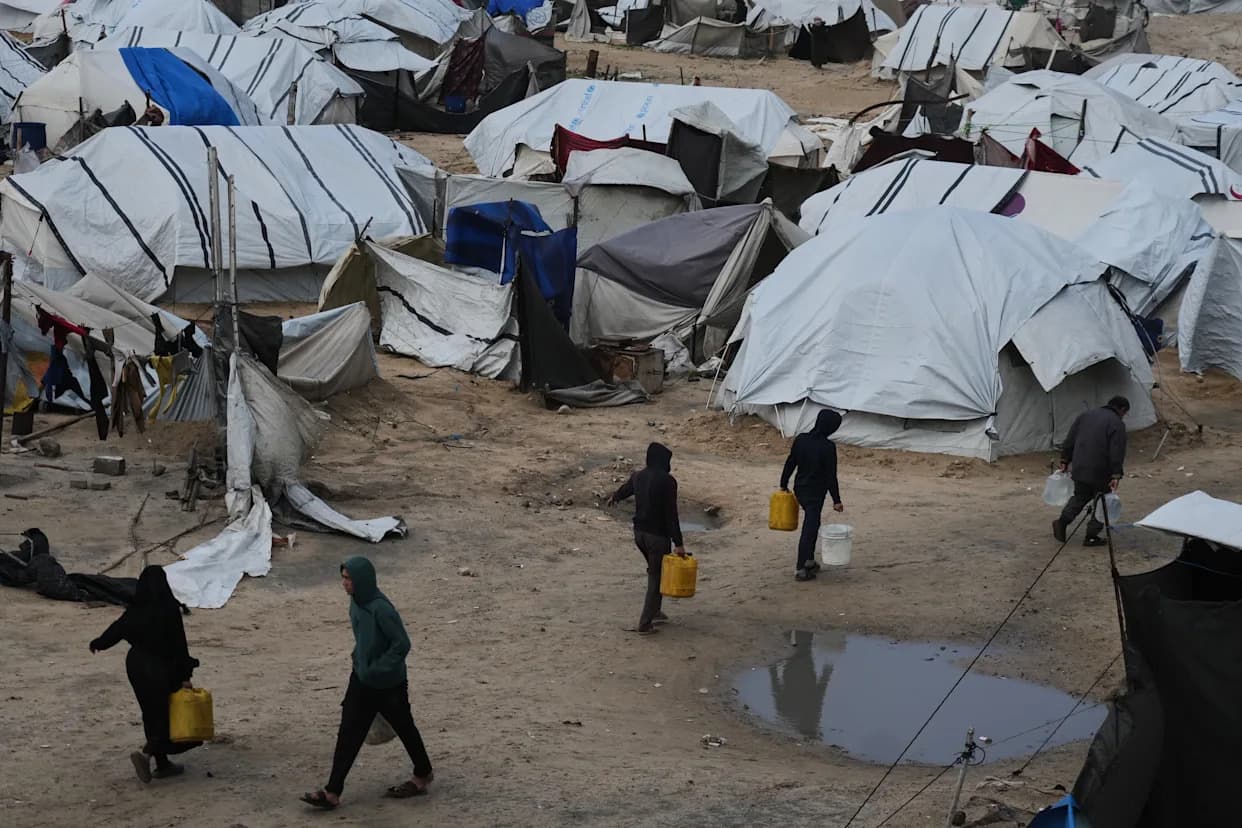
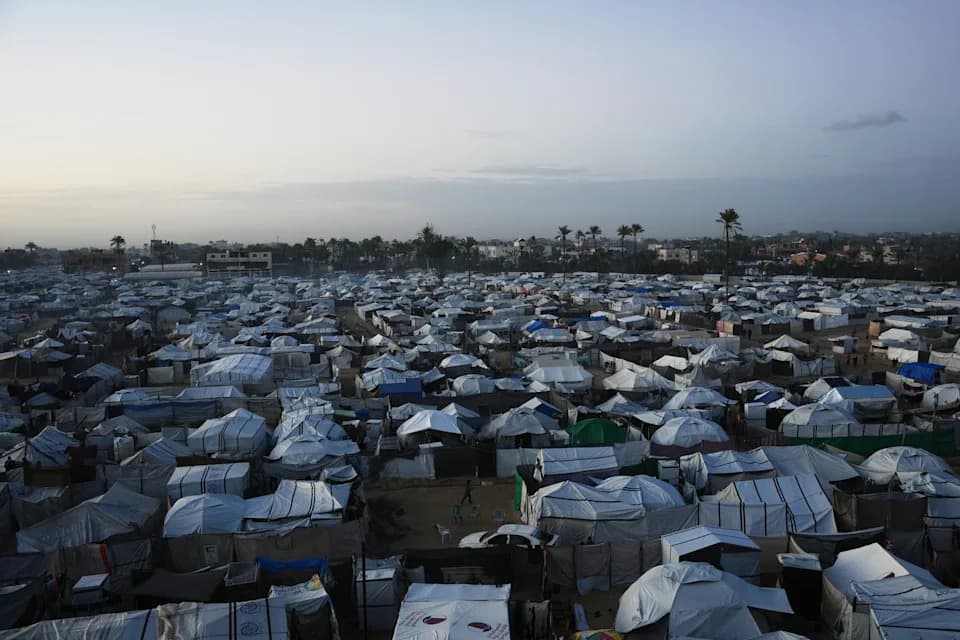
Palestinians carry plastic jerrycans filled with water amid stormy weather at a displacement camp in Gaza City, Tuesday, January 13, 2026 [Jehad Alshrafi/AP Photo]
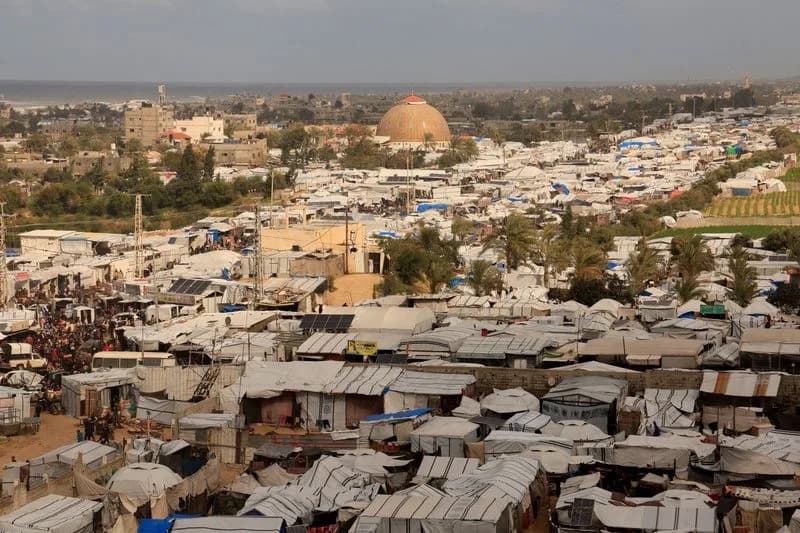
Gaza City — Peace feels remote in Gaza: both as a state of safety and as the return of everyday normalcy. Although a ceasefire was reported to have begun on October 10, strikes have continued intermittently and daily life remains dominated by siege, repeated displacement and a sense that conditions will not improve soon.
Reports say more than 442 Palestinians were killed in the three months after the ceasefire began; rights groups and some officials cite much higher overall tolls since the wider conflict began, underscoring the scale of the humanitarian crisis.
What The US Calls The 'Second Phase'
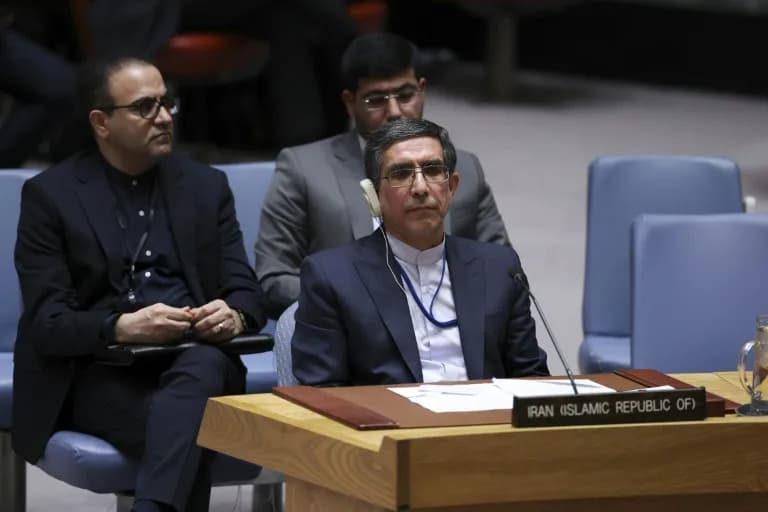
The United States announced a so‑called 'second phase' of the ceasefire, described by its envoy as a move from ceasefire toward demilitarization, technocratic governance and reconstruction. The plan envisions a Palestinian technocratic administration to manage day‑to‑day affairs, overseen by an international "Board of Peace." The proposal names Ali Shaath to lead the Palestinian technocratic committee while Bulgaria's former foreign and defence minister Nickolay Mladenov is positioned as a key international supervisor.
Local Reaction: Cautious Hope And Deep Scepticism
For many Gazans, the plan reads better on paper than it does on the ground. Residents and local commentators welcome any genuine relief, but they question whether externally imposed structures can lift the siege, end displacement, or halt continued strikes.
'A lot of political decisions are distant from the reality faced in Gaza... our daily life is filled with blockades, fear, loss, tents, and a terrible humanitarian situation,' said Arwa Ashour, a freelance journalist in Gaza City. 'If the Board of Peace is going to resolve all these crises, then we welcome it. But if it is unable to do so, then what is its benefit?'
Human rights organisations warn that excluding Gazans from meaningful participation risks transforming reconstruction into a tool of control rather than recovery. Maha Hussaini of Euro‑Med Human Rights Monitor emphasised that any durable peace must include justice, accountability and restoration of rights for victims.
Analysts also highlight political and practical obstacles: internal Palestinian divisions between the Palestinian Authority and Hamas, and the contentious demand for Hamas demilitarisation, which the US and Israel insist on but which Hamas says is an internal matter. Observers warn reconstruction, border reopening and aid may be tied to security conditions acceptable to Israel, slowing the recovery that civilians urgently need.
What Peace Means For Ordinary People
For people on the ground, peace is not an abstract diplomatic outcome but physical safety, stable services and the ability to rebuild daily life. Sami Balousha, a 30‑year‑old programmer, described peace as being able to sleep without fear of bombing, return to work and stop being displaced. 'Tomorrow is far away, and I have no control over it,' he said, describing 17 displacements with his family and the psychological toll of continuous upheaval.
There is, as observers put it, more fear than hope. Hope exists but remains fragile: Gazans say past 'turning points' rarely translated into lasting protection or accountability. Without meaningful local input, justice and transparent implementation, many fear that interim arrangements will normalise a precarious, controlled existence rather than restore dignity and self‑determination.
As plans for oversight and technocratic governance move forward, the central questions remain: Who decides Gaza's future, who holds actors to account, and how soon will ordinary people see safety, services and the end of displacement?
Help us improve.