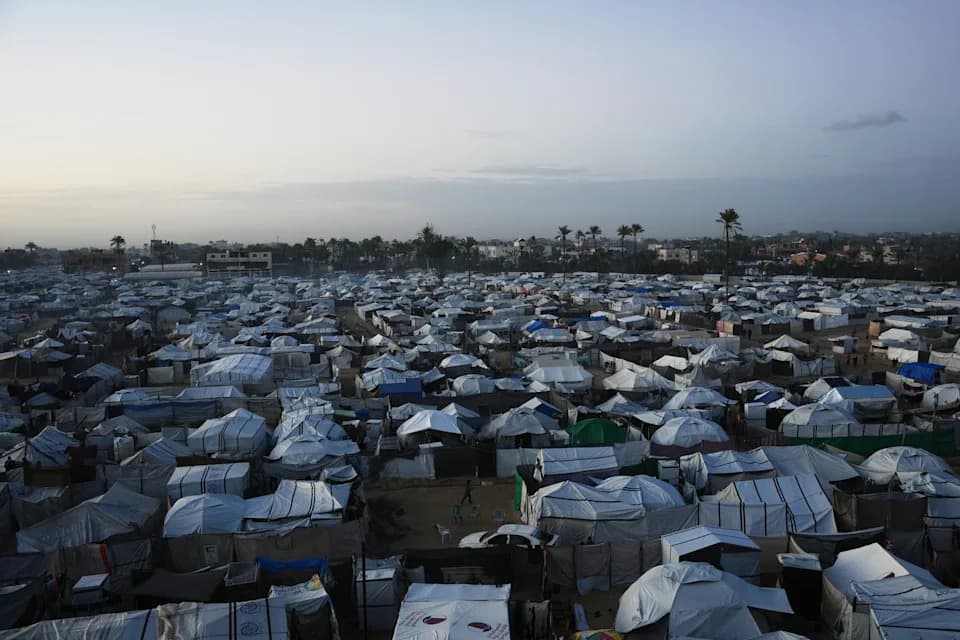
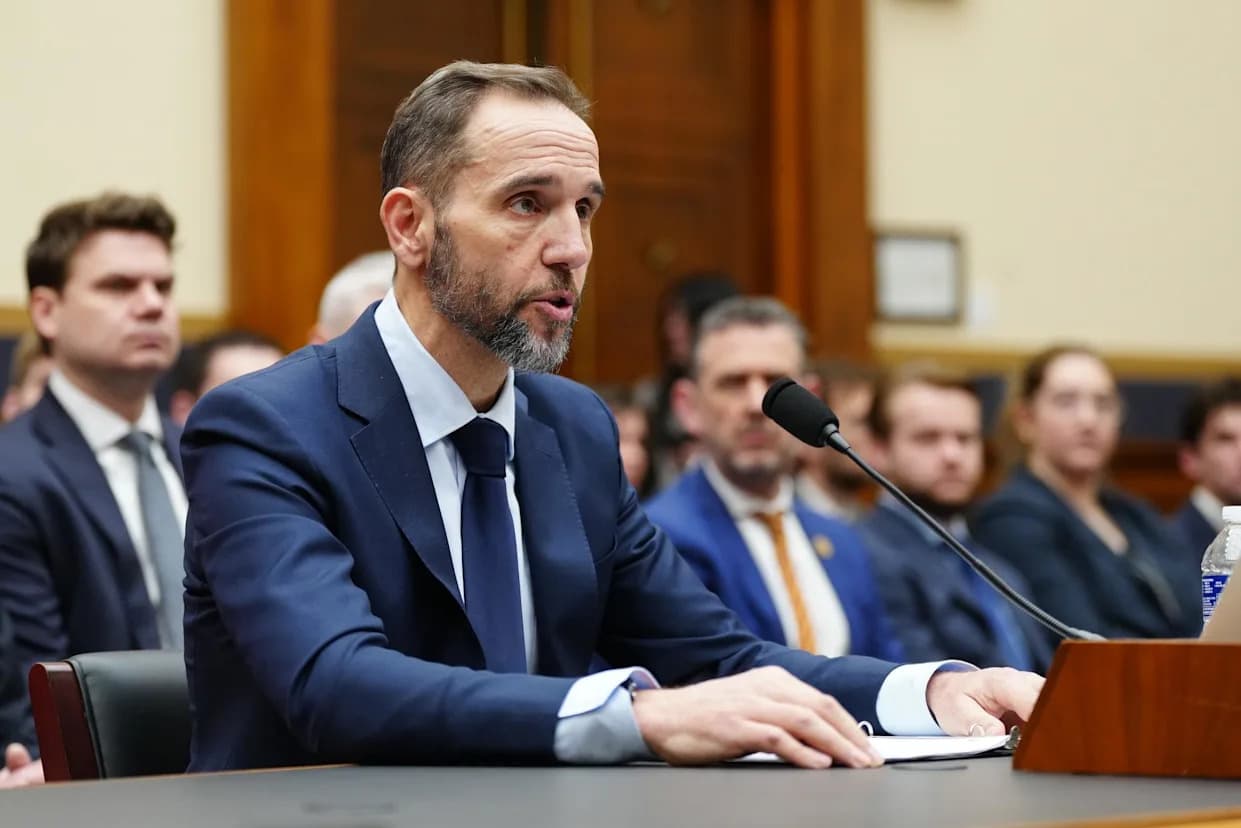
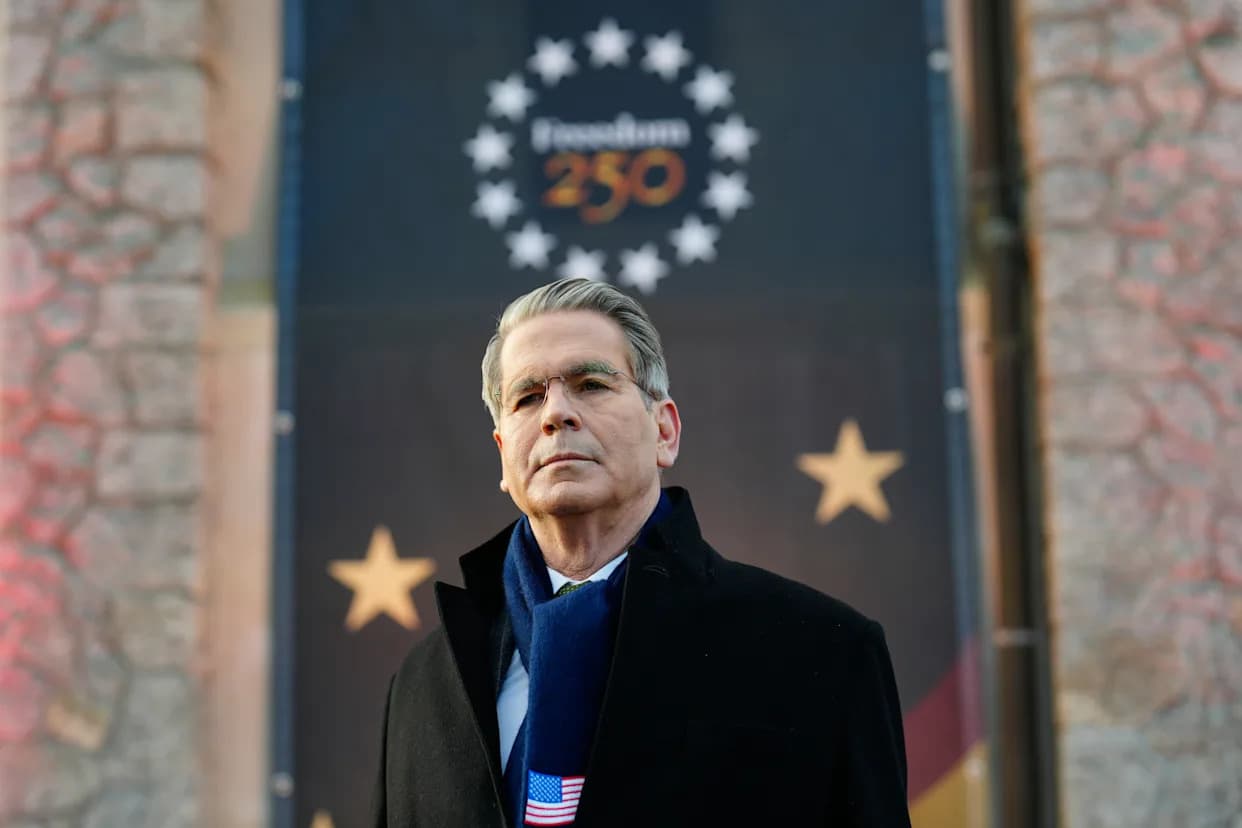
Jared Kushner unveiled a $25 billion Gaza reconstruction masterplan at the World Economic Forum in Davos, proposing skyscrapers, a coastal tourism zone, a new port and airport, and two new cities called New Gaza and New Rafah. New Rafah would include more than 100,000 housing units and over 200 schools and healthcare centers, and some work could be completed within three years. Kushner said rebuilding hinges on Hamas demilitarization and will be overseen by a Board of Peace committee that includes Palestinians. The proposal drew criticism from some Palestinian observers and faces significant political and security hurdles.
Kushner Unveils $25B Gaza Masterplan at Davos: Skyscrapers, New Cities and Conditional Rebuild
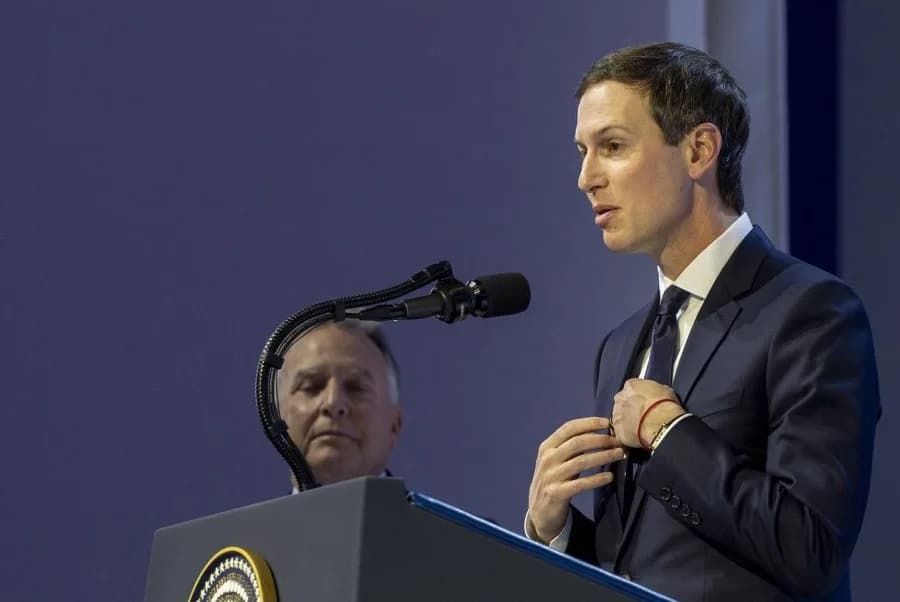
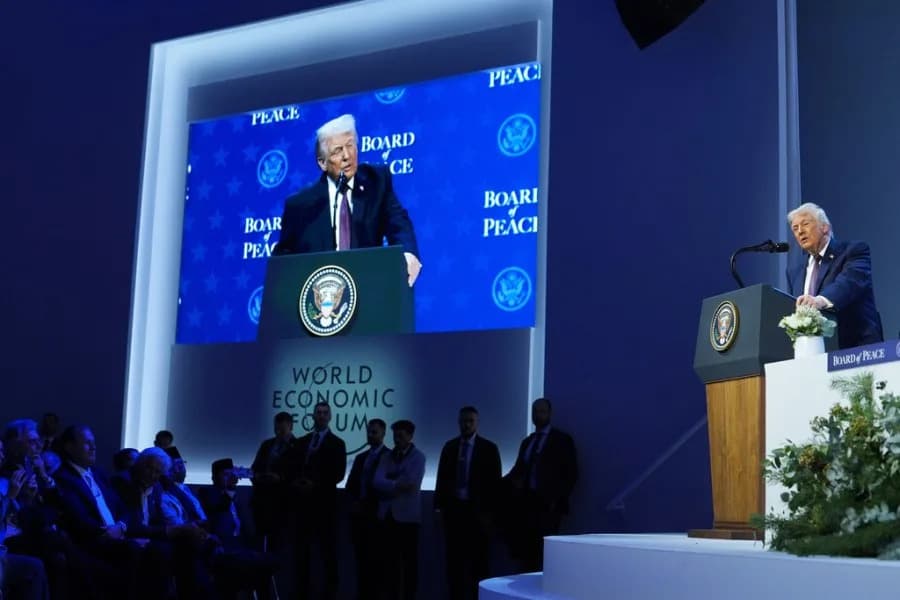
Special envoy Jared Kushner presents a $25 billion masterplan to rebuild Gaza while attending the World Economic Forum in Davos, Switzerland, on Thursday. Photo by Benedikt von Loebel/World Economic Forum
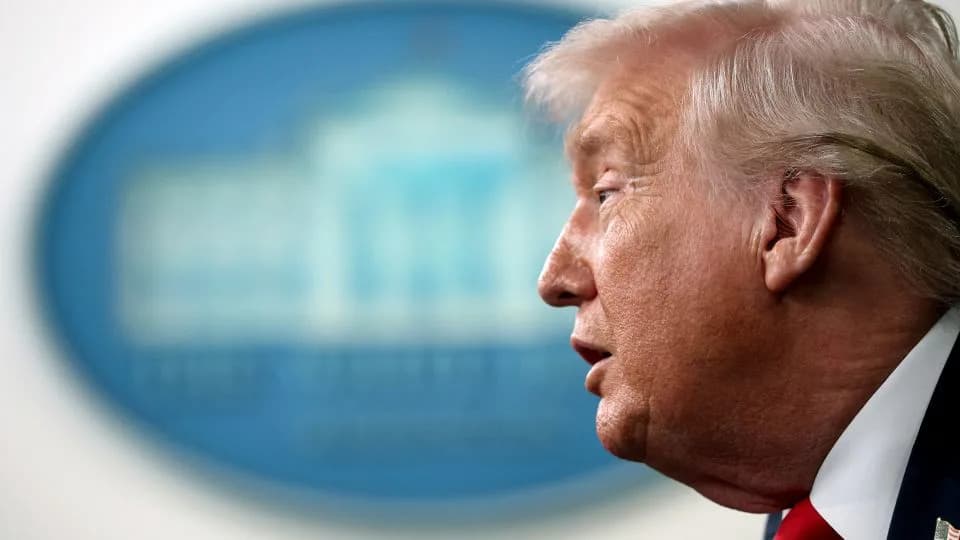
Jared Kushner, U.S. special envoy and son-in-law of former President Donald Trump, presented a detailed $25 billion masterplan to rebuild Gaza while speaking at the World Economic Forum in Davos, Switzerland.
Overview: Kushner described a comprehensive reconstruction program that includes coastal high-rise development, two new urban centers, expanded housing, schools, medical facilities, a new port and a replacement airport. He said the blueprint aims to transform Gaza into a regional economic hub by 2035, according to The Jerusalem Post.
Major Components
Coastal Tourism Zone: A proposed beachfront development envisioned to accommodate up to 180 skyscrapers, many intended as hotels and mixed-use towers.
Transportation Infrastructure: Plans call for a new port that officials expect would be among the earliest projects completed to enable further rebuilding, and a new airport to replace the one destroyed more than two decades ago.
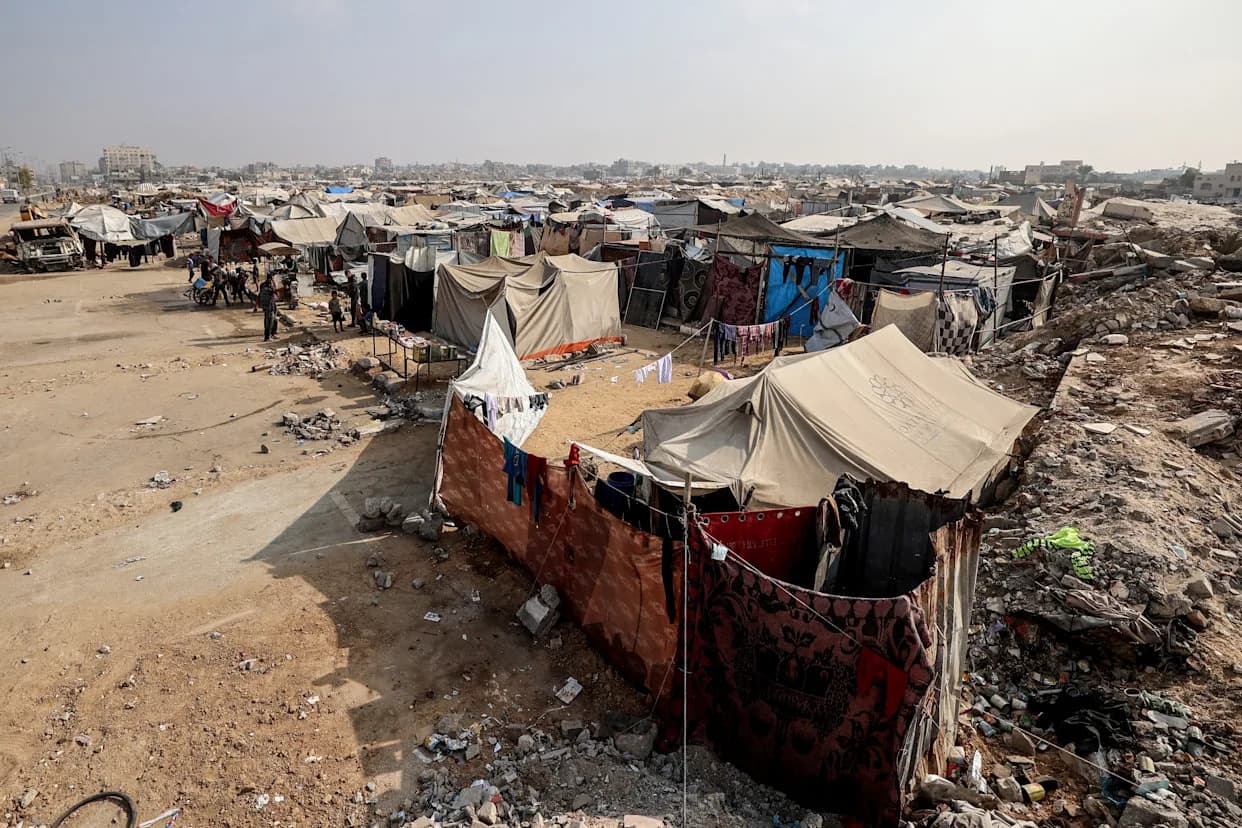
New Cities: The masterplan includes two large urban developments — New Gaza and New Rafah. New Rafah is projected to contain more than 100,000 housing units and over 200 schools and healthcare facilities. Kushner said work to clear debris has already begun and that parts of New Rafah could be completed within three years.
Economic Vision: New Gaza is described as an industrial and employment center modeled on developments in cities such as Dubai and Doha, intended to provide jobs for able-bodied Gazans and stimulate regional commerce.
Conditions, Oversight and Funding
Kushner emphasized the reconstruction would proceed only if Hamas demilitarizes under the terms of a peace agreement. "If Hamas does not demilitarize, that will be what holds back the people of Gaza from achieving their aspirations," he told attendees, as reported by CNN.
He said a newly formed Board of Peace, created under the initiative he presented, will appoint a special committee including Palestinians to supervise demilitarization and the early stages of reconstruction. The plan also envisions withdrawal of the Israeli Defense Forces to a predetermined security perimeter, which the proposal says is intended to help secure a lasting peace.
Funding, Kushner said, would come from a combination of governments providing seed financing and private investors attracted to what he called an "amazing investment" opportunity, though he acknowledged the risks.
Criticism: Palestinian officials largely remained silent, while at least one outside critic warned the proposal could threaten Palestinian presence. Ramy Abdu, founder of the Euro-Mediterranean Human Rights Monitor, said Palestinians face a plan that risks "domestication, subjugation and control."
Outlook: The plan sets an ambitious timetable and high-level vision for Gaza’s recovery, but its implementation depends on complex political, security and financial conditions. International backing, Palestinian buy-in and demonstrable security gains would be necessary for major projects to move forward.
Help us improve.