Netanyahu dismissed the U.S.-announced move to phase two of the Gaza ceasefire as largely symbolic, questioning how its toughest elements will be carried out. The plan proposes an apolitical Palestinian governing committee and an international "Board of Peace," but critical details on disarming Hamas, deploying international forces and reopening the Rafah crossing remain unresolved. Gaza residents report continued violence and severe humanitarian shortages; the Gaza Health Ministry reports more than 450 deaths since the October halt and 71,441 killed since the offensive began. The U.N. estimates reconstruction will exceed $50 billion and take years.
Netanyahu Calls U.S.-Backed Move To Phase Two Of Gaza Ceasefire 'Declarative,' Questions Persist
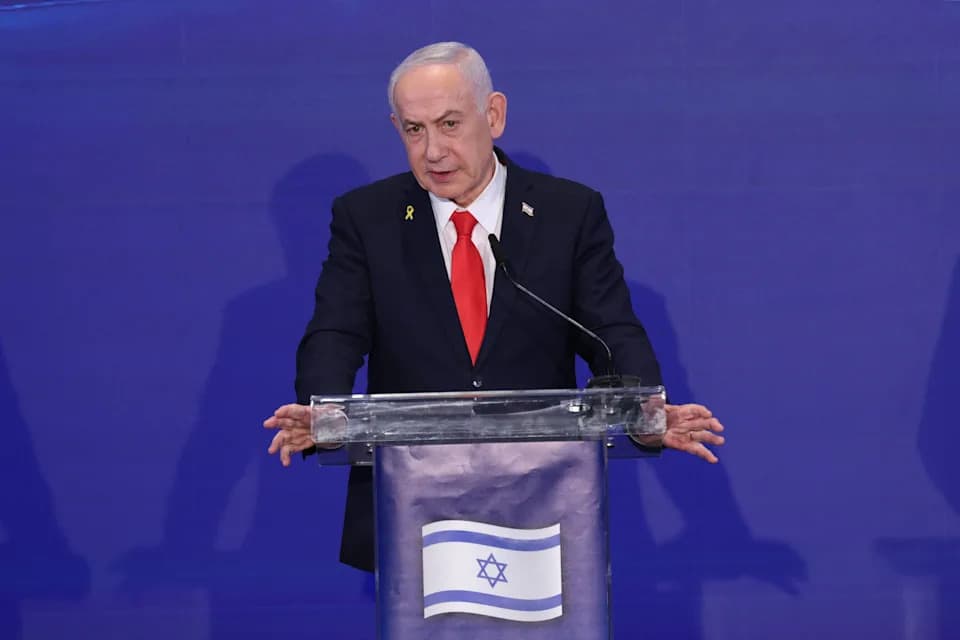
Israeli Prime Minister Benjamin Netanyahu speaks during a joint press conference after a trilateral meeting with Cyprus President Nikos Christodoulides and Greek Prime Minister Kyriakos Mitsotakis at the Citadel of David Hotel in Jerusalem, Monday Dec. 22, 2025. (Abir Sultan/Pool Photo via AP)(ASSOCIATED PRESS)
DEIR AL-BALAH, Gaza Strip — Israeli Prime Minister Benjamin Netanyahu downplayed the U.S. announcement that the fragile Gaza ceasefire would move into a second phase, calling the step largely symbolic and raising doubts about how its more difficult elements will be implemented.
Key Developments
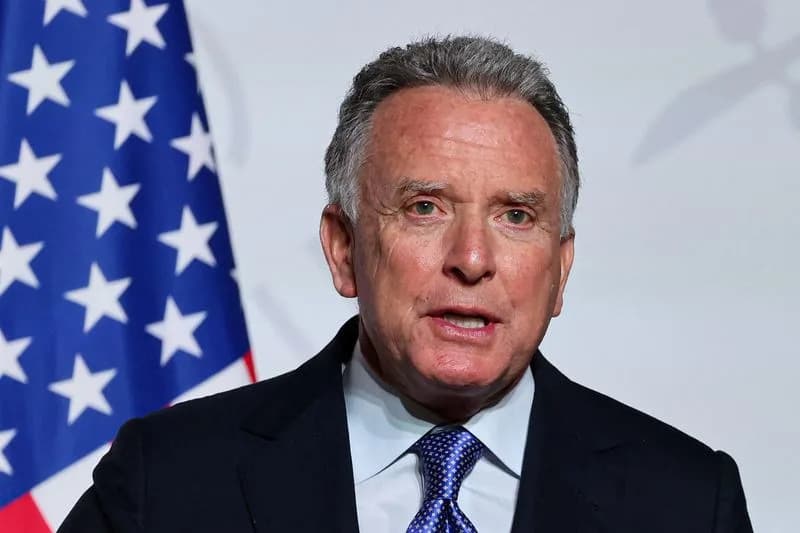
Speaking late Wednesday with the parents of Ran Gvili, the Israeli police officer whose remains are still believed to be in Gaza, Netanyahu described the Palestinian governing committee named as part of the second phase as a "declarative move," rather than the substantive progress hailed by U.S. envoy Steve Witkoff. Netanyahu told Gvili’s parents that recovering their son remains a top priority for his government.
What the Second Phase Announces
Authorities say the second phase envisions an apolitical Palestinian governing committee of experts and an international "Board of Peace" to help oversee reconstruction and governance. An Israeli official, speaking on condition of anonymity, said the committee’s membership was coordinated with Israel. Ali Shaath, a Gaza native and former Palestinian Authority official slated to head the committee, told West Bank-based Radio Basma he expects reconstruction and recovery to take roughly three years, beginning with urgent shelter and basic needs.
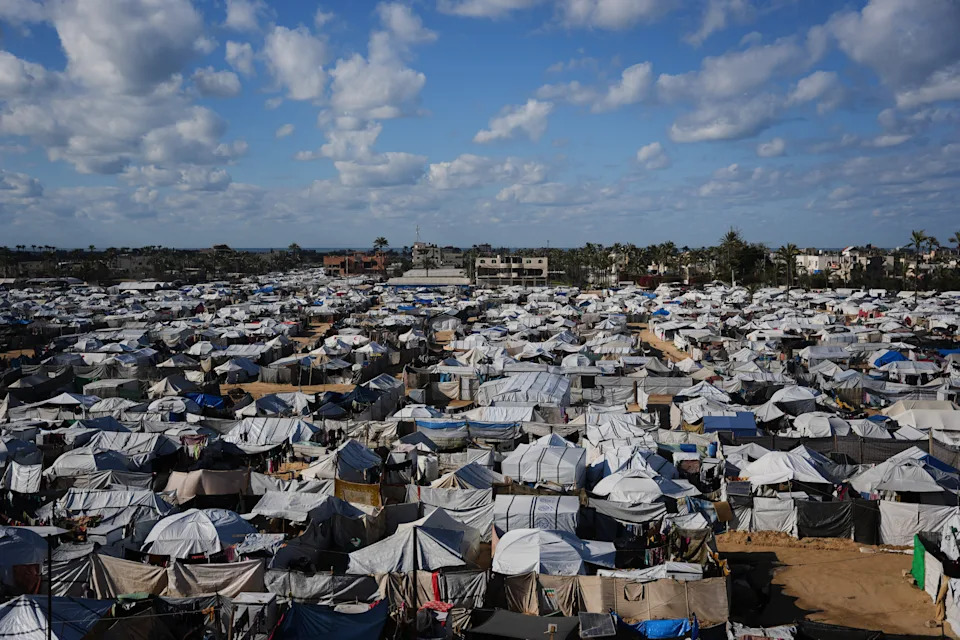
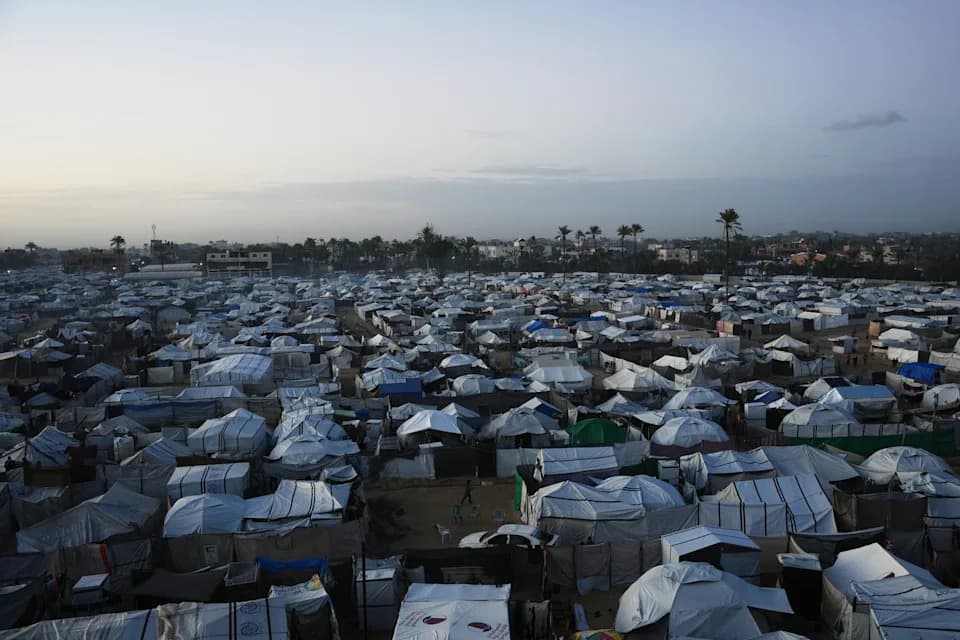
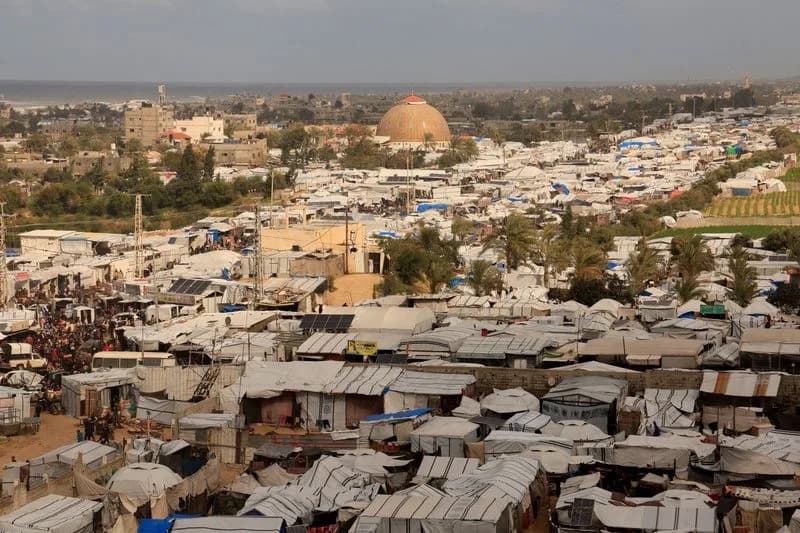
A tent camp for displaced Palestinians stretches across Deir al-Balah, in the central Gaza Strip, Thursday, Jan. 15, 2026. (AP Photo/Abdel Kareem Hana)(ASSOCIATED PRESS)
What Remains Unclear
Key operational details were not spelled out: the timing and mandate for deployment of any international forces; how and when Gaza’s southern Rafah border crossing would reopen for people and aid; the exact steps to disarm Hamas; and how the territory’s civil administration will transition after nearly two decades of Hamas rule.
"If I bring bulldozers, and push the rubble into the sea, and make new islands (in the sea), new land, it is a win for Gaza and (we) get rid of the rubble," Ali Shaath said, describing one blunt approach to clearing debris.
Humanitarian Toll and Reconstruction Needs
Palestinians in Gaza and aid groups have expressed skepticism that phase two will deliver immediate relief. Gaza’s Health Ministry said more than 450 people have been killed since the October halt in fighting; UNICEF says more than 100 of those were children. The ministry has reported 71,441 Palestinians killed since the start of Israel’s offensive — a figure the U.N. and independent experts regard as the most reliable available; Israel disputes those totals and has not published alternative figures.
The United Nations estimates reconstruction costs will exceed $50 billion and warns rebuilding will take years while only limited pledges of funding have been made so far. Gaza’s population of more than 2 million faces cold weather, storms and shortages of humanitarian aid and adequate temporary housing as the region enters its third winter since the conflict began on Oct. 7, 2023.
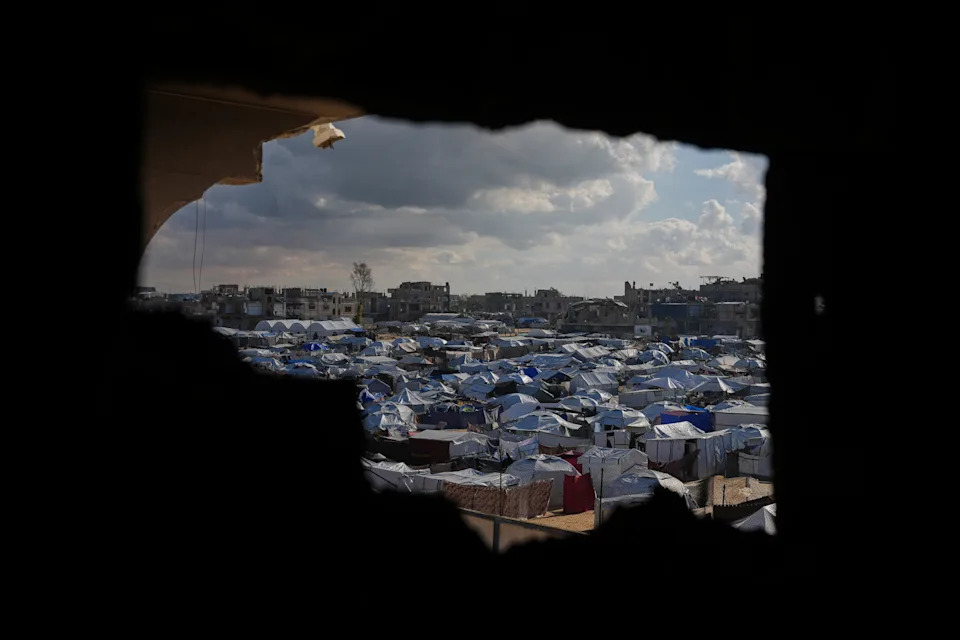
A tent camp for displaced Palestinians stretches across Deir al-Balah, in the central Gaza Strip, Thursday, Jan. 15, 2026. (AP Photo/Abdel Kareem Hana)(ASSOCIATED PRESS)
Local Reactions
Many Gazans told The Associated Press they remain wary. "We see on the ground that the war has not stopped, the bloodshed has not stopped, and our suffering in the tents has not ended," said Samed Abu Rawagh, displaced from Jabaliya. Hamza Abu Shahab of eastern Khan Younis said people want concrete improvements — easier access to food, fuel and medical care — not assurances.
Hamas has said it will dissolve its existing government to make way for the committee announced in phase two, but it has not clarified the fate of its military wing or many Hamas-affiliated civil servants and police. Bassem Naim, a member of Hamas’ political bureau, called the committee announcement a step toward an independent Palestinian state and urged international mediators to enable it to operate. Israel, meanwhile, insists Hamas must lay down its weapons; Hamas leaders have rejected demands to surrender, saying Palestinians have "the right to resist."
What Comes Next
The transition to phase two sets out politically sensitive tasks — disarmament, restoring governance, reopening crossings and large-scale reconstruction — that will require detailed agreements, international coordination and significant funding. For many residents, the measures on paper must translate into immediate access to food, shelter, medicine and safety.
Reporting for this article was contributed from Jerusalem.
Help us improve.