Announcements of a “phase two” ceasefire and a White House-backed “Board of Peace” led by Dr Ali Shaath have raised expectations for Gaza’s reconstruction. On the ground, many Palestinians remain deeply sceptical as ruins, grieving families and insecurity persist. Residents say peace will be judged not by labels but by tangible improvements — fewer funerals, functioning hospitals and safe nights.
‘Phase Two’ Announced — But Gaza Residents Say Hope Remains Out Of Reach
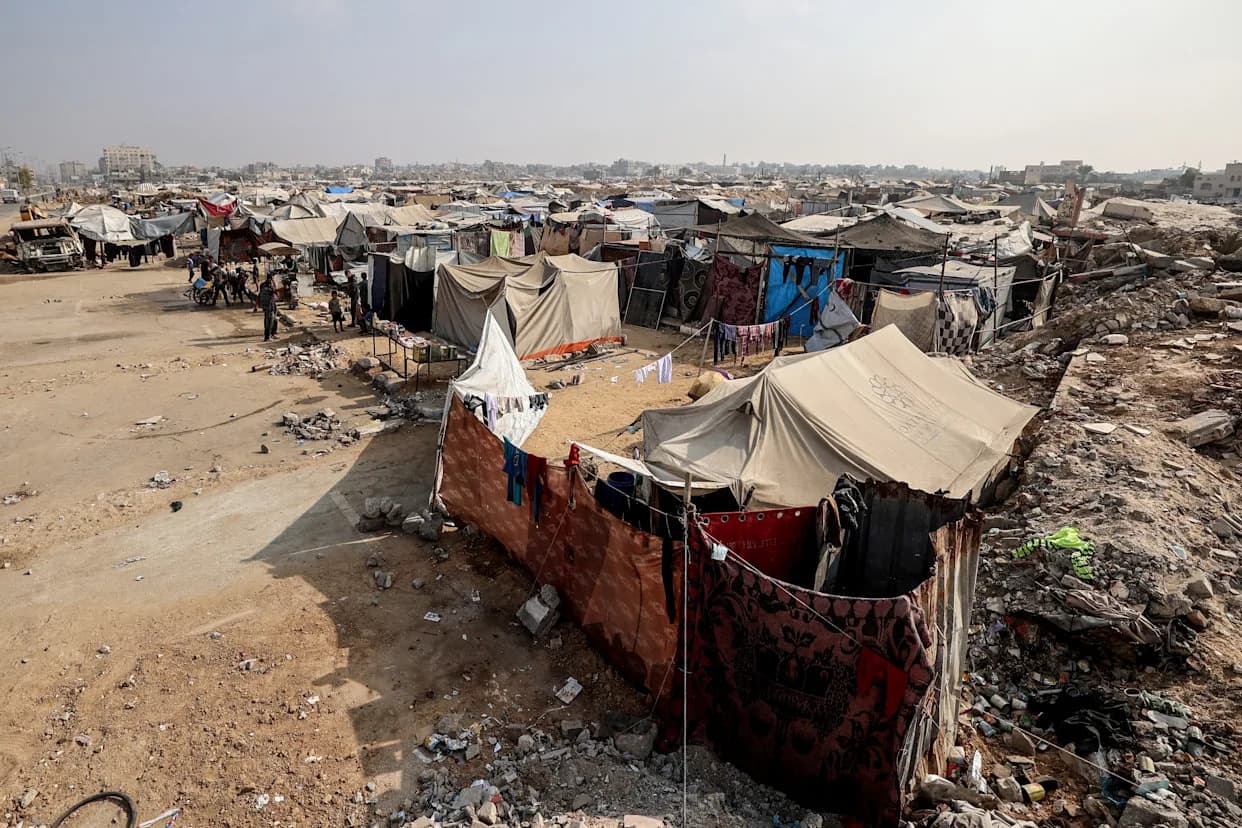
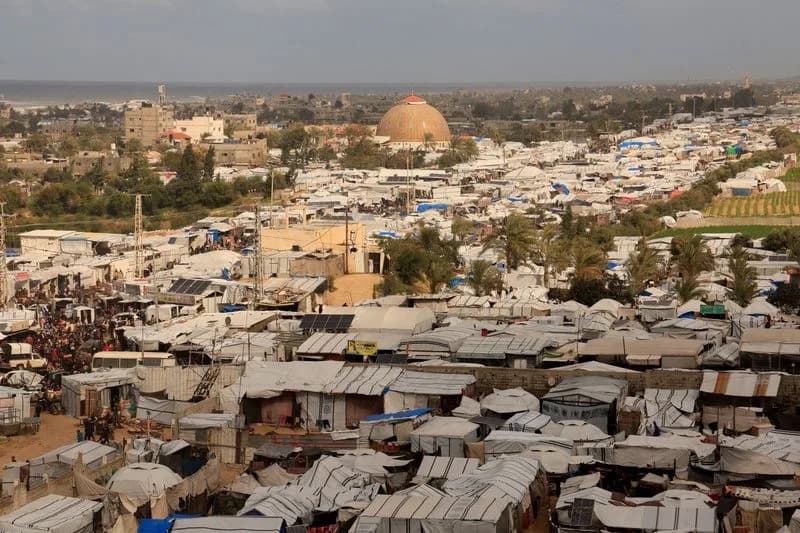
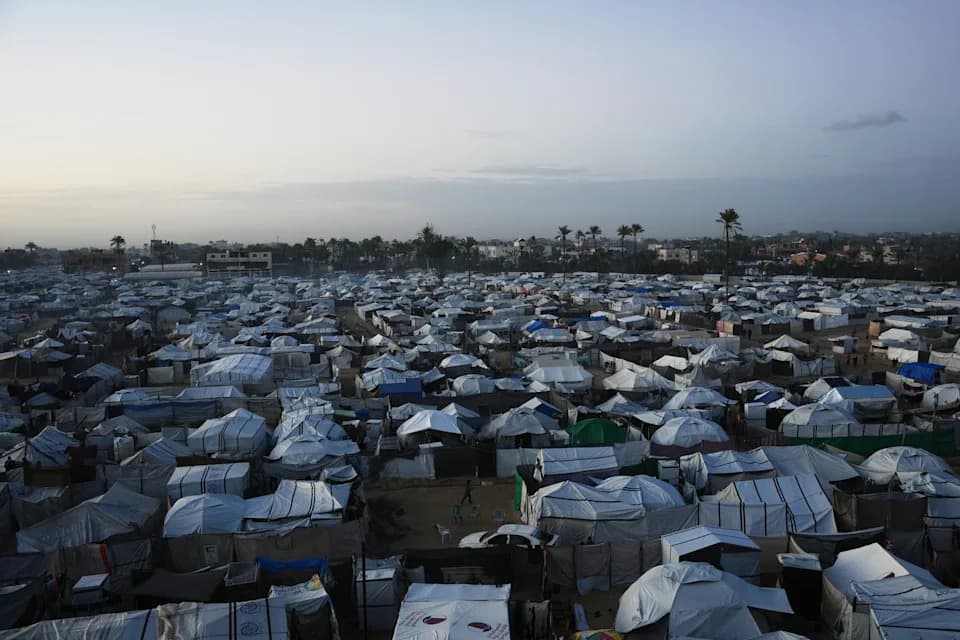
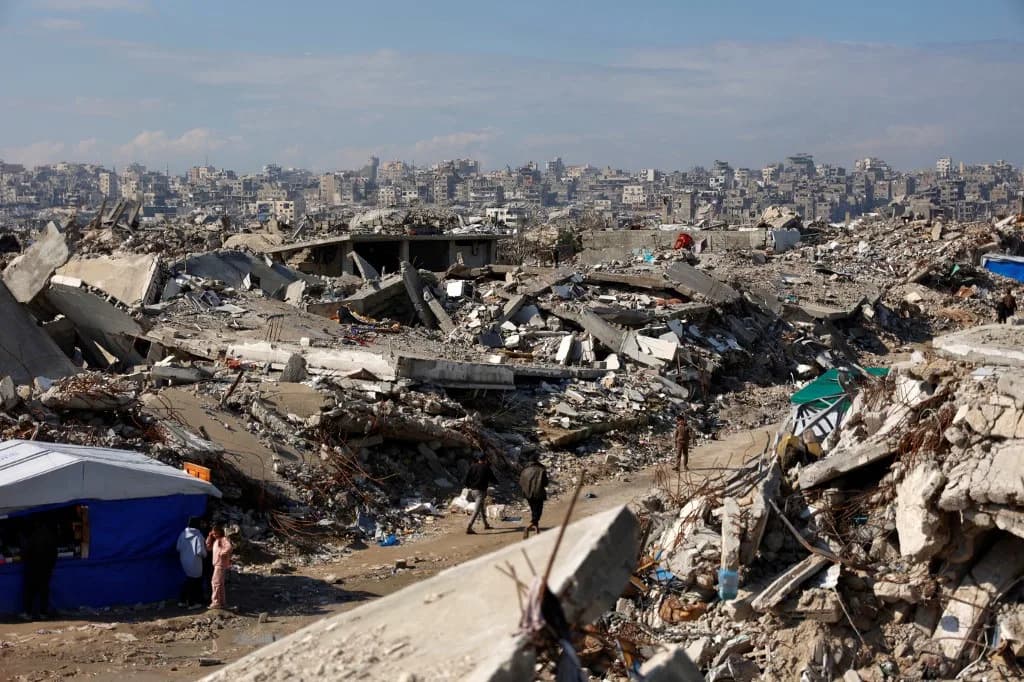
Makeshift shelters are erected along the road close to the Nuseirat refugee camp, central Gaza Strip, on November 9, 2025 [Eyad Baba/AFP]
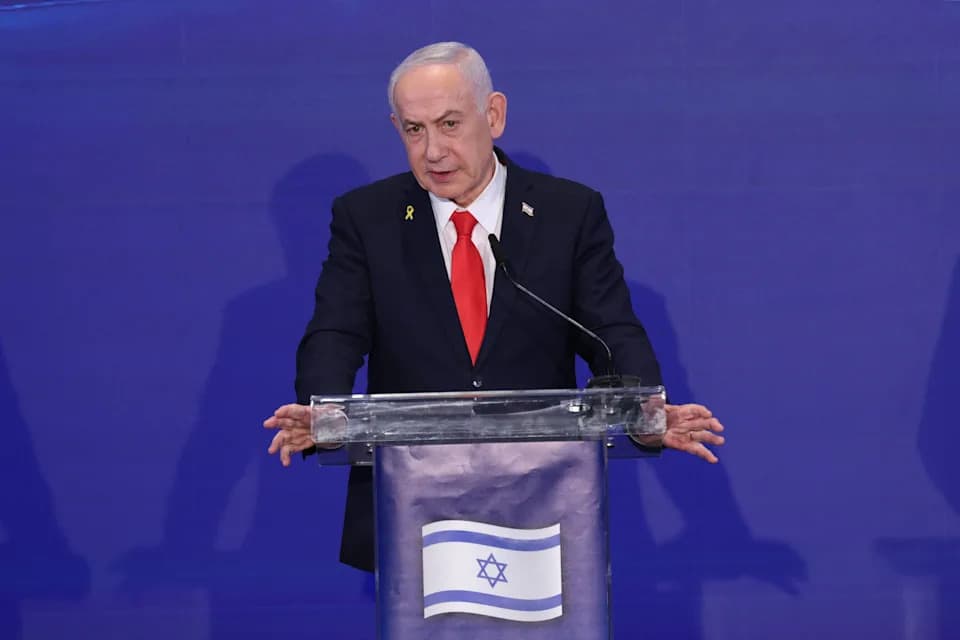
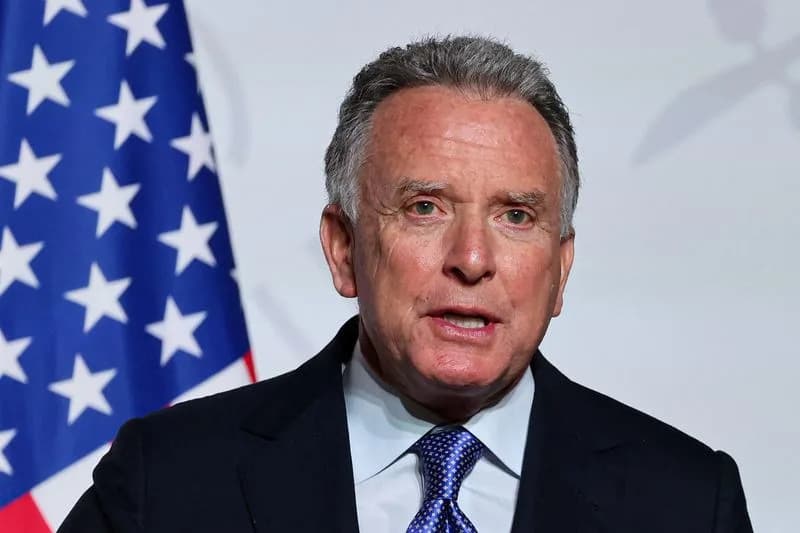
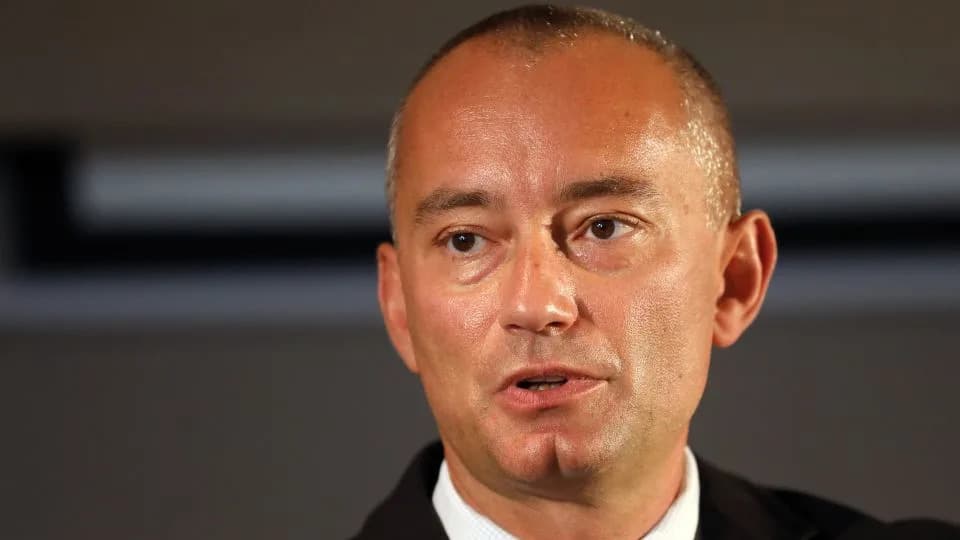
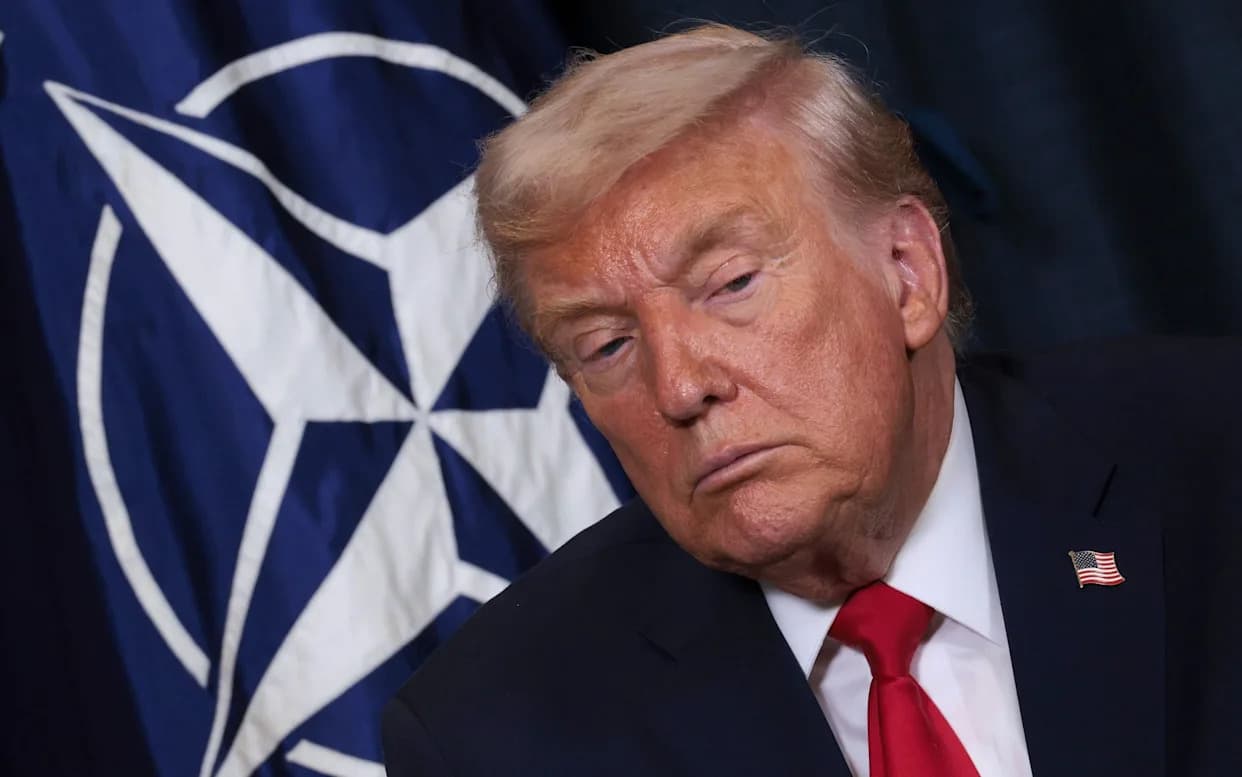
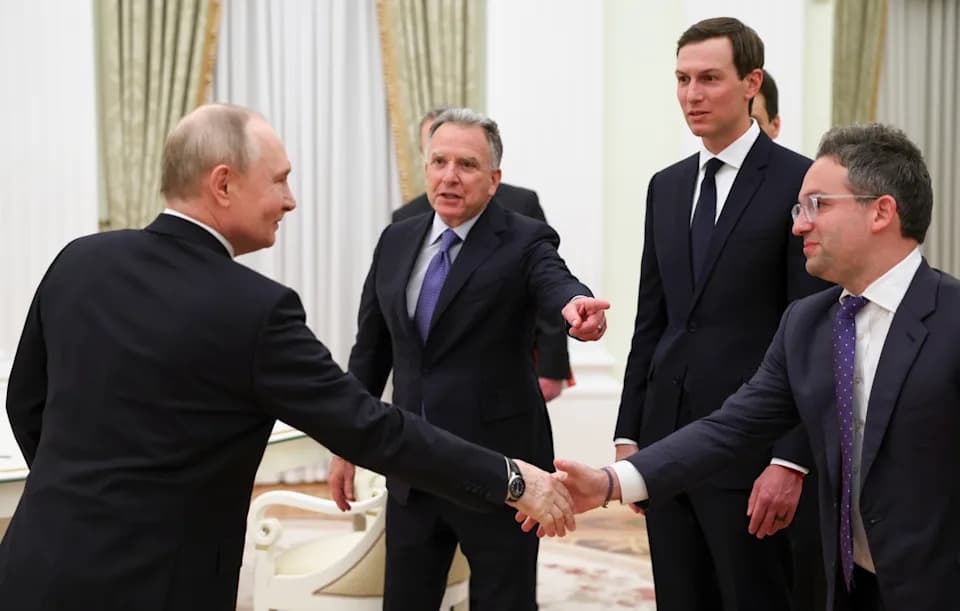
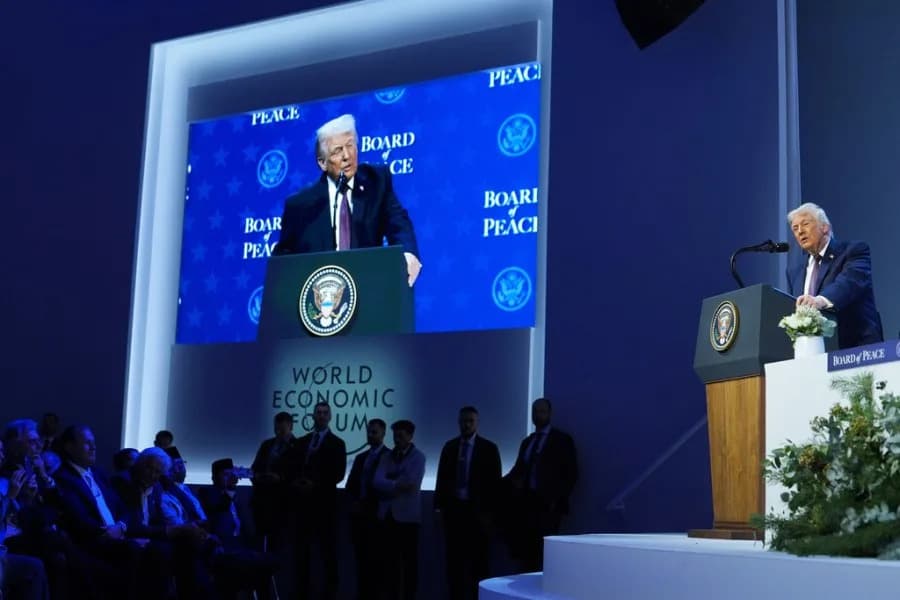
When Steve Witkoff announced a so-called “phase two” of the ceasefire, the phrase sounded like the longed-for update many in Gaza have been awaiting. Less than 24 hours later, the White House revealed the membership of a new “Board of Peace,” charged with supervising a technocratic committee to manage Gaza’s day-to-day governance after the war. The administration said the committee would be led by Dr Ali Shaath and framed the plan as a forward-looking blueprint for reconstruction and stability.
On paper, the initiative reads like progress: structure, planning and a roadmap for life beyond conflict. But on the ground in Gaza, confidence is thin and skepticism is widespread. Many Palestinians struggle to reconcile a board billed to rebuild Gaza with the presence of individuals perceived as supportive of Israel — especially while destruction is still visible, accountability has not been addressed and families continue to grieve.
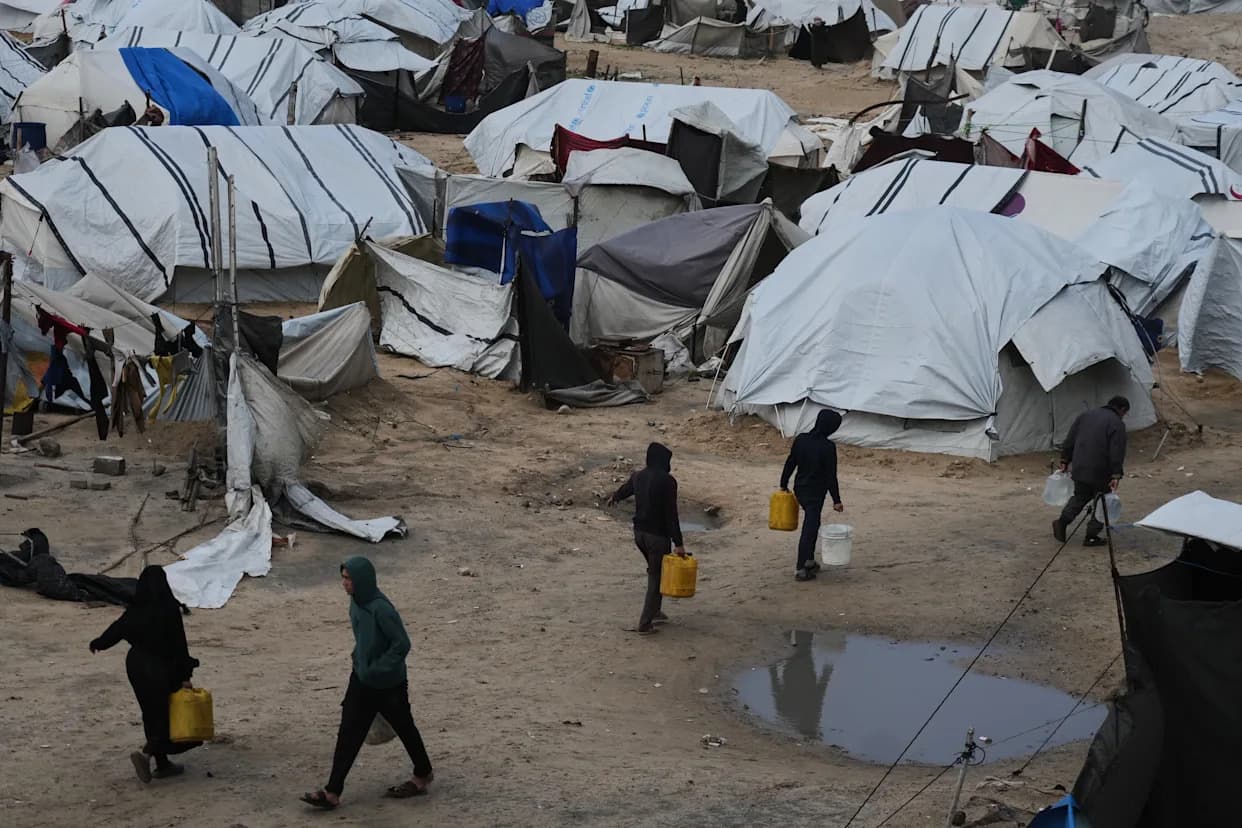
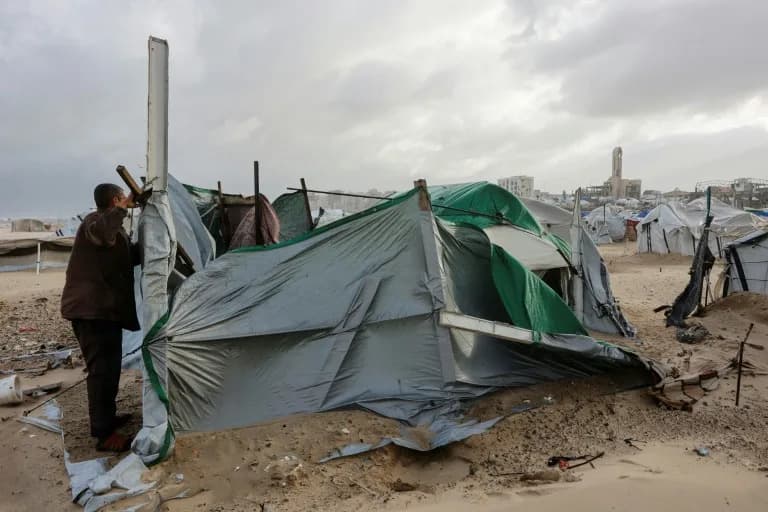
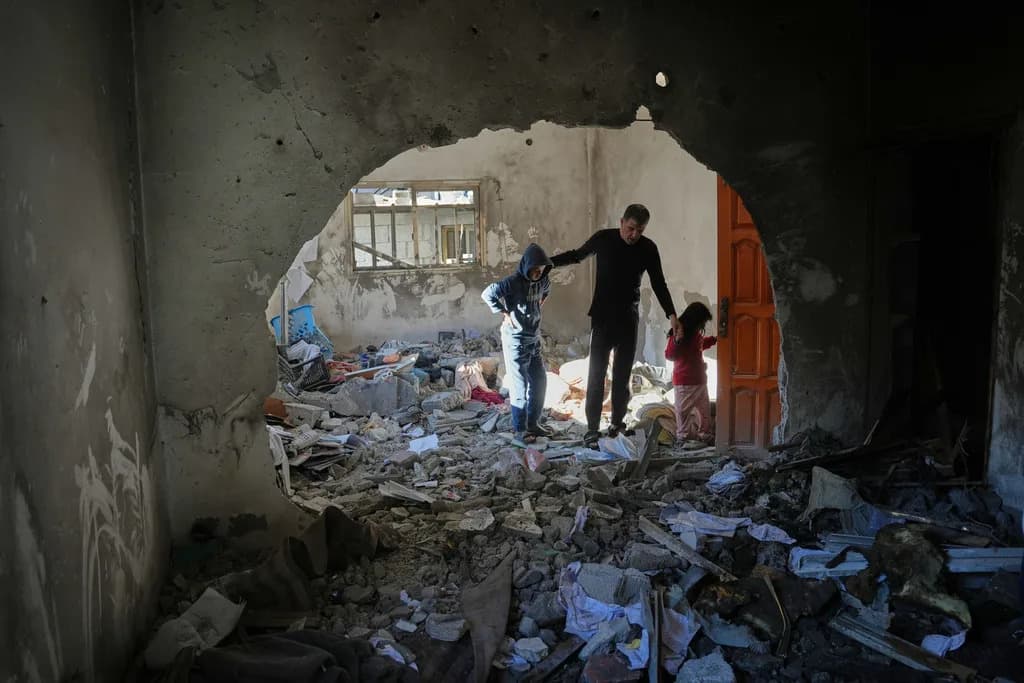
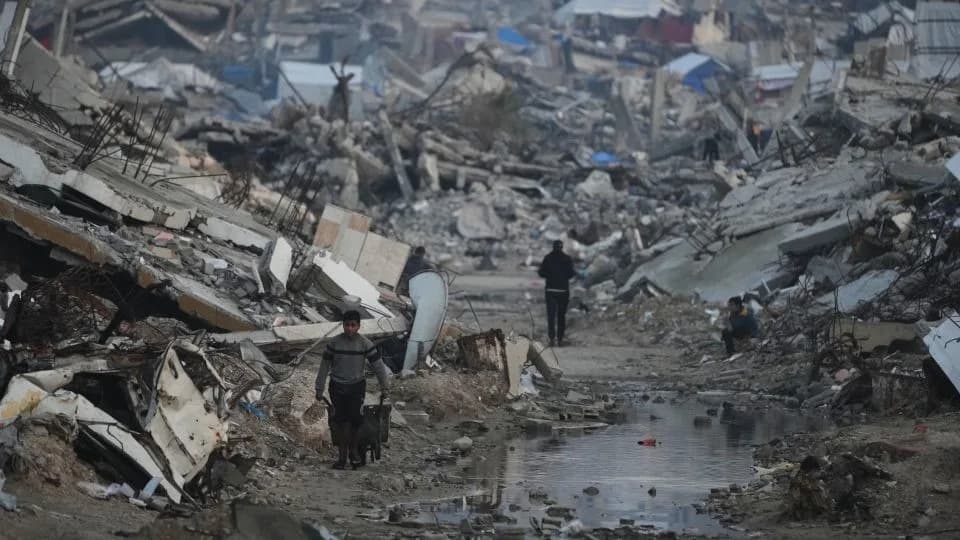
Buildings remain in ruins, entire neighbourhoods have been erased, and hospitals and services are strained or nonfunctional. For residents who have lost homes and loved ones, talk of governance and reconstruction can feel detached from everyday reality. Being asked to trust a future shaped by people who seem untouched by current suffering and unaccountable for it is a hard sell.
Daily life for many is still defined by the constant buzz of drones and the threat of strikes. Parents worry where their children will sleep; aid workers plan routes around which roads are passable rather than which areas need help most; families listen at night for the sound of silence to hold.
“You don’t feel a ceasefire in speeches — you feel it in the quiet of the night,” a Gaza resident said. “We need fewer funerals, functioning hospitals and streets where children can walk without fear.”
Official statements and diplomatic milestones feel distant from people’s lived experience. “Phase two” may exist in announcements, but for many lives remain suspended and fragile; promises are inconsistent, timetables slip and commitments fade without delivery. Announcing progress before people can actually feel it risks eroding trust rather than building it.
This is not a rejection of diplomacy. It is a plea for honesty and for tangible results. If “phase two” is to mean anything, it must translate into measurable improvements: fewer funerals, functioning hospitals, safe roads and nights without fear. Real peace takes root in ordinary moments — walking a street without bracing yourself, sleeping through the night without planning how to flee.
Until those moments arrive, “phase two” remains largely symbolic: a label that can inspire hope but cannot protect people. For residents living day to day, peace will arrive not with the next announcement but when they can wake up and trust the ceasefire will still be there in the morning.
Help us improve.