Israeli strikes in Gaza killed at least three Palestinians, including a child and a teenager, amid reports of new breaches of a fragile ceasefire. The deaths occurred as a Palestinian technocratic committee met in Cairo to prepare civilian administration under phase two of a US-backed peace plan. Key questions remain over Israeli withdrawals and how Hamas disarmament would be enforced, while the UN warns rubble clearance alone could take years and humanitarian needs are immediate.
Israeli Strikes Kill Civilians in Gaza as Technocratic Committee Meets in Cairo Ahead of 'Phase Two' Plan
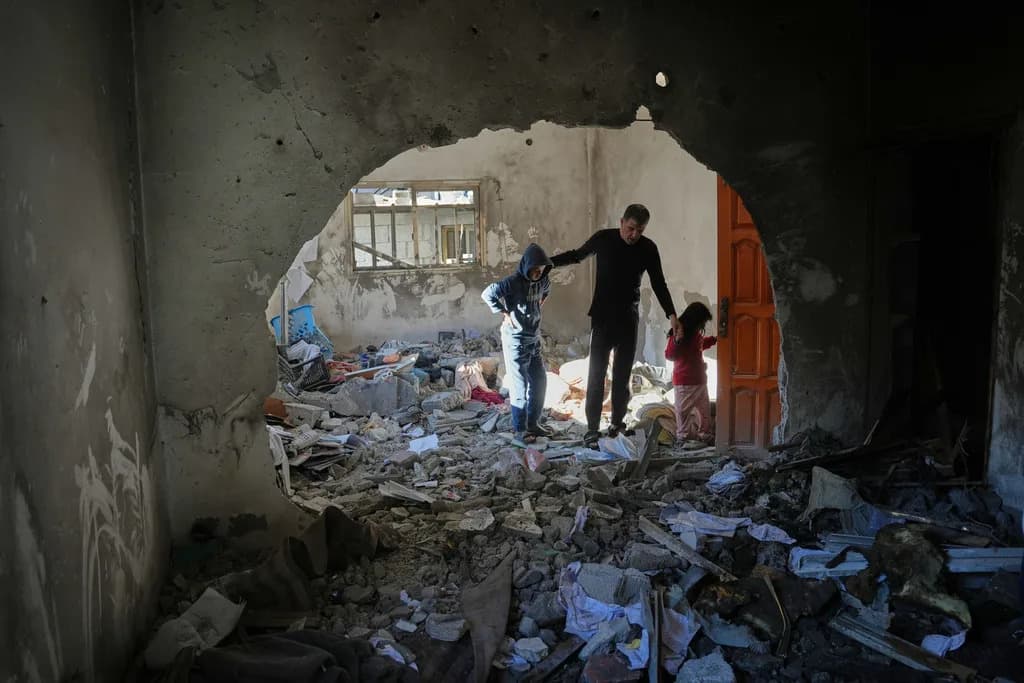
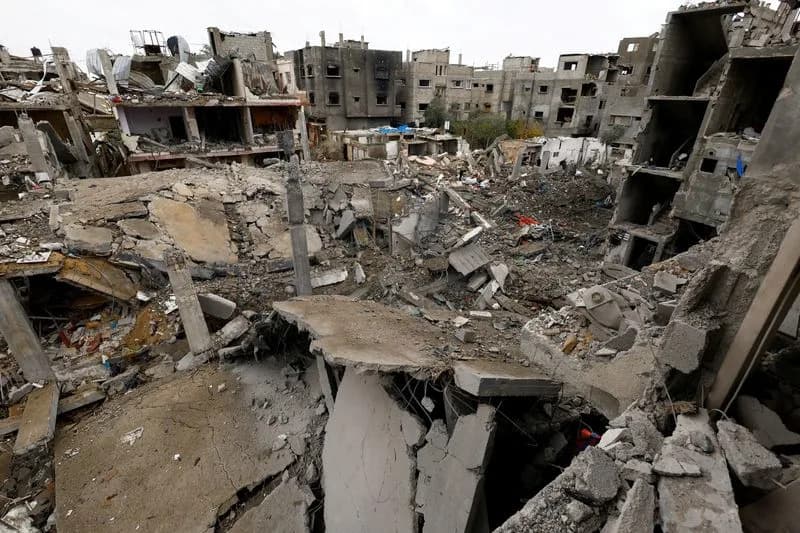
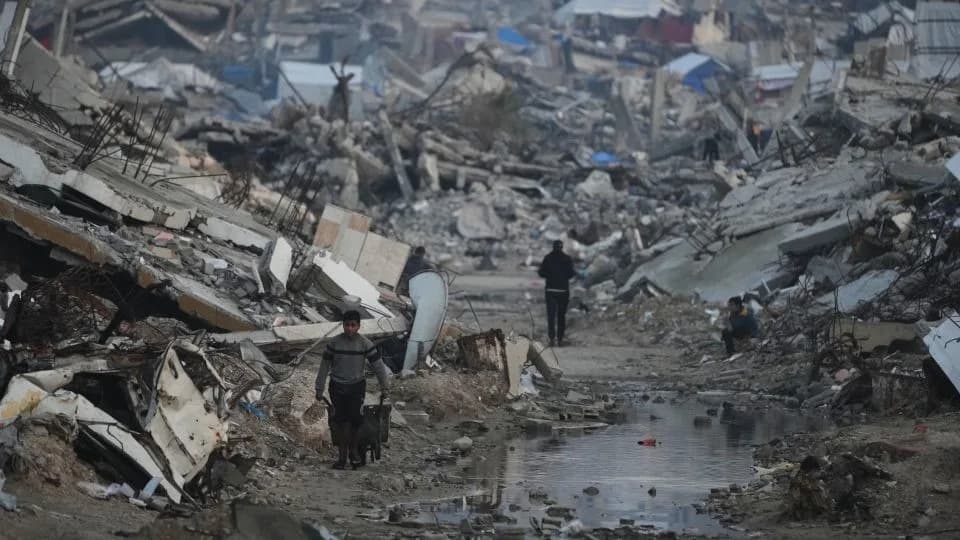
Palestinians inspect the rubble of the al-Hawli family home, destroyed in an Israeli strike in Deir el-Balah, in the central Gaza Strip, on 16 January, 2026 [Abdel Kareem Hana/AP Photo]
Israeli strikes killed at least three Palestinians in Gaza on Friday — a 10-year-old girl, a 16-year-old boy and a 62-year-old woman — in what Gaza authorities and witnesses described as fresh breaches of a fragile ceasefire that has been in effect since October 10.
The deaths came a day after the United States announced the start of phase two of President Donald Trump’s multi-stage plan for Gaza, which foresees a technocratic Palestinian committee managing day-to-day affairs under an international "board of peace." Critics and residents remain concerned about how the plan will translate into immediate relief on the ground.
Palestinian news agency Wafa reported that 16-year-old Mohammad Raed al-Barawi was shot dead in northern Gaza’s Beit Lahiya, saying he died instantly after being struck in the head. Wafa also said 62-year-old Sabah Ahmed Ali Abu Jamea was killed by fire from military vehicles west of Khan Younis as Israeli forces carried out what they described as extensive demolition operations in the south of the enclave.
Al Jazeera was told that a 10-year-old girl was hit by a munition dropped from an Israeli drone in Beit Lahiya and died shortly after arriving at al-Shifa Hospital in critical condition.
Gaza authorities said that in the 24 hours before Friday afternoon, at least 15 Palestinians had been killed. Six of those fatalities were the result of strikes on two houses belonging to the al-Hawli and al-Jarou families in Deir el-Balah on Thursday evening; those killed included a 16-year-old. Israel said it had targeted Muhammad al-Hawli, whom it identified as a commander in the Qassam Brigades, and said it struck "several terrorists across the Gaza Strip."
Hamas spokesman Hazem Qassem described Friday's strikes as a new violation of the ceasefire. Gaza authorities put the death toll at 463 Palestinians since the ceasefire took effect on October 10. Israel has reported three soldiers killed over the same period.
Committee Meets in Cairo
The National Committee for the Administration of Gaza convened for the first time in Cairo on Friday to prepare for an administrative handover envisioned in phase two of the plan. The committee is intended to run civilian day-to-day affairs under the oversight of a Trump-led "board of peace," which is expected to be chaired by Bulgarian diplomat Nickolay Mladenov.
Ali Shaath, an engineer and former deputy minister in the Palestinian Authority involved with the committee, told Egypt's state-owned Al-Qahera News that Palestinians had been "looking forward to this committee, its establishment and its work to rescue them," and expressed optimism that reconstruction and recovery could take about three years.
That timeline, however, contrasts with a United Nations Development Programme estimate that it could take seven years just to clear the rubble — and then only if supplies of fuel and heavy machinery remain uninterrupted. Those conditions are uncertain while large areas of the Gaza Strip remain under Israeli control behind the so-called "yellow line."
Key details of phase two remain unresolved, including the timing and scope of any Israeli withdrawal and how disarmament of Hamas — a central requirement of the plan — would be implemented. Hamas has not agreed to disarm but nonetheless described the committee’s establishment as "a step in the right direction," indicating a willingness to transfer civilian administration.
Sultan Barakat, a professor of public policy at Hamad Bin Khalifa University, told Al Jazeera that Hamas's approval suggested it had "papered over" longstanding differences with the Palestinian Authority.
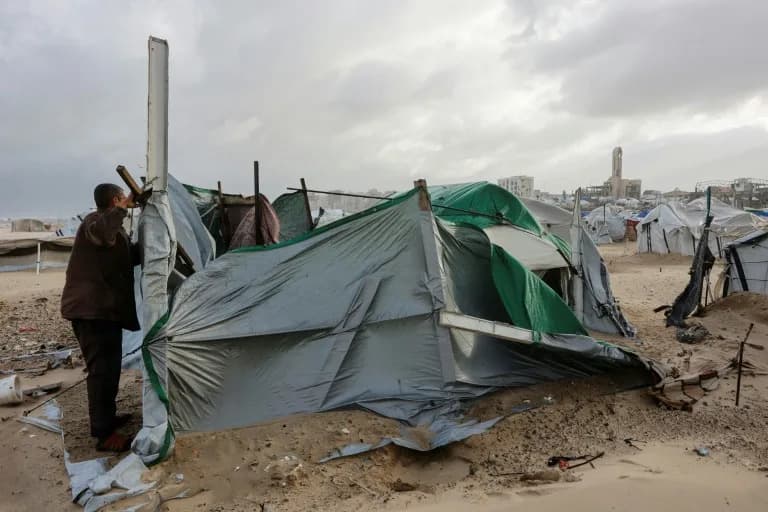
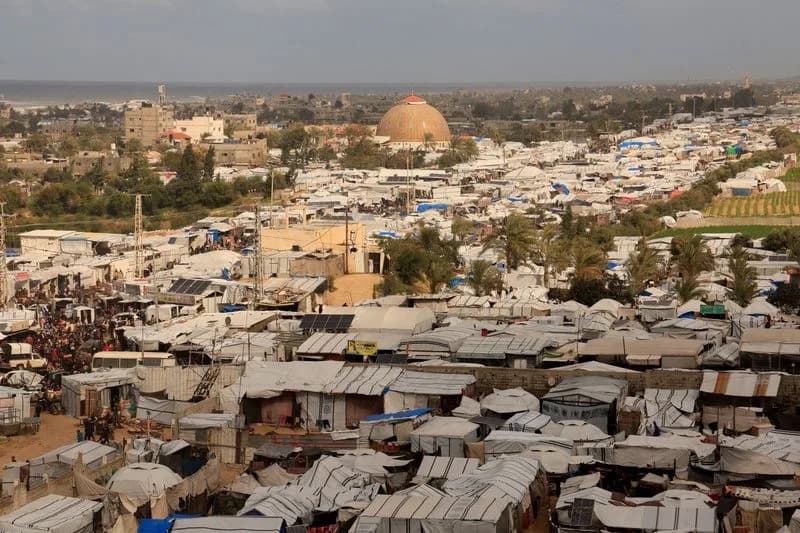
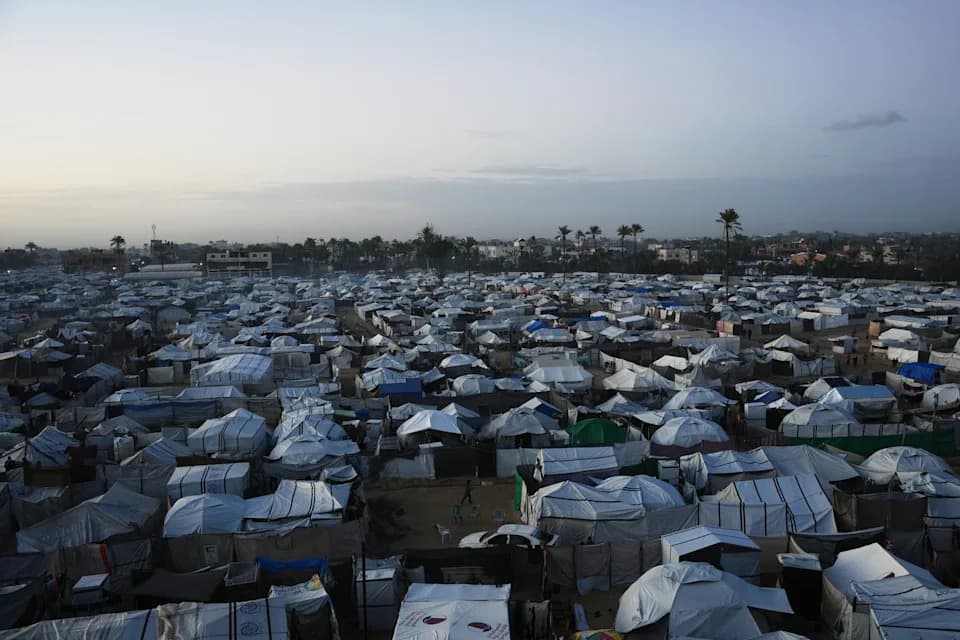
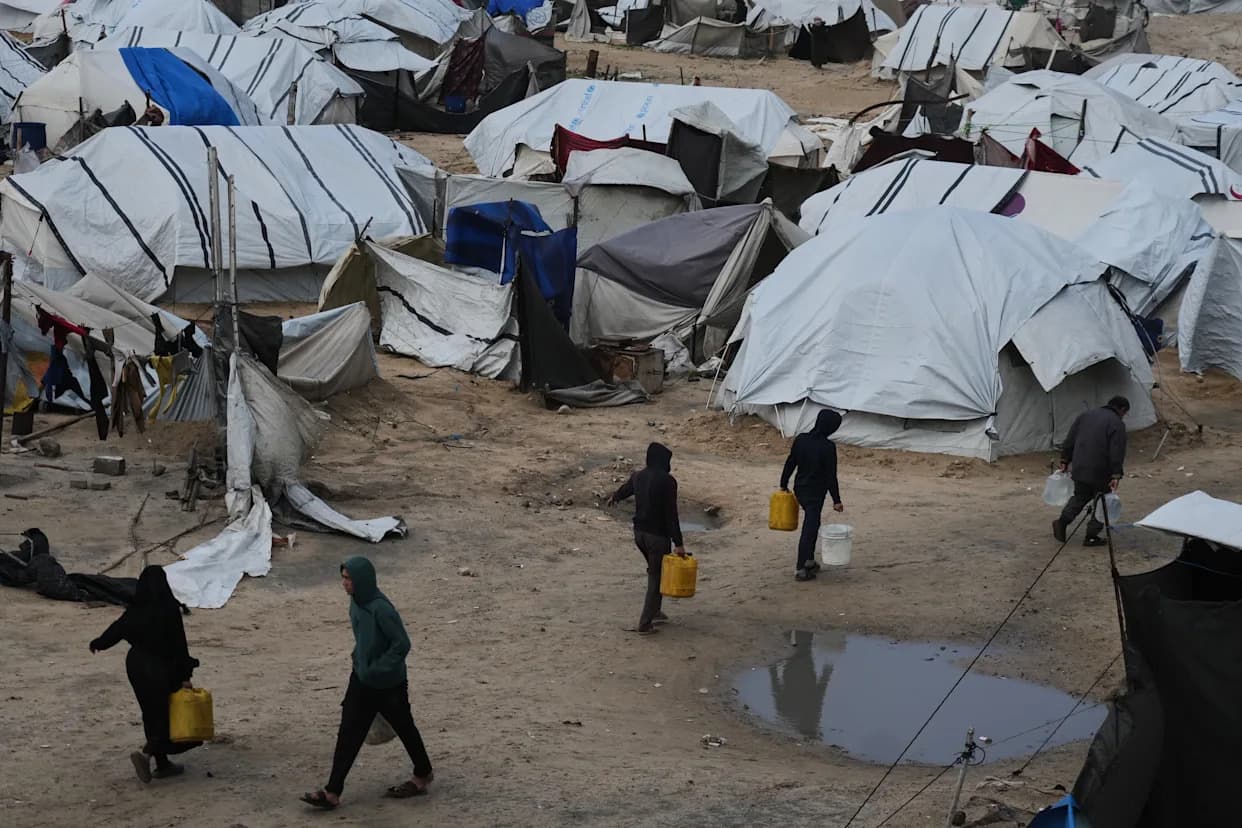
Reporting from Gaza City, Al Jazeera’s Tareq Abu Azzoum said hundreds of thousands of people sheltering in makeshift camps during winter had "little expectation that political plans will translate into genuine relief." For many, he added, promises about phase two feel distant while urgent needs for food, shelter, water and safety persist.
Help us improve.