The U.S. announced a 15-member Palestinian technocratic committee, the National Committee for the Administration of Gaza (NCAG), to manage Gaza under Phase Two of its 20-Point Plan, which emphasizes demilitarization, technocratic governance and reconstruction. Ali Shaath will head the NCAG, which is to be overseen by an international Board of Peace. Key challenges include how Hamas will be disarmed, the return of the final Israeli hostage and coordination on peacekeeping and border access. Talks in Cairo are expected to focus on disarmament and next steps for Israeli withdrawals.
U.S. Unveils 15‑Member Palestinian Technocratic Committee To Administer Post‑War Gaza
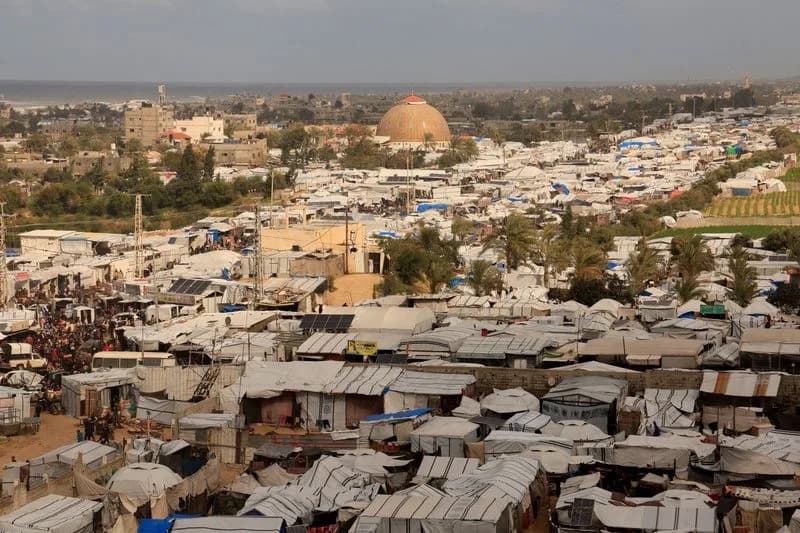
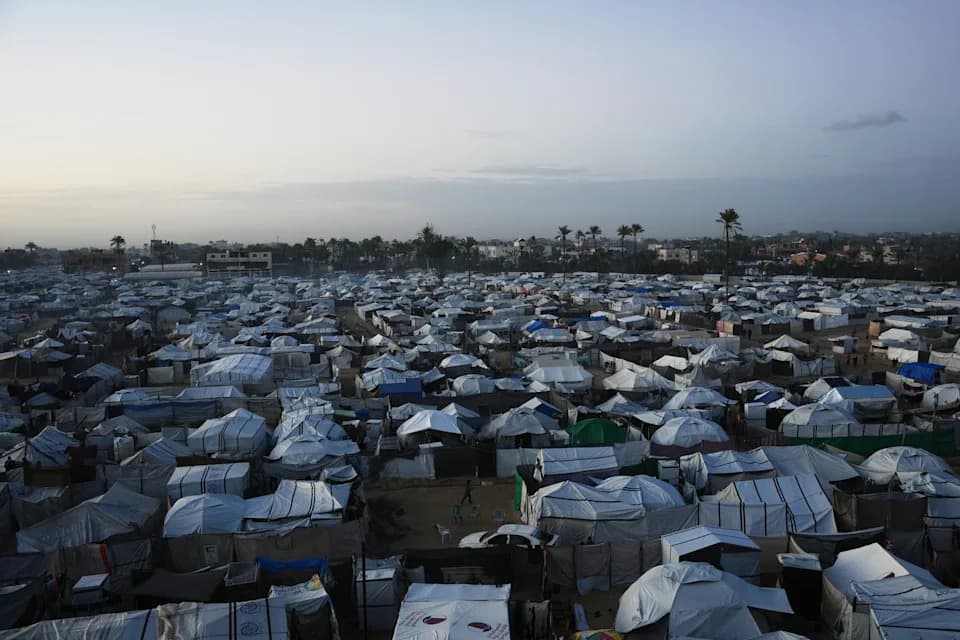
Displaced Palestinians shelter at a tent camp in Khan Younis, southern Gaza Strip, January 14, 2026. REUTERS/Haseeb Alwazeer
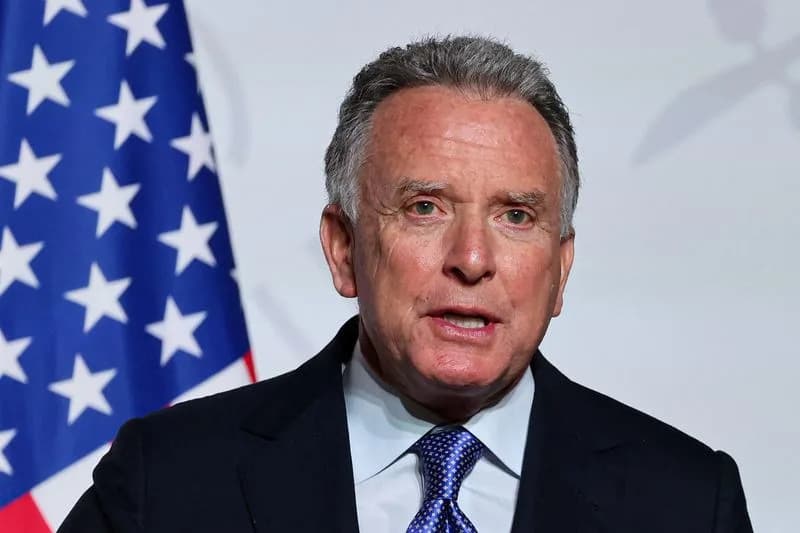
President Donald Trump’s special envoy, Steve Witkoff, announced on Jan. 14 the launch of a 15-member Palestinian technocratic body intended to help administer Gaza under Phase Two of the administration’s 20-Point Plan to End the Gaza Conflict.
What Was Announced
Witkoff described Phase Two as a transition “from ceasefire to demilitarization, technocratic governance, and reconstruction.” The newly formed National Committee for the Administration of Gaza (NCAG) will be led by Ali Shaath, a former deputy minister in the Palestinian Authority who previously oversaw industrial zone development. The committee was announced by mediators Egypt, Qatar and Turkey.
International Oversight
The plan envisions the NCAG operating under the supervision of an international Board of Peace, with Nickolay Mladenov, the former U.N. Middle East envoy, expected to represent the Board on the ground. A related announcement about the Board of Peace is reportedly expected at Davos.
Named Members And Endorsements
Sources say the list includes figures from the private sector and NGOs, and names reported so far include Ayed Abu Ramadan (head of the Gaza Chamber of Commerce), Omar Shamali (former PALTEL executive) and Sami Nasman (retired PA security officer and Fatah member). Egyptian and Palestinian sources said both Hamas and Fatah have endorsed the committee list.
Key Challenges And Context
Major obstacles remain. The plan requires demilitarization — including the disarmament of what it calls “unauthorized personnel” — but Hamas has so far declined to lay down its weapons and has reportedly regrouped in parts of Gaza despite a fragile October ceasefire. Witkoff warned that failure to meet obligations, including the return of the final deceased hostage, would bring “serious consequences.”
Phase One of the plan secured a ceasefire and some hostage releases but has been undermined by subsequent violence, Israeli airstrikes that have killed hundreds of civilians, the unrecovered final hostage remains, and delays in fully reopening the Rafah crossing with Egypt. Further Israeli withdrawals inside Gaza are tied to progress on disarmament, a point on which Hamas has linked any surrender of arms to progress toward Palestinian statehood.
Next Steps
Hamas leaders and representatives of other Palestinian factions were reported to be in Cairo for talks focused on Phase Two. Egyptian sources say those talks will emphasize disarmament, and members of the NCAG were expected to meet with Mladenov there. The timetable for international peacekeeping deployment and detailed operational arrangements for the Board of Peace remain unsettled.
"The US expects Hamas to comply fully with its obligations, including the immediate return of the final deceased hostage. Failure to do so will bring serious consequences," Witkoff said.
Israeli officials did not immediately respond to requests for comment. Reporting was compiled from Nidal al-Mughrabi and Simon Lewis, with additional contributions and editing noted in the original report.
Help us improve.