Over 70 species new to science were documented in 2025 from both fresh fieldwork and reexamined museum specimens. The American Museum of Natural History and collaborators highlighted ten notable finds—from a newly described mouse opossum in Peru to Jurassic reptiles, early feathered dinosaurs with preserved stomach contents, unusual bees, catfishes adapted to rapids, and a sea anemone that required a new genus. These discoveries underscore Earth’s rich biodiversity and the continuing scientific value of natural history collections.
From Feathered Dinosaurs to Tiny Bees: 10 Fascinating New Species Described in 2025
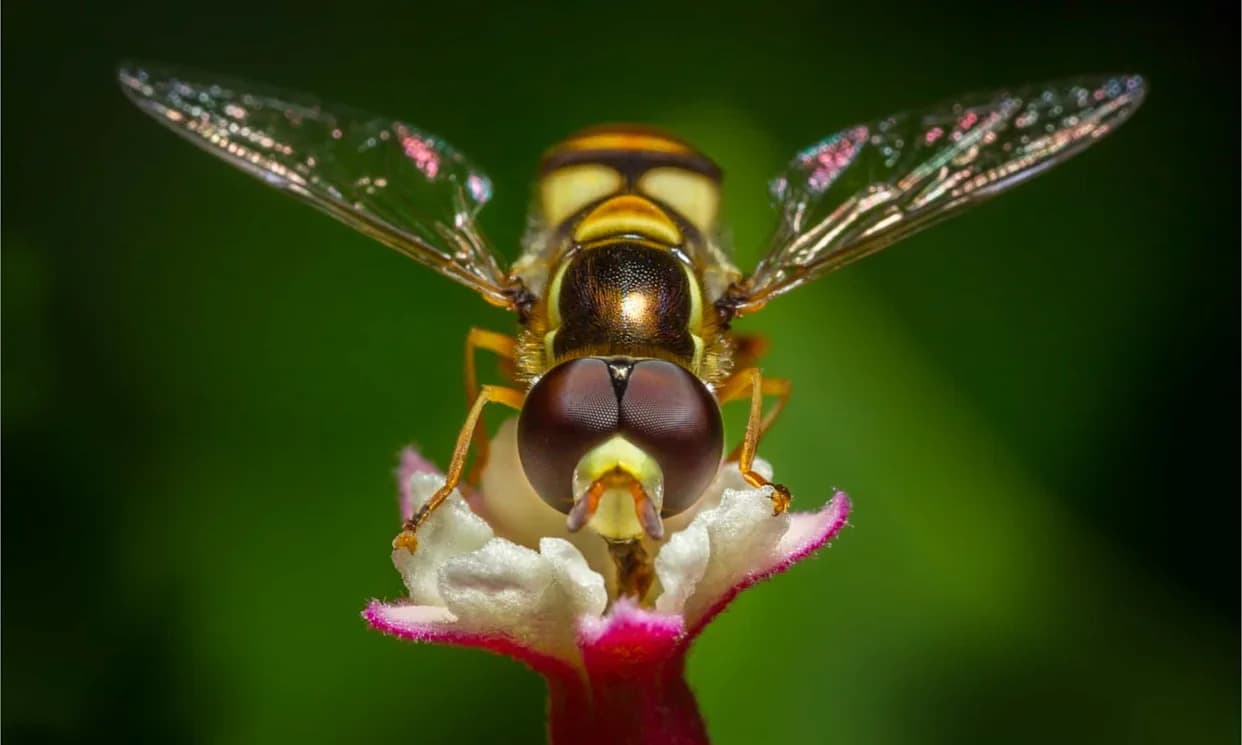
fruit fly© kajornyot wildlife photography/Shutterstock.com
Scientists documented more than 70 species previously unknown to science in 2025, ranging from mammals and dinosaurs to insects, arachnids, fishes and marine invertebrates. Some discoveries came from fresh fieldwork around the world; others were uncovered when researchers reexamined specimens that had sat in museum collections for decades.
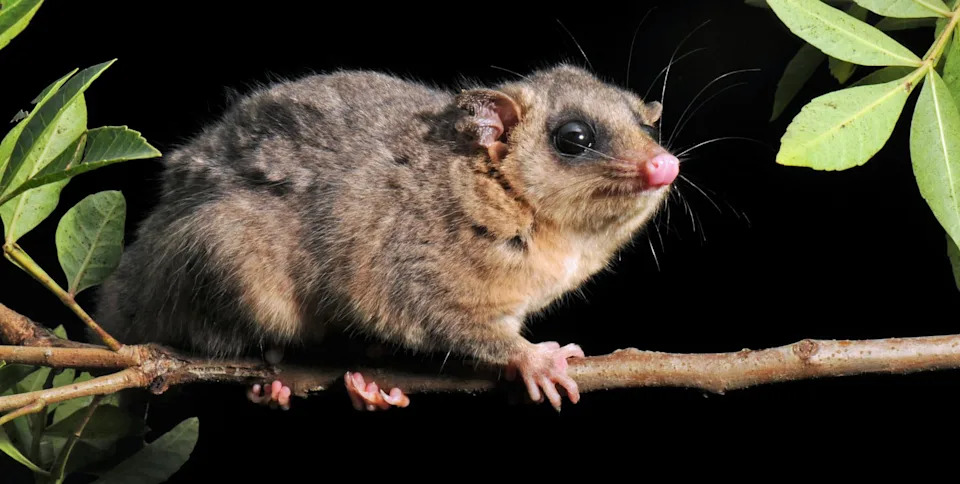
The small and arboreal marsupial known asMarmosa paraguayanais similar in appearance to the newly discoveredMarmosa chachapoya, althoughM. paraguayanahas a shorter nose and tail.©Renato Augusto Martins derivative work: WolfmanSF, CC BY-SA 4.0, via Wikimedia Commons –Original/License(Renato Augusto Martins derivative work: WolfmanSF, CC BY-SA 4.0, via Wikimedia Commons)
Staff at the American Museum of Natural History and collaborating institutions played a central role in identifying many of these taxa. The finds emphasize both the astonishing diversity of life on Earth and the continuing scientific value of preserved natural history collections.
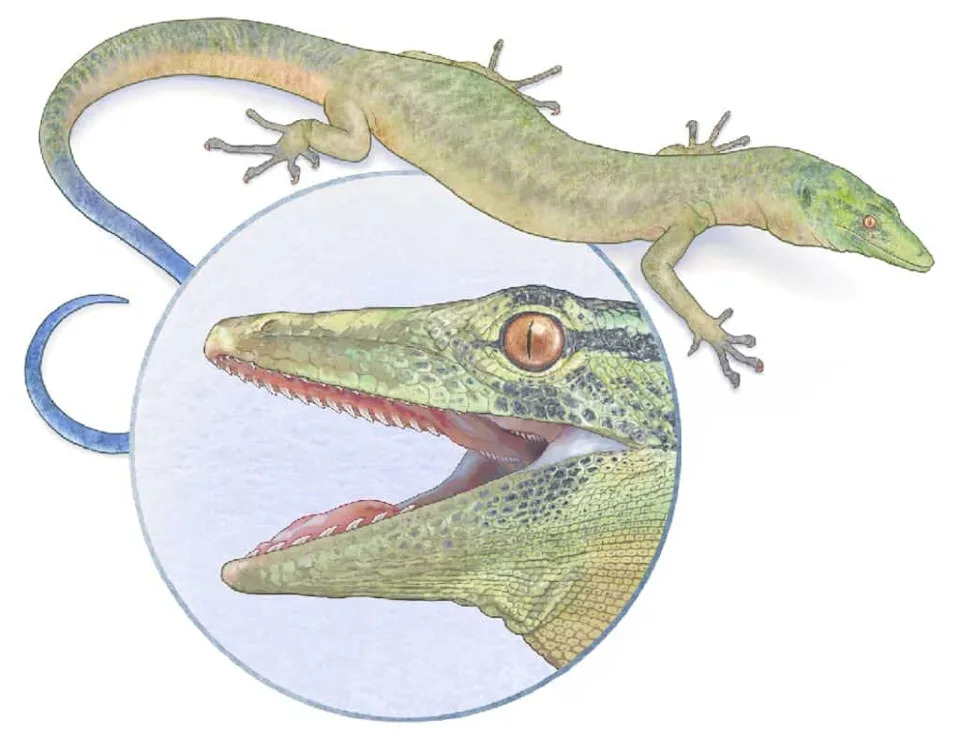
Breagnathair elgolensisis helping scientists to understand the evolution of snakes and lizards.©Mick Ellison in R. B. J. Benson, S. A. Walsh, E. F. Griffiths, Z. T. Kulik, J. Botha, V. Fernandez, J. J. Head & S. E. Evans, CC BY 4.0, via Wikimedia Commons –Original/License(Mick Ellison in R. B. J. Benson, S. A. Walsh, E. F. Griffiths, Z. T. Kulik, J. Botha, V. Fernandez, J. J. Head & S. E. Evans, CC BY 4.0, via Wikimedia Commons)
“Together, these discoveries highlight the remarkable richness of Earth’s biodiversity and underscore the enduring value of natural history collections. Specimens preserved across generations continue to reveal new insights, reminding us how much there is still to learn about life on our planet,”
—Cheryl Hayashi, Senior Vice President and Provost of Science, American Museum of Natural History
Below are concise, reader-friendly profiles of ten especially notable discoveries from 2025, drawn from the scientific papers and museum reports.
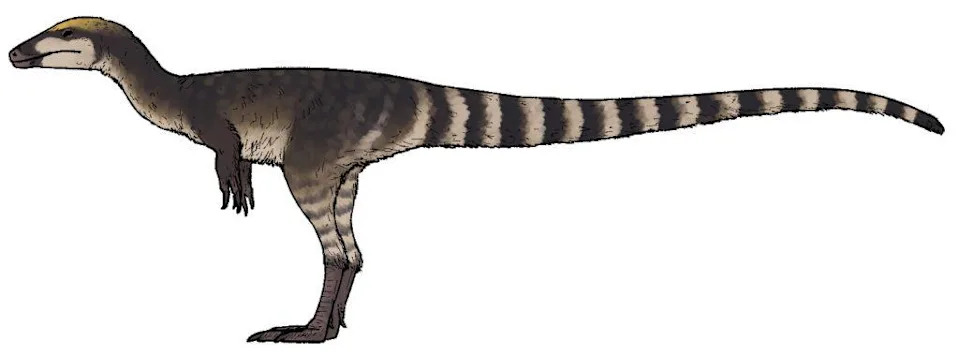
Sinosauropteryx lingyuanensishad a body length of 3.9 feet, making it the largest known of its genus.©Ddinodan, CC BY 4.0, via Wikimedia Commons –Original/License(Ddinodan, CC BY 4.0, via Wikimedia Commons)
Marmosa chachapoya — Mouse Opossum (Peru)
Described in June 2025 from the Andes of Peru, Marmosa chachapoya is a small, arboreal mouse opossum about 10 inches long in total (roughly 6 inches of that is tail). It has reddish-brown fur and mask-like facial markings. Researchers obtained a single specimen, so much about its range and ecology remains unknown.
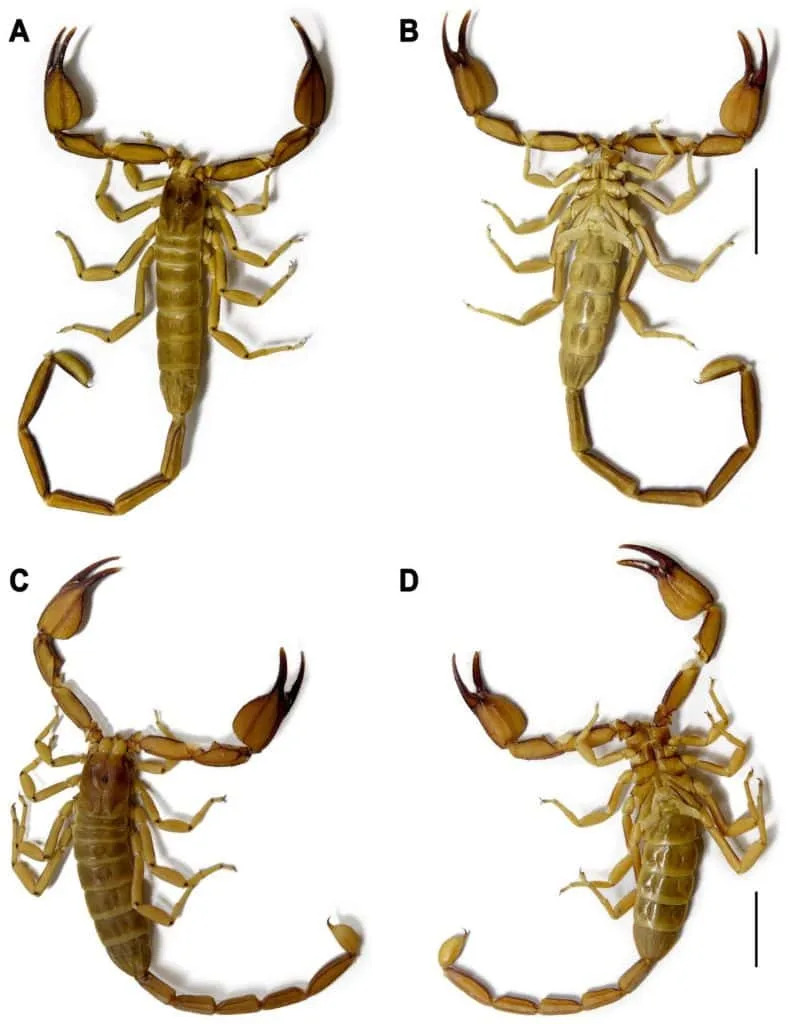
Hemiscorpius jiroftensisis a new species of venomous scorpion recently discovered in Iran.©Saman et al. (2025), CC BY 4.0, via Wikimedia Commons –Original/License(Saman et al. (2025), CC BY 4.0, via Wikimedia Commons)
Breugnathair elgolensis — Jurassic Reptile (Scotland)
Reported in October 2025, Breugnathair elgolensis is a roughly 16-inch-long Jurassic reptile with hooked, python-like teeth. It lived about 167 million years ago and resembled a gecko in general form. Its combination of snake-like dental features and otherwise primitive anatomy offers new clues about early lizard and snake evolution.
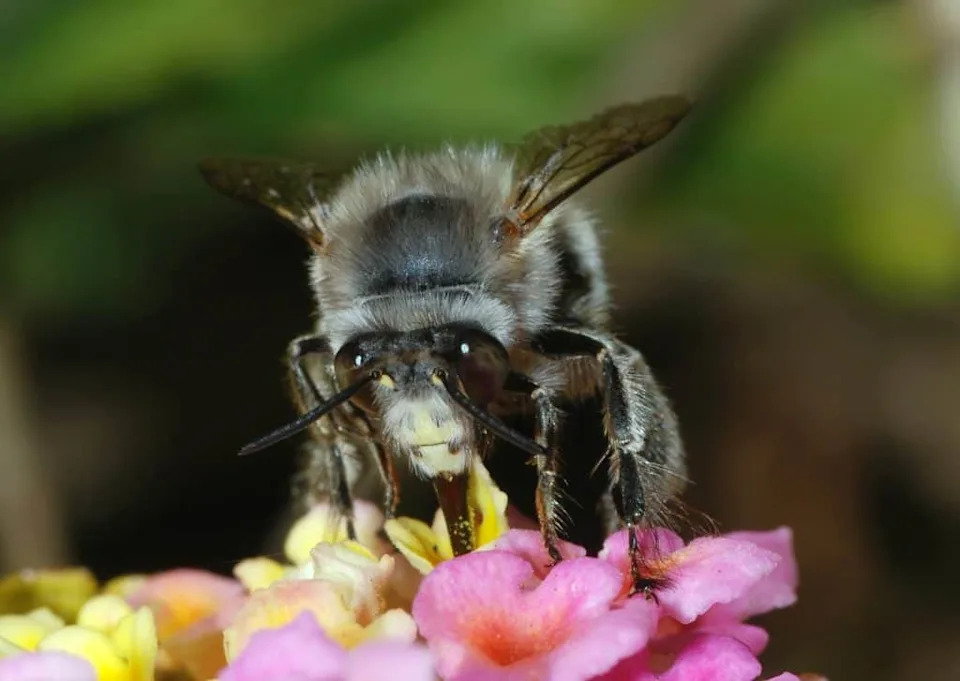
The digger bee,Anthophora plumipes, is in the same genus as the newly discovered Anthophora brunneipecten.©Alvesgaspar, CC BY-SA 3.0, via Wikimedia Commons –Original/License(Alvesgaspar, CC BY-SA 3.0, via Wikimedia Commons)
Sinosauropteryx lingyuanensis & Huadanosaurus sinensis — Early Feathered Dinosaurs (China)
Two feathered dinosaurs from the Early Cretaceous were formally described in May 2025 from specimens discovered in China about 20 years earlier. Sinosauropteryx lingyuanensis and Huadanosaurus sinensis lived roughly 125 million years ago. Notably, the fossil of H. sinensis preserved digestive contents: two small mammals were found in the abdomen, a rare snapshot of prehistoric diet.
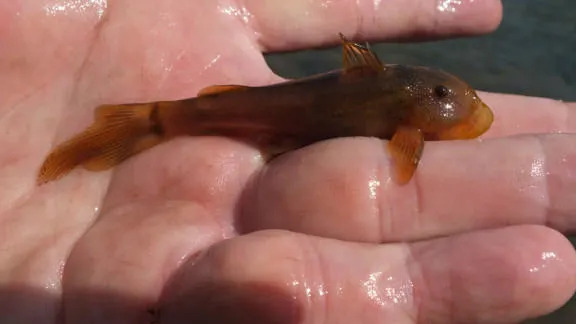
TheChiloglanis anoterusis in the same genus as the two newly discovered African suckermouth catfishes.©no rights reserved, CC0, via Wikimedia Commons –Original(no rights reserved, CC0, via Wikimedia Commons)
Hemiscorpius jiroftensis — Venomous Scorpion (Iran)
Described in April 2025 from specimens collected in 2023–2024, Hemiscorpius jiroftensis inhabits mountainous regions of Iran. Females reach about 2.7 inches and males about 3.2 inches. Researchers located individuals at night using ultraviolet lights; like other scorpions, this species fluoresces under UV illumination.
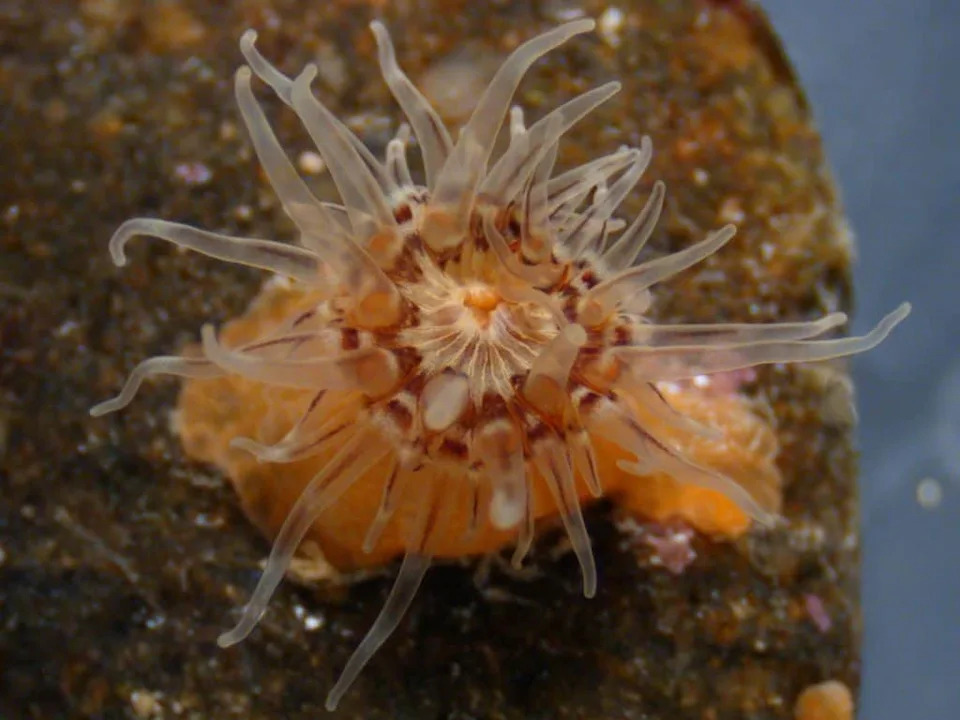
Sagartiogeton laceratusis similar in appearance to the newEndolobactis simoesii, but it is in a different genus.©Mike Noren, CC BY-SA 3.0, via Wikimedia Commons –Original/License(Mike Noren, CC BY-SA 3.0, via Wikimedia Commons)
Anthophora brunneipecten — Digger Bee (Chile)
This Chilean digger bee, described in 2025, has a tiny specialized facial comb used to collect pollen. It is one of several notable bee discoveries that year—others include the spiny cuckoo bee Xiphodioxys haladai from northern Oman and the fuzzy “teddy bear” bee Habropoda pierwolae from Vietnam.
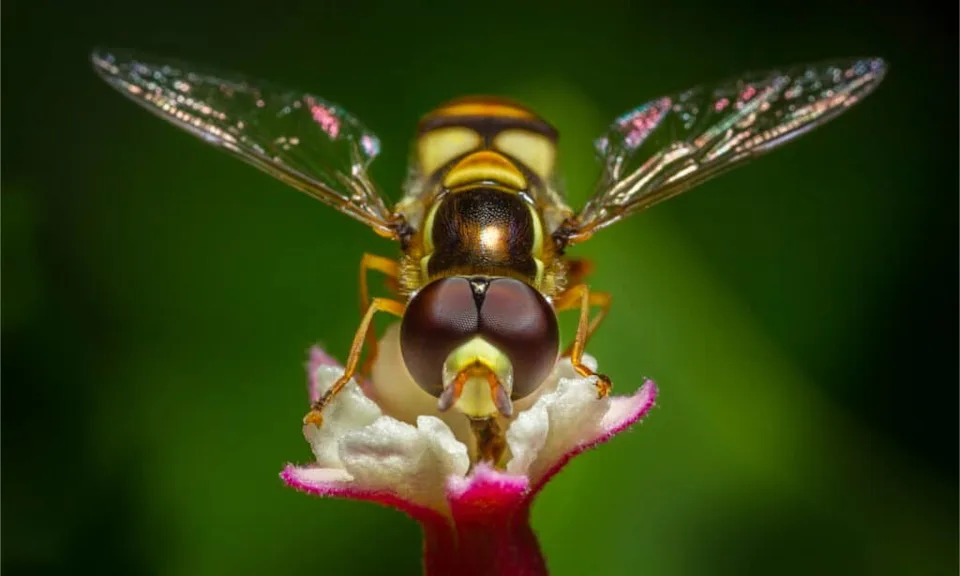
This common fruit fly in the familyDrosophilais related to the newly discovered fruit flies from the Philippines.©kajornyot wildlife photography/Shutterstock.com(kajornyot wildlife photography/Shutterstock.com)
Chiloglanis kinsuka & Chiloglanis wagenia — Suckermouth Catfishes (Congo Rapids)
Published in September 2025, these two closely related catfishes were collected from rapids in the Congo River roughly 1,000 miles apart. Both species display an unusually large number of teeth aligned along the lower jaw and possess finger-like structures inside the mouth that likely help them feed in fast-flowing water and cling to rocks.
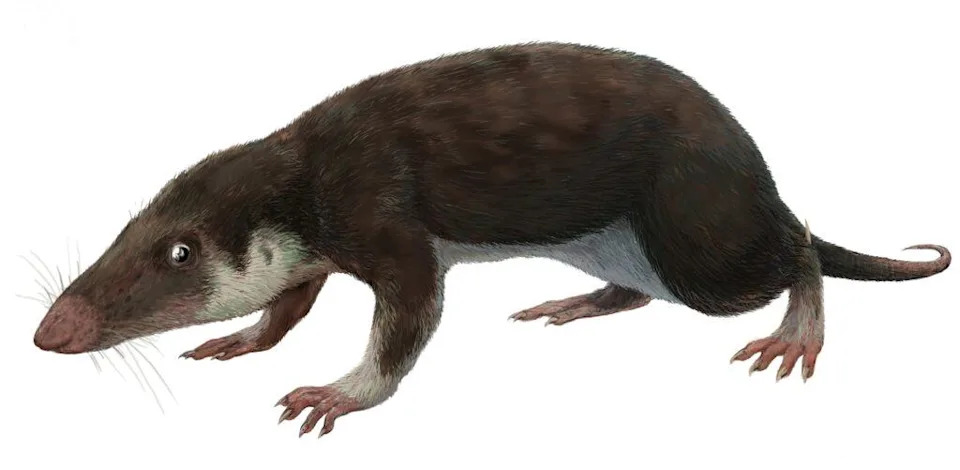
Morganucodon, as seen here, is closely related to the newly discoveredCamurocondylus lufengensis.©https://commons.wikimedia.org/wiki/File:Morganucodon.jpg –Original(https://commons.wikimedia.org/wiki/File:Morganucodon.jpg)
Endolobactis simoesii — New-Genus Sea Anemone (Yucatán, Mexico)
Researchers described a sea anemone so morphologically distinct it required a new genus: Endolobactis simoesii. Found on the Yucatán Peninsula, this anemone has frond-like flaps at the body margin. Its discovery raises the known count of sea anemone species along Mexico’s Atlantic coast to 24.
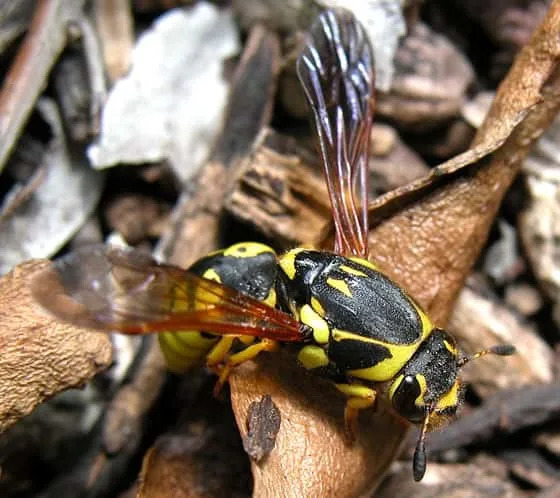
Pollen wasps feed their young a diet of pollen and nectar, similar to bees.©Hartmut Wisch, CC BY 2.5, via Wikimedia Commons –Original/License(Hartmut Wisch, CC BY 2.5, via Wikimedia Commons)
Psilodorha mandibula & Psilodorha forceps — Fruit Flies (Philippines, Museum Specimens)
By reexamining nearly century-old Philippine fly collections, entomologists recognized two new fruit fly species. Males of Psilodorha mandibula and Psilodorha forceps possess hardened, jaw-like mandibles that researchers hypothesize are used during mating to grasp females.
Camurocondylus lufengensis — Early Mammal (Museum Fossils)
Study of museum fossils led to the description of Camurocondylus lufengensis, a squirrel-sized mammal that lived roughly 174–201 million years ago. The fossil yields new evidence about the evolution of the mammalian jaw joint—an area where important transitional steps remain poorly understood.
Metaparagia cuttacutta — Pollen Wasp (Australia)
Described in May 2025, Metaparagia cuttacutta is a pollen-feeding wasp discovered by a researcher who was stranded in Australia during the COVID-19 pandemic. Pollen wasps provision their young with pollen and nectar, a behavior more similar to bees than to many other wasps.
Taken together, these ten highlights represent a fraction of the more than 70 taxa described in 2025. They illustrate how careful fieldwork and the reexamination of museum collections continue to expand our understanding of Earth’s biodiversity—past and present.
Help us improve.