Construction crews halted work after sandstone exposed beneath a planned parking lot near Dinosaur National Monument revealed fossil-bearing material identified as likely Diplodocus bones. The monument, established in 1915 on the Colorado–Utah border, protects hundreds of Jurassic fossil sites and was the focus of early 20th-century excavations by the Carnegie Museum and others. Between September and October 2025, teams removed about 3,000 pounds of rock and matrix now being prepared at the Utah Field House of Natural History State Park Museum in Vernal, with more specimens viewable at the monument’s Wall of Bones exhibit. Researchers continue to conserve and study the finds that ended a roughly 101-year dry spell for the town of Dinosaur, Colorado.
Diplodocus Bones Unearthed Beneath Parking Lot Near Dinosaur National Monument
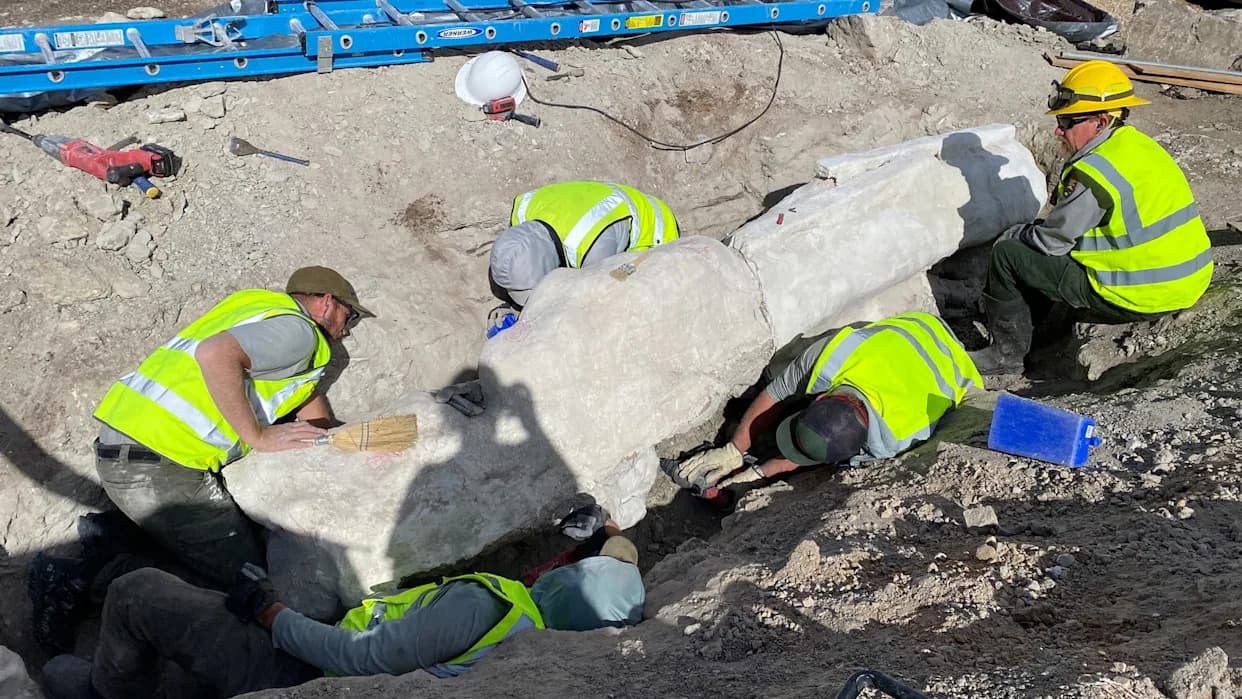
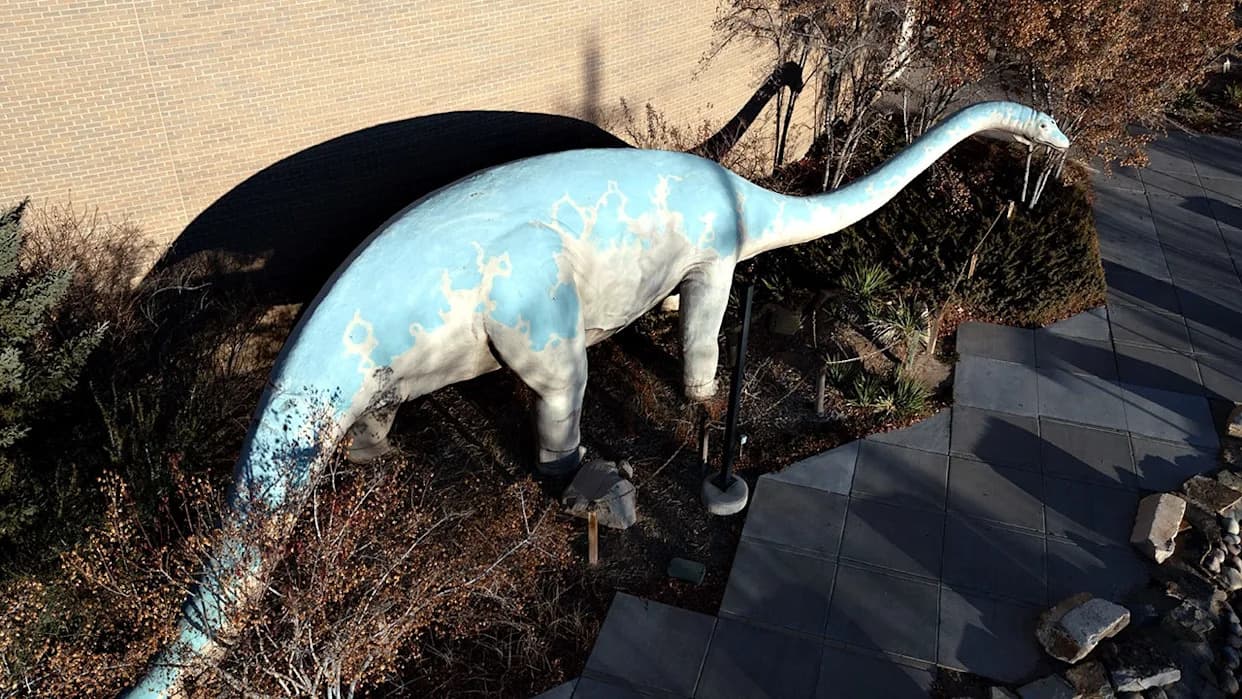
Construction on a new parking area near Dinosaur National Monument was paused after crews uncovered an unexpected band of sandstone containing fossil material. Park staff and paleontologists examined the site and determined the remains are sauropod bones most likely belonging to a Diplodocus, the long-necked herbivore from the Late Jurassic.
Discovery
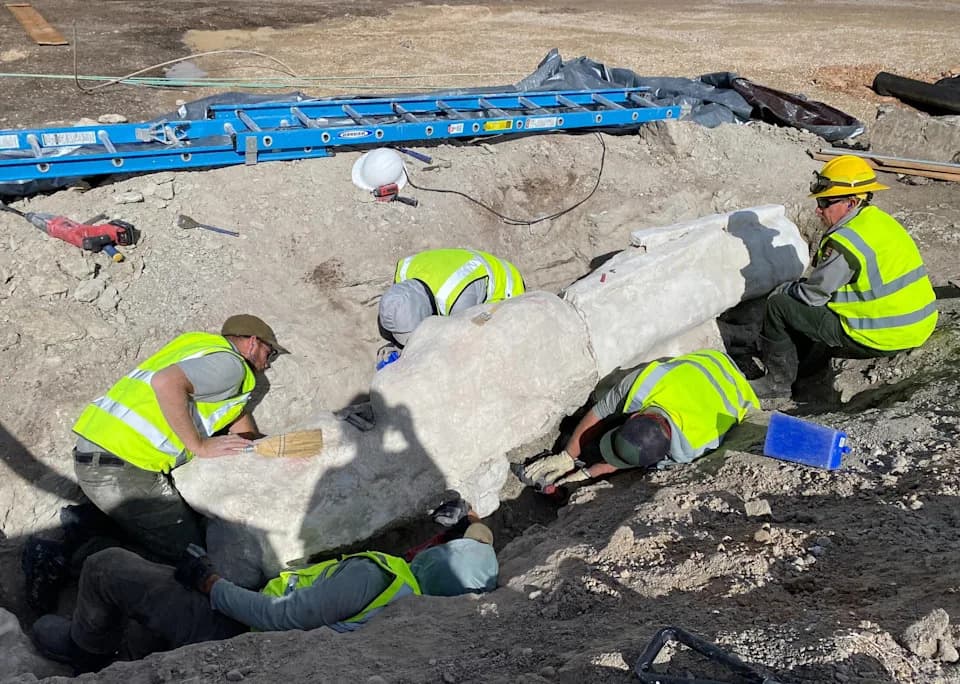
The sandstone was revealed during routine grading for the lot, prompting an immediate halt to work so specialists could assess the find. Preliminary field identification points to Diplodocus-grade sauropod material, a significant addition to the region's already rich fossil record.
Site History And Significance
Dinosaur National Monument sits on the Colorado–Utah border at the confluence of the Green and Yampa rivers. Established as a federally protected area in 1915, the monument spans nearly 330 square miles and includes more than 800 paleontological sites dating back roughly 150 million years to the Jurassic period. Early excavations were led by the Carnegie Museum (1909–1922), followed by work from the Smithsonian and the University of Utah in the early 1920s.
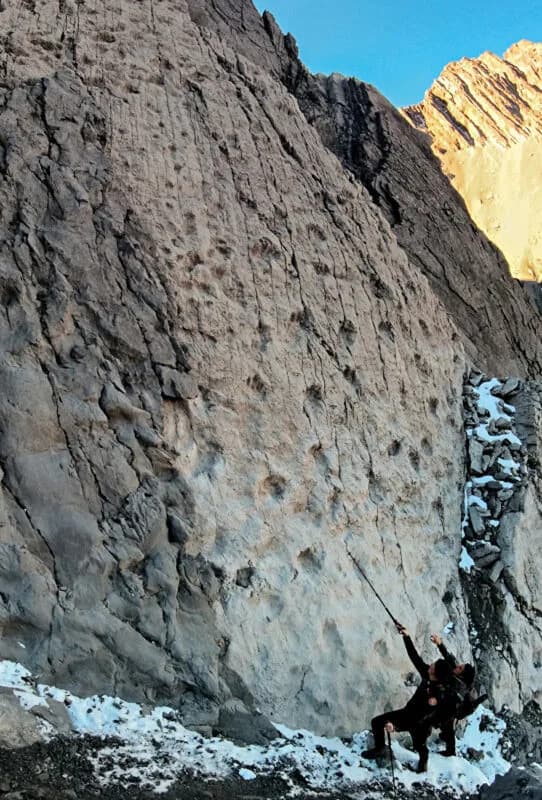
Although the landscape is largely arid today, about 150 million years ago a vast river system regularly swept dinosaur carcasses downstream, burying many remains in sandstone and conglomerate deposits. This process produced one of North America's most diverse and well-preserved collections of Jurassic megafauna. Visitors to the monument can see species such as Allosaurus, Deinonychus and Stegosaurus on display.
Excavation, Preparation And Display
After the discovery was confirmed, paleontologists worked alongside park staff, the Utah Conservation Corps and local volunteers from September into October 2025 to remove roughly 3,000 pounds of rock and fossil-bearing matrix. The recovered material was transported to the Utah Field House of Natural History State Park Museum in Vernal, Utah, where members of the public can observe fossil preparation in the museum's lab.
Additional specimens remain on public display at Dinosaur National Monument’s Quarry Exhibit Hall—commonly called the Wall of Bones—which sits above an intact portion of the original Carnegie quarry and contains an estimated 1,500 fossils still embedded in rock.
Broader Impact And Town History
Researchers continue to clean, catalog and study the parking-lot finds, which broke a roughly 101-year lull in fossil discoveries for the nearby town of Dinosaur, Colorado. The town itself underwent several name changes: it was originally Baxter Springs, renamed Artesia during a 1940s oil rush, and adopted the name Dinosaur in 1966.
Why it matters: The find highlights how richly fossiliferous the region remains and how routine construction can unexpectedly reveal scientifically important material. Ongoing preparation and study may yield new insights into sauropod anatomy and the region’s paleoecology.
Help us improve.