A routine parking-lot resurfacing project at Dinosaur National Monument exposed dinosaur-bearing sandstone near the Quarry Exhibit Hall, prompting park staff to halt construction on Sept. 16. Crews recovered roughly 3,000 pounds (≈1,360 kg) of fossil material, likely from a Diplodocus, which is now being prepared at the Utah Field House in Vernal. Some specimens are already on display, and the completed project includes new accessibility and paving upgrades around the exhibit hall.
Diplodocus Fossils Unearthed During Parking Lot Work at Dinosaur National Monument — First Discovery in Over a Century
Dinosaur fossils unearthed during parking lot construction at national park
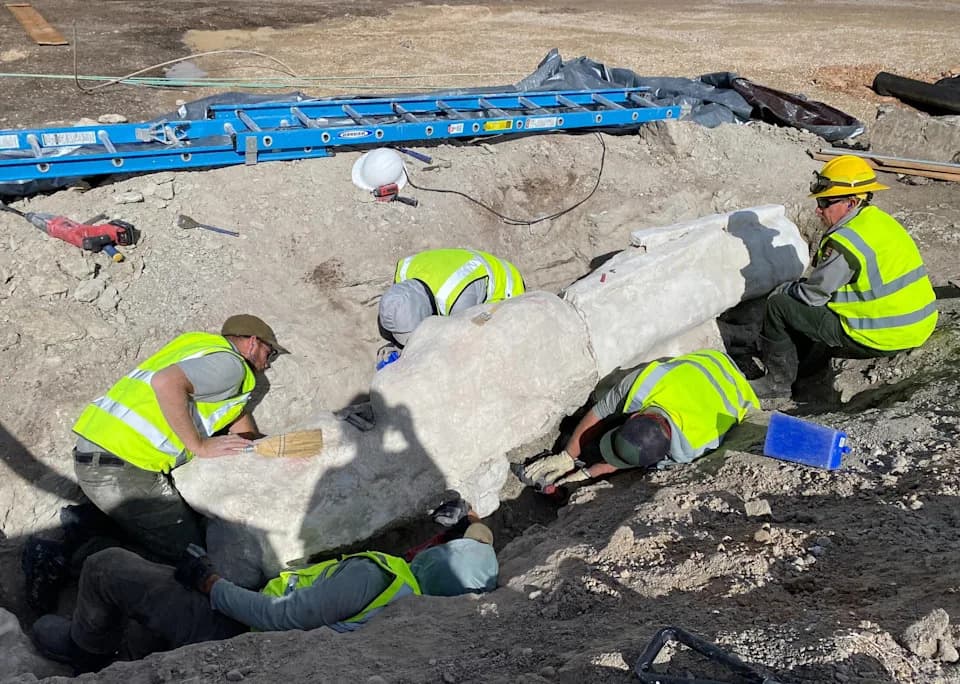
Construction to resurface a parking area near the Quarry Exhibit Hall at Dinosaur National Monument revealed dinosaur-bearing sandstone in mid-September, leading park staff to identify fossilized remains and immediately halt work on Sept. 16 so paleontologists could evaluate the site.
What Was Found
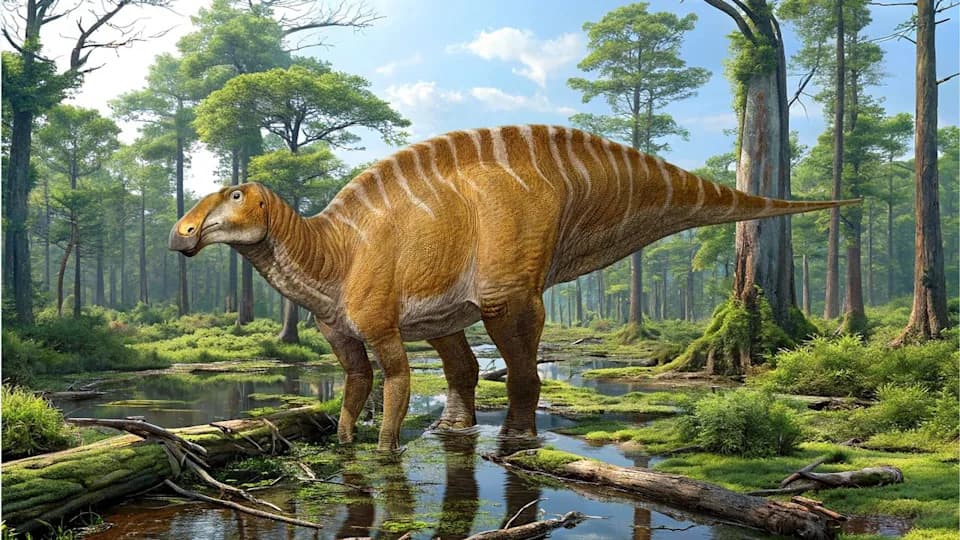
Park scientists say the newly exposed bones are likely from a large, long-necked sauropod in the Diplodocus group — a species commonly associated with the monument’s historic bonebed. Between mid-September and mid-October, crews removed roughly 3,000 pounds (about 1,360 kg) of fossil material and surrounding rock matrix for conservation and study.
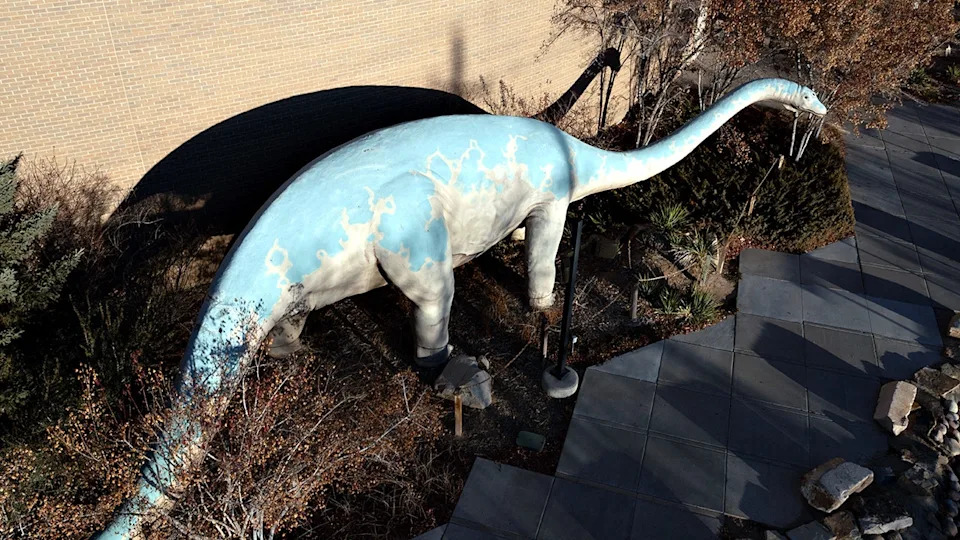
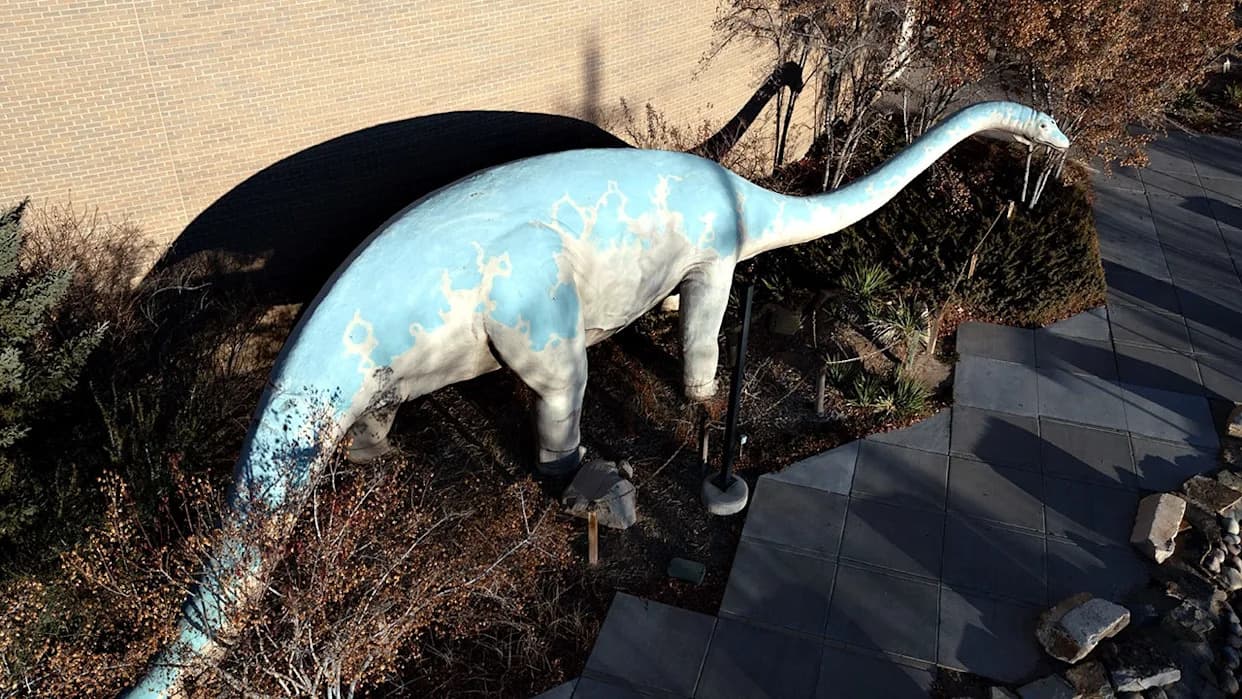
In this undated photo, a full-size model of a Diplodocus is seen in the Dinosaur Garden at the Natural History Museum in Vernal, Utah.(Getty Images)
Who Was Involved
Excavation and recovery work was carried out by park staff alongside a Utah Conservation Corps crew, volunteers and construction workers. The coordinated effort prioritized careful removal and documentation so the specimens could be preserved and studied.
Where the Material Is Now
The fossils and matrix are being prepared and examined at the Utah Field House of Natural History State Park Museum in Vernal. Visitors can observe the cleaning and conservation process in the museum’s fossil lab. Some of the newly recovered specimens are already on public display at the Quarry Exhibit Hall — often called the "Wall of Bones" — and at the Utah Field House.
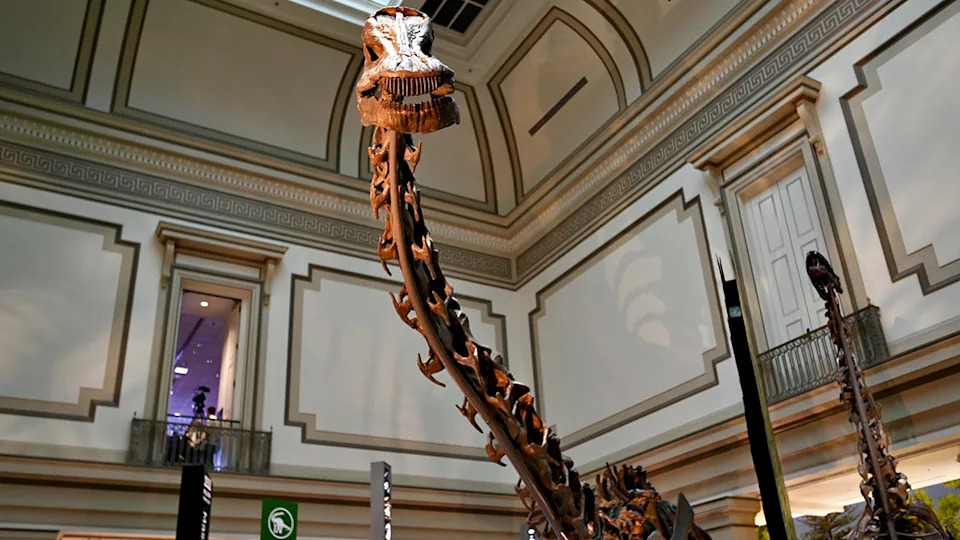
A Diplodocus skeleton looms over the fossil hall at the National Museum of Natural History in Washington, D.C., on June 08, 2019. The species lived 152 million years ago.
Historical Context
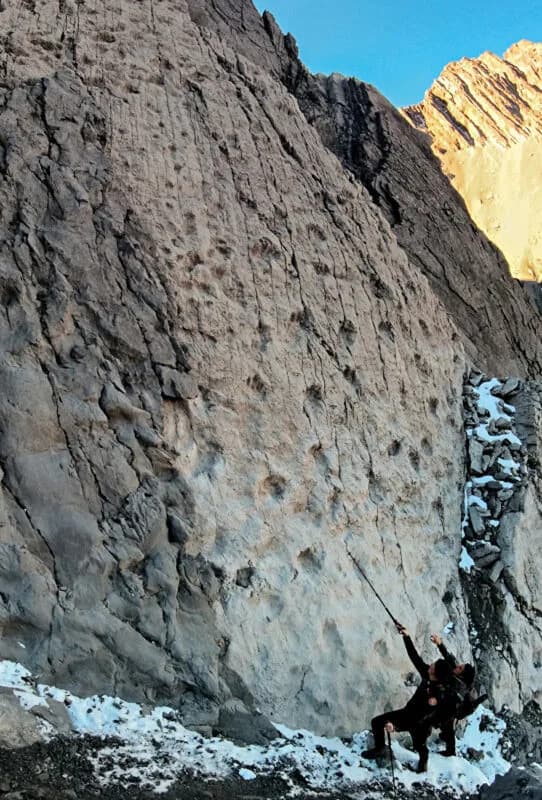
The area around the Quarry Exhibit Hall had not been excavated since 1924, when early 20th-century digs led by teams from the Carnegie Museum, the Smithsonian National Museum of Natural History and the University of Utah concluded. Dinosaur National Monument was established in 1915, and the exhibit hall sits atop the original Carnegie quarry, where roughly 1,500 dinosaur fossils remain embedded in rock.
Next Steps
After paleontological work on the new find was finished, crews completed the parking lot and road improvements, including new concrete and asphalt surfaces and accessibility upgrades near the exhibit hall. Researchers continue to study the specimens to confirm species identification, understand the specimens' context within the bonebed, and prepare material for future exhibits and research.
Help us improve.