New genomic analysis of more than 100 heartworm (Dirofilaria immitis) genomes reveals distinct continental lineages, suggesting the parasite dispersed with canid hosts over millions of years rather than spreading solely through recent human-mediated dog movements. The study finds Australian heartworms share ancestry with Asian lineages, consistent with dingo arrival ~4,000 years ago, though sample sizes remain limited. Regional genetic differences should inform treatment, surveillance and strategies to manage emerging drug resistance as climate change and pet travel reshape distributions.
Heartworms May Be Millions Of Years Older Than We Thought — Genomes Reveal Distinct Continental Lineages

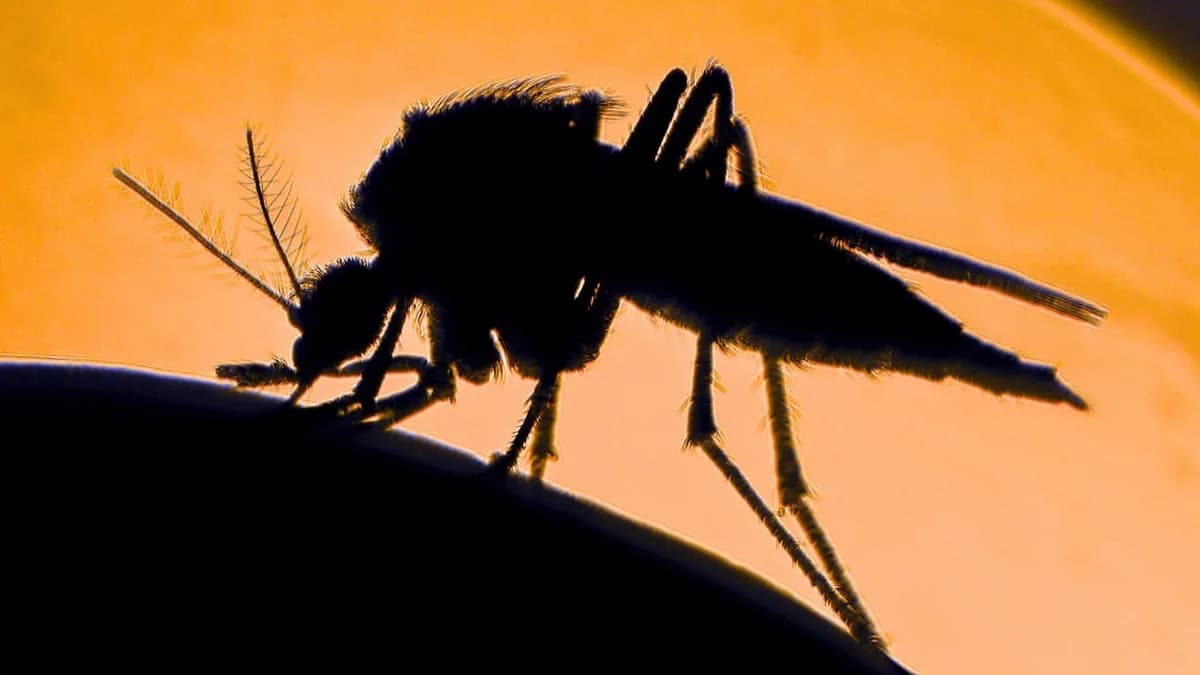
Lead image: Pexels / Pixabay(Nautilus)
Heartworm infections are rising in dogs: in 2022 more than 1.2 million U.S. dogs were diagnosed with the parasite, and incidence has climbed steadily over the past two decades. New genomic evidence suggests that these parasites, Dirofilaria immitis, have a deeper and more complex evolutionary history than previously believed, with distinct genetic lineages across continents.
Study and Methods
An international team sequenced and analyzed more than 100 heartworm genomes collected from domestic dogs and wild canids in Australia, the United States, Central America, Europe and Asia. By comparing genomes across regions, the researchers reconstructed how parasite populations diverged over evolutionary time and tested whether recent human-mediated dog movement fully explains the parasite's global distribution.
Key Findings
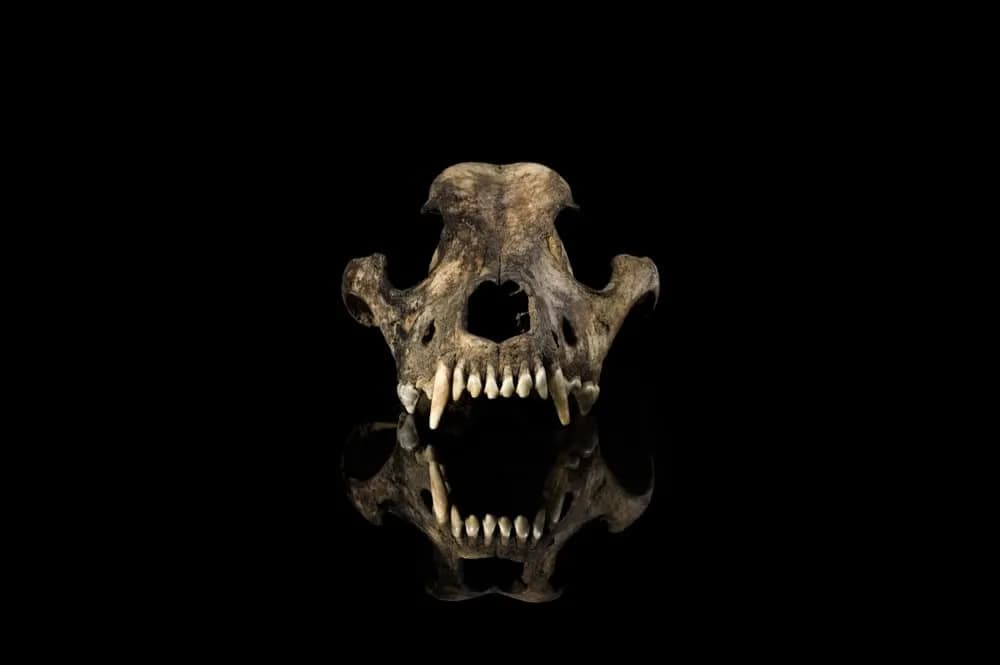
The study, published in Communications Biology, reports clear genetic differences between heartworms from different continents, consistent with an ancient dispersal alongside canid hosts rather than only a recent, human-driven spread. The data align with scenarios in which canid migrations during interglacial periods—and isolation during ice ages—shaped parasite distribution. For example, some wolf- and coyote-like lineages may have left North America over the Bering Land Bridge millions of years ago, and heartworms likely traveled with them.
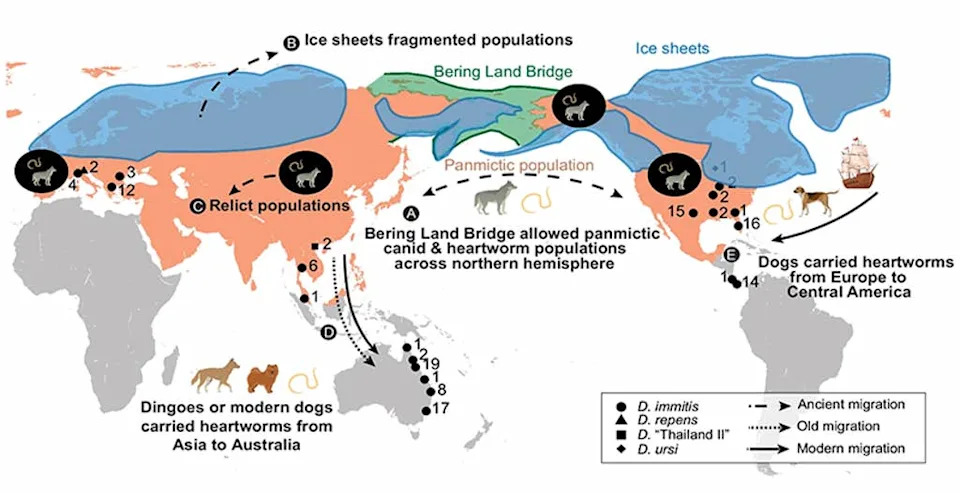
WANDERING WORMS:A diagram of possible canid and heartworm journeys throughout the world and across time.Image from Power, R.,et al. Communications Biology(2025).
On a more recent timescale, Australian heartworm samples show affinities with Asian lineages, consistent with the arrival of dingoes roughly 4,000 years ago. The authors caution that their sample size remains limited, so later introductions during European colonization cannot yet be ruled out.
“What we can say with confidence is that heartworm evolution is far older and more complex than a simple story of parasites hitchhiking with modern dogs,” said Jan Slapeta, a co-author and veterinary parasitologist at the University of Sydney.
Practical Implications
These findings matter for veterinary medicine and public health. Heavy use of parasiticides has already selected for some drug-resistant heartworm populations in parts of the world, and recognizing regional genetic differences can help tailor treatments, surveillance and resistance-management strategies. The authors also note that climate change and increased travel with pets will continue to influence where heartworms thrive and how they adapt.
What’s Next
To draw firmer conclusions about timing and routes of global dispersal, researchers need broader sampling from more regions and host species. For now, the take-home message is that heartworms are not uniform worldwide—local evolutionary history matters when responding to disease and drug resistance.
Originally reported in Nautilus. Study published in Communications Biology.
Help us improve.