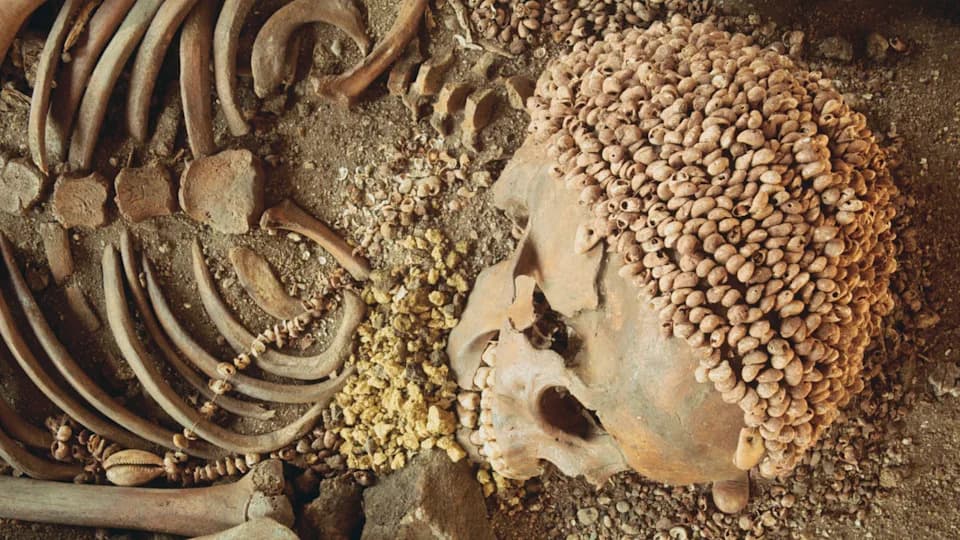
The genome of Treponema pallidum was recovered from a 5,500-year-old tibia found at Tequendama, Colombia, representing the oldest known treponemal sequence. Designated TE1-3, this lineage sits outside modern syphilis, yaws and bejel strains and likely diverged ~13,700 years ago, far earlier than the ancestors of today’s subspecies. The study used very deep shotgun sequencing (~1.5 billion fragments) to detect scarce bacterial DNA without enrichment, but it does not settle the question of how modern disease syndromes originated.
Ancient Colombian Tibia Yields Oldest Treponema pallidum Genome — Rewriting The Timeline For Treponemal Infections

syphilis (photo credit: INGIMAGE)
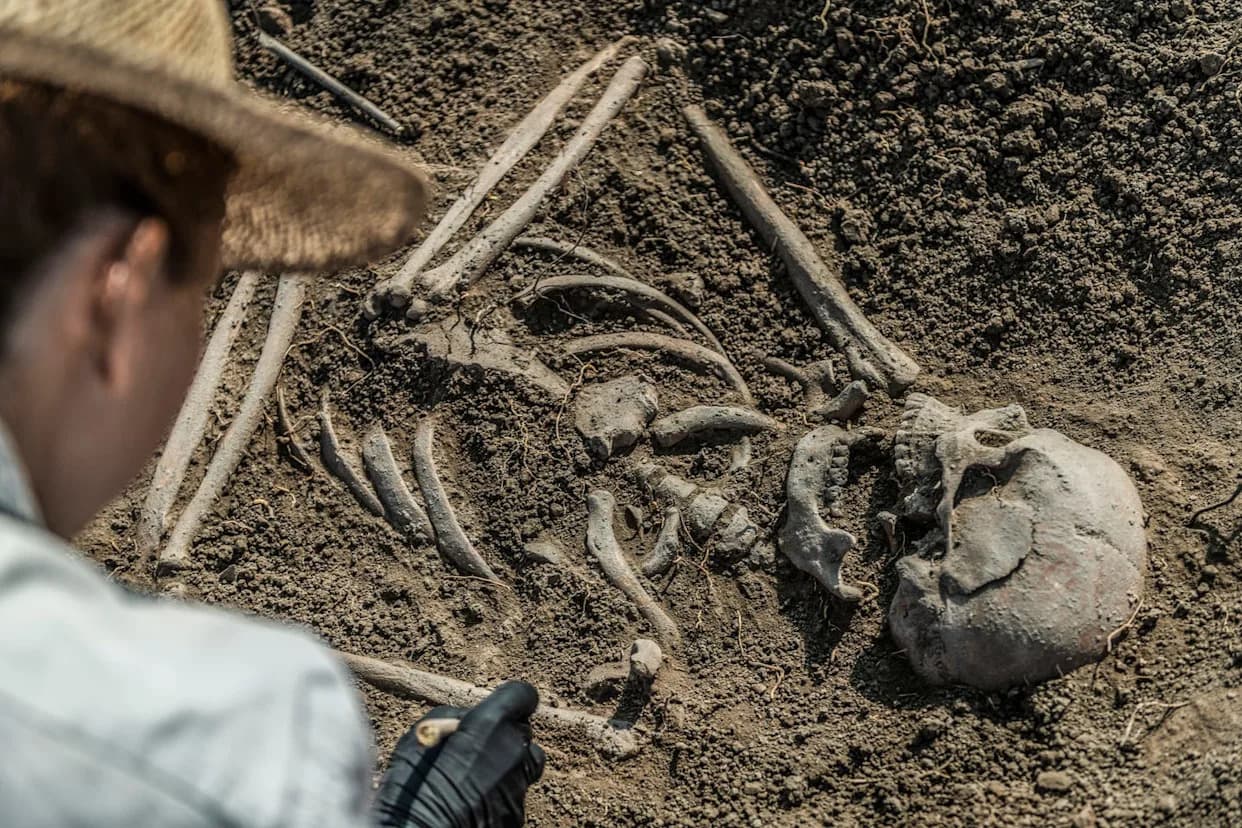
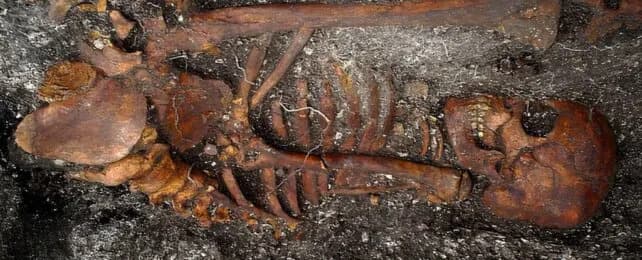
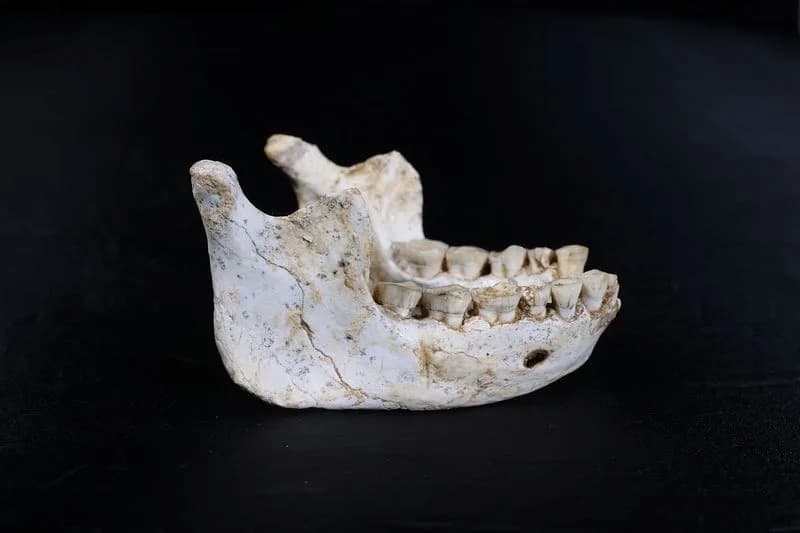
Ancient DNA extracted from a 5,500-year-old human tibia recovered at the Tequendama rock shelter on the Sabana de Bogotá, Colombia, produced the oldest known genome of Treponema pallidum to date. Published in Science in late January, the study describes a previously unrecognized treponemal lineage that deepens our understanding of the pathogen’s long evolutionary history.
A Distinct, Very Ancient Lineage
The newly described lineage, designated TE1-3, does not match the genomes of modern syphilis (T. pallidum pertenue), yaws, or bejel, indicating it represents a distinct branch of treponemal bacteria. Despite the absence of classic bone lesions associated with advanced treponemal disease, the tibia preserved enough bacterial DNA to reconstruct the genome.
What the Dates Suggest
Lead author Davide Bozzi and colleagues report that evolutionary modeling places TE1-3’s divergence at roughly 13,700 years ago, while the three modern T. pallidum subspecies likely separated around 6,000 years ago. The team notes the split from other lineages could exceed 10,000 years, pushing back the association between T. pallidum and humans by millennia.
“Current genomic evidence… does not resolve the long-standing debate… but it does show there’s this long evolutionary history of treponemal pathogens,” — Co-author Elizabeth Nelson.
Implications and Limitations
The Colombian genome anchors greater treponemal diversity in the Americas thousands of years before clear European documentary records of syphilis in the late 15th century, strengthening the hypothesis that treponemal pathogens were present in the Americas long before European contact. However, the study does not demonstrate how modern disease syndromes—such as sexually transmitted syphilis versus skin-limited pinta or yaws—originated or how this particular individual acquired the infection.

An illustrative image of a virus. (credit: INGIMAGE)
Anna-Sapfo Malaspinas highlights one possibility: TE1-3 may represent an ancient form related to pinta, a skin-limited treponematosis still reported in parts of Central and South America, though current evidence cannot confirm this.
Methods and Ethical Practice
The project used exceptionally deep shotgun sequencing—approximately 1.5 billion genetic fragments—generated initially to study human population history. This depth allowed researchers to detect scarce bacterial reads without using targeted pathogen-enrichment methods. Sampling from the tibia, a bone not typically targeted for ancient pathogen recovery, shows that remains without visible lesions can still preserve retrievable pathogen DNA.
The team shared their results with local communities in Colombia and obtained all required permits before publication. Archaeologist Miguel Delgado emphasized that engaging scholars, students, and Indigenous and non-Indigenous community members helps ensure ethical communication of findings.
Takeaway
TE1-3 expands the known genetic diversity of treponemal bacteria and pushes back the timeline for their association with humans, but it does not by itself resolve where or how the disease syndromes recognized today first arose.
Help us improve.