New research analyzing 643 dog skulls across about 50,000 years finds that substantial physical diversity among dogs began soon after domestication, not only in the Victorian era. The study’s oldest confirmed dog skull dates to roughly 11,000 years ago (Russia). Skull size initially declined, then rose around 7,700 years ago, and skull-shape variability increased from about 8,200 years ago. While Neolithic diversity exceeded Pleistocene levels, modern selective breeding over the past 200–300 years produced many of today’s extreme forms.
11,000-Year-Old Dog Skull Shows Breed Diversity Began Millennia Before the Victorians
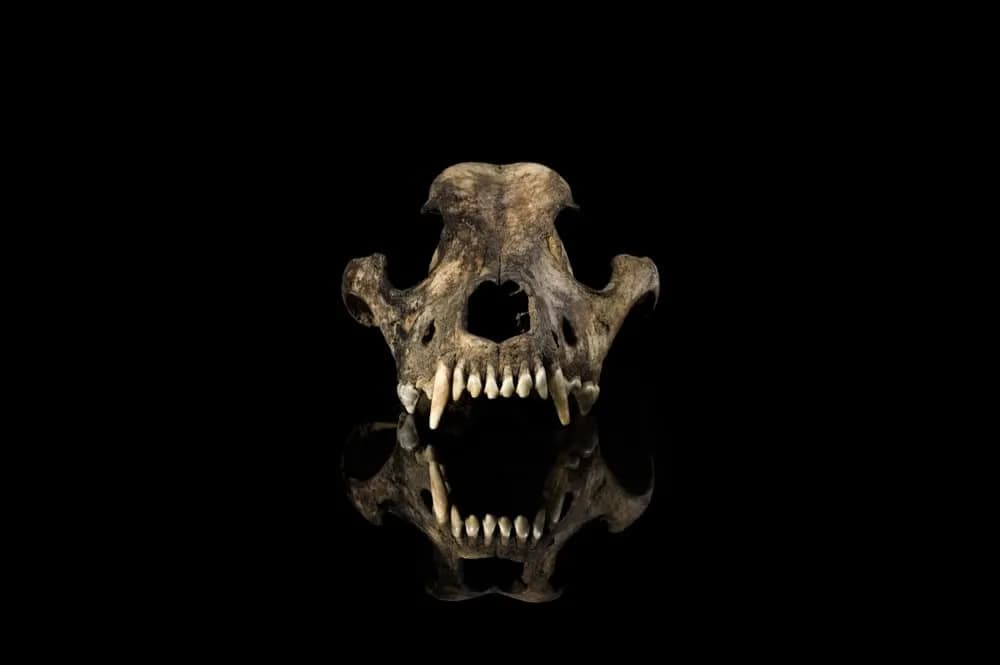
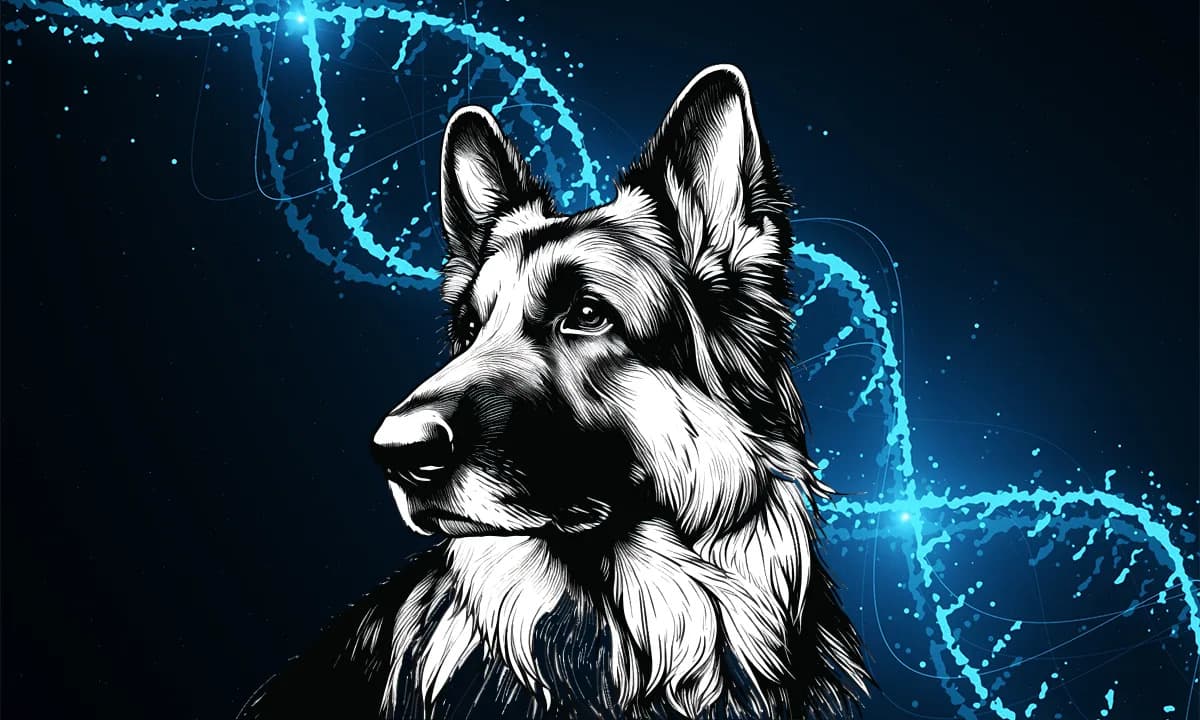
dog skull front view isolated black background with mirror reflection© mineral vision/Shutterstock.com
Dogs were domesticated roughly 11,000 years ago, and a major new morphological study of ancient skulls is changing how we think about when breed diversity first appeared.
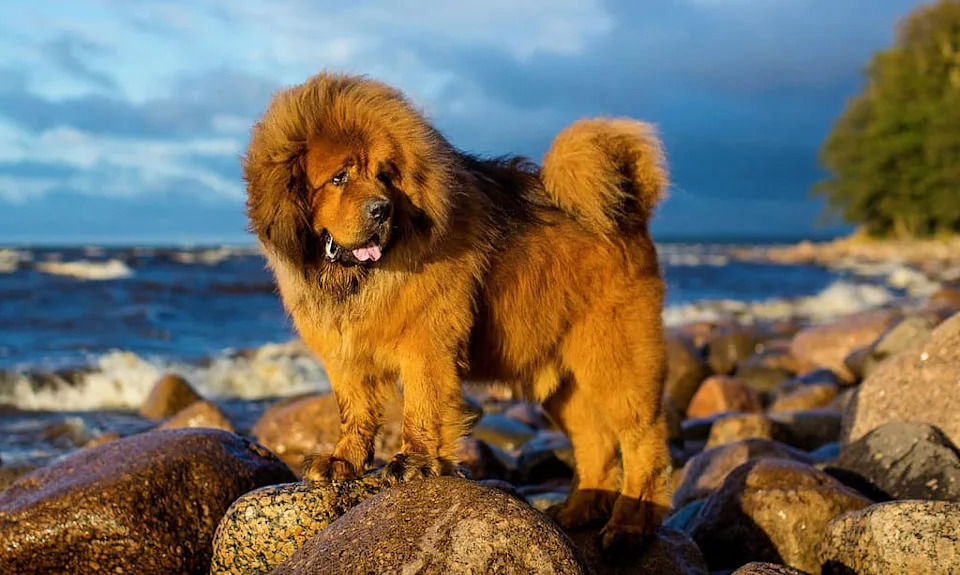
Tibetan mastiffs can thrive at high altitudes.©Kat_marinina/Shutterstock.com(Kat_marinina/Shutterstock.com)
Early Domestication and Two Phases of Change
Researchers typically describe dog domestication as a two-phase process: first, wild gray wolves were transformed into early dogs; second, those early dogs were later shaped into the wide variety of breeds we know today. Genomic evidence places the origin of domestication in the Mesolithic — before agriculture — when hunter-gatherers formed close relationships with a now-extinct population of Old World gray wolves.
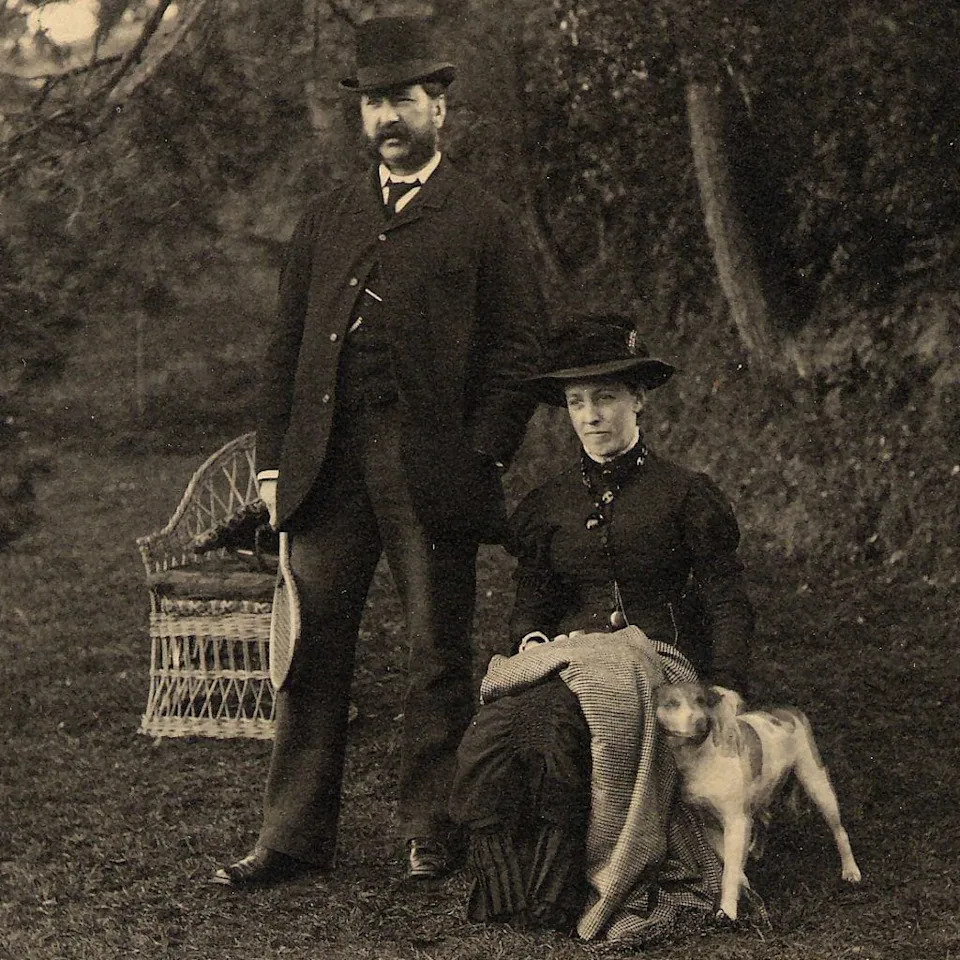
Victorians took dog breeding to another level.©Historic Family Photograph, Public domain, via Wikimedia Commons –Original/License(Historic Family Photograph, Public domain, via Wikimedia Commons)
The Study That Rewrote the Timeline
A team led by the University of Exeter and France’s CNRS published a landmark analysis in Science (November 2025). The researchers examined 643 skulls spanning roughly 50,000 years — from the Pleistocene through to the present — and created detailed 3D models to compare skull size and shape across time.
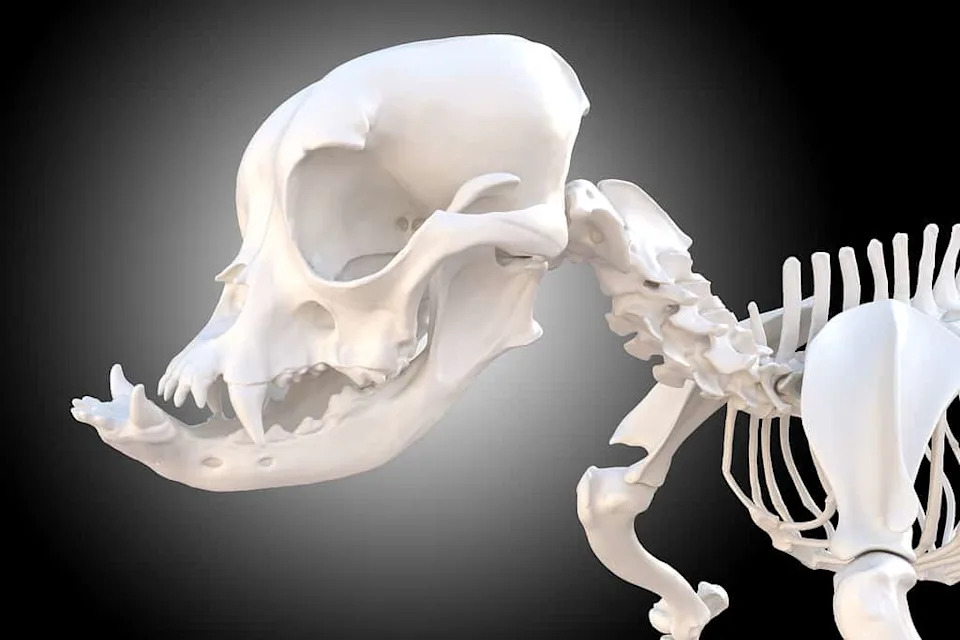
Scientists studied ancient and modern dog skulls.©humonia/iStock / Getty Images Plus via Getty Images(humonia/iStock / Getty Images Plus via Getty Images)
Key Findings
- Early diversity: Dogs already displayed a wide range of skull shapes and body sizes by the Mesolithic and Neolithic periods, not only after the Industrial Revolution.
- Oldest confirmed skull: The dataset’s oldest confirmed dog skull comes from Russia and dates to about 11,000 years ago.
- Size and shape shifts: Skull size initially decreased after domestication, then began to increase around 7,700 years ago, with marked increases in shape variability from about 8,200 years ago onward.
- Relative diversity: Variability in the Neolithic was roughly double that of the Pleistocene but still only about half the range seen in living dogs.
Adaptation, Selection, and the Victorian Effect
Local environmental adaptation played a role in shaping dog physiology: for example, Tibetan Mastiffs show genetic changes that improve oxygen transport for high-altitude living, and some African-associated dog lineages developed resistance to malaria. But these adaptations alone do not explain the full range of skull and body diversity.
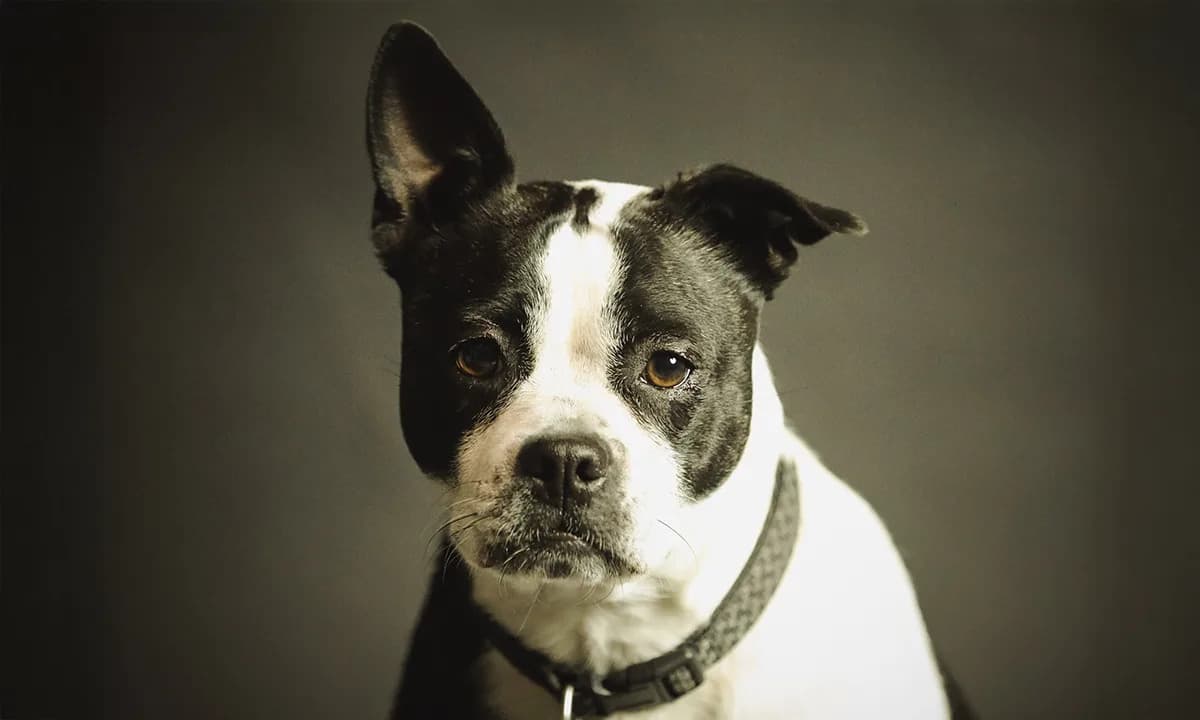
Intensive selective breeding in the last 200–300 years — especially during the Victorian era, with the rise of Kennel Clubs and formal breed standards — amplified and refined many extreme forms we recognize today (for instance, modern French Bulldogs are a recent creation).
In short, diversification accelerated soon after domestication and continued under the influence of both local adaptation and later, intensive human-directed breeding.
Why This Matters
These findings force a rethink of how tightly dog evolution has been linked to human cultural change. As human societies transitioned from hunting and gathering to agriculture and later to industrialized life, their dogs coevolved with them — fulfilling roles such as hunting, herding, guarding, and companionship. No other species is so deeply woven into human history.
Implication: Breed diversity has deep roots in prehistory, but modern breed extremes reflect a long history of both natural and human-driven selection culminating in intensified recent breeding practices.
Help us improve.