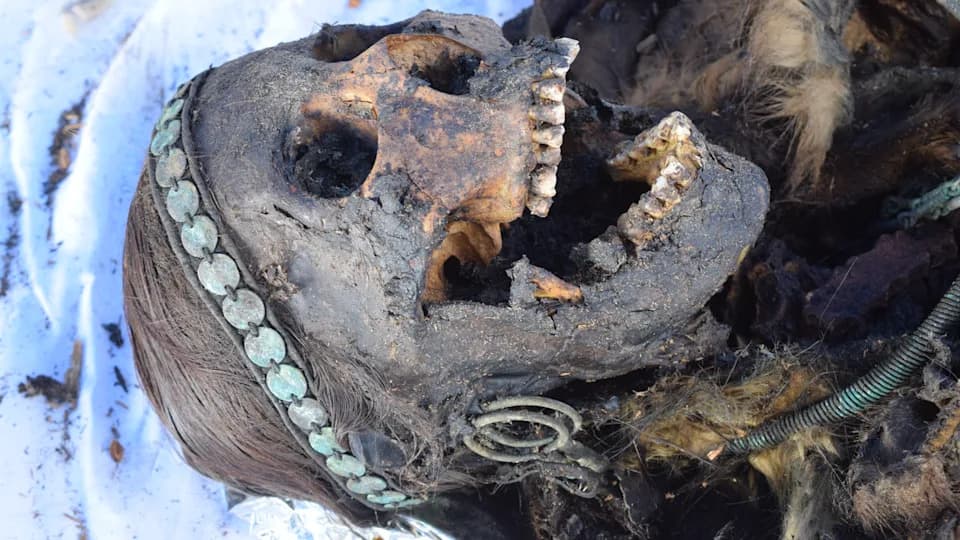
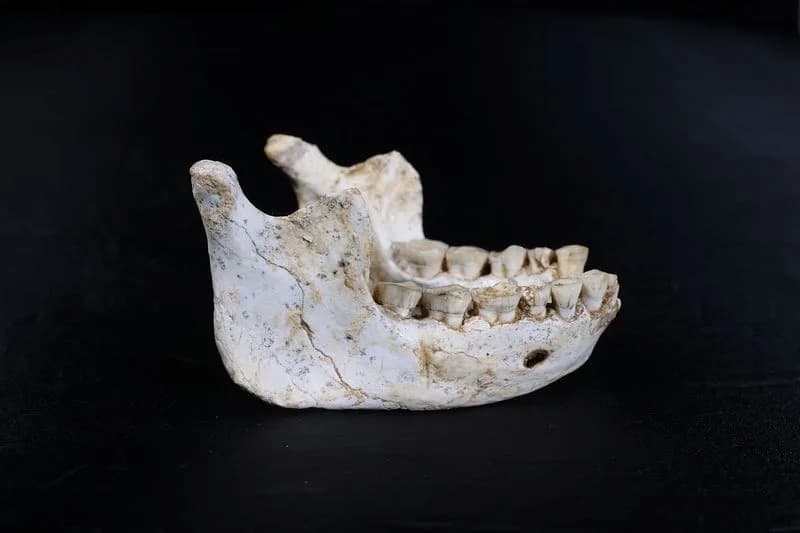
Researchers recovered DNA from a previously unknown strain of Treponema pallidum in a 5,500-year-old Colombian burial and reconstructed the oldest Treponema genome to date. Statistical dating places the lineage's divergence at roughly 13,700 years, pushing treponemal presence in South America back by at least 3,000 years. The ancient genome does not match modern syphilis, bejel, or yaws and may represent an early form related to pinta, prompting new questions about the origins and spread of treponemal diseases.
Ancient Colombian Skeleton Yields Unknown Treponema Strain — Rewrites Syphilis History
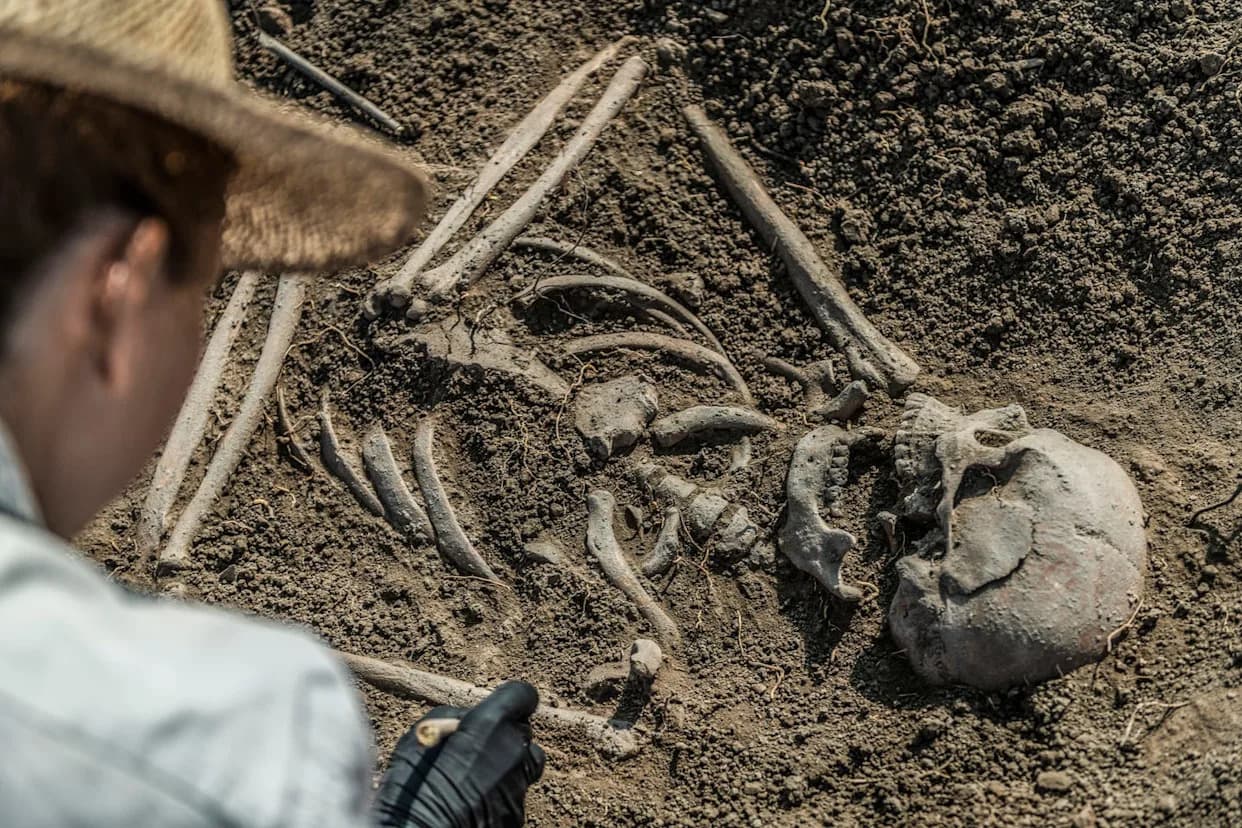
These Remains Rewrite the History of SyphilisMICROGEN IMAGES/SCIENCE PHOTO LIBRARY - Getty Images
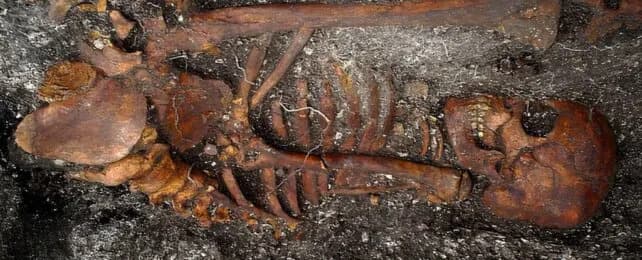
Researchers examining the skeleton of a middle-aged hunter-gatherer buried in Colombia 5,500 years ago have recovered DNA from a previously unknown strain of Treponema pallidum, the bacterium linked to syphilis and other treponemal diseases. The discovery was unexpected: the team had been studying human population history when pathogen DNA emerged from the samples.
After reconstructing what the authors describe as the oldest Treponema genome to date, the researchers identified a distinct lineage that does not match any of the genetically characterized forms that cause modern clinical syndromes. The work, published in the journal Science, reveals an early-branching member of the species and pushes back the timeline for treponemal diversity in the Americas.
Key Findings
Using ancient DNA techniques and statistical dating, the team estimates this lineage diverged roughly 13,700 years ago. That timing implies T. pallidum was present and already diversifying in South America at least 3,000 years earlier than previous genomic estimates had indicated.
Although T. pallidum today is known in several closely related variants that cause syphilis, bejel, and yaws, the newly recovered genome does not correspond to any modern form. This suggests a more complex and deeper evolutionary history for treponemal pathogens than previously appreciated.
What This Means
The discovery raises fresh questions about when, where, and how treponemal diseases emerged and spread among human populations. The researchers note that the ancient strain could represent an early form related to pinta — a poorly understood tropical treponemal disease that causes localized skin lesions and is endemic in parts of Central and South America — but emphasize that this hypothesis requires additional evidence.
Researchers say the finding 'opens new questions about the timing, routes, and drivers of treponemal spread, and the long-term interplay between these pathogens and human populations.' — from the study authors
The study blends molecular anthropology, computational biology, and paleogenomics: ancient DNA recovery, genome reconstruction, and phylogenetic dating were used to place the new lineage within the broader tree of T. pallidum diversity. While the genome does not resolve the historical origins of specific disease syndromes, it documents a long and previously unrecognized history of treponemal diversification in the Americas.
Future work will aim to sample more ancient remains across the Americas and elsewhere, refine dating estimates, and investigate whether other ancient lineages existed. The findings underscore how ancient pathogen genomics can transform our understanding of disease history and human-pathogen coevolution.
Help us improve.