A PNAS genomic analysis finds that German Shepherds accumulated most harmful genetic variants during intensive 20th‑century breeding, not at breed formation. Medieval dogs showed high heterozygosity, while historic samples reached about 19% homozygosity by 1960 and modern lines now show roughly 36%. Repeated use of a few popular male sires, selection for aesthetic traits (notably sloped hindquarters), and wartime disruptions to gene flow are key drivers. Restoring genomic health likely requires introducing new genetic diversity.
When German Shepherds Got Their 'Cursed' Genes — How 20th‑Century Breeding Shrank Their Gene Pool

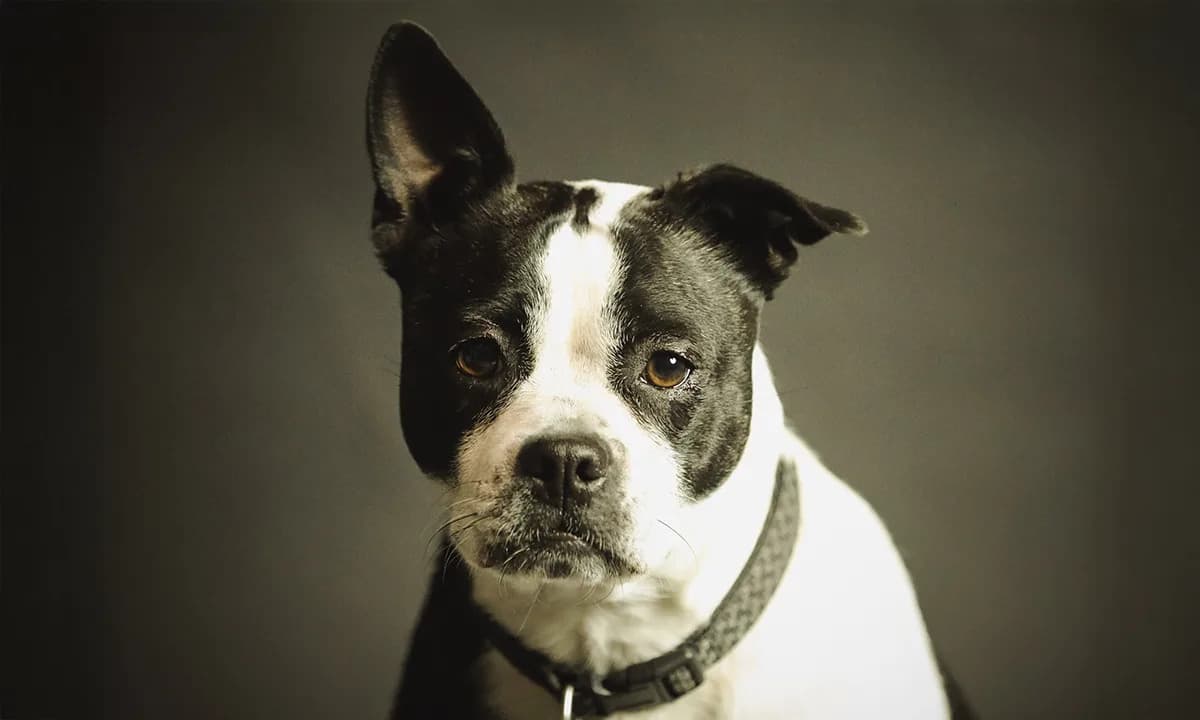
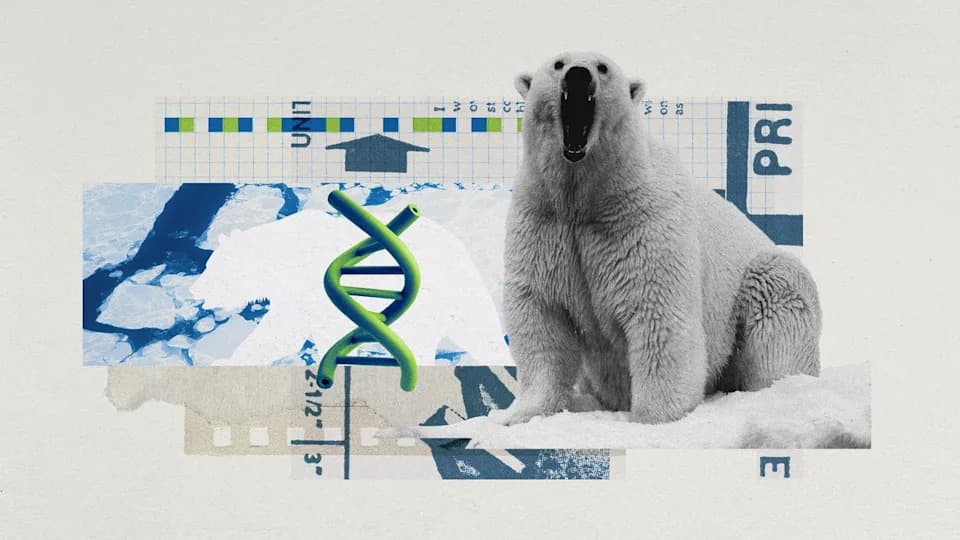
A black and white illustration of a German Shepherd over a blue dna helix background. Credit: Tasnuva Elahi; with images by McCoy_LG and Who is Danny / Shutterstock.(A black and white illustration of a German Shepherd over a blue dna helix background. Credit: Tasnuva Elahi; with images by McCoy_LG and Who is Danny / Shutterstock.)
If you own a German Shepherd, you may have noticed the breed's characteristic sloped hindquarters and a tendency toward hip problems. A recent genomic study in PNAS traces how and when German Shepherds accumulated much of their harmful genetic load — and points to intensive 20th‑century breeding practices, not the breed's original formation, as the primary cause.
What the Study Examined
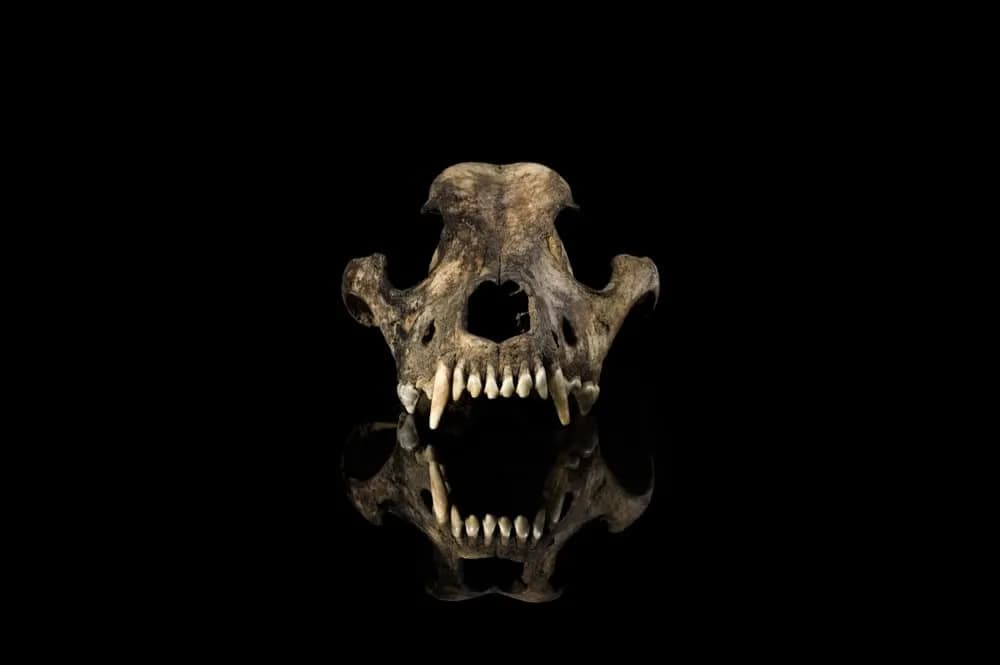
Researchers from Germany, the U.K., the U.S., and Switzerland compared three groups of genomes: medieval dogs that predate formal breeds (using an existing Lithuanian dataset), museum specimens of German Shepherds spanning 1906–1993, and a dataset of more than 2,000 modern dogs. This allowed the team to track changes in genetic diversity across time.
Key Findings
The medieval dogs showed high heterozygosity — different alleles inherited from each parent — consistent with a large, randomly mating population and relatively few long homozygous runs (identical allele pairs that increase with inbreeding).
With the rise of organized dog breeding in the 20th century, runs of homozygosity increased. In historic museum samples, short homozygous segments reached about 19% of the genome by around 1960. In modern German Shepherds, short, medium, and long homozygous segments together account for roughly 36% of the genome, indicating substantially increased inbreeding and reduced genetic diversity.
Who—and What—Drove the Decline?
The study identifies repeated, heavy use of a few popular male sires as a major driver of these losses in diversity. A sequence of popular studs created multiple genetic bottlenecks: Pollux and his grandson Horand von Grafrath (1906–1934), Klodo vom Boxberg (circa 1927), and Axel von der Deininghauserheide (1946). Geographic and historical events compounded the problem — World War II curtailed exchange of German breeding stock, and international access to new German lines was limited until German reunification in 1990.
In the 1960s, an American sire, Lance of Fran‑Jo, helped spread the pronounced sloped hindquarters typical of many American‑line German Shepherds. Continued selection for that aesthetic conformation has deepened the slope and contributed to weaker hip structure and increased risk of hip dysplasia.
'Strong artificial selection and inbreeding by humans during the second half of the 20th century to incorporate or maintain specific aesthetic criteria, rather than the formation of the breed itself, is responsible for the genomic health declines in contemporary GSDs.'
What This Means For Owners And Breeders
The findings suggest the breed's genomic health declined mainly because of recent breeding choices rather than its original foundation. Restoring genetic health will likely require introducing new gene flow (for example, outcrossing or broader sire selection) instead of attempting to reverse an old breed foundation.
For prospective owners, the practical tradeoff is clear: pedigreed lines selected for dramatic sloped backs are more likely to carry higher risk of hip and mobility problems. A mixed‑breed dog or lines managed for genetic diversity are likelier to be more robust.
Note: This story was originally featured on Nautilus. Lead image credit: Tasnuva Elahi; additional images by McCoy_LG and Who Is Danny / Shutterstock.
Help us improve.