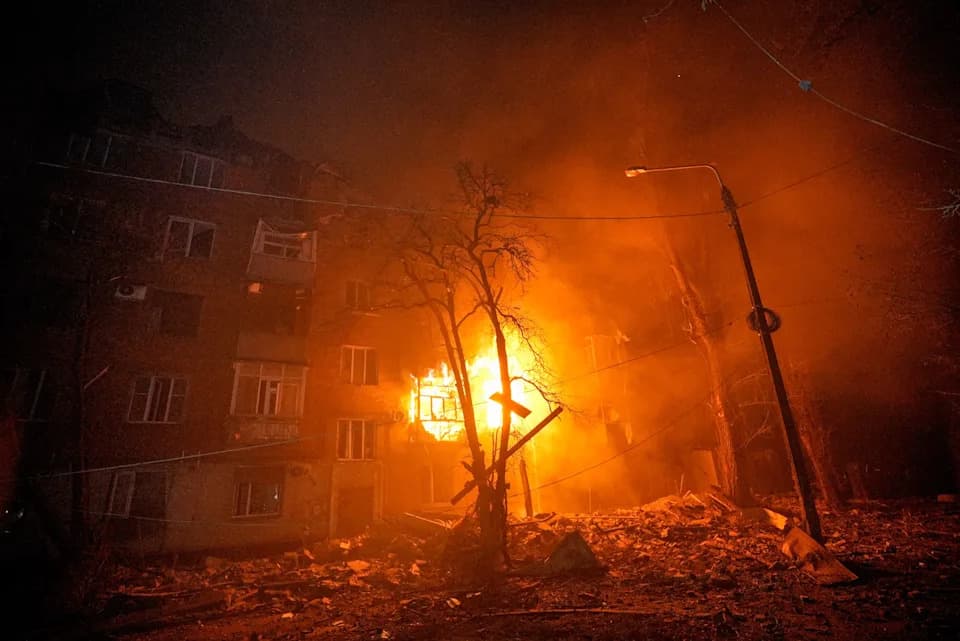
The temporary restoration of international mobile calls gave a short window into Tehran after several days of a communications blackout amid nationwide protests. Witnesses described heavy security deployments, burned banks and smashed ATMs, and internet access limited to government-approved sites. Rights monitors reported at least 646 dead and more than 10,700 detained, though independent verification remains difficult due to the shutdown. Diplomatically, Iran says it has kept channels with the U.S. open while President Trump announced 25% tariffs on countries doing business with Tehran.
Brief International Calls Resume as Tehran Reports Heavy Security, Damage Amid Deadly Protests
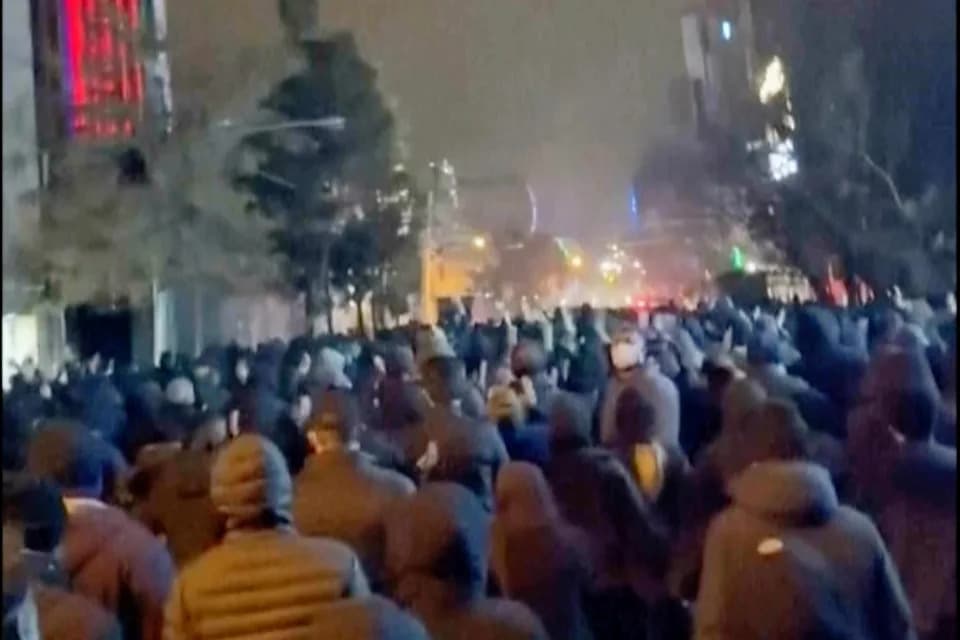
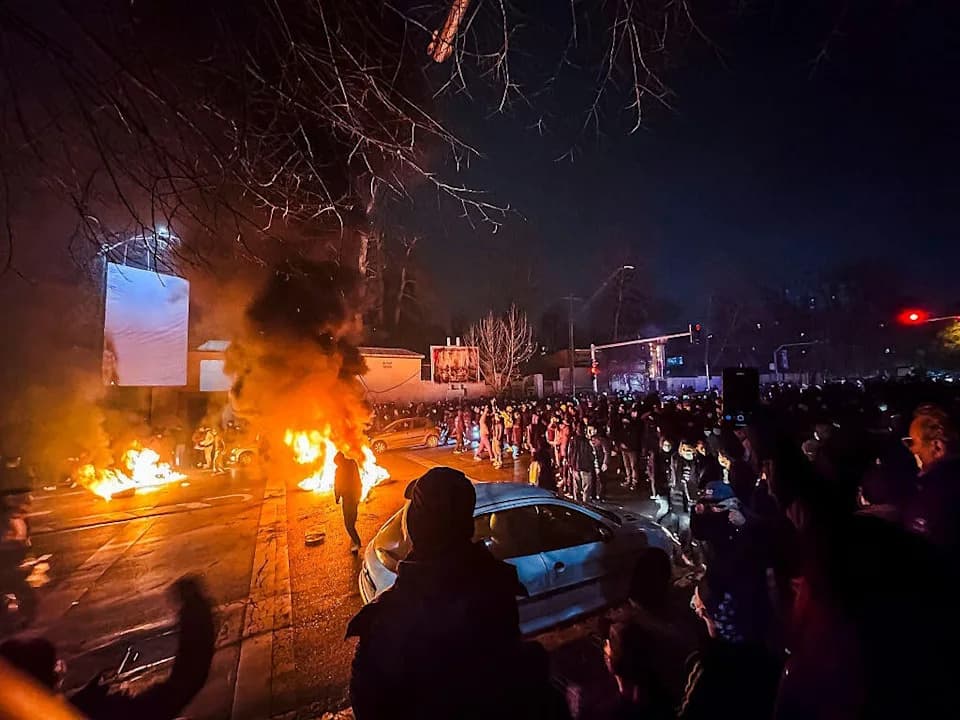
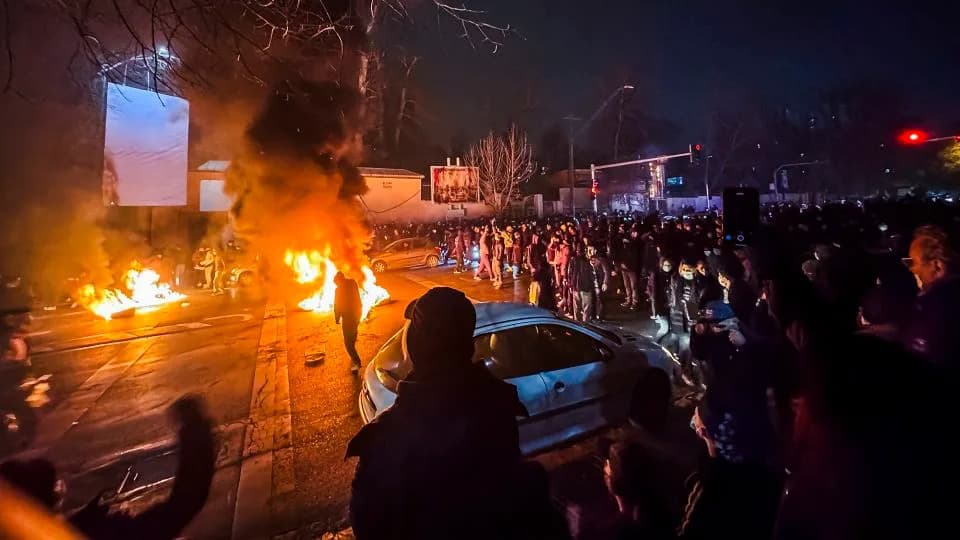
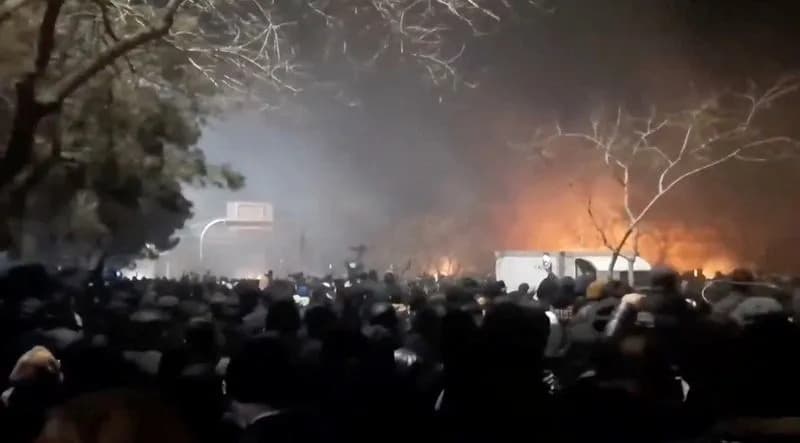
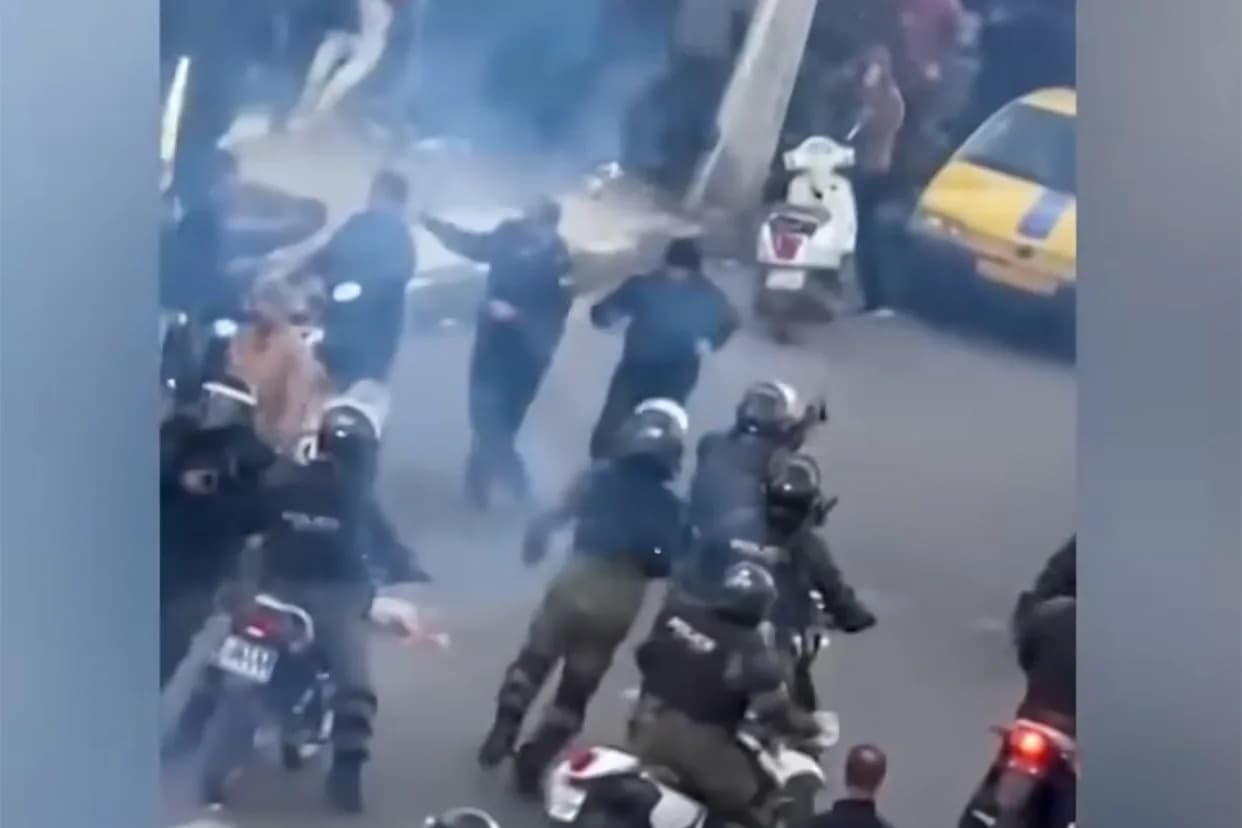
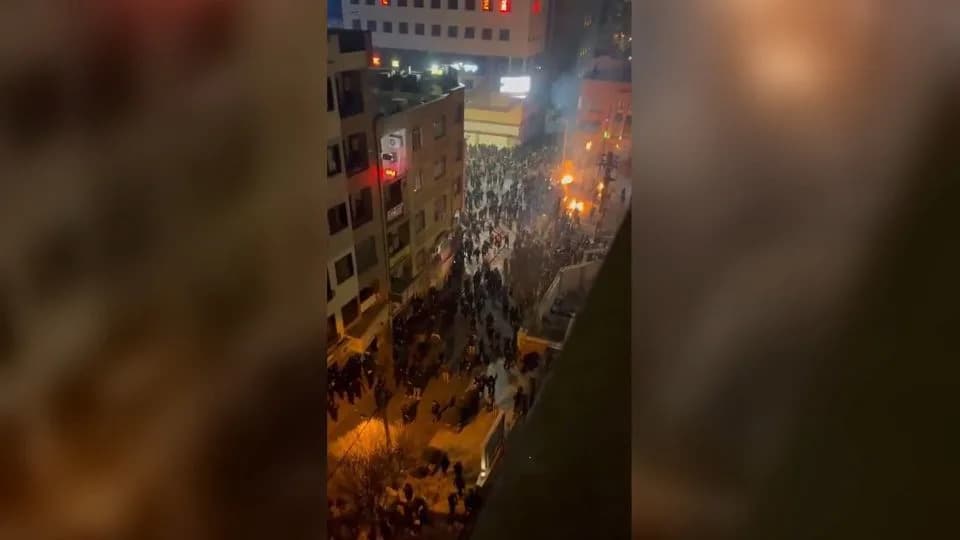
In this frame grab from footage circulating on social media from Iran showed protesters once again taking to the streets of Tehran despite an intensifying crackdown as the Islamic Republic remains cut off from the rest of the world in Tehran, Iran, Saturday Jan. 10, 2026. (UGC via AP)(ASSOCIATED PRESS)
Residents in Tehran were able Tuesday to place mobile calls abroad for the first time after several days of a communications blackout during a nationwide crackdown on protests that activists say has left at least 646 people dead.
On-the-Ground Reports
Multiple Tehran residents called The Associated Press to describe life in the capital after roughly four and a half days of isolation. The AP bureau in Dubai said it could not call those numbers back. Callers reported that SMS was still disabled and that internet access inside Iran was limited to government-approved sites, with no reliable connection to services outside the country.
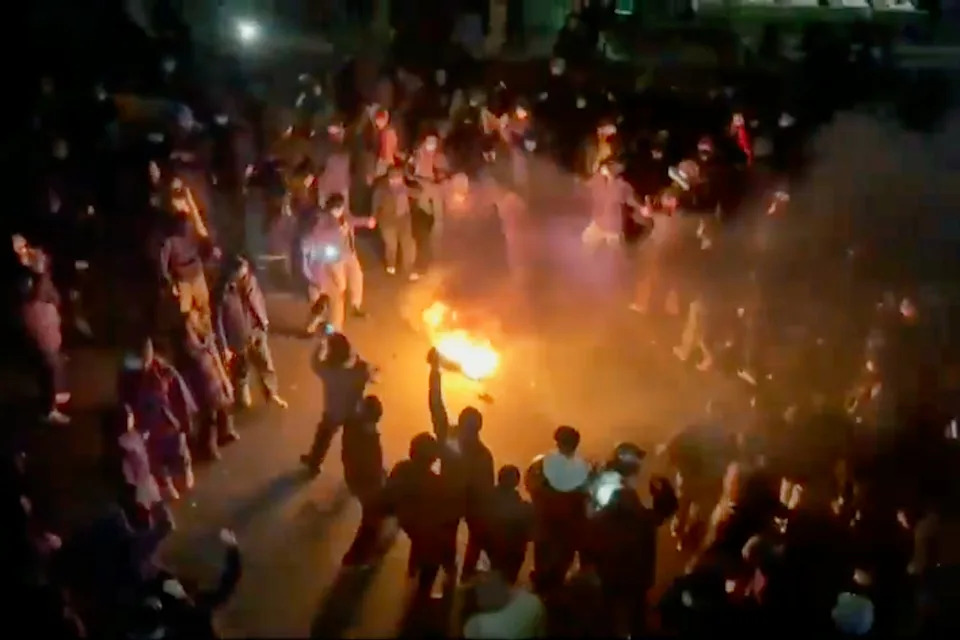
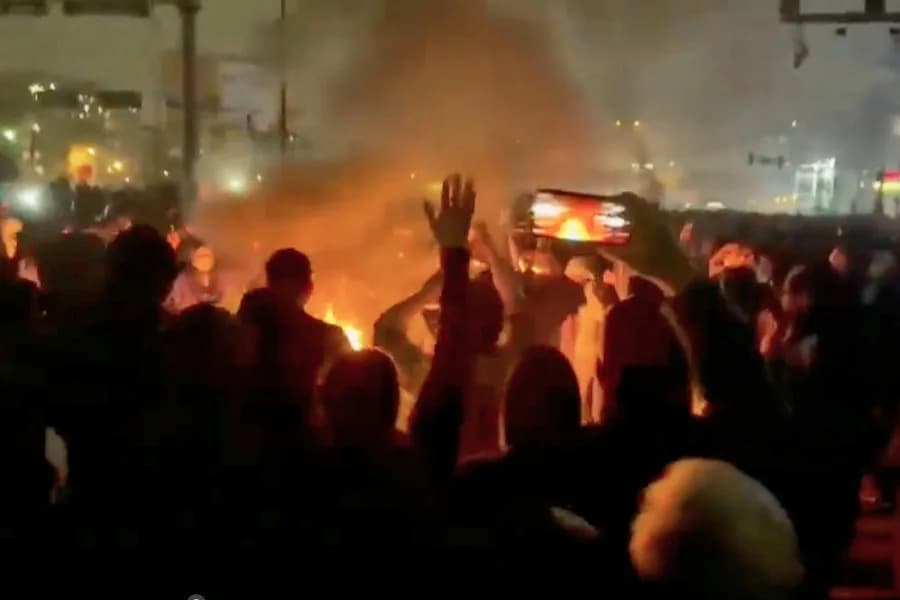
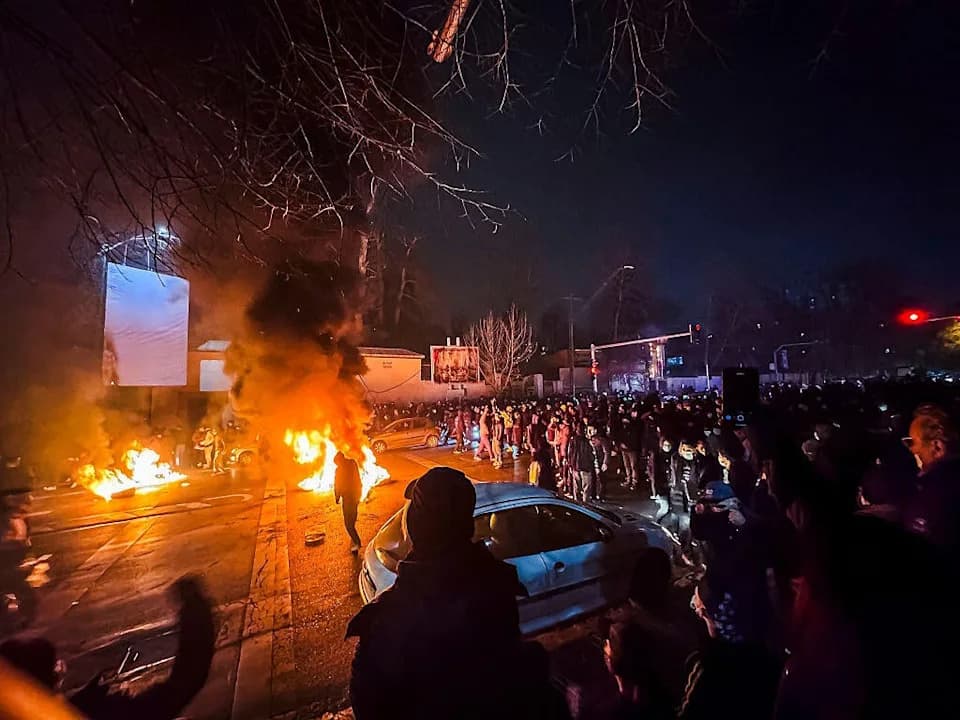
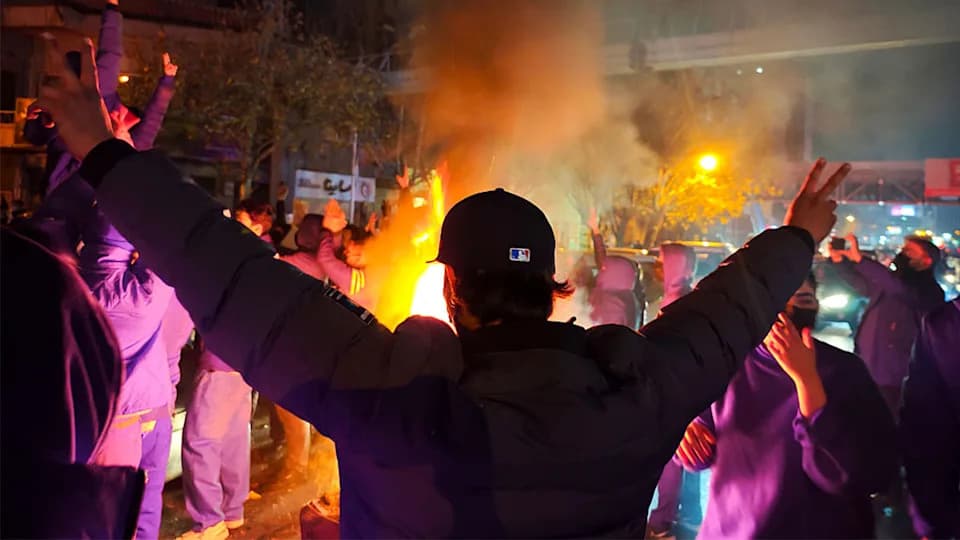
In this frame grab from footage circulating on social media shows protesters dancing and cheering around a bonfire as they take to the streets despite an intensifying crackdown as the Islamic Republic remains cut off from the rest of the world, in Tehran, Iran, Friday, Jan. 9, 2026.(UGC via AP)(ASSOCIATED PRESS)
Security presence: Witnesses described a heavy security deployment across central Tehran. Anti-riot police in helmets and body armor were stationed at major intersections carrying batons, shields, shotguns and tear-gas launchers. Members of the Revolutionary Guard’s volunteer Basij force, reportedly similarly armed, were seen nearby, and plainclothes security personnel were visible in public areas.
Damage and daily life: Several witnesses reported that banks and government offices had been set on fire and that ATMs were smashed. Banking operations were reportedly hampered by the internet outage. Shops in many neighborhoods were open but foot traffic was light. Tehran’s historic Grand Bazaar, where demonstrations began on Dec. 28, was scheduled to reopen; witnesses said some shopkeepers had been ordered by security forces to resume trading despite the unrest.
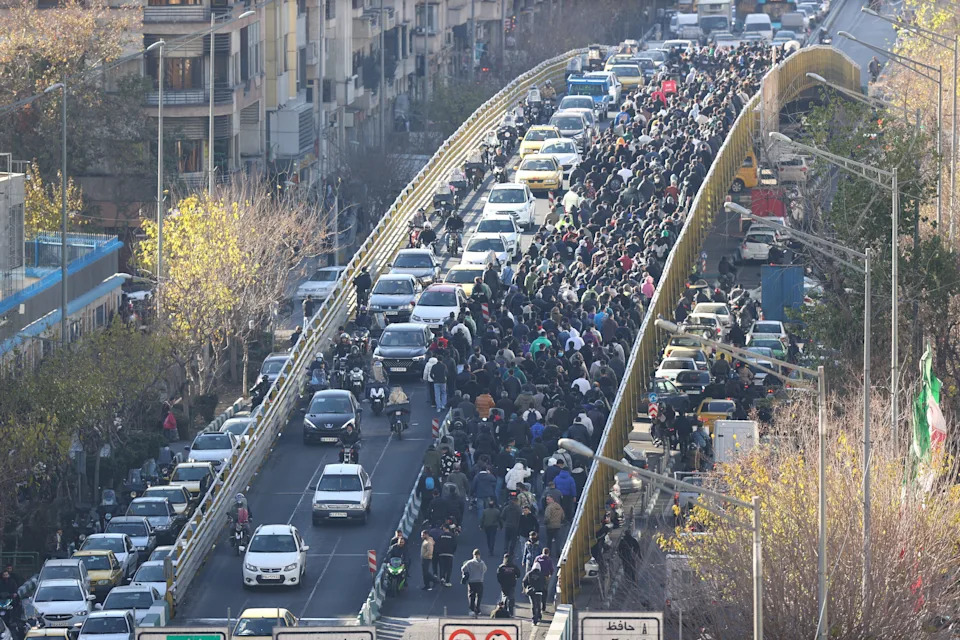
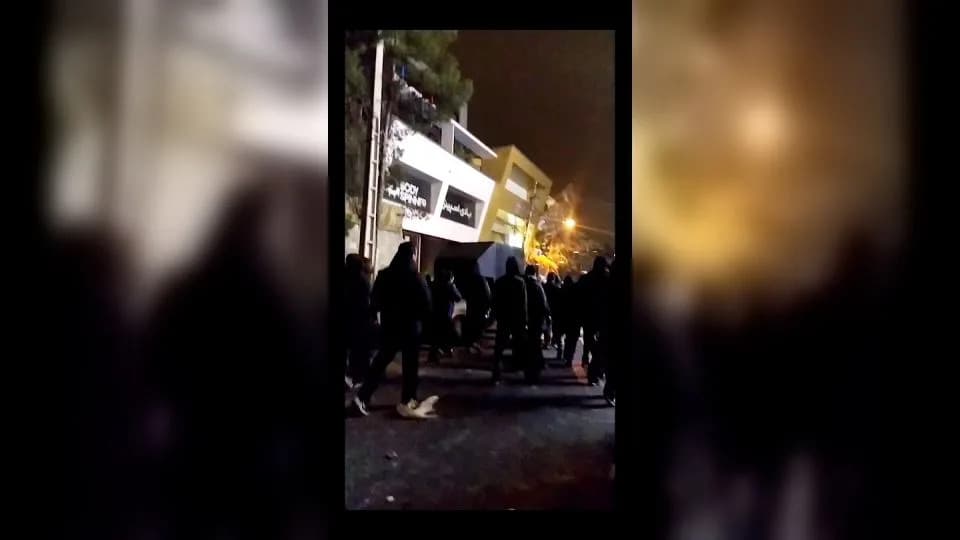
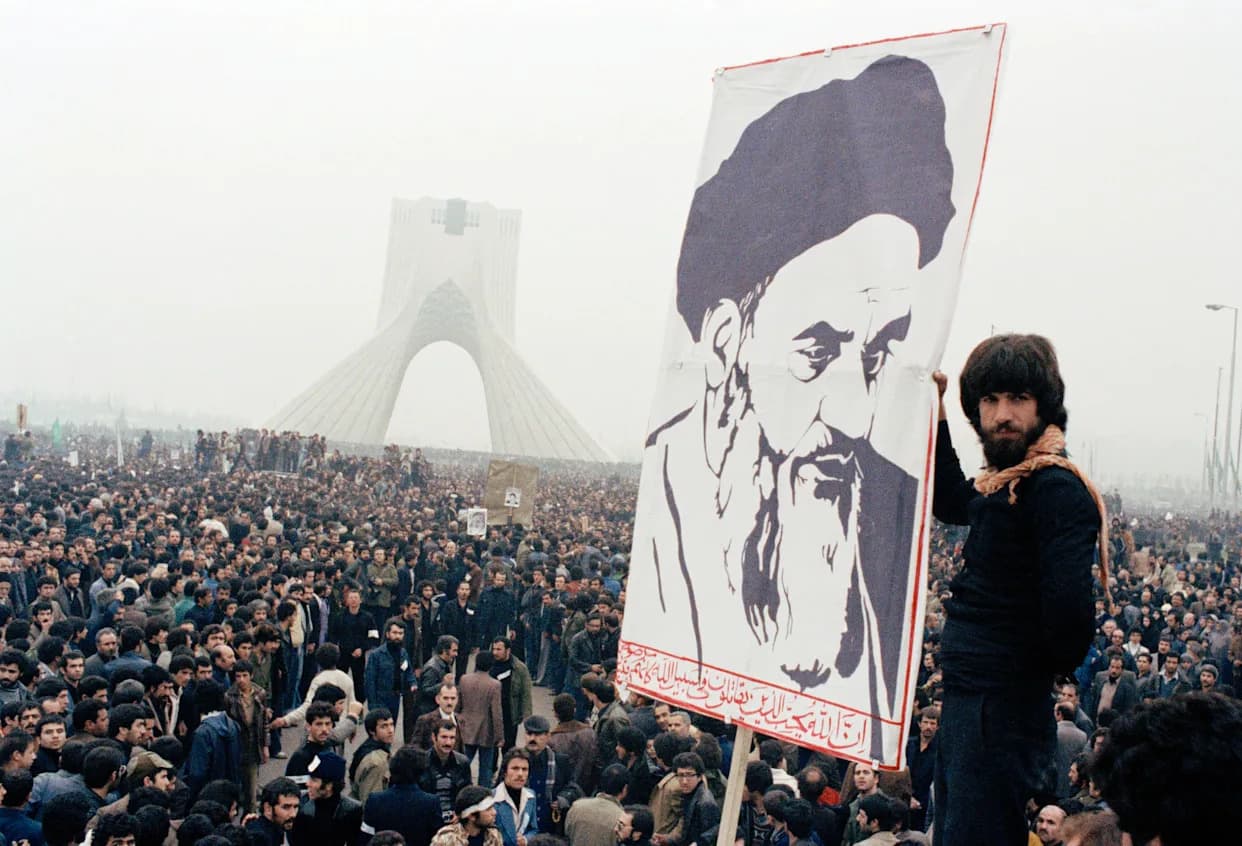
FILE - Protesters march on a bridge in Tehran, Iran, on Dec. 29, 2025. (Fars News Agency via AP, File)(ASSOCIATED PRESS)
The witnesses spoke on condition of anonymity for fear of reprisals.
Diplomatic and Political Developments
Iranian officials said they had continued communications with U.S. counterparts. Iranian Foreign Minister Abbas Araghchi told Al Jazeera that he had maintained contact with a U.S. envoy and that those communications "continued before and after the protests and are still ongoing," while characterizing U.S. proposals and threats as incompatible with Iran’s position.
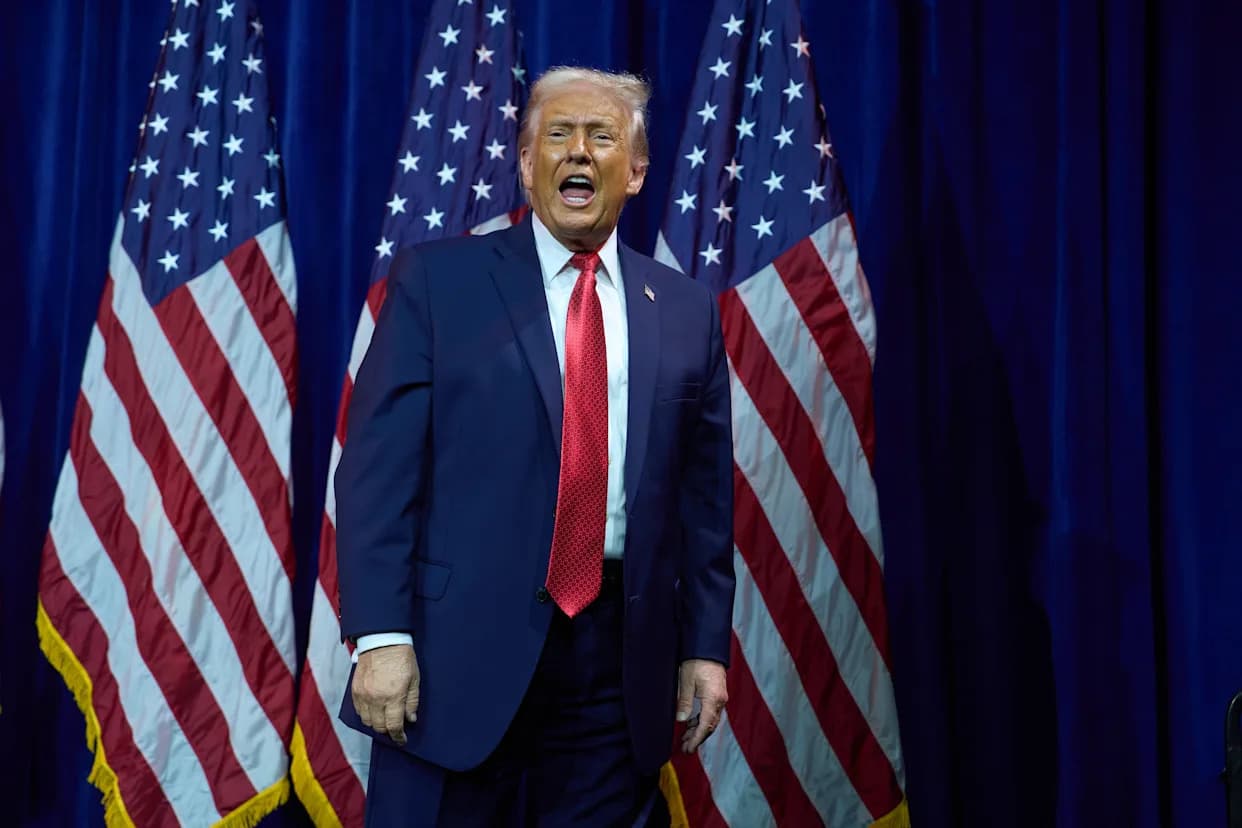
White House press secretary Karoline Leavitt said Tehran’s public rhetoric differs from private messages the administration has received, and that President Donald Trump was prepared to consider those messages while keeping military options on the table. Trump also announced via social media that the United States would impose 25% tariffs on countries doing business with Iran, calling the measure punitive pressure over Tehran’s crackdown. He named trading partners such as Brazil, China, Russia, Turkey and the United Arab Emirates among those that do business with Iran.
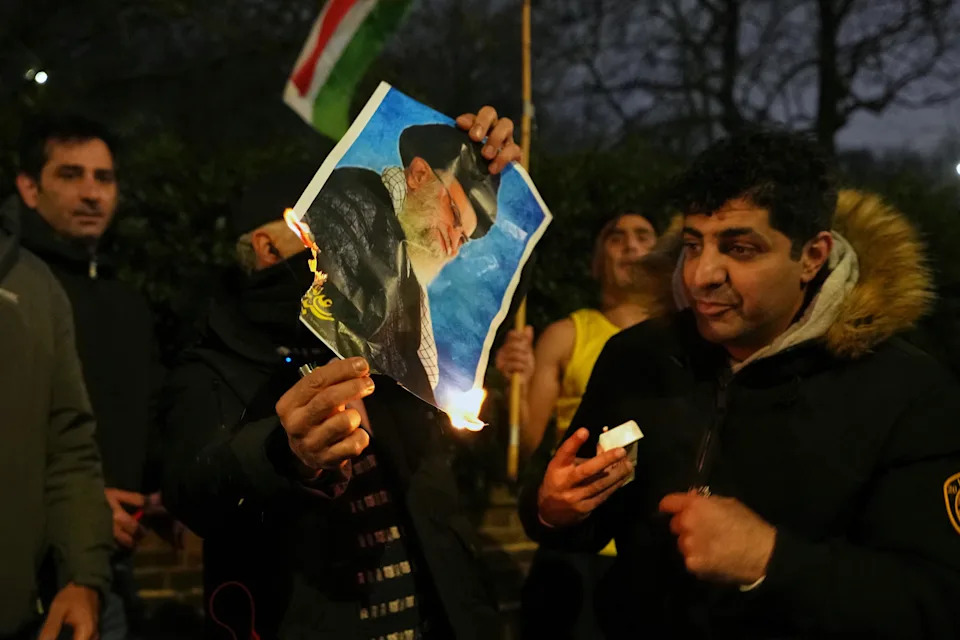
A picture of Ayatollah Ali Khamenei is set alight by protesters outside the Iranian Embassy in London, Monday, Jan. 12, 2026. (AP Photo/Alastair Grant)(ASSOCIATED PRESS)
State-organized rallies in support of the Islamic Republic were staged in some cities, with Iranian state television broadcasting chants including "Death to America!" and "Death to Israel!" Iran’s attorney general warned that participants in the protests could be considered "enemies of God," a charge that can carry the death penalty under Iranian law.
Casualty and Detention Figures
The U.S.-based Human Rights Activists News Agency (HRANA), which relies on field contacts inside Iran to crosscheck information, reported early Tuesday that more than 10,700 people had been detained over two weeks of unrest and that 646 people had died — a toll it said included 512 protesters and 134 security personnel. The Associated Press said it had been unable to independently verify casualty figures and that Iranian authorities had not released a comprehensive count.
With internet services cut inside Iran, independent confirmation of events and casualty numbers remains difficult. International news organizations and rights groups continue to monitor the situation as communications are intermittently restored.
Help us improve.