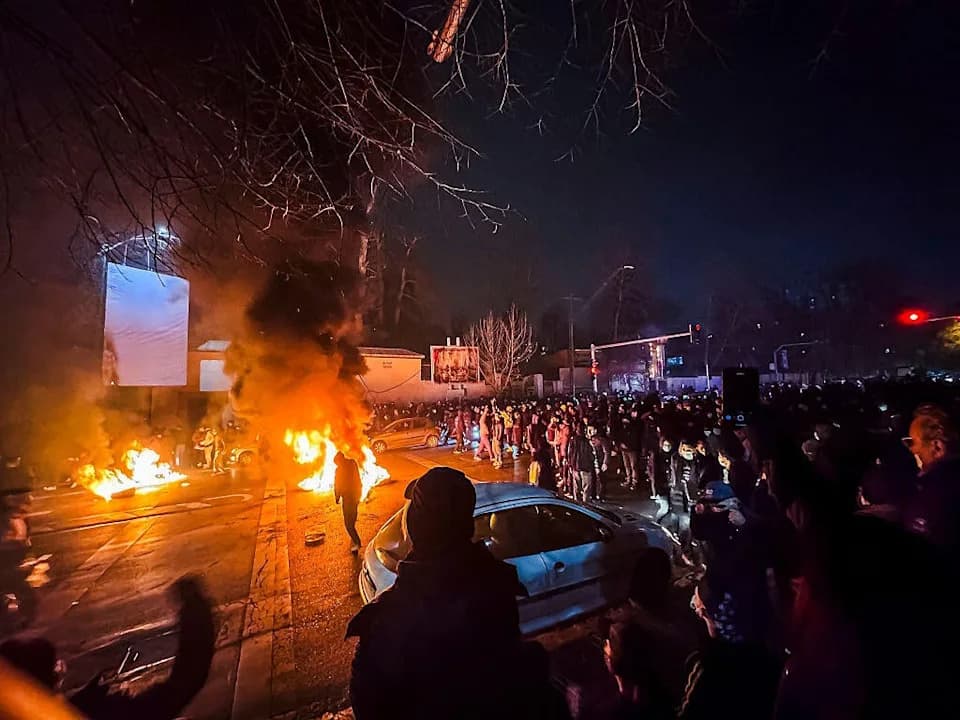
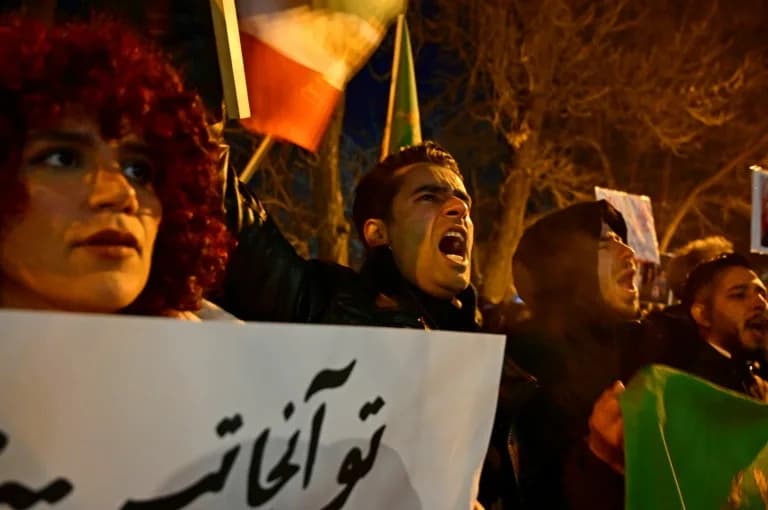
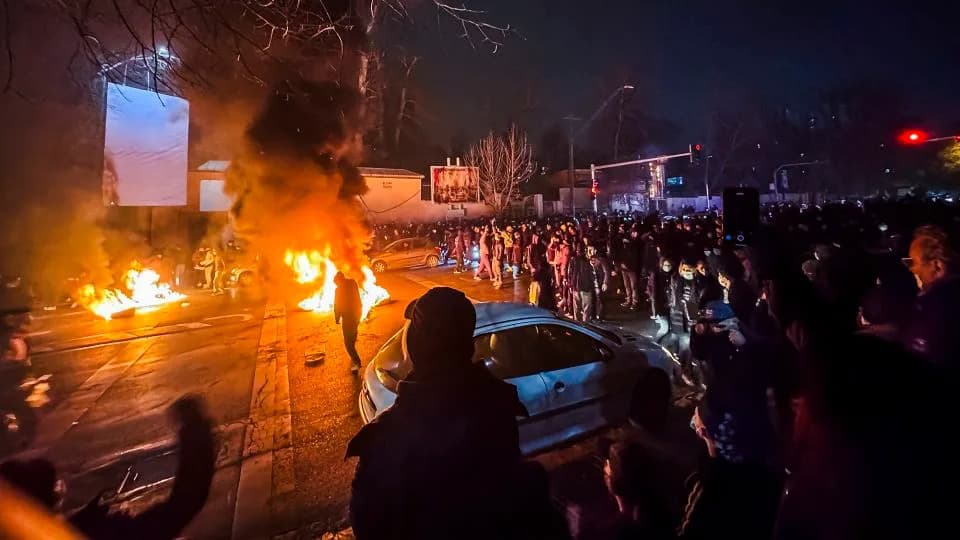
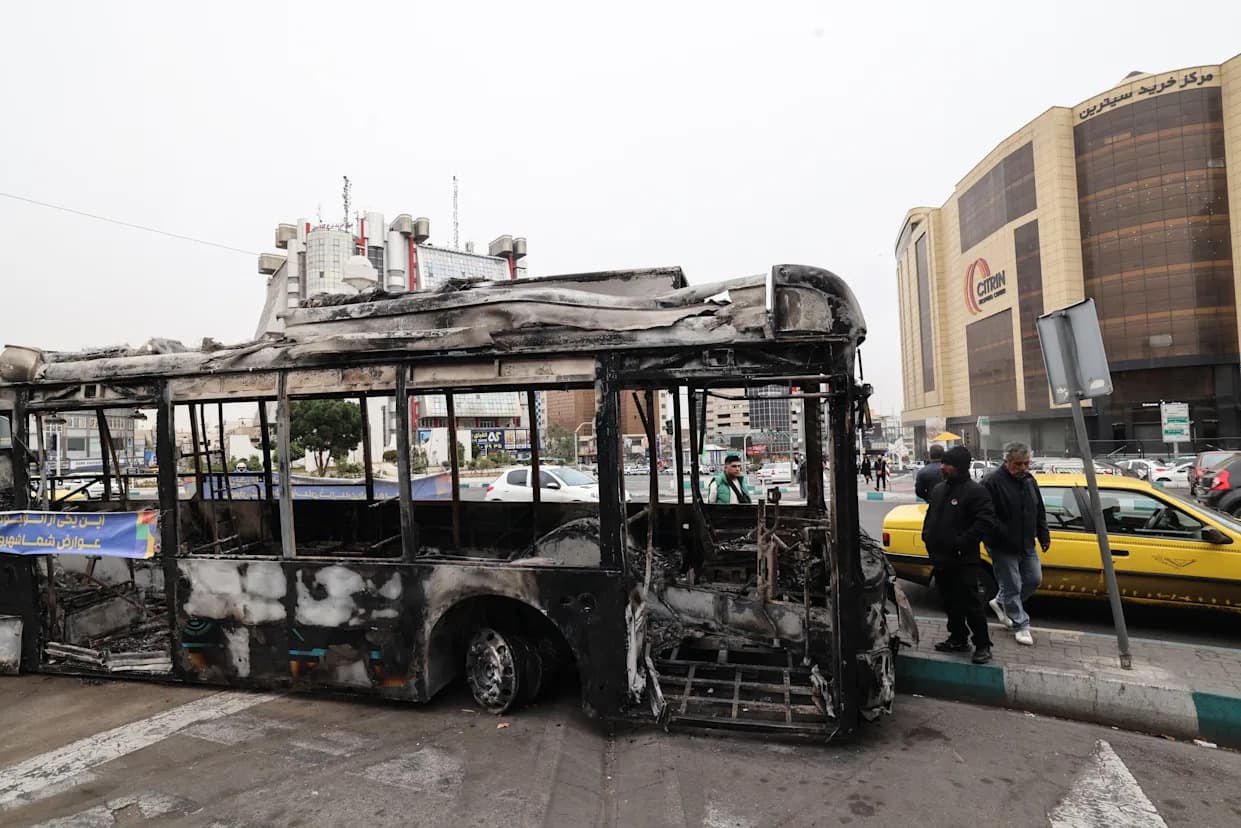
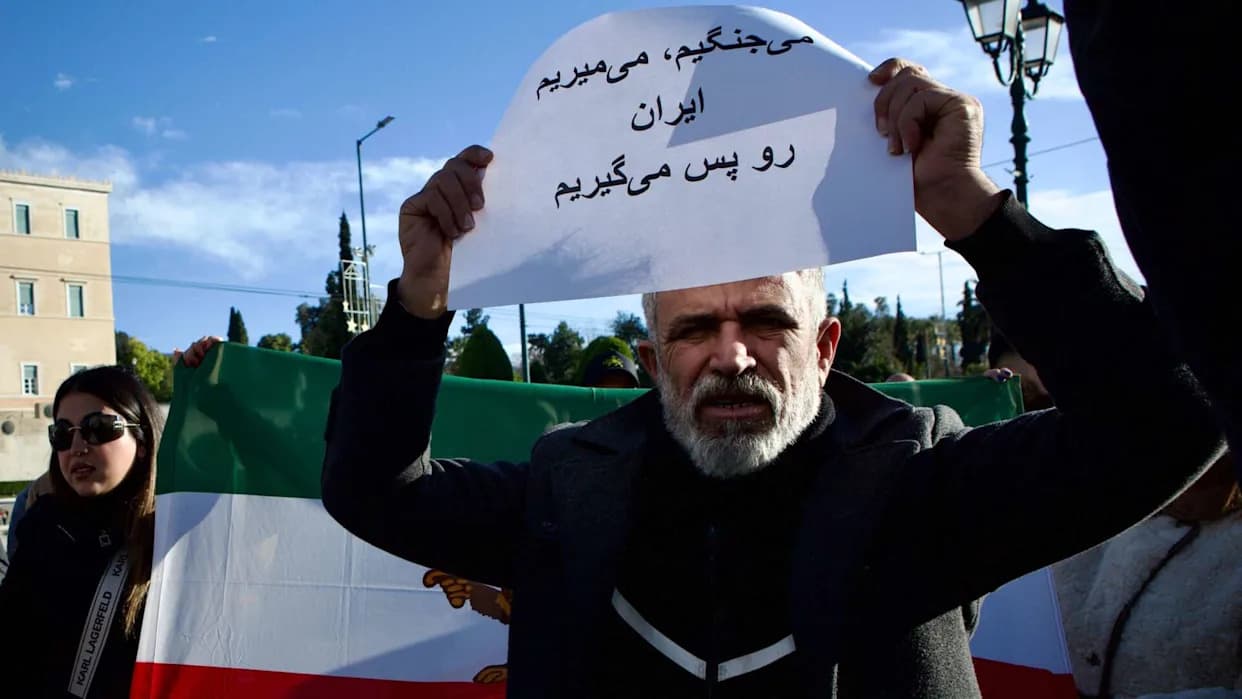
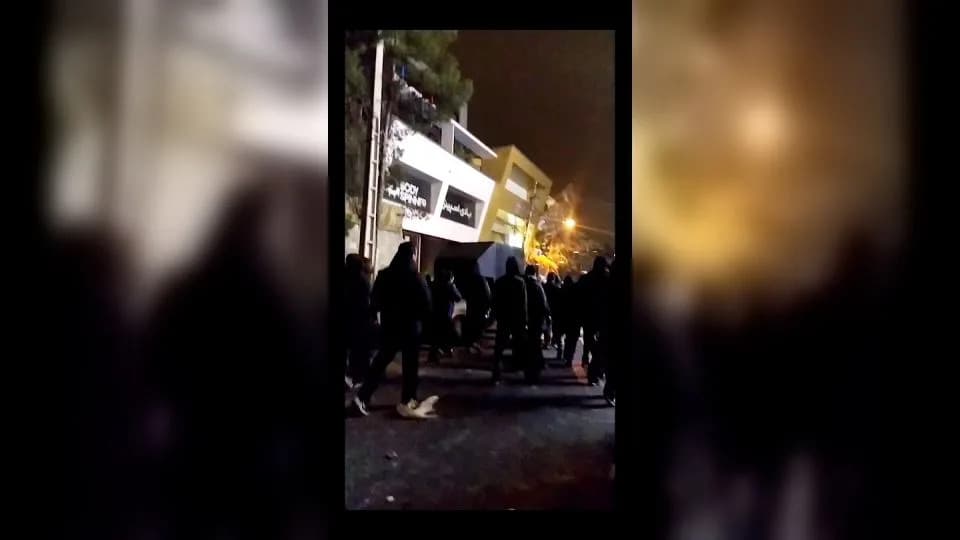
Wealthy Iranians have been travelling to Van, Turkey, to socialise in nightclubs and restaurants while protests in Iran are being met with deadly force and a nationwide internet blackout. Human rights group HRANA has verified 3,090 deaths and more than 22,000 arrests; HRANA also recorded at least 2,294 protests across Iran in 2025, mainly over economic grievances. The stark contrast between affluent visitors abroad and those suffering at home highlights deep socio-economic divides that experts warn may fuel further unrest if left unaddressed.
Wealthy Iranians Flock to Van Nightlife as Protests at Home Are Met With Deadly Force

Queen Festa, a nightclub in Van, Turkey, which is favoured as a holiday destination by the Iranian elite - David Rose for The Telegraph
Affluent Iranians have been arriving in the eastern Turkish city of Van to drink, smoke nargile and socialise in clubs and restaurants while large-scale protests in Iran are met with lethal force and a nationwide communications blackout.

Some of the Iranian elite fled to Turkey during the recent protests, which were brutally suppressed with the deaths of thousands - David Rose for The Telegraph
Van, close to Iran’s mountainous border, is a familiar getaway for those seeking nightlife and relative safety. Reporters observed well-dressed groups dancing and drinking in downtown venues even as unrest continued across the border, with many locals saying some visitors have ties to the ruling establishment.
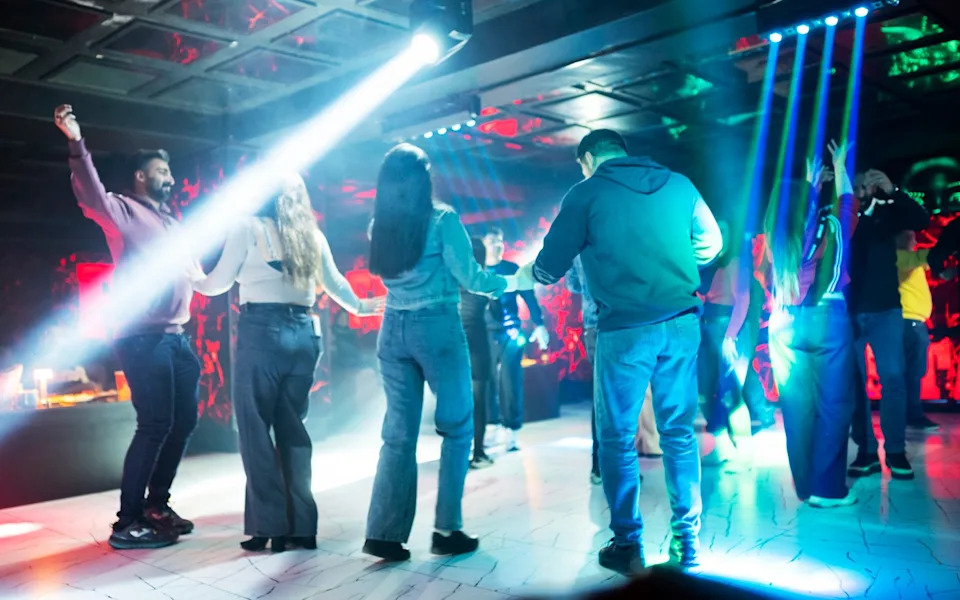
A single night out at a club in Van could cost the average month’s wage in Turkey - David Rose for The Telegraph
Contrasting Realities: Nightlife and Repression
“These people benefit from the regime,” one Iranian who asked to remain anonymous told reporters. “They left Iran because they feared for their safety. Here they can feel safe.” Another club-goer described speaking to relatives three days earlier during a nationwide internet shutdown that left millions unable to call or go online. She spoke freely about running an international business between Iran and Turkey while enjoying vodka and nargile.
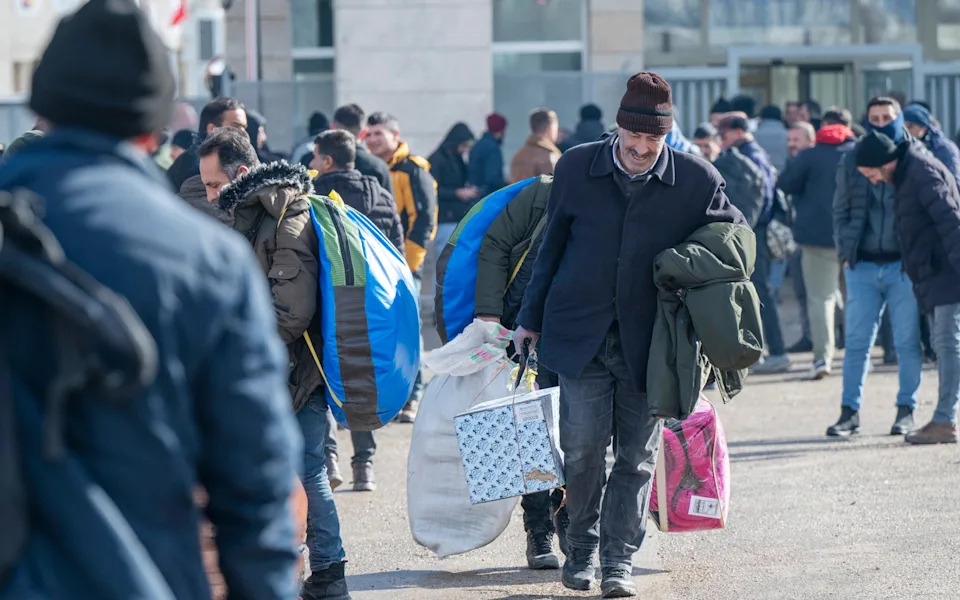
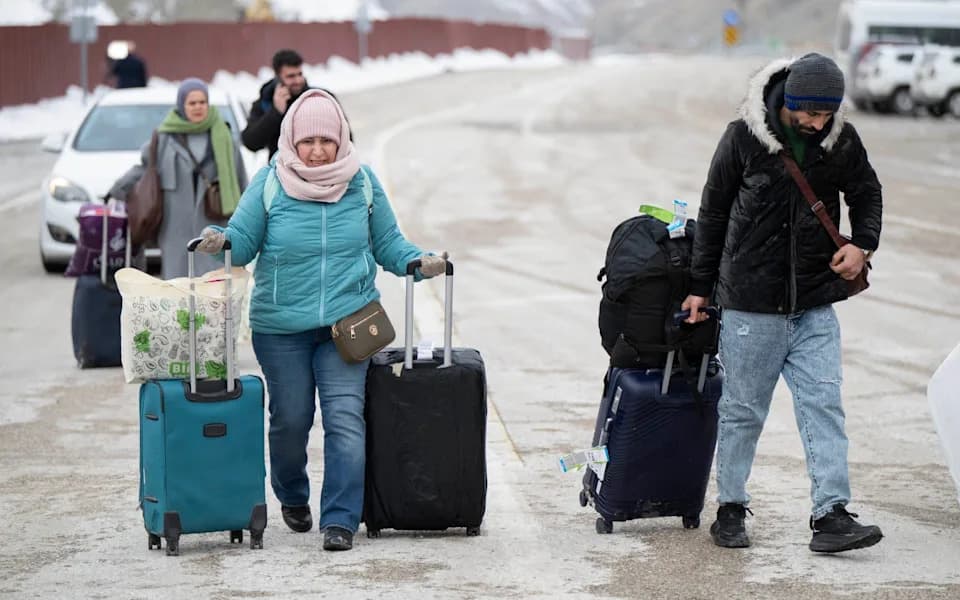
Iranians entering Turkey on Saturday. Not all come to party – some cross the border purely to use the internet to contact their families - David Rose for The Telegraph
“Imagine if in your country thousands of people had been killed. Would you have the heart to go out dancing in a bar?”
Human Cost and Official Response
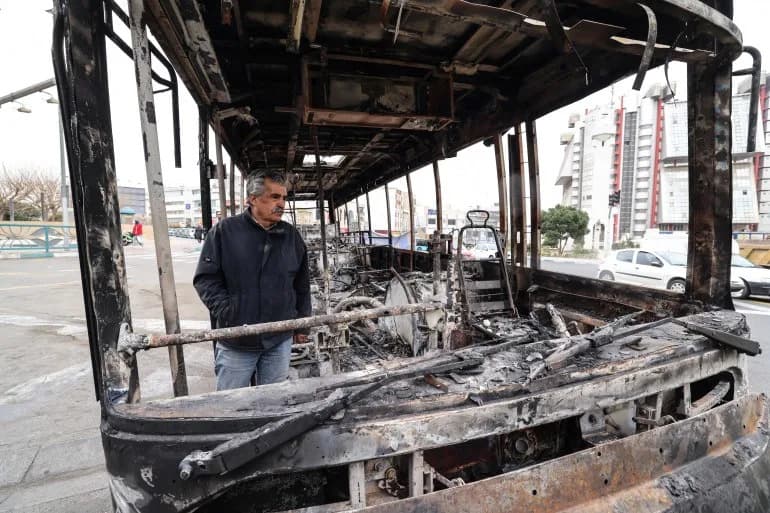
Others who fled Iran described mass killings and said the true death toll could be far higher than official figures. HRANA, a US-based human rights group, has verified 3,090 deaths — including 2,885 protesters — and more than 22,000 arrests; some organisations estimate higher numbers. In a rare public statement, Iran’s supreme leader, Ali Khamenei, acknowledged fatalities but blamed foreign actors for fomenting unrest.
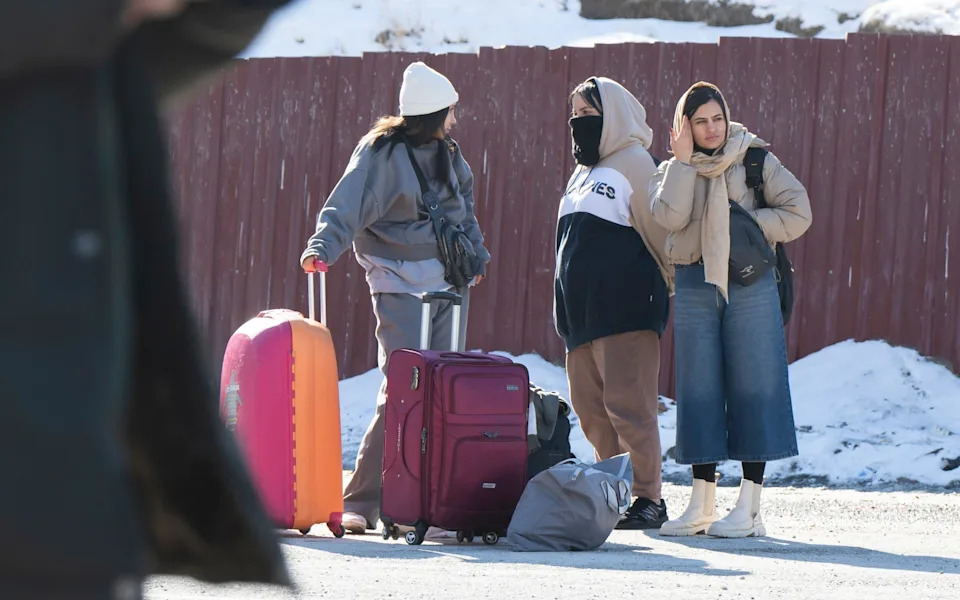
Van is an eastern province of Turkey, along the mountainous border with Iran - David Rose for The Telegraph
Many people have fled after relatives were detained, fearing that association with perceived dissidents could make them targets. The contrast between revelry in Van and suffering at home has provoked strong reactions among Iranians: some call it deeply insulting, while others see it as evidence of a sharp socio-economic divide.
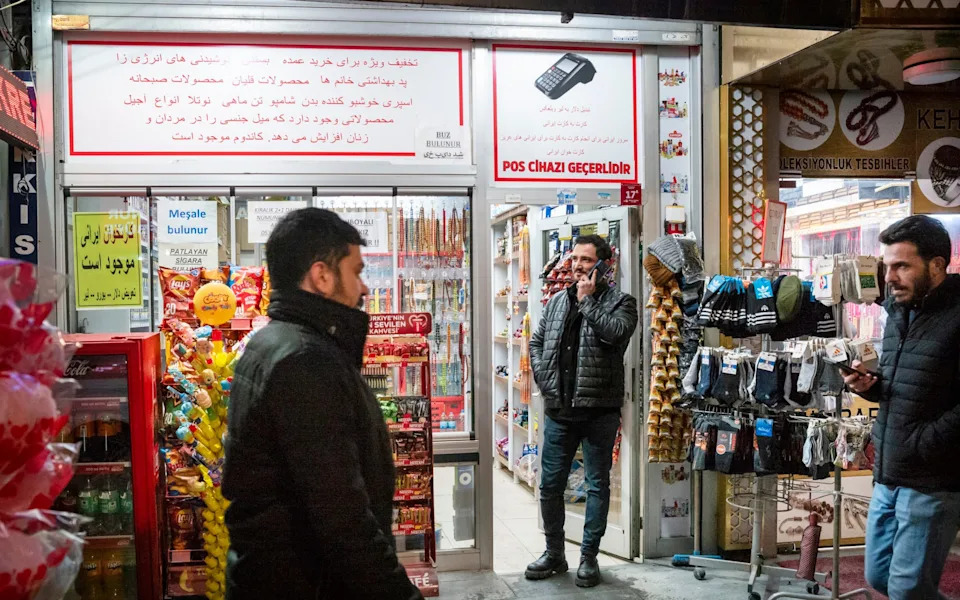
Umbrella Street in Van is the heart of expat Iranian life in Turkey - David Rose for The Telegraph
Economic Drivers and Wider Impact
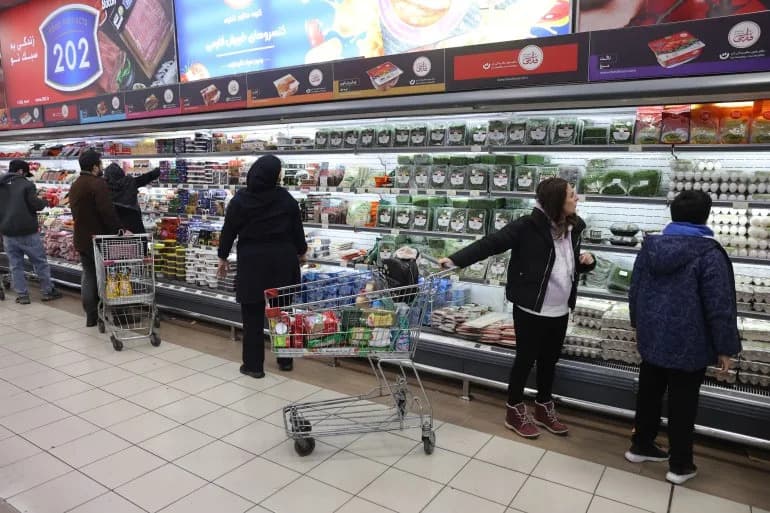
A night out in Van — admission, drinks, snacks and nargile — can easily cost more than Iran’s average monthly salary (about £75), underlining the stark inequality that helped spark initial merchant-led protests in late December. Soaring inflation, frequent cuts to water, electricity and gas, and unpaid wages have fuelled unrest: HRANA recorded at least 2,294 protests across all 31 provinces in 2025, mainly over economic grievances.
Experts warn that the government’s forceful crackdown and internet shutdown will further damage the economy by disrupting businesses and transactions. NetBlocks, an internet monitoring group, estimates Iran loses roughly $1.5m (£1.1m) for every hour of a nationwide internet outage. Even workers who do not rely directly on the internet — such as delivery drivers — are affected when online commerce stalls.
Outlook
Observers say failing to address underlying economic problems risks renewed unrest, and human rights organisations fear continued heavy-handed repression. Some Iranians support stronger international pressure on Tehran, including targeted measures against regime leaders, though others are disappointed by what they see as wavering diplomatic and military responses. Inside Van’s clubs, however, talk of regime change felt distant as DJs played loud music and people danced.
Van’s downtown is shaped by its many Iranian visitors: cafés and restaurants often offer Farsi menus and Persian dishes, and a row of shops under rainbow umbrellas caters to guests. “They’re very rich; they don’t care about what happens,” an Iranian tea seller said of the elite visitors. “They want to stay in power and keep making money. But us poor people — we come here to sell eggs, tea, just to earn a little more. All of us are really afraid of the regime.”
Additional reporting by Ozlem Temena. Figures cited from HRANA and NetBlocks as reported by The Telegraph.
Help us improve.