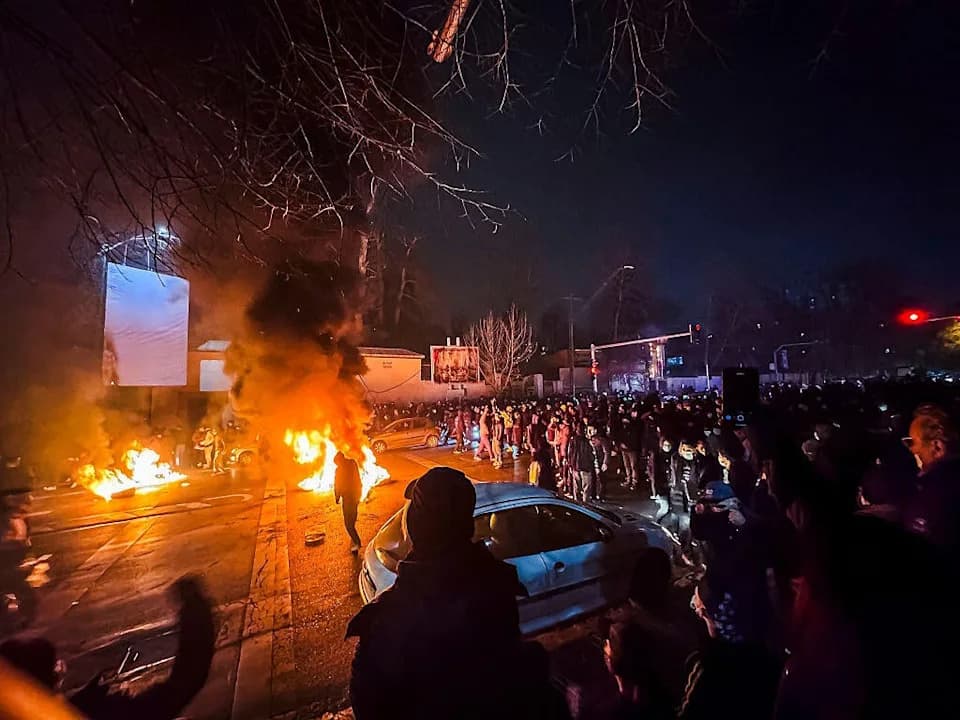
Farzan left a job in Turkey to cross a snowy land border and try to see his family after Iran’s internet was shut down for more than a week. The communications blackout, imposed amid a brutal crackdown on protests that began in late December, has left many unable to confirm whether relatives are alive and has disrupted business, costing an estimated $1.5 million per hour, according to NetBlocks. Border towns such as Kapikoy and Van have seen increased traffic as people both flee and try to reconnect, while tensions with the US have risen amid sanctions and debate over possible intervention.
Iranians Risk Death To Reach Silenced Families After Nationwide Internet Blackout
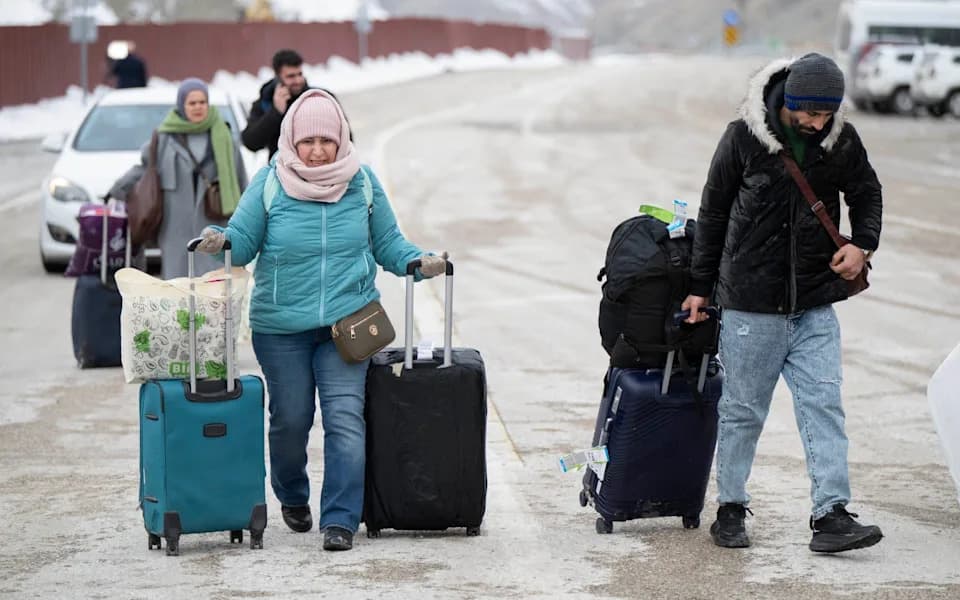
Iranians have travelled in hopes of reuniting with their loved ones - David Rose For The Telegraph
Farzan smoked a final cigarette with trembling hands before setting out on a journey that could cost him everything. He had not heard from his family for more than a week after Iran’s internet was cut, and the security forces stationed near the border would not deter him. Having watched from afar as bodies accumulated during a brutal government suppression of protests, he left his factory job in Turkey and headed for the frontier.
“It is my family; I have to see my mother,” Farzan said, a name changed to protect him from reprisals. “I don’t know what will happen, but at least this way we may be able to die together.”
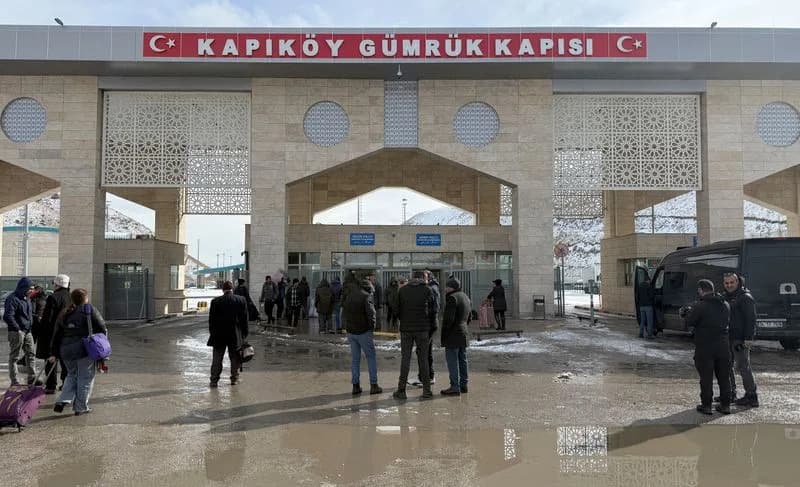
People have travelled from as far away as western Europe to the land crossing that straddles Turkey and Iran, hoping to reach relatives cut off by the blackout. They have taken planes and cramped minibuses, and crossed snowy, rugged peaks in temperatures below freezing. On the way they repeatedly try to phone home — calls fail and text messages return with red error notices.
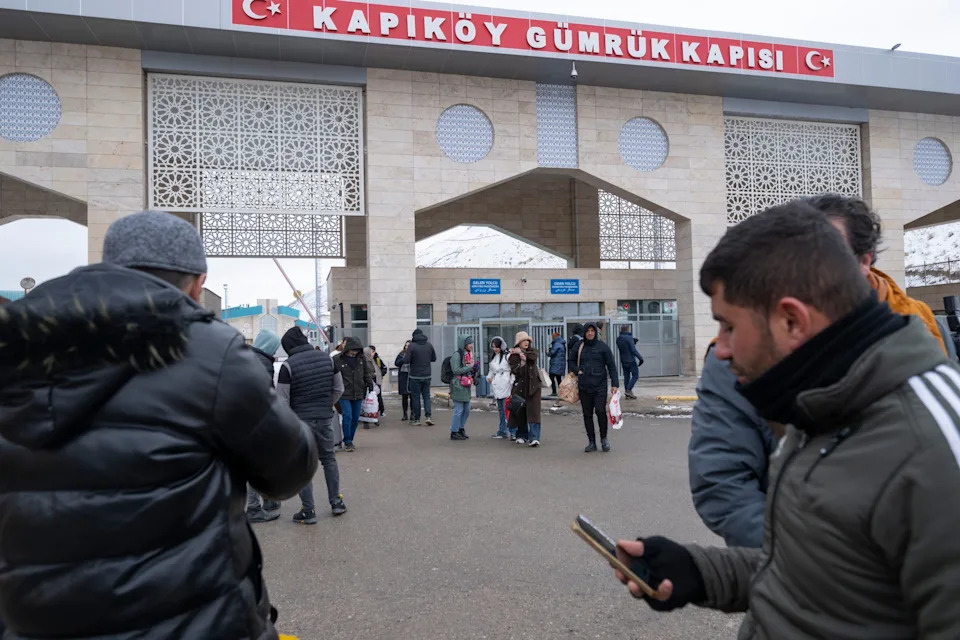
Those employed by foreign companies are worried about losing their jobs - David Rose
Communications Blackout and Fears Of Concealment
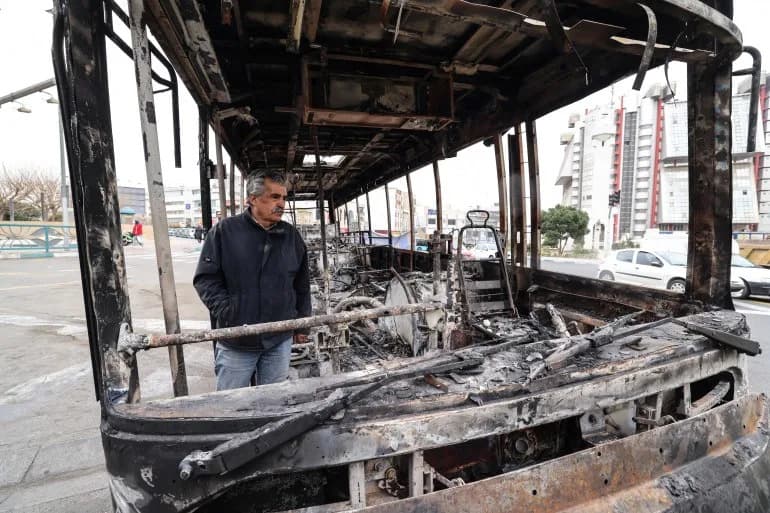
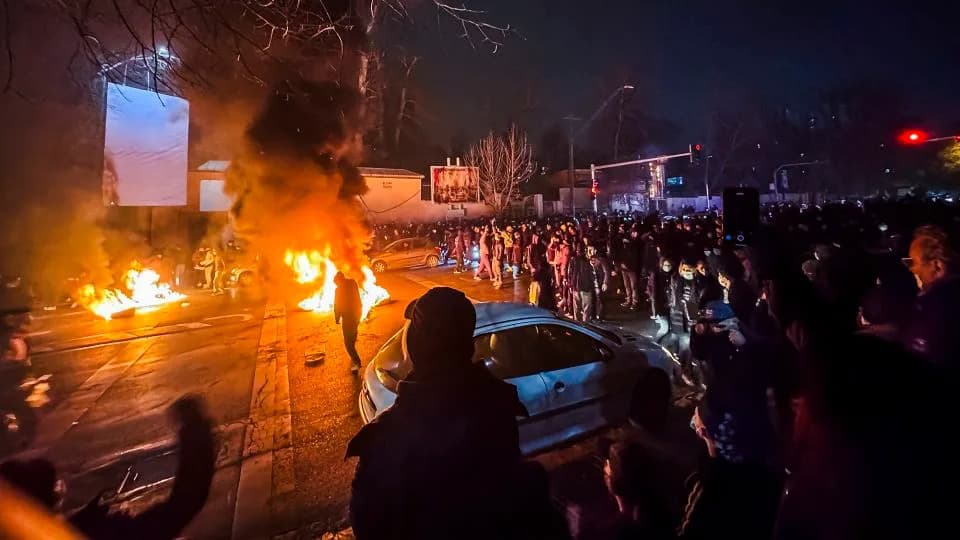
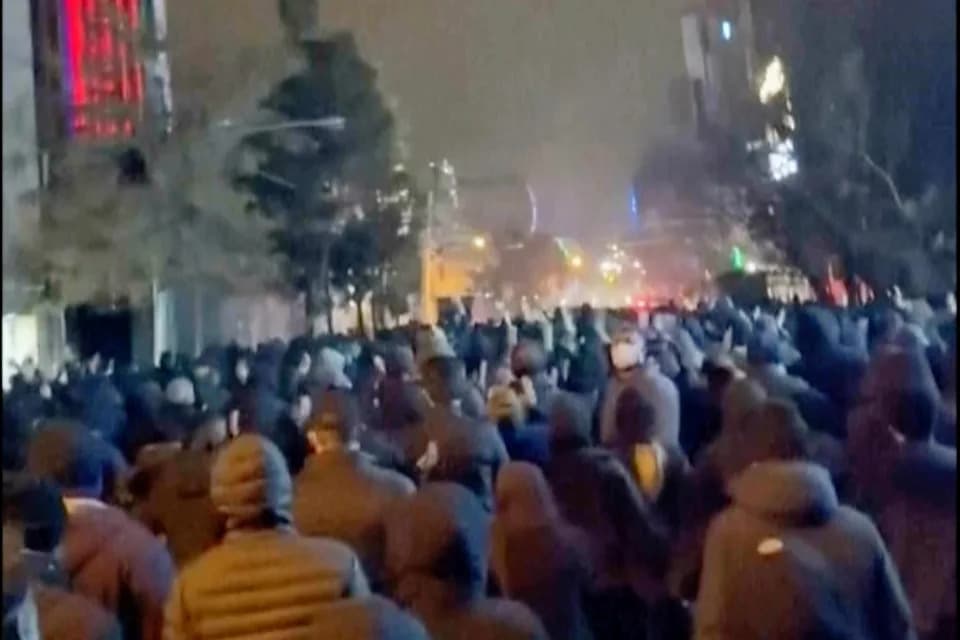
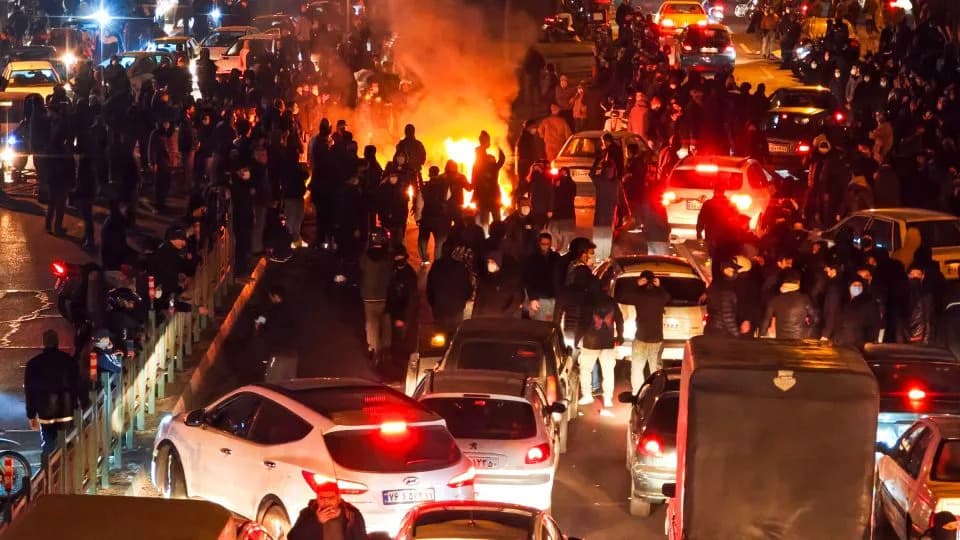
Widespread fear has grown that the Islamic Republic imposed the communications shutdown to conceal abuses and atrocities while crushing mass demonstrations that began in late December over economic hardship. The true death toll remains unknown; harrowing footage has circulated showing piles of bodies. Monitoring groups put the toll in the thousands or possibly tens of thousands, though exact figures cannot be verified.
Border Crossings, Economic Strain And Daily Life
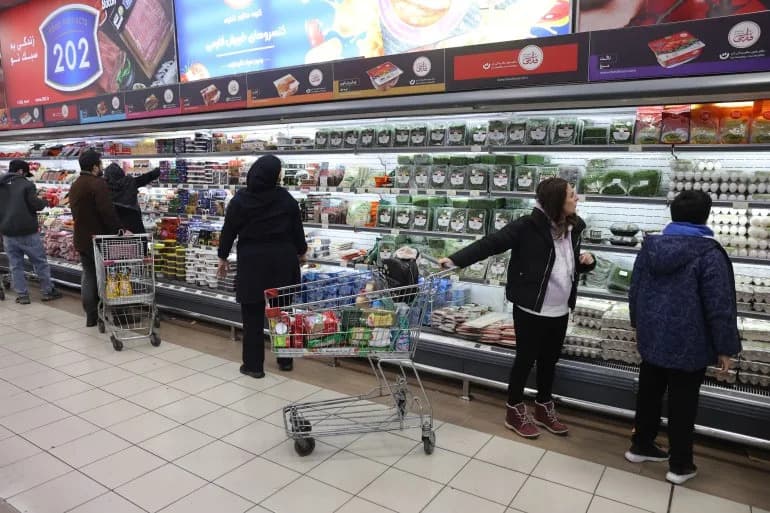
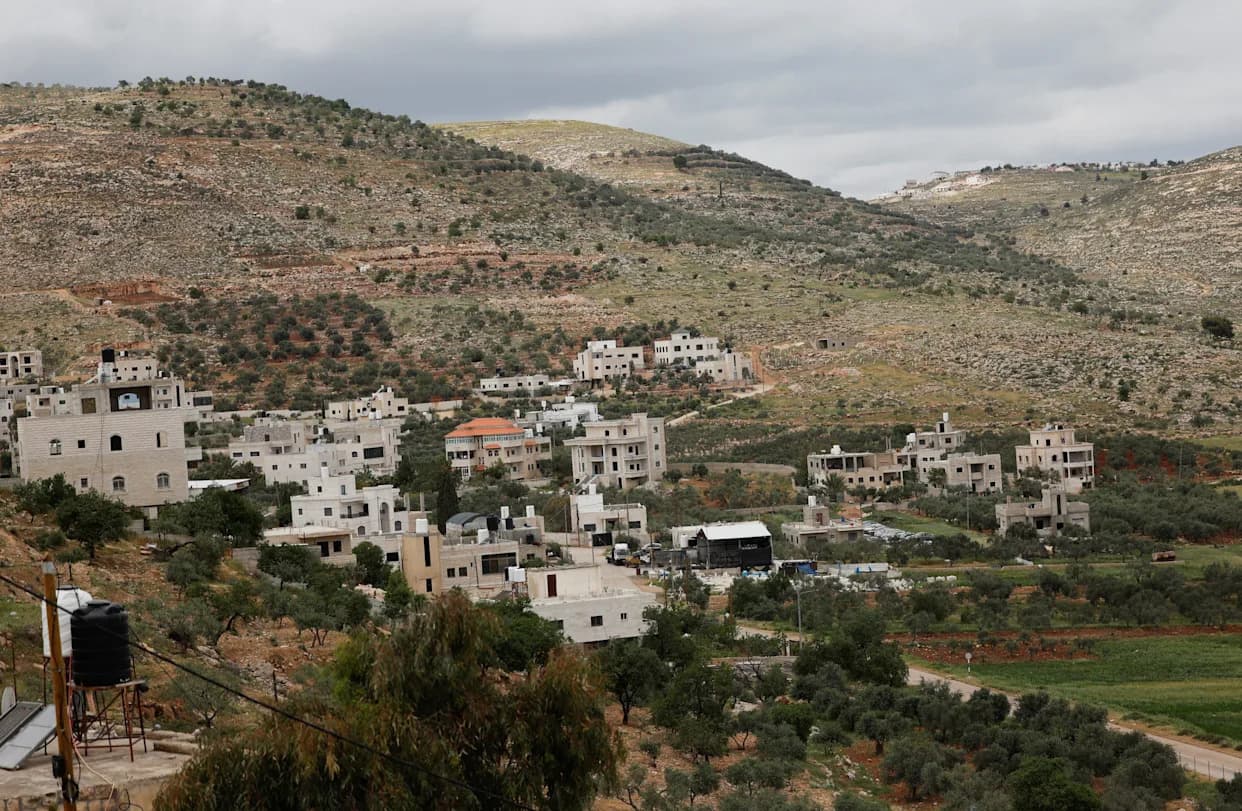
The rural Kapikoy crossing — its Turkish name meaning “gateway village” — and the nearby city of Van have seen a marked increase in traffic. Some come to search for relatives; others flee to seek refuge and a way to prove to loved ones abroad that they are alive. The blackout also halts ordinary business: language teachers worry about missed lessons, and employees of foreign firms fear losing contracts. An engineer from Tehran travelled days to reach Turkey solely to upload and email technical drawings to colleagues.
NetBlocks, an internet-monitoring group, estimates such shutdowns cost Iran around $1.5 million (£1.1 million) per hour — a blow to an already fragile economy that helped spark the initial protests.
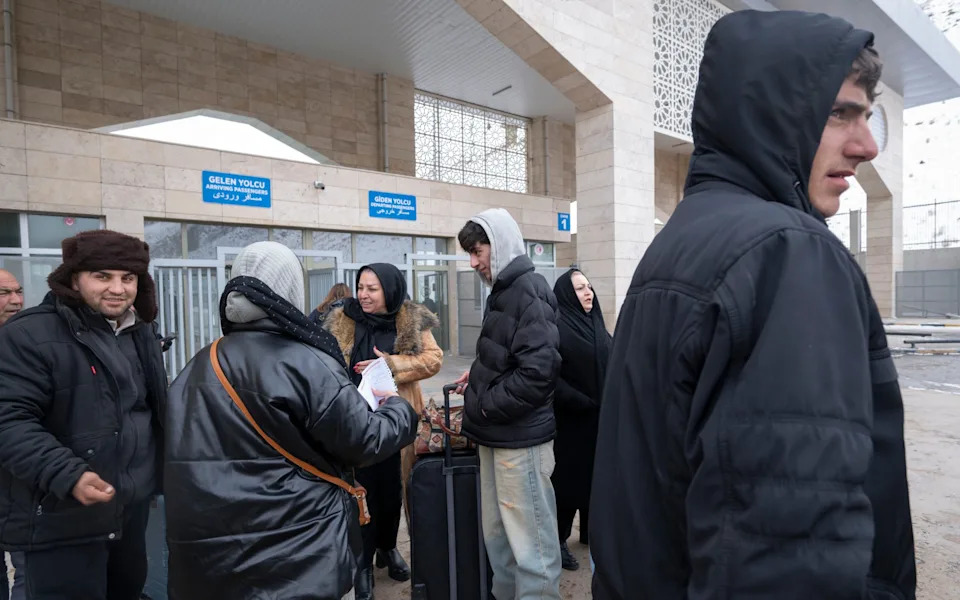
Iranians have long flocked to Turkey, including refugees fleeing the regime - David Rose
Security, Smuggling And Human Risk
The border region is heavily militarised. Armoured vehicles share the main roads with passenger cars and watchtowers overlook snowbaked peaks. Smugglers move migrants and contraband, including Starlink satellite receivers — devices that have helped Iranians connect to the outside world but remain illegal in Iran. Each spring, as the snow melts, locals sometimes find the bodies of migrants who perished on the mountain routes.
Many travellers are reluctant to speak on the record, fearing reprisals if they return. Among those at the gate, optimism was low that the protests will bring meaningful political change.
“If you come from a free country, you can speak freely. But we are going back to Iran and you know what the brutal regime is like there.”
International Response
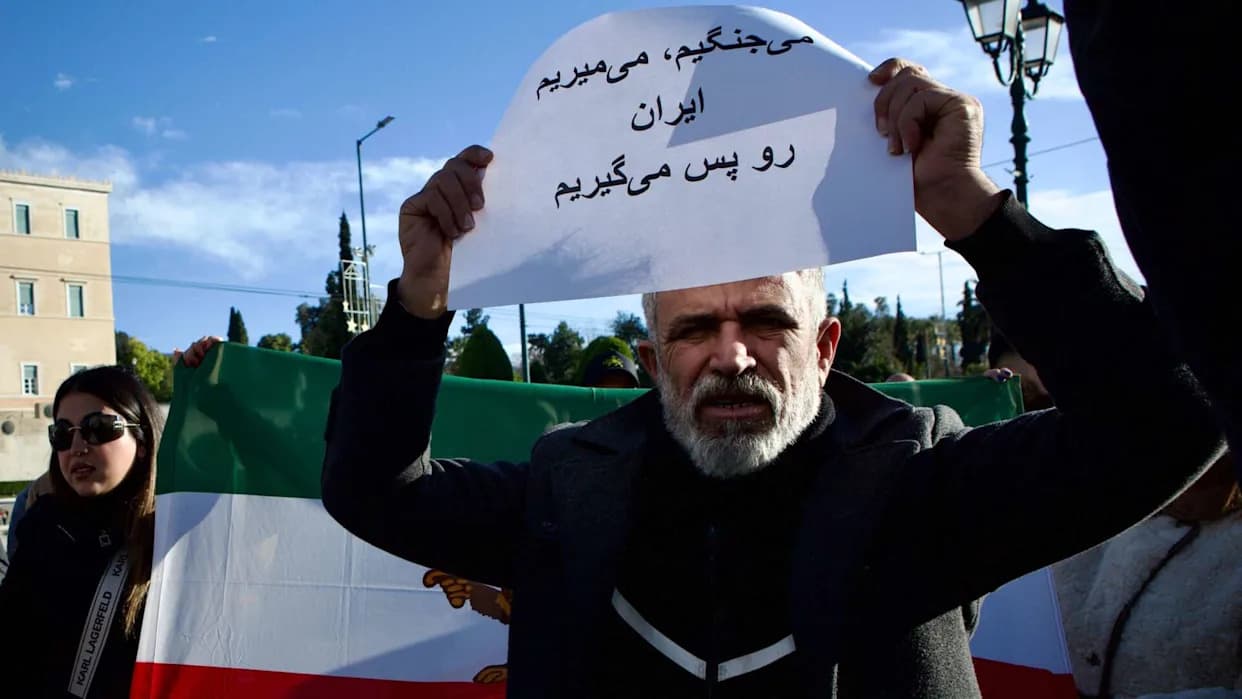
The turmoil has heightened tensions with the United States. Former US President Donald Trump publicly encouraged protesters with the message “help is on its way,” and Washington has since announced fresh sanctions targeting Iranian officials accused of involvement in the crackdown. Opinions among Iranians are divided on the prospect of foreign military intervention, with some rejecting outside involvement and others saying outside pressure is the only way to counter a heavily armed state.
Some people who crossed into Turkey planned to return within days; others intended to stay for weeks as events unfolded. Additional reporting by Ozlem Temena.
Help us improve.