Summary: Nationwide protests in Iran began after an economic collapse on December 28 and have spread beyond Tehran. An internet blackout since January 8 complicates independent verification while reports of mass killings by security forces have intensified public outrage. Historical precedents and recent regional strikes have shaped perceptions of regime weakness. In the U.S., DHS’s "Operation Metro Surge" and the end of federal student-loan leniency are notable domestic developments.
Is Iran on the Brink? Nationwide Protests Expose Regime Fault Lines
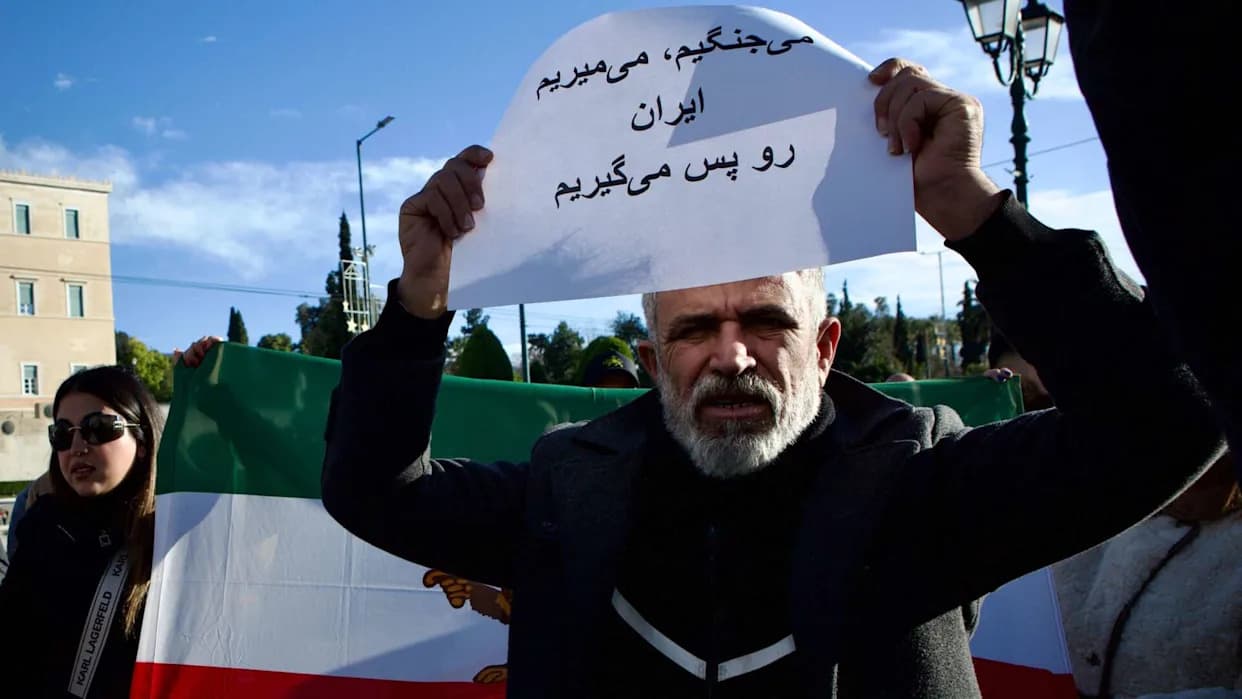
Will Iran Fall?
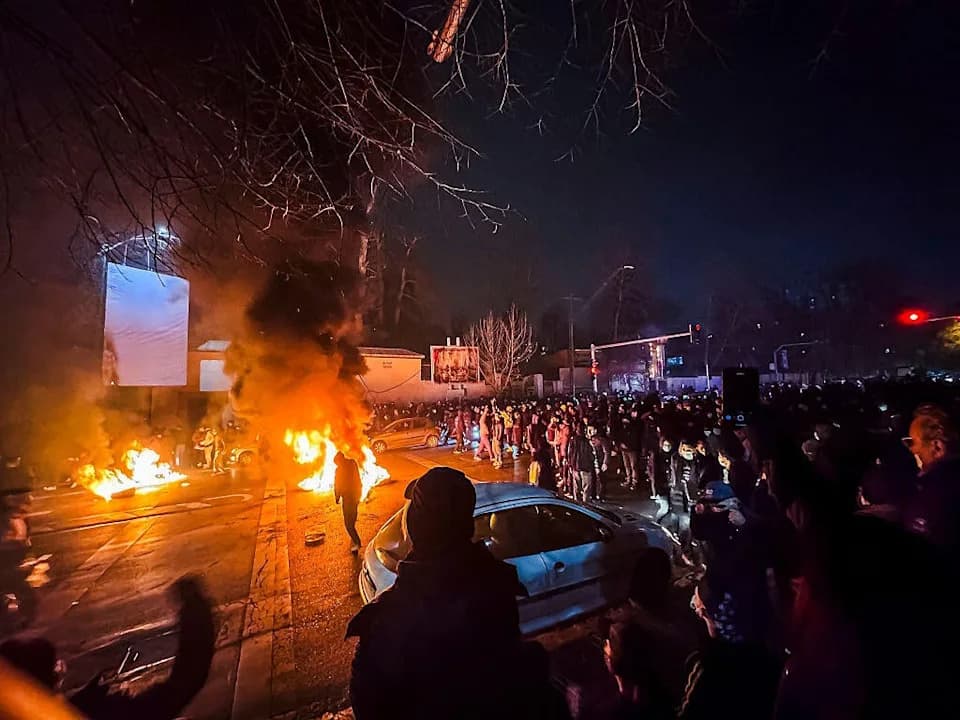
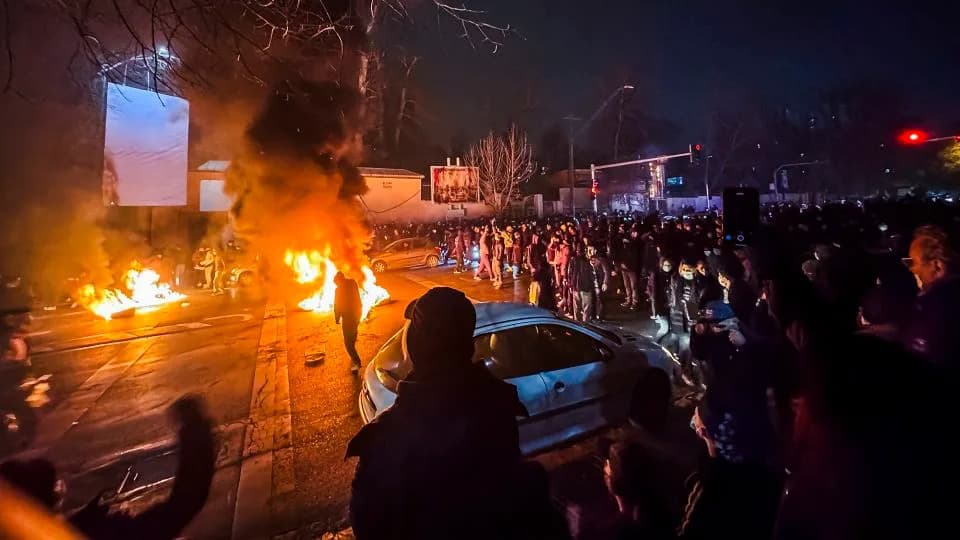
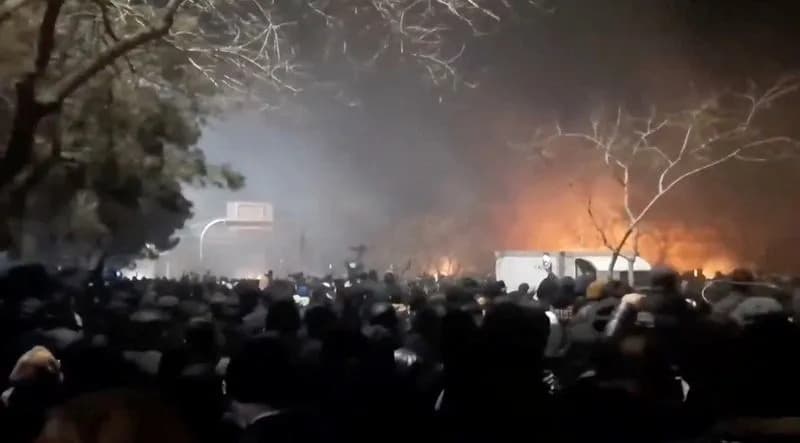
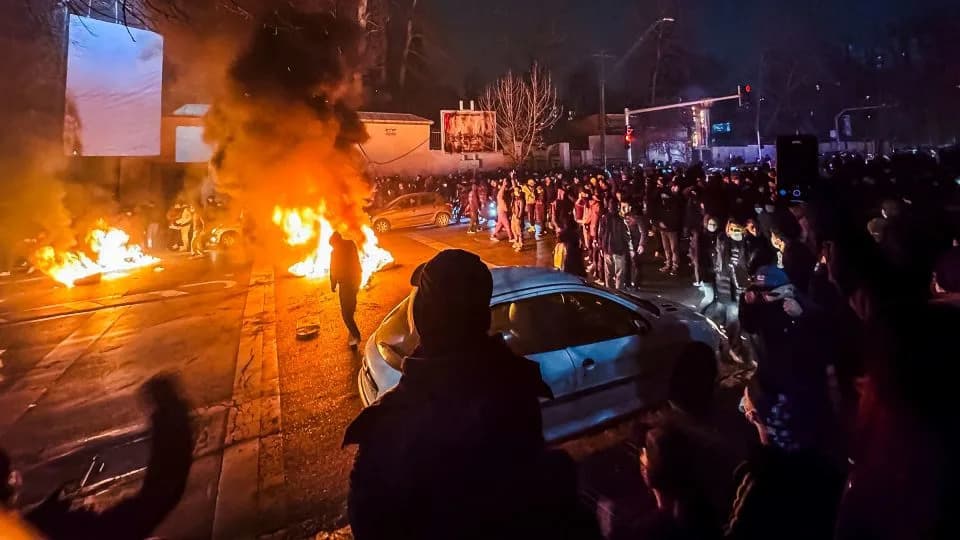
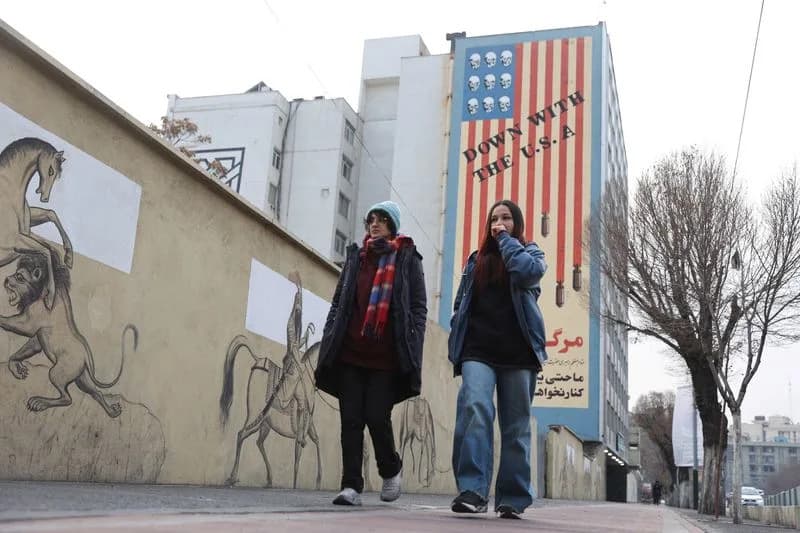
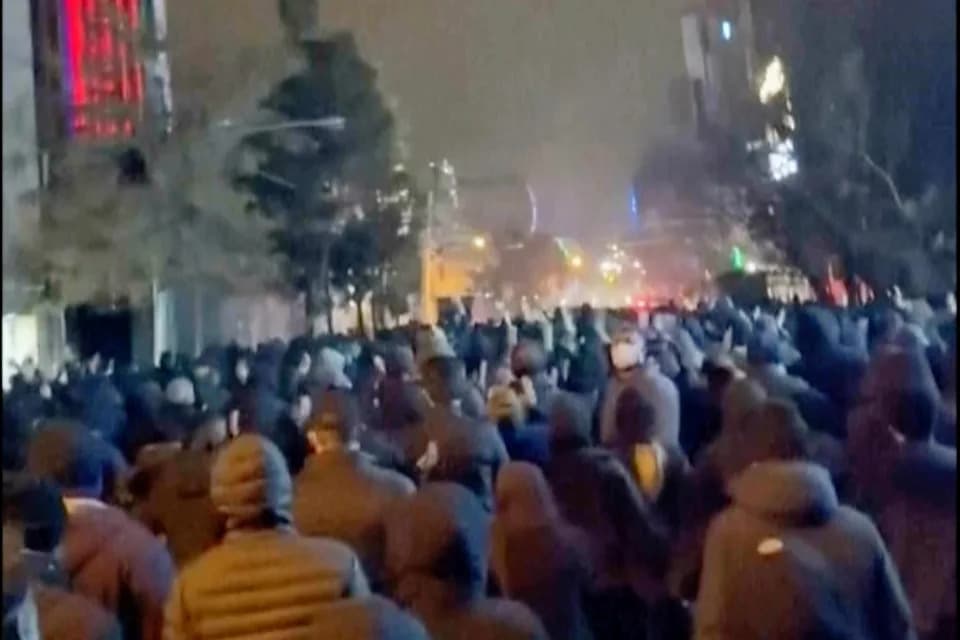
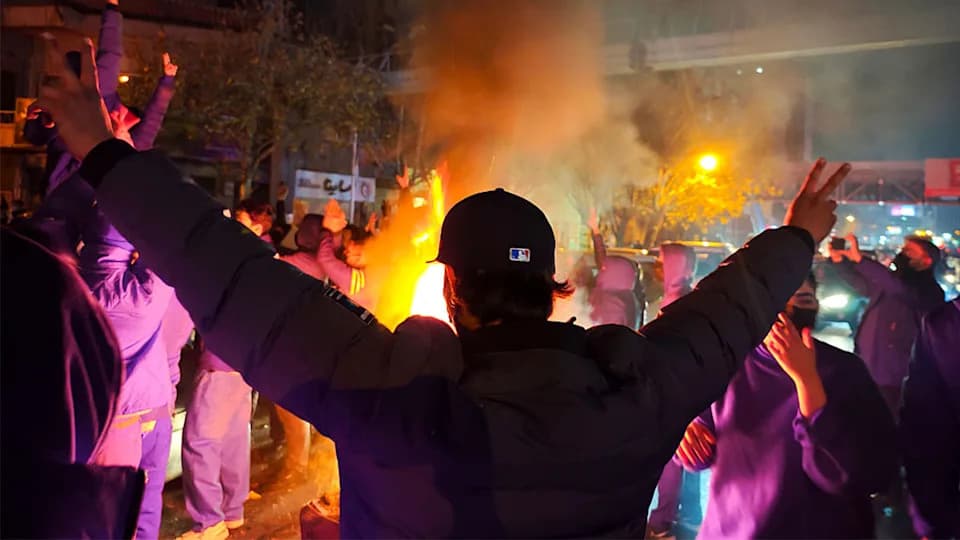
Protests erupted across Iran after an economic collapse that culminated in mass demonstrations on December 28. A 33-year-old protester, Sahar, told The New York Times:
“We can see from the news and from some government reactions that this regime is terrified to its bones.”What began as protests over economic hardship has broadened into widespread anger at political leaders.
Scope and Causes
The immediate trigger was a sharp fall in the rial—largely a consequence of international sanctions—which produced acute economic pain for ordinary Iranians. The protests, which began in major cities and quickly spread to provinces and smaller towns, reflect both economic grievances and broader frustrations with governance and repression.
Violence, Internet Blackout, and Uncertain Toll
Since the unrest escalated, Iran’s security forces have reportedly killed large numbers of demonstrators; independent verification is limited because an internet blackout has been in effect since January 8. Estimates of fatalities vary—some reports describe casualties in the hundreds, others cite higher figures—and the true toll remains unclear while communications remain restricted.
Historical Context
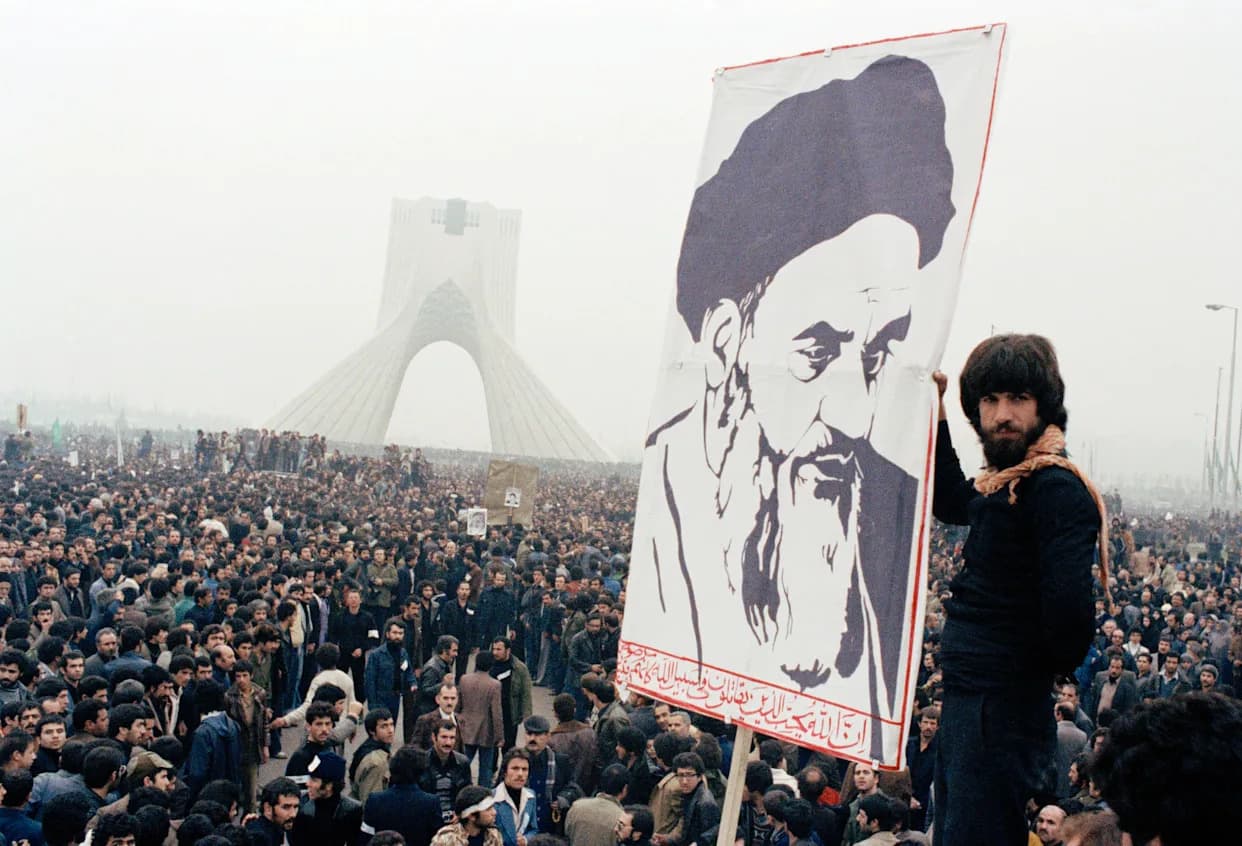
Analysts point to a pattern of recurring protest cycles in Iran and increasingly severe crackdowns. As Matthew Petti of Reason summarized: about 72 people died in the 2009 protests, at least 321 died in the 2019 fuel-price protests (accompanied by an internet shutdown), and at least 551 were killed during the 2022 anti-hijab demonstrations. These precedents shape fears that the current wave may face a similarly harsh government response.
Political Impact and Perceptions of Weakness
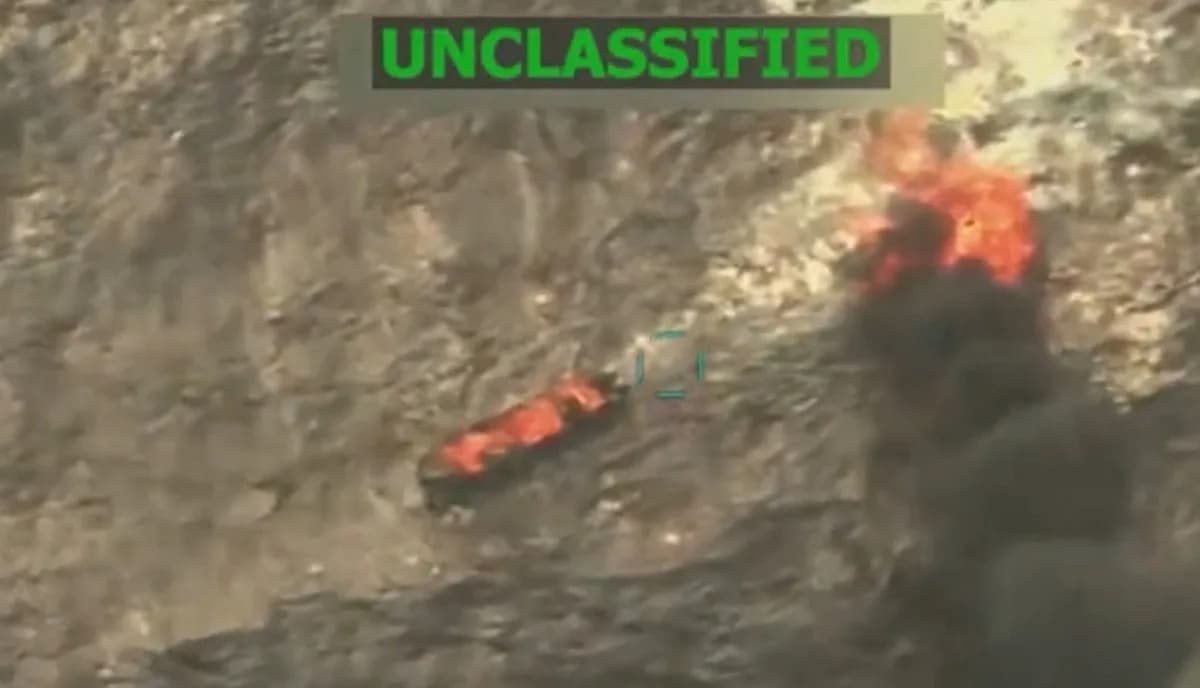
Observers also note that recent Israeli strikes on Iranian war-related infrastructure in June undermined the regime’s aura of strength, potentially encouraging broader mobilization. Economic distress plus perceived military and political vulnerabilities appear to be fueling the protesters’ resolve.
U.S. Domestic Threads
The article also highlights several U.S.-focused developments. After the killing of Renee Good by an ICE officer, the Department of Homeland Security launched "Operation Metro Surge," deploying hundreds of federal agents to Minneapolis. Journalist Ken Klippenstein reports internal hesitation within DHS, with leaked documents indicating the department sought volunteers and instructed agents to keep a low profile and follow strict use-of-force rules.
Separately, Bloomberg reports that federal student-loan relief measures adopted during the COVID-19 emergency have ended. Collections have resumed for borrowers in default, credit penalties can return, and the Education Department has signaled it may garnish wages and withhold tax refunds from delinquent borrowers.
Culture, Media, and Civic Monitoring
Cultural coverage includes Vanity Fair commentary on public figures in New York and media essays about declining social-media engagement. The Washington Post reports that activists are increasingly tracking and recording federal immigration officers—exercising their First Amendment rights to observe public policing—but some tactics (e.g., blocking enforcement vehicles or following them) have entered legally ambiguous territory.
What To Watch
Key indicators to follow include the duration of the internet blackout, credible casualty figures as communications return, whether protests continue to spread geographically and across social groups, and how security forces respond. International diplomatic and military developments may also influence the trajectory of unrest.
Help us improve.