The Scripps Institution of Oceanography has, for the first time, included ocean damage in calculations of the social cost of carbon and found it nearly doubles previously estimated economic harm. Adding $46.20 per ton raises the social cost to $97.20 per ton—a 91% increase—implying nearly $2 trillion in uncounted annual ocean-related damages based on 2024 emissions. The study combines market and non-market impacts (including nutrient losses and health risks) and highlights that island nations and small economies will be hit hardest.
Ocean Damage Nearly Doubles the Social Cost of Carbon, Scripps Study Finds
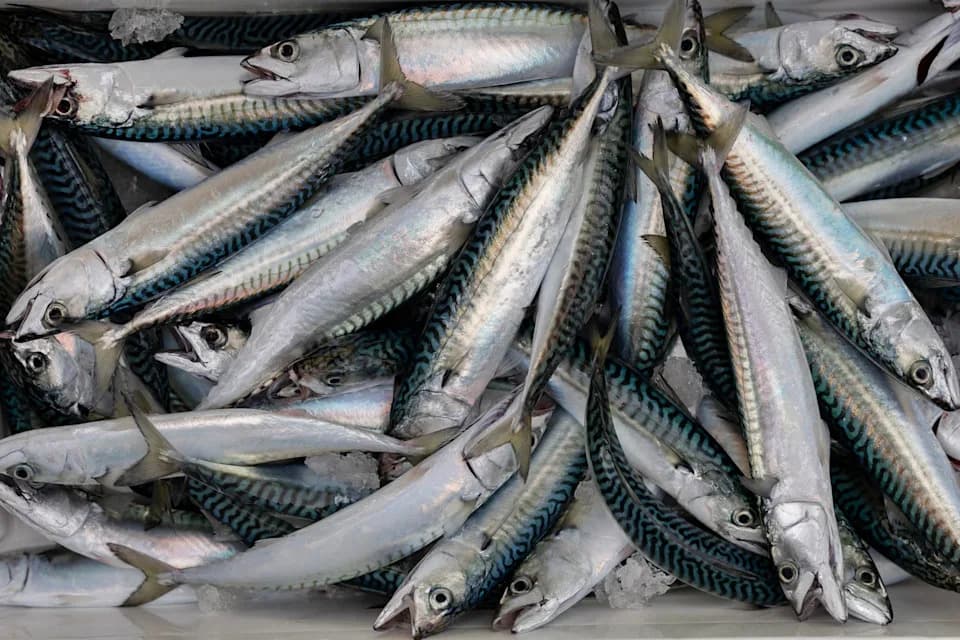
Fred Tanneau/AFP via Getty Images - PHOTO: Fished mackerels in Brest, France, on December 11, 2025.
For the first time, researchers have quantified how climate-driven damage to the ocean—what they call the "blue" social cost of carbon—changes the economic estimate of greenhouse gas harm. The new analysis from the Scripps Institution of Oceanography at UC San Diego finds that including ocean impacts nearly doubles the social cost of carbon, with important implications for climate policy and vulnerable communities.
Key Findings
Added Cost: The study adds $46.20 per ton of CO2 to the standard social cost of carbon, raising the estimate to $97.20 per ton—a 91% increase over previous calculations.
Global Scale: Using the Global Carbon Budget estimate of 41.6 billion tons of CO2 emissions in 2024, the authors note this omission translates to nearly $2 trillion in uncounted ocean-related damages in a single year.
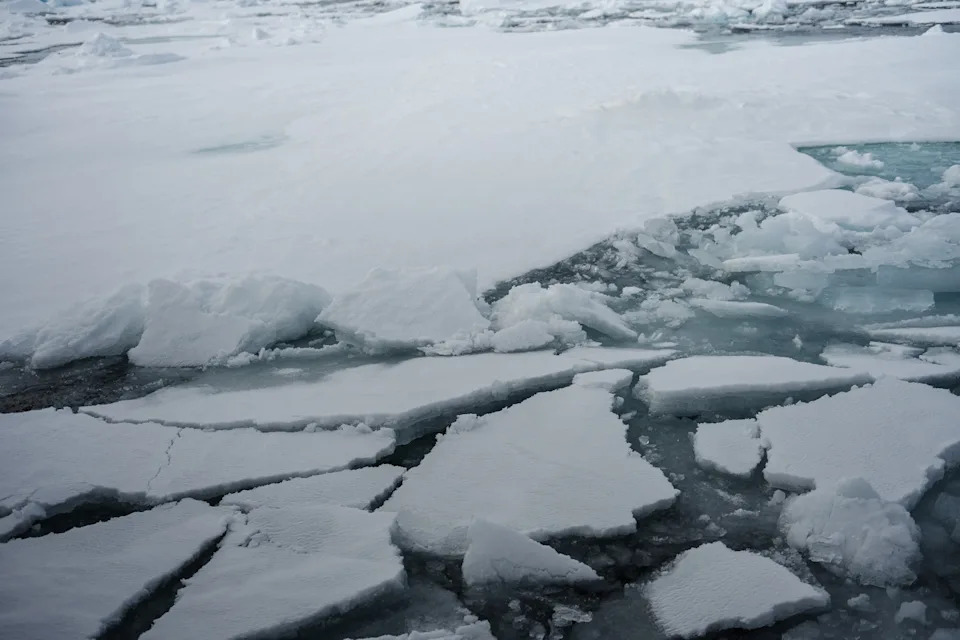
Sebnem Coskun/Anadolu via Getty Images - PHOTO: A view of sea ice in Svalbard and Jan Mayen on July 05, 2024.
Why the Ocean Was Missing—and Why It Matters
Past social-cost accounting largely excluded ocean impacts despite clear, documented losses: coral reef decline, fisheries reductions, degraded coastal ecosystems (mangroves, seagrass, kelp), and increased damage to ports and other coastal infrastructure. The Scripps team argues these harms directly affect livelihoods, food security, health, and coastal resilience.
“The ocean was the big missing piece in these models that calculate the climate impacts on humans,” said Bernardo Bastien-Olvera, the study lead who worked on the research during a postdoctoral fellowship at Scripps and is now an assistant professor at the National Autonomous University of Mexico.
Methods and What Was Counted
The researchers applied integrated assessment models across a range of future socioeconomic scenarios to explicitly include ocean-related impacts on systems such as coral reefs, mangroves, fisheries and seaports. They combined market values (for example, lost fisheries revenue and diminished maritime trade) with non-market values (including reduced nutrition, worsened health outcomes, and lost recreational opportunities).
Specifically, the analysis quantified declines in nutrients provided by seafood—calcium, omega-3 fatty acids, protein and iron—and linked these shortfalls to elevated disease risk and additional deaths in affected populations.
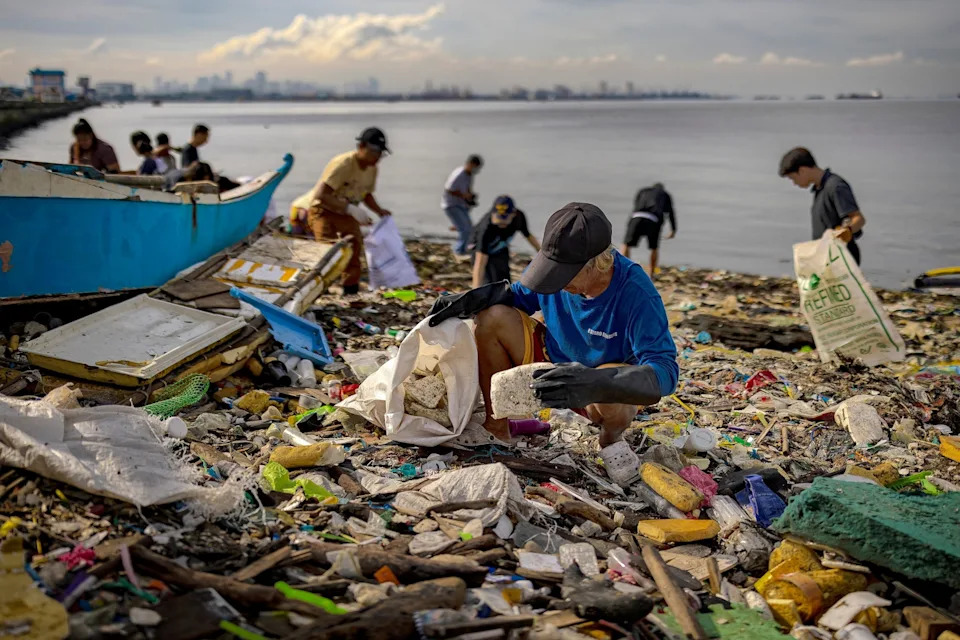
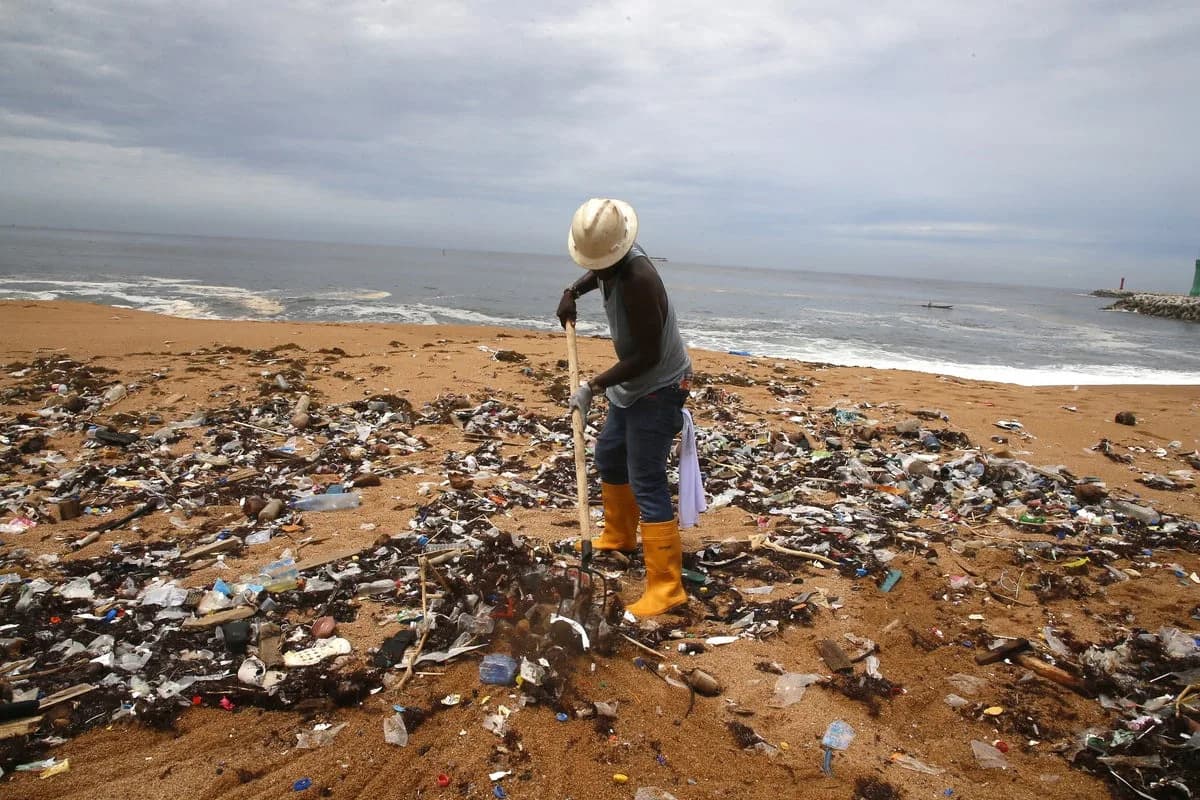
Ezra Acayan/Getty Images - PHOTO: Volunteers collect trash along a polluted shore as they take part in a coastal cleanup on September 13, 2025 in Navotas, Metro Manila, Philippines.
Unequal Burden
The paper highlights stark distributional inequities: island nations, small economies and coastal communities that rely heavily on seafood and marine services face disproportionate risks. Losses in natural coastal defenses (like mangroves and reefs) also amplify vulnerability to storms and sea-level rise.
Policy Relevance
The social cost of carbon is a core metric used to evaluate climate policy, cost–benefit decisions and regulatory standards. By incorporating ocean damages, the study provides a more comprehensive estimate that could change the economic rationale for stronger mitigation and adaptation measures.
Study citation: The research was published in Nature Climate Change and led by researchers at Scripps Institution of Oceanography, UC San Diego.
Help us improve.