Researchers have created the first detailed models establishing a baseline for North Atlantic benthic amphipod populations and predicting how ocean warming will reshape their ranges. Results show some species may expand while others face significant habitat loss, with potential ripple effects on biodiversity, food webs and livelihoods. Authors call for better taxonomic surveys, sustained monitoring, conservation planning and stronger efforts to cut fossil-fuel emissions.
New Study Warns Deep-Sea Amphipod Shifts Could Threaten Global Food Chains

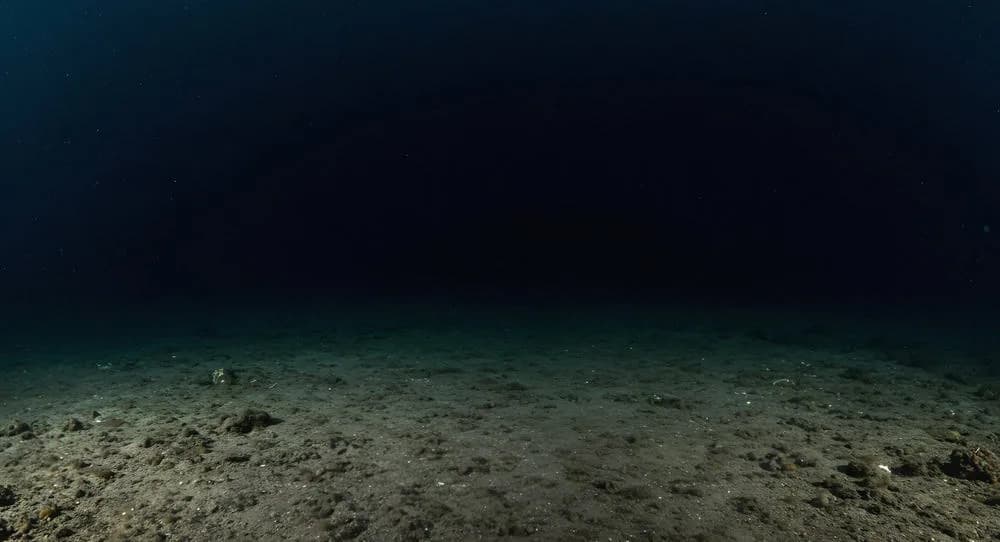
Benthic amphipod crustaceans — tiny, shrimp-like animals that live on the seafloor — are more important to marine ecosystems than their size suggests. They play a critical role in nutrient cycling and serve as prey for a variety of larger species, yet scientists have had limited baseline data on their numbers and distributions.
New Models Provide a Baseline
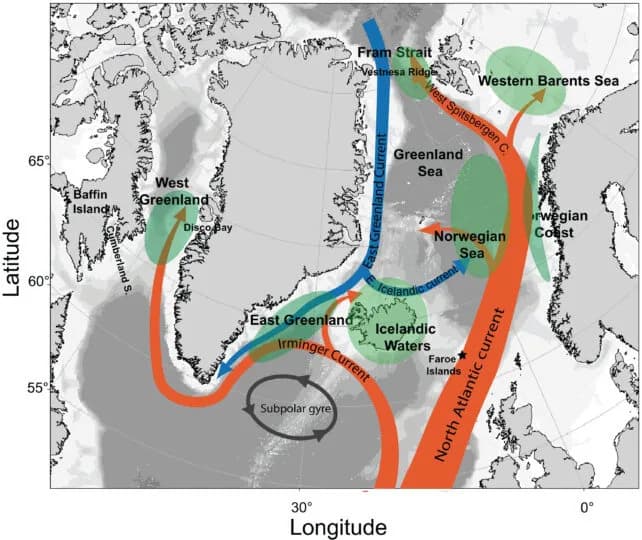
A team of researchers has developed detailed predictive models that map current benthic amphipod populations in the North Atlantic and forecast how warming oceans may redistribute them over coming decades. These models establish the first reliable baseline for tracking future changes in amphipod abundance and range.
Projected Range Shifts and Habitat Change
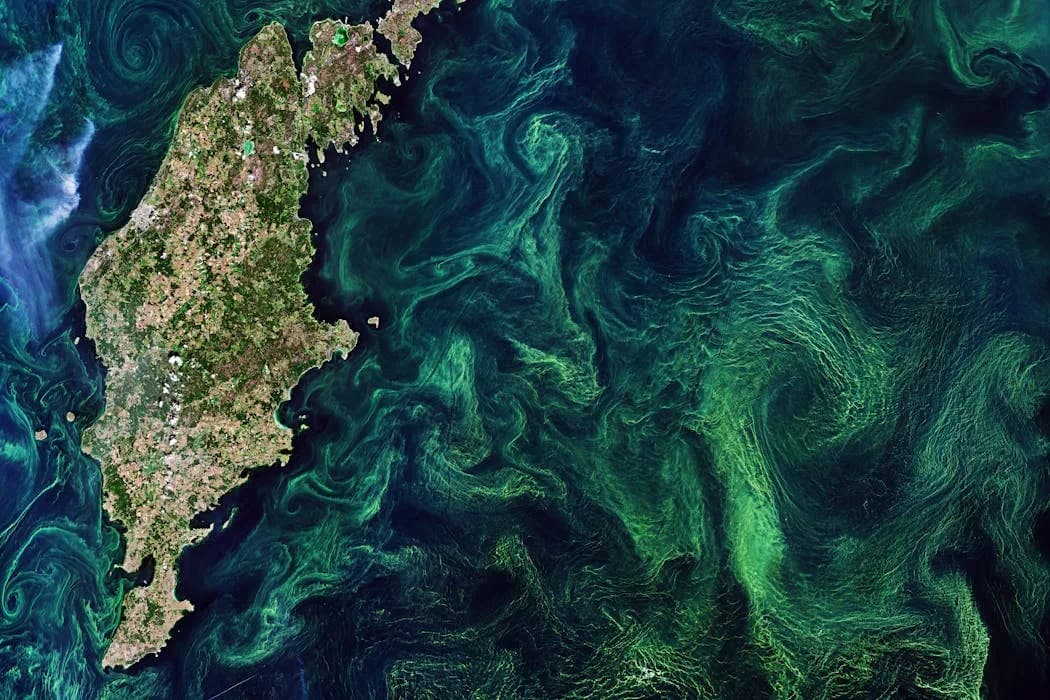
The model results show large potential redistributions: some amphipod species are likely to expand into new areas, while others could suffer substantial habitat loss or contraction. Because many amphipods live in deep-sea environments, warming-driven shifts in temperature, oxygen levels and food availability could produce complex, species-specific outcomes.
Why This Matters
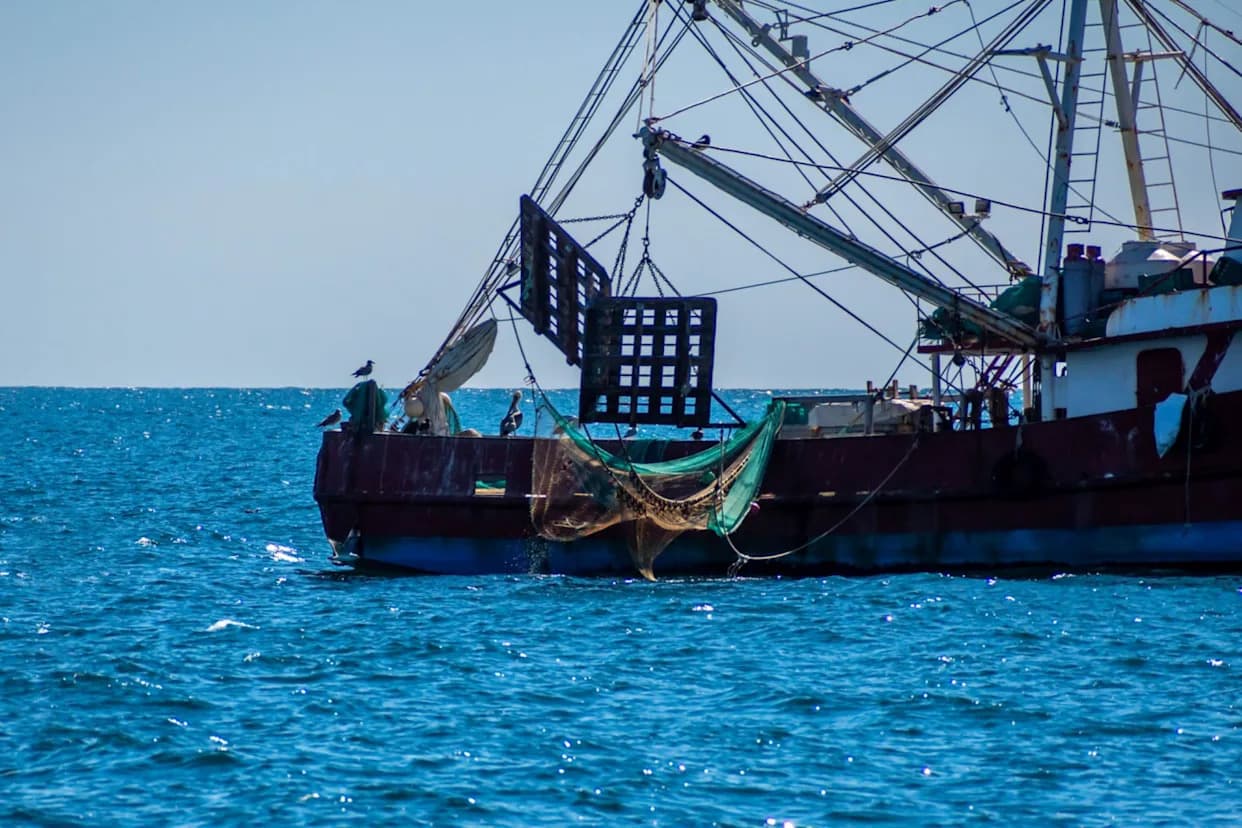
Changes in amphipod populations could cascade through marine food webs, altering biodiversity, predator-prey relationships and the stability of ecosystems that billions of people depend on for food and livelihoods. The study highlights how even small, overlooked species can have outsized effects on ocean health.
'This study provides a baseline for assessing future changes in North Atlantic amphipod distributions,' the authors write, underscoring the models' value as a reference for monitoring and conservation planning.
Recommendations From the Researchers
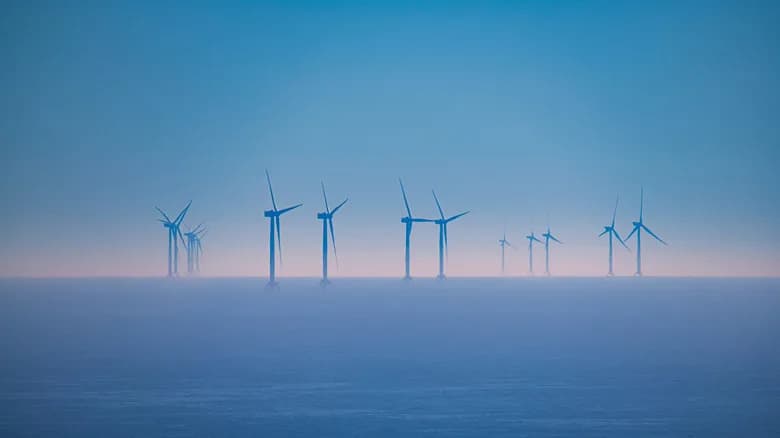
Immediate priorities include improved taxonomic surveys, ongoing monitoring to update the baseline, and incorporating amphipod responses into broader ecosystem models. The authors also stress policy actions to address the root causes of ocean warming: reducing greenhouse-gas emissions and accelerating the transition from high-emission fossil fuels to cleaner renewables such as solar and wind.
Bottom line: The models give scientists and policymakers a starting point for tracking how climate-driven ocean changes will affect foundational species — and for designing conservation measures to reduce cascading consequences for marine life and human communities.
Help us improve.